
I stood in my workshop, holding two masonry drill bits side by side. They were identical in size and brand, purchased from the same store on the same day.
Yet their fates could not have been more different. The first bit looked nearly new, its carbide tip still sharp, its flutes clean.
The second was a sad specimen—dull, discolored, with a chipped tip that told a story of struggle and defeat. The difference between them? About twenty holes in different types of concrete.
This experience made me realize that asking “how long do masonry drill bits last” is like asking “how long does a car last.” The answer depends entirely on how you use it, what you use it for, and how well you maintain it.
In this comprehensive guide, we’ll explore the real factors that determine masonry bit longevity, from the materials you drill to the techniques you use.
Whether you’re a weekend DIYer or a professional contractor, understanding these factors will save you money, time, and frustration on every project you undertake.
The journey to understanding drill bit lifespan began with that simple comparison in my workshop. I started tracking each bit’s performance, noting what worked and what caused premature wear.
What I discovered surprised me, the biggest factor wasn’t price or brand, but how the bits were used and maintained.
Through careful observation and consultation with experts, I developed a system for maximizing masonry bit life that has saved me hundreds of dollars in replacement costs.
This knowledge transformed my approach to masonry work, turning what was once a source of frustration into a predictable, efficient process. Now I’m passing this knowledge to you, so you can avoid the mistakes I made and get the most value from every drill bit you own.
What Determines Masonry Drill Bit Lifespan?
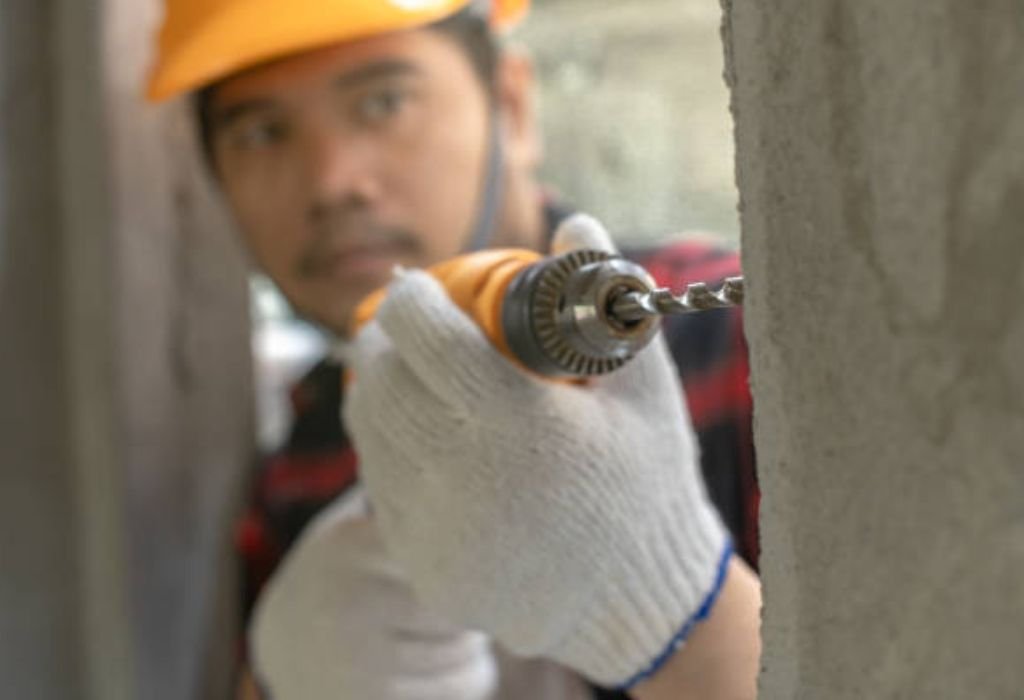
Masonry drill bit longevity isn’t determined by a single factor but by a combination of elements that work together. The quality of manufacturing forms the foundation of any bit’s potential lifespan.
High-quality bits use superior grades of tungsten carbide and better brazing processes to join the tip to the steel body. The hardness and composition of the carbide directly affect how well it resists abrasion—the primary cause of wear in masonry drilling.
Better manufacturing also ensures the flutes are properly formed and heat-treated, providing optimal dust removal and resistance to bending or breaking.
The materials you drill play an equally crucial role in determining lifespan. Soft brick might allow a bit to last for hundreds of holes, while hard granite or quartz-filled concrete might wear out a bit in just a few dozen holes.
The abrasive quality of the material matters more than its pure hardness. Concrete containing silica sand wears bits faster than concrete with softer aggregates.
Similarly, materials with inconsistent density—like concrete with occasional hard stones—cause impact damage that can chip carbide tips prematurely.
Usage patterns and technique complete the longevity equation. A bit used with proper hammer drill settings, adequate cooling periods, and correct pressure will last significantly longer than one abused with excessive force, continuous use without cooling, or incorrect drill settings.
The operator’s skill in recognizing when a bit is dull and needs replacement also affects overall value—using a dull bit damages both the workpiece and the bit itself. Understanding these interconnected factors provides the foundation for maximizing every drill bit’s useful life.
Understanding Masonry Bit Materials and Construction
The materials and construction methods used in masonry bits directly impact their durability and performance. Tungsten carbide forms the business end of most quality masonry bits.
This composite material, made of tungsten carbide particles bonded with cobalt, offers exceptional hardness and wear resistance.
However, not all carbide is equal—the size and distribution of carbide particles, the cobalt content, and the manufacturing process all affect performance.
Fine-grained carbides generally offer better wear resistance, while coarse-grained varieties may provide better impact resistance.
The brazing process that joins the carbide tip to the steel body is critical to bit longevity. Quality bits use high-temperature silver brazing that creates a strong, reliable bond.
Poor brazing can lead to tip loss during drilling, rendering the bit useless regardless of how much life remains in the carbide.
The steel body itself must balance hardness with toughness—too hard and it becomes brittle, too soft and it wears quickly or bends under pressure. Most quality bits use chrome-vanadium or similar alloy steels that provide this balance.
Flute design significantly affects both performance and lifespan. Spiral flutes must be precisely formed to efficiently remove dust from the hole. Inefficient dust removal causes overheating and accelerates wear.
Some bits feature parabolic flutes that offer better chip clearance, while others use more traditional designs optimized for specific materials.
The surface treatment also matters—black oxide coatings reduce friction and provide some corrosion resistance, while other treatments may enhance durability in specific applications.
How Different Materials Affect Your Drill Bits
The material being drilled has a profound impact on masonry bit wear rates. Soft clay brick represents the easiest drilling conditions for masonry bits.
The relatively uniform, less abrasive nature of brick allows bits to maintain their cutting edges for extended periods.
A quality bit drilling soft brick might last for 300-500 holes or more before needing sharpening or replacement. The consistent density and absence of hard aggregates minimize impact damage, making wear gradual and predictable.
Concrete block and poured concrete present more challenging conditions. The sand and aggregate in these materials act as abrasives, gradually wearing down the carbide tip.
A bit drilling standard concrete might last for 100-200 holes before showing significant wear reduction. The presence of hard spots or reinforcement steel can cause chipping or breakage, suddenly ending a bit’s useful life.
Variations in concrete mix design mean wear rates can differ significantly between different batches or sources.
Hard natural stone like granite, quartzite, or porcelain tile represents the most demanding application for masonry bits. These materials combine extreme hardness with high abrasiveness, causing rapid wear.
A bit drilling granite might only last 20-50 holes before needing replacement. Porcelain tiles are particularly challenging due to their glass-like hardness, often consuming a significant portion of a bit’s useful life in just a few holes.
Understanding these material differences helps set realistic expectations for bit longevity across different projects.
Proper Usage Techniques to Extend Bit Life
Correct usage techniques can double or triple a masonry bit’s lifespan. Starting with the right drill settings is fundamental.
The hammer function should always be engaged when drilling masonry, the percussive action reduces the load on the carbide tip by fracturing the material ahead of the cutting edges.
However, excessive hammer force on soft materials can cause unnecessary wear. Matching the hammer setting to the material hardness optimizes performance and extends bit life. Rotary-only mode should be avoided as it places excessive stress on the cutting edges.
Drilling speed and pressure significantly affect bit longevity. High rotational speeds generate excessive heat, which can damage both the carbide tip and the steel body. Moderate speeds of 500-800 RPM for larger bits or 1000-1500 RPM for smaller bits generally work well.
Pressure should be firm and consistent—enough to maintain cutting action but not so much that the drill motor strains or the bit flexes. Letting the bit do the work rather than forcing it prevents premature wear and breakage.
Cooling and dust management are often overlooked but crucial for extending bit life. Regular withdrawal from the hole to clear dust prevents overheating and reduces abrasive wear from compacted material.
For extended drilling sessions, external cooling with water can significantly reduce temperatures, though this requires appropriate bit types and may not be practical in all situations.
Recognizing when a bit is becoming dull and stopping before it becomes completely ineffective prevents damage to both the bit and the workpiece.
Recognizing When to Replace Your Masonry Bits
Recognizing the signs of wear helps maximize value while maintaining drilling efficiency. Visual inspection provides the first indicators of bit wear. A sharp, well-defined carbide tip indicates a bit in good condition.
As wear progresses, the cutting edges become rounded and the tip diameter decreases. Significant wear reduces drilling efficiency and can cause holes to be undersized.
Chipped or missing carbide segments indicate impact damage that requires immediate replacement, as further use will only worsen the damage.
Performance changes during drilling signal approaching end-of-life. A sharp bit cuts efficiently with minimal pressure and consistent progress. As wear increases, drilling requires more pressure and time, with slower penetration rates.
Excessive vibration or wandering during hole starting indicates tip wear. If a bit no longer produces clean holes or requires hammering to insert into previously drilled holes, replacement is overdue. Continuing with a worn bit risks getting it stuck or damaging the drill.
Measurement and comparison provide objective wear assessment. Comparing a used bit against a new one of the same size reveals diameter reduction through wear.
Specialized drill bit gauges can measure tip diameter accurately. For professional users, tracking the number of holes or inches drilled provides a quantitative basis for replacement decisions.
Establishing replacement criteria before beginning a project ensures consistent results and prevents attempting to extend bit life beyond practical limits.
Maintenance and Storage Best Practices
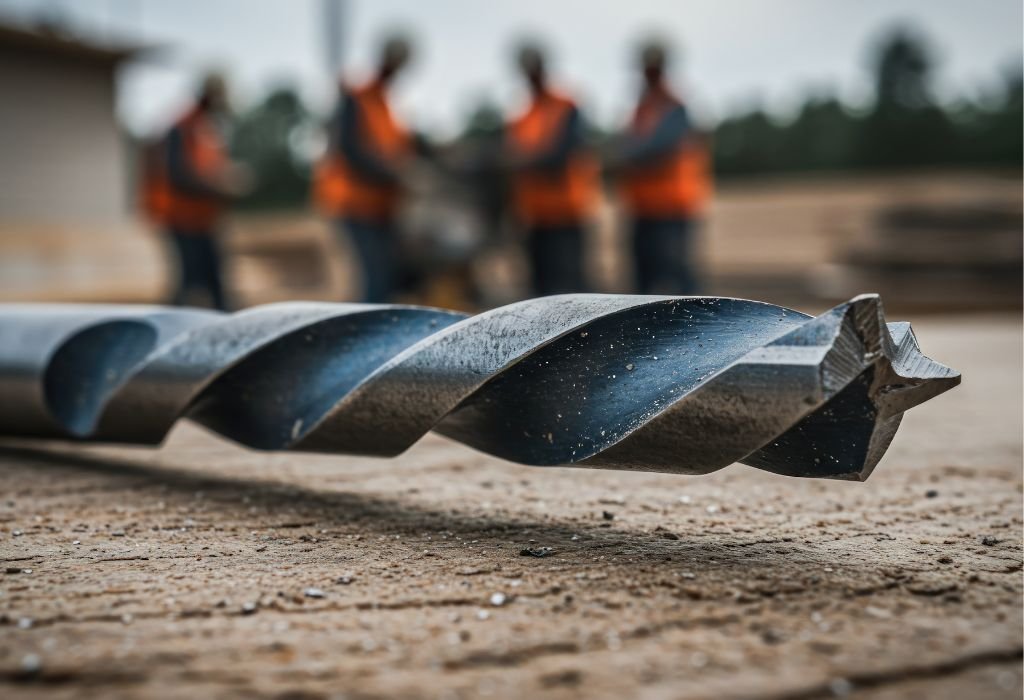
Proper maintenance and storage significantly extend masonry bit lifespan. Cleaning after use is the most important maintenance practice. Residual dust and debris accelerate corrosion and can impair performance during future use.
A stiff brush effectively removes most debris, while compressed air cleans flute interiors thoroughly. Some contractors use dedicated bit cleaning solutions for stubborn residues. Proper cleaning prevents cross-contamination between materials that could cause accelerated wear.
Storage conditions affect long-term bit preservation. Individual plastic sleeves protect cutting edges from damage and prevent corrosion. Stacking unprotected bits in toolboxes leads to edge damage that reduces performance.
For larger collections, dedicated drill bit cases or organizers prevent contact between bits. Storage in dry conditions prevents rust, particularly on the steel portions of the bit. Humidity-controlled environments are ideal for long-term storage of valuable bit collections.
Periodic inspection and minor maintenance can restore performance to worn bits. Specialized diamond files or sharpening stones can touch up slightly dulled carbide edges, though this requires skill to maintain proper geometry.
Checking for and removing burrs on the steel body prevents binding during drilling. For heavily used professional sets, establishing a regular maintenance schedule ensures bits remain in optimal condition between uses.
Cost Analysis: When to Repair vs. Replace
Understanding the economics of drill bit maintenance informs smart purchasing decisions. Sharpening represents the primary repair option for masonry bits. Professional sharpening services can restore heavily worn bits for 30-50% of replacement cost.
However, the economics depend on bit quality and initial cost—sharpening inexpensive bits rarely makes financial sense. The availability of local sharpening services and turnaround time also affect this calculation for professional users.
The hidden costs of using worn bits must factor into replacement decisions. A dull bit increases drilling time, consumes more electricity, and risks damaging more expensive materials.
In professional contexts, labor costs often outweigh bit costs—the time saved using a sharp bit frequently justifies earlier replacement. For critical applications where hole quality matters, replacing bits at the first signs of wear prevents costly rework or material waste.
Building a cost-effective bit inventory requires understanding usage patterns. Maintaining a mix of premium bits for demanding applications and economical options for simple tasks optimizes overall costs.
Tracking cost per hole rather than simple purchase price provides more meaningful data for decision-making. Establishing clear replacement thresholds based on both performance and economic factors ensures consistent results across projects and users.
Conclusion
The true lifespan of a masonry drill bit extends far beyond a simple hole count. From the materials we’ve explored to the techniques we’ve discussed, each factor interconnects to determine how long your bits will serve you well.
The manufacturing quality sets the potential, the materials you drill establish the challenge, and your techniques and maintenance practices determine how close you come to reaching that potential.
Understanding this relationship transforms drill bits from disposable commodities into valuable tools whose lifespan you can actively influence.
My journey from the two worn bits in my workshop to understanding these principles has saved me countless dollars and frustrations. I now approach each drilling project with confidence, knowing exactly how to maximize bit life while maintaining optimal performance.
The knowledge of when to push forward and when to replace a bit has become second nature. More importantly, I’ve learned that the greatest cost isn’t in replacing drill bits—it’s in the projects compromised by using bits past their prime.
As you move forward with your own projects, remember that the most expensive bit is the one that fails at a critical moment. Invest in quality where it matters, maintain your tools diligently, and replace them proactively.
Your time and project outcomes are worth far more than the price of a new drill bit. With the knowledge from this guide, you’re now equipped to make informed decisions that will serve you well through countless successful masonry projects.

I’m John F. Nicholas, the founder, lead writer, and drill enthusiast behind 101drill.com. With years of hands-on experience in power tools and DIY projects, I created this platform to share practical knowledge, expert tips, and real-world insights to help others master the art of drilling.