
You try to drill brick with a regular hammer drill and a smooth shank bit. The hole takes forever, the chuck slips, and your wrist feels every vibration.
A friend hands you a compact rotary hammer with an SDS masonry bit. The bit locks in, the tool pulses with rhythm, and the hole finishes in seconds.
That sudden improvement feels like magic until you learn the mechanism. SDS is a system that moves impact energy directly to the tip while keeping rotation controlled.
Understanding SDS saves time, strain, and expensive bits. With the right combo of tool and bit, your holes turn out fast, straight, and repeatable.
SDS basics explained in plain language
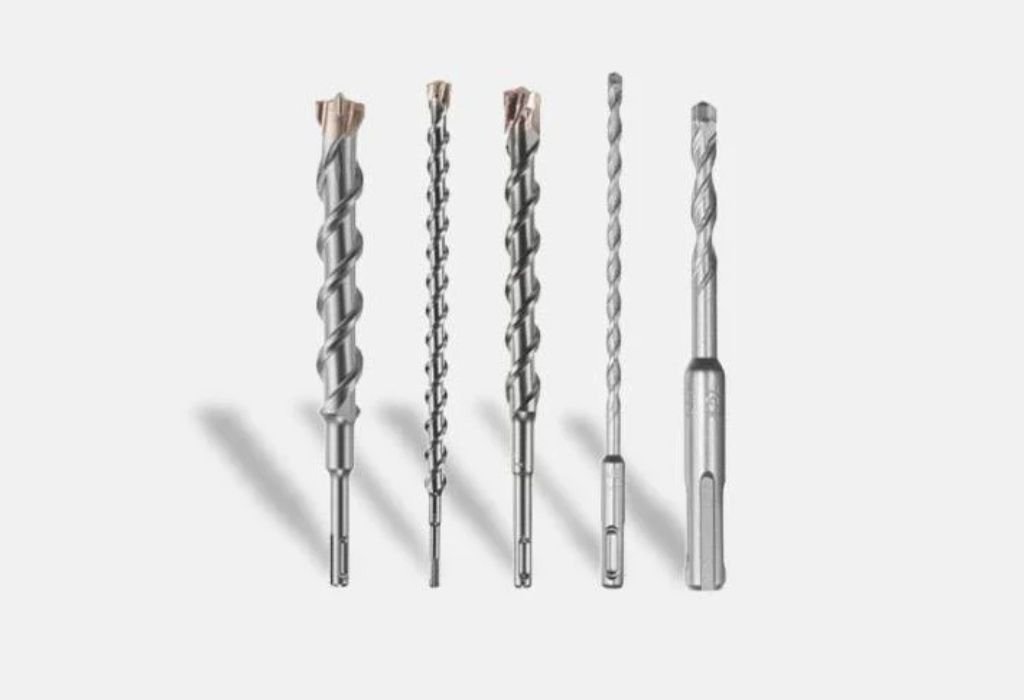
SDS means slotted drive system, which describes the bit shank profile. The shank has open slots and grooves that fit a matching SDS chuck precisely.
Those grooves let the bit slide axially while staying locked for rotation. Sliding is intentional because it transfers hammer blows to the cutting edge efficiently.
A rotary hammer uses a piston to deliver rapid impacts to the bit. The motor provides slow rotation that clears debris and prevents binding.
Because the shank can move inside the chuck, less force is lost to slip. Traditional three jaw chucks squeeze a smooth cylinder and can absorb impact as heat.
SDS reduces the clamping force you need at the chuck. Your hands fight less vibration and the bit stays engaged under heavy load.
The payoff shows up in dense brick and concrete. The bit advances steadily, dust exits cleanly, and the tool runs cooler for longer sessions.
SDS, SDS Plus, and SDS Max differences and use cases
SDS and SDS Plus cover light to medium diameter masonry drilling. Most household and professional anchor holes fall into the SDS Plus range.
SDS Max is the heavy duty version for bigger holes and chiseling. The shank is larger, the tool is stronger, and the impact energy is much higher.
Choose SDS Plus for common anchors, tap cons, and utility mounts. The tools are compact, the bit selection is broad, and control is excellent.
Choose SDS Max for deep embedments, wide holes, or demolition. The added mass and energy remove material quickly and reduce operator effort.
Adapters can bridge systems, but they add play and reduce efficiency. Matching the bit shank to the tool gives the cleanest transfer of force every time.
Why SDS shanks and chucks do not slip under load
The SDS shank has drive lugs that engage matching splines in the chuck. This geometry locks rotation so torque does not rely on friction alone.
Two retaining balls capture the shank in a race inside the chuck. The balls hold the bit while still allowing axial movement for impact.
Impact energy travels along the bit rather than into the chuck jaws. That path protects the chuck components and preserves hammer efficiency.
Because the bit can float slightly, it absorbs rebound cleanly. The tool feels calmer and easier to steer even when the material is stubborn.
Axial freedom also protects the cutting edge from glazing. Each blow breaks the surface and helps dust leave instead of polishing the tip.
The combined effect is a cooler cut and straighter holes. Less slip means more progress per minute and fewer burned bits on hard aggregate.
Masonry bit tip types and where they shine
Standard SDS masonry bits use a brazed carbide insert at the tip. Under impact the insert crushes the matrix while flutes evacuate powder.
Multi cutter carbide tips have additional cutting edges. Those edges help keep large holes round and reduce snagging on rebar or inclusions.
Reinforced concrete benefits from premium carbide grades. Harder inserts resist micro chipping and stay sharp across longer runs.
Stone and tile often need specialized geometry. Spear point carbides and diamond grit crowns handle fragile or very hard surfaces with fewer chips.
Core bits grind a ring to produce large, clean openings. Diamond segments excel in block and fired clay when you need neat edges.
Choosing the tip is about the substrate and the hole size. The right match improves speed, accuracy, and tool life on every pass.
Can I use one SDS bit for brick, block, and concrete
You can for small anchors, but performance varies by hardness. Premium tips keep diameter truer and last longer on dense concrete.
Do diamond core bits need water on masonry walls?
Light misting helps dust and heat, but follow the bit instructions. Some segments are designed for dry coring and rely on airflow for cooling.
Will a multi cutter bit prevent rebar hang ups?
It reduces the chance but does not replace metal cutting. If you hit rebar, switch to a rebar cutter or relocate if structure allows.
When to use a hammer drill versus an SDS rotary hammer
A hammer drill uses a mechanical cam to vibrate the chuck. The motion is small and fast, which works for soft brick and light duties.
An SDS rotary hammer uses a piston to drive the bit directly. The motion is longer and more energetic, which excels in concrete and stone.
Use a hammer drill for occasional shallow holes in soft materials. It is lighter, cheaper, and adequate when the surface is forgiving.
Use an SDS rotary hammer for regular anchors or dense substrates. It drills faster, stays cooler, and delivers cleaner bores with less effort.
Depth and diameter also influence the choice. As size increases the advantage of SDS grows quickly in both speed and accuracy.
Ergonomics matter on ladders and overhead. SDS needs less push force, which keeps your balance better and reduces fatigue during long days.
Sizing, depth, and dust control that keep holes clean
Match the bit diameter to the anchor chart from the manufacturer. Correct size protects pullout strength and prevents spinning during torque.
Mark the bit with tape for depth or use a stop collar. Consistent depth keeps seating predictable and prevents bottoming out.
Withdraw the bit every one or two centimeters to clear powder. Packed dust converts energy into heat and slows progress sharply.
Vacuum the bore before inserting any anchor or screw. Clean walls give threads and sleeves the friction they need to hold.
Step drilling helps with very large holes. A small pilot stabilizes entry and guides the final size for a rounder finish.
If your tool supports dust extraction, use it. Cleaner air improves visibility, comfort, and tip temperature in tight spaces.
Safety, vibration control, and jobsite ergonomics
Wear eye protection and a tight fitting respirator around masonry dust. Silica is sharp and hazardous to lungs and eyes even on short tasks.
Hearing protection matters because impact pulses are intense. Reducing noise reduces fatigue and keeps your focus sharper during alignment.
Use gloves that improve grip without bulk near the chuck. Thin palms reduce slips while preventing fabric from catching rotating parts.
Stand square to the work and plant your feet before drilling. Good posture keeps the bit aligned and prevents oval holes from side load.
Let the tool do the pushing and guide with your shoulders. Excess body force bends bits, overheats tips, and tires your arms early.
Pause to stretch hands and shoulders between long runs. Short breaks improve accuracy and reduce mistakes near fragile edges.
Should I use water to control dust when drilling?
A light mist can help with diamond tools, but follow the bit guidance. Excess water creates slurry that can pack flutes and slow cutting.
How do I reduce vibration on longer holes?
Use sharp bits, correct speed, and a steady rhythm. Let the hammer action lead while you keep the tool square to the surface.
Is kickback a concern with SDS tools?
It is lower than with rotary only tools but still possible. Keep both hands on the tool and use clutch features when available.
Troubleshooting slow progress, glaze, and wandering
If progress stalls, withdraw and clear the flutes completely. Restart with light pressure and let the hammer build rhythm again.
If the tip looks shiny, the carbide is glazing from heat. Reduce feed, clean dust more often, and consider a premium bit on dense material.
If the hole wanders at the start, tape the face and dimple gently. A short starter bit helps you enter square on hard glazed brick.
If you strike rebar, stop and switch to a metal rated cutter. Drilling steel with a masonry tip damages both the bit and the tool.
If the entry chips, start with lower impact and speed. Let the bit seat before increasing force across the surface.
If the tool overheats, work in short bursts and ventilate. Overheating indicates rubbing rather than effective impact at the tip.
Care, storage, and knowing when a bit is done
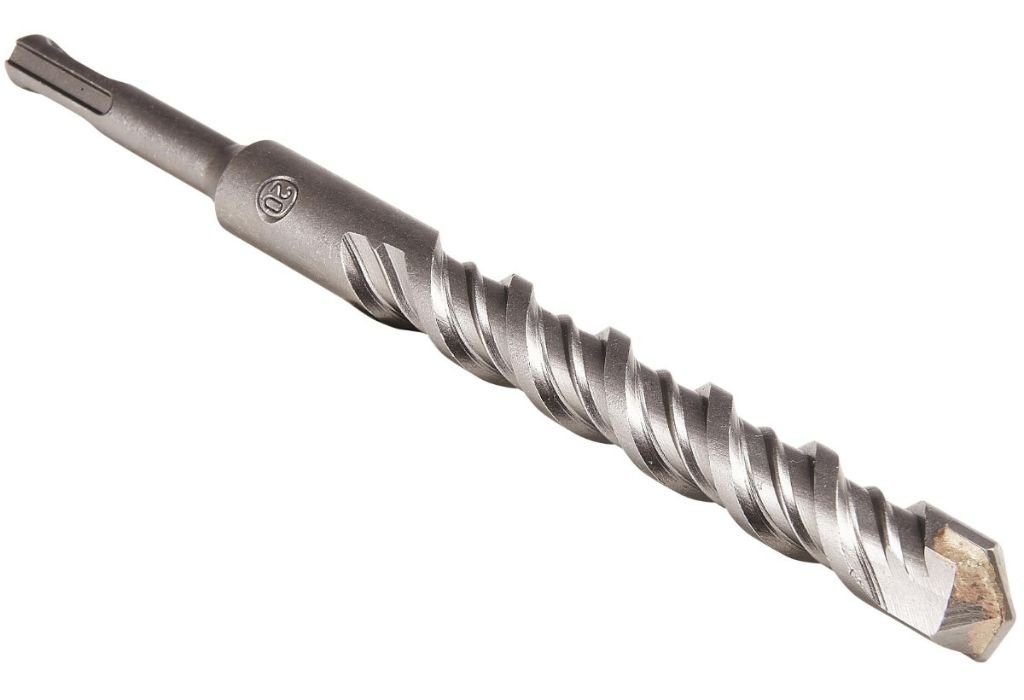
Wipe bits after use to remove dust that traps moisture and salts. Light oil on the shank prevents corrosion and keeps insert braze clean.
Store bits in sleeves or a roll to protect cutting edges. Avoid loose buckets that chip corners and shorten service life.
Inspect carbide tips for cracks or missing segments. Damaged tips chatter, enlarge holes, and chip fragile faces on entry.
Rotate bits across jobs to balance wear. A shared workload keeps diameters closer to spec for longer periods.
Retire bits that drill noticeably oversize or heat quickly. Replacement costs less than failed anchors and rework on finished walls.
Label sets by diameter and task so selection is fast. Clear organization speeds setups and reduces mistakes on busy days.
Quick buying checklist and smart pairing
Pick SDS Plus for everyday anchor sizes in brick and concrete. Choose SDS Max when you need large diameters or chiseling power.
Buy a small set of premium diameters you use most. Add specialty tips for rebar prone concrete and fragile tile or stone.
Confirm bit diameters against the anchor chart before checkout. The correct pairing prevents guesswork and weak holding power.
Choose a rotary hammer with dust extraction if possible. Cleaner holes drill faster and extend tip life in abrasive substrates.
Check for depth stop, clutch, and vibration control features. These options protect work quality and reduce operator fatigue.
Keep spare batteries or cords planned around your workflow. A ready power plan avoids rushing and preserves careful technique.
Conclusion
SDS masonry drill bits combine a slotted shank with a matching chuck to move impact energy where it matters. The design locks rotation, allows axial motion, and keeps the tip cutting instead of polishing.
Use SDS Plus for common anchors and SDS Max for heavy removal or wide holes. Match tip style and diameter to the substrate and the anchor chart for reliable results.
Control depth with a stop, clear dust often, and vacuum the bore before fastening. These habits protect hole quality, anchor strength, and tool life across every job.
Stay safe with eye, hearing, and respiratory protection on all masonry drilling. Good posture, steady rhythm, and sharp bits reduce fatigue and improve accuracy.
Troubleshoot by watching heat, sound, and chip behavior. Small adjustments restore speed and keep holes round and clean even in tough concrete.
With the right SDS bit and rotary hammer, masonry drilling becomes smooth and predictable. Your projects finish faster, look cleaner, and last longer with less effort.

I’m John F. Nicholas, the founder, lead writer, and drill enthusiast behind 101drill.com. With years of hands-on experience in power tools and DIY projects, I created this platform to share practical knowledge, expert tips, and real-world insights to help others master the art of drilling.