
You grip your cordless drill tightly and begin drilling into a brick wall. At first, the sound is steady, but then the motor whines louder, the bit overheats, and small chips fly from the surface. The brick cracks slightly, and your confidence fades. The drill had power — too much of it.
Many people think maximum torque equals faster drilling, but that’s far from the truth. In masonry, raw power without control often causes damage, worn bits, or broken anchors. Understanding torque is what separates clean holes from cracked surfaces.
Torque is the rotational force that turns your drill bit through dense materials like brick or concrete. It’s measured in Newton-meters (Nm) or inch-pounds (in-lbs). Setting it right determines how efficiently your bit cuts, how long your tool lasts, and how safe the process feels.
According to tool manufacturers, over 60% of damaged bits in masonry drilling result from incorrect torque settings or excessive pressure. Too little torque and the bit stalls; too much and the wall chips or the motor overheats.
This guide explains everything about torque in masonry drilling — how to measure it, adjust it, and use it properly for any surface. By mastering torque, you’ll gain full control over your drill and achieve cleaner, more professional results every time.
What Torque Means in Drilling and Why It Matters
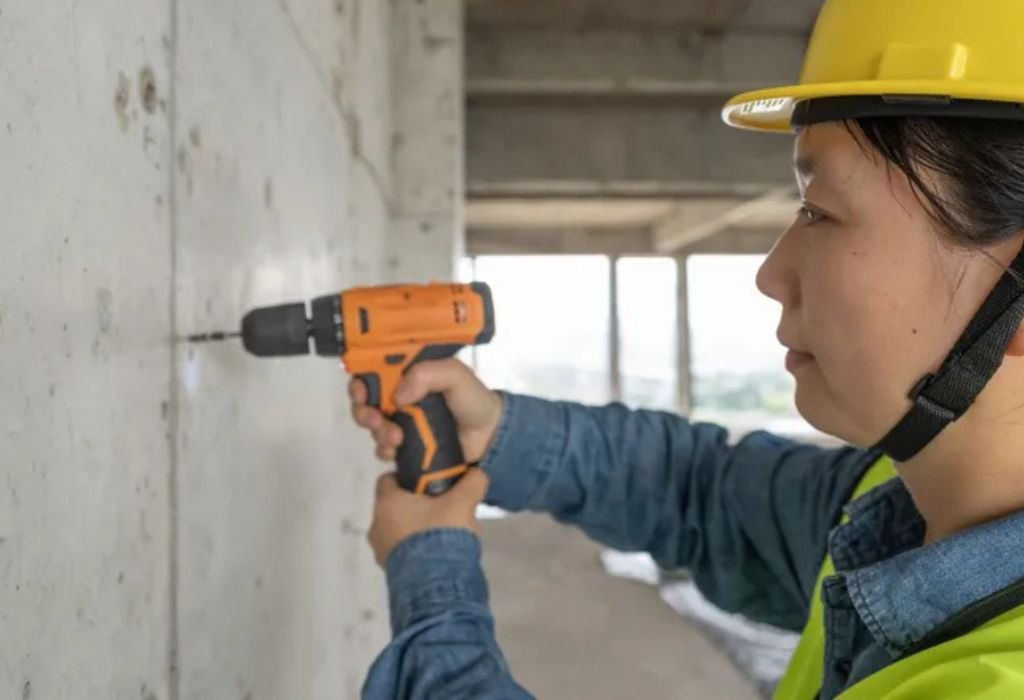
Torque simply refers to the twisting force that your drill applies to the bit. When you pull the trigger, the motor generates rotational energy, which is transferred to the bit through the gearbox. The higher the torque, the more twisting power is available to cut through resistance.
In masonry, torque becomes critical because materials like brick and concrete resist penetration much more than wood or metal. Too little torque means your bit will spin without cutting effectively, creating friction and heat instead of progress.
High torque allows your bit to grind through hard surfaces, but if it’s uncontrolled, it can damage both the bit and the wall. The secret lies in matching torque strength to material hardness.
Drills with variable torque settings help manage this. Lower settings prevent screws from stripping in soft materials, while higher settings provide the muscle needed for dense masonry. However, even the highest torque can’t replace proper technique — you must maintain consistent pressure and correct bit type for each task.
Ultimately, torque matters because it determines not just power but also precision. The right setting ensures your drill works with the material, not against it.
How Drill Torque Differs Across Surfaces
Different materials demand different torque levels. Wood, for example, offers less resistance, so moderate torque is enough to cut cleanly. Using high torque on wood can split the grain or overdrive screws.
Metal surfaces require more torque since they’re denser. HSS bits handle this well because they cut efficiently without extreme pressure. Still, torque must stay controlled to prevent bit overheating or slippage.
Masonry, however, behaves differently. Instead of cutting, the bit pulverizes small portions of brick, mortar, or stone. That process needs much greater torque — especially when combined with hammer action — to break material apart effectively.
For instance, drilling into a soft red brick may only require 20–25 Nm of torque, while dense concrete can demand 40–60 Nm or more. The difference lies in the compressive strength of the material.
Choosing the correct torque ensures smoother operation and longer bit life. If you switch between materials frequently, adjustable-torque drills are invaluable for achieving consistency without tool strain.
Recommended Torque Ranges for Masonry Drilling
Masonry drilling requires more torque than most home improvement tasks. However, there’s no one-size-fits-all number — the right torque depends on the material’s hardness, bit diameter, and drill type.
For standard brick or block walls, a torque setting between 25–35 Nm is usually ideal. It provides enough strength to penetrate without chipping the surface.
For concrete or reinforced masonry, aim for 40–60 Nm. Drills in this range maintain steady rotation even under heavy load, ensuring continuous cutting without stalls.
If you’re using a cordless hammer drill, choose one rated above 50 Nm for deep holes or large-diameter bits. Lower-torque drills may overheat or stop mid-way through.
For light plaster or mortar, you can reduce torque to around 15–20 Nm, preventing overdrilling and surface cracking.
Always combine proper torque with hammer mode when working on dense materials. Hammering motion reduces required rotational force by up to 30%, improving drilling speed and accuracy.
By following these torque ranges, you’ll avoid most common issues like jammed bits, cracked walls, or stripped anchors.
Factors Affecting Torque Performance on Masonry
Several elements determine how efficiently torque translates into drilling performance. The first is drill power output — measured in volts for cordless models or watts for corded ones. A higher-powered drill can sustain torque longer without losing speed.
The bit type and condition also play a role. A dull or damaged bit increases friction, demanding more torque to achieve the same penetration. Always inspect the carbide tip before starting.
Material hardness varies widely among masonry types. Lightweight blocks drill easily, while reinforced concrete resists even powerful torque. Testing a small pilot hole helps gauge resistance before committing fully.
Another factor is user pressure. Pressing too hard slows the bit, overloading the motor. Light, consistent pressure allows torque to work efficiently without overheating.
Lastly, battery health affects torque delivery. A low-charge battery may reduce torque output by up to 25%. Always ensure full charge for demanding tasks like masonry drilling.
Understanding these factors lets you adjust both torque and technique for maximum efficiency and tool life.
Setting the Correct Torque on Different Drills
Most modern drills feature a torque adjustment ring near the chuck. The numbers on this ring correspond to different torque levels, with higher numbers providing stronger twisting force.
For masonry, set the torque near the upper range, especially when using hammer mode. Start low and increase gradually until the bit cuts smoothly without straining the motor.
On digital drills, torque settings appear as electronic levels or presets. Many include a dedicated “masonry” or “hammer” mode that automatically optimizes torque, speed, and impact energy.
Impact drivers, on the other hand, rely on internal impact mechanisms rather than continuous torque. They’re excellent for heavy screws but not ideal for drilling masonry unless paired with a special adapter.
Corded rotary hammer drills offer constant torque and are best for deep holes or heavy concrete. They combine torque with percussive force, reducing user effort while maintaining steady rotation.
Always match your drill type with the task. Proper adjustment keeps your bit stable, your drill efficient, and your holes cleanly formed.
Signs of Too Much or Too Little Torque
When torque is too high, the drill feels aggressive and jerky. You might notice chipping around the hole, excessive vibration, or a burning smell. The bit tip may overheat, turning blue from friction.
Too much torque can also strain the motor, especially on cordless models. The drill might stall suddenly or kick back, making it harder to control.
Too little torque shows up as slow progress and squealing noises. The bit spins without cutting effectively, generating dust but little depth. In severe cases, the drill stops entirely when resistance increases.
If you see fine gray dust instead of coarse debris, it’s a sign the bit is rubbing instead of cutting — increase torque slightly.
Adjusting torque incrementally between holes helps you find the perfect balance. Once you feel steady cutting pressure without vibration or smoke, you’ve reached the optimal setting.
How to Test and Calibrate Your Drill’s Torque
Testing torque regularly ensures consistent drilling results. Start by drilling into a test block of similar hardness to your target material. Observe how smoothly the bit penetrates and how the drill responds under load.
For precise measurement, use a torque tester — a digital tool that measures rotational force. These are common in professional workshops but optional for home users.
If your drill feels weaker than before, calibration might be needed. Check your battery output and gear settings first. Sometimes worn gearboxes or brushes reduce torque transfer efficiency.
A practical method is to test using pilot holes. If the drill penetrates 5–10 mm cleanly without slowing down or overheating, the torque is likely well-calibrated.
Always keep your drill maintained. Lubricate moving parts occasionally and replace worn bits immediately. Consistent calibration prevents surprises during important tasks.
Pro Tips to Maximize Torque Efficiency
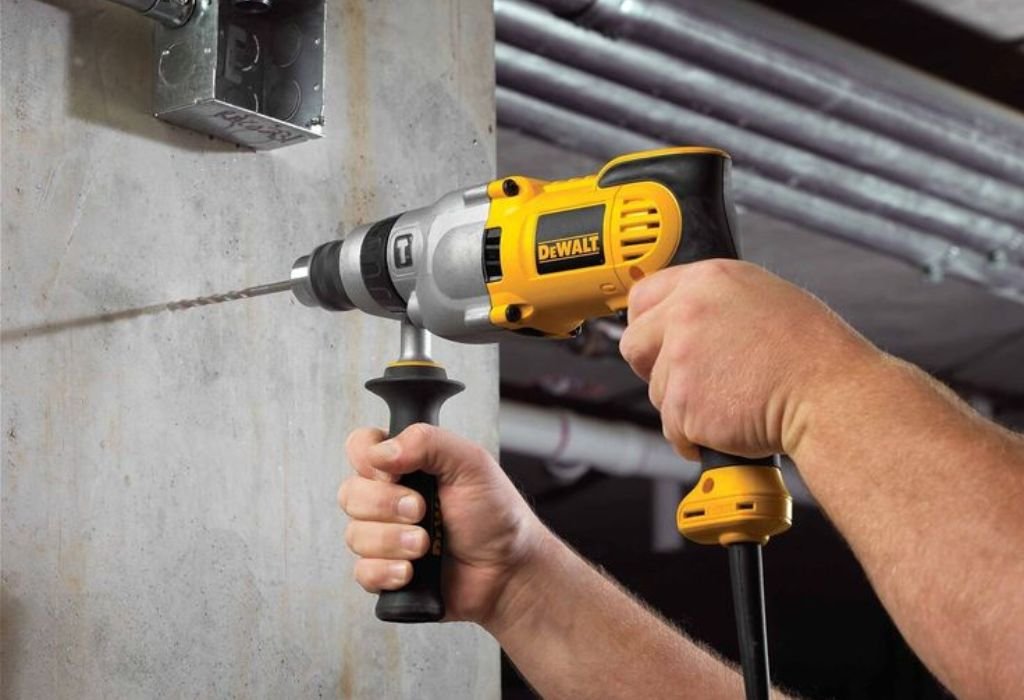
Start drilling at low speed to let the bit seat properly before increasing torque. Sudden high force can cause slipping or misalignment.
Use sharp, carbide-tipped bits for masonry. Dull bits require higher torque, generating unnecessary heat and vibration.
Maintain a steady grip and consistent pressure. Let the drill’s motor and hammer action do most of the work instead of forcing it.
Keep your battery charged above 75%. Torque output declines rapidly when voltage drops. A high-capacity battery ensures steady force throughout the job.
After every few holes, pause to cool the bit. Overheating reduces both torque efficiency and bit lifespan.
Finally, always select the correct torque mode before switching surfaces. Resetting between wood, metal, and masonry drilling keeps your results precise and your drill protected.
FAQ: Common Questions About Torque in Masonry Drilling
What is the ideal torque for drilling concrete?
Usually between 40–60 Nm, depending on bit size and depth. Use hammer mode for best results.
Can I drill brick with low-torque cordless drills?
Yes, for small holes in soft brick, but it will be slower and may wear the bit faster.
Does hammer mode reduce the need for high torque?
Yes. Hammering action compensates for torque by delivering impact energy that breaks material faster.
Why does my drill stall during masonry work?
Torque is too low, the bit is dull, or your pressure is inconsistent. Adjust torque upward slightly.
Can I use torque settings for screwdriving after masonry work?
Yes, but always lower the setting to avoid stripping screws in wood or metal.
What’s more important — torque or speed?
For masonry, torque is more important. Speed without torque only generates friction and heat.
Conclusion – Balancing Power and Precision
Torque defines how effectively your drill can tackle masonry. Too little and you waste effort; too much and you risk damage. The key lies in finding balance — enough twisting power to cut through dense material while maintaining full control.
With the right torque setting, your drill operates smoothly, your bit stays sharp longer, and your walls remain intact. Always start low, test gradually, and let your drill’s feel guide you.
Mastering torque isn’t just about numbers; it’s about understanding how your tool communicates through resistance and vibration. Once you learn that language, every hole you drill will be cleaner, safer, and more professional.

I’m John F. Nicholas, the founder, lead writer, and drill enthusiast behind 101drill.com. With years of hands-on experience in power tools and DIY projects, I created this platform to share practical knowledge, expert tips, and real-world insights to help others master the art of drilling.