
It was a freezing winter morning when the car refused to start, leaving a driver stranded in an empty parking lot.
As the frustration grew, someone spotted a cordless drill in the back seat and wondered if its battery could be the unexpected hero.
The idea sounded promising because cordless drill batteries looked powerful, portable, and similar in voltage to a car battery.
What most people didn’t realize was that a car starter doesn’t just need voltage—it needs an intense surge of current in seconds.
Research shows that a fully charged car battery delivers 12.6 volts and as much as 600 amps to crank an engine (Battery Council).
By contrast, cordless drill batteries are designed for steady tool operation, not for the sudden power demands of automotive starters.
This article explores whether a cordless drill battery can start a car, what experts say, the risks involved, and the safest alternatives for real emergencies.
Can You Start a Car With a Cordless Drill Battery? The Short Answer
Technically, it might be possible to start a car with a cordless drill battery under ideal circumstances, but success rates are extremely low. Drill batteries lack the cold-cranking amps (CCA) needed to spin a starter motor reliably, especially in cold weather or with larger engines.
Automotive experts emphasize that voltage alone doesn’t guarantee a successful engine start. Cars require a massive current surge for a few seconds, something most cordless drill batteries simply cannot deliver. Even if the voltage matches, the discharge rate often falls short of what a starter motor demands.
DIY experiments on YouTube and automotive forums show mixed results. Some small engines turned over when using high-capacity drill batteries, but most attempts failed due to insufficient current or overheating risks. These tests reveal that while not impossible, the method remains highly impractical for real emergencies.
Another concern is safety. Connecting a drill battery directly to a car’s electrical system without proper regulation risks damaging both the battery and sensitive electronics like the ECU. For this reason alone, professionals strongly advise against trying this method outside controlled environments.
Q&A Section
Is it technically possible?
Yes, but results are unreliable and risky.
What limits drill batteries?
Low current output compared to car batteries.
Can it damage the car’s electronics?
Yes, voltage spikes may harm sensitive circuits.
Do experts recommend it?
No, safer alternatives exist for emergencies.
Will it work in cold weather?
Almost never, due to higher power demands.
Understanding Car Battery Requirements
Car batteries deliver much more than voltage; they provide the instant current necessary to overcome engine compression and crank the starter motor. A healthy battery maintains about 12.6 volts at rest and drops slightly under load during engine startup.
The key factor is cold-cranking amps (CCA), which measure how much current a battery can deliver for 30 seconds at 0°F (-18°C) without dropping below 7.2 volts. Most gasoline engines need 300–600 CCA, while diesel engines often require 700+ CCA because of higher compression ratios.
Modern vehicles add further complexity with electronics like ECUs, sensors, and infotainment systems. These components depend on stable voltage during startup; low or fluctuating power can cause software errors, sensor malfunctions, or even long-term damage.
Drill batteries, even high-voltage models, rarely exceed a few dozen amps of safe continuous discharge. This gap between what cars need and what drill batteries deliver explains why success stories remain rare exceptions rather than reliable solutions.
Q&A Section
How many volts does a car battery provide?
Typically 12.6V when fully charged.
How many amps are needed to start most cars?
Around 300–600 amps for gasoline engines.
Do modern cars require more stable voltage?
Yes, sensitive electronics need consistent power.
Does cold weather increase power demands?
Yes, oil thickens, requiring more cranking force.
Can low voltage damage the starter?
Yes, it overheats the motor and reduces lifespan.
Cordless Drill Battery Specs Explained
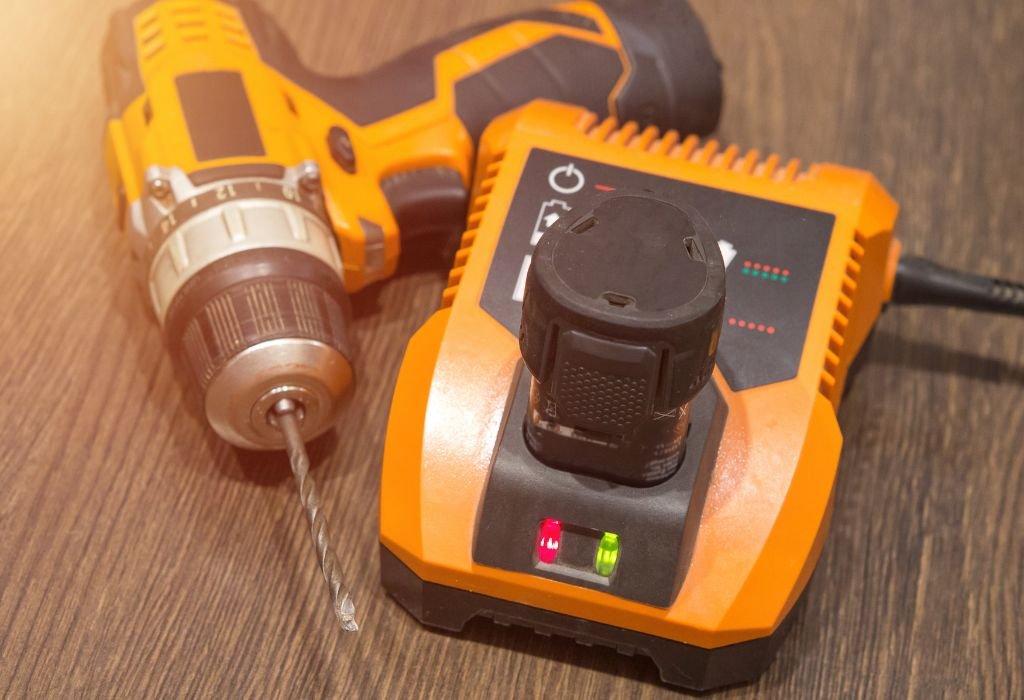
Cordless drill batteries often share voltage ratings with car batteries, typically 12V, 18V, or 20V, leading people to assume compatibility. However, voltage alone doesn’t determine whether they can start a car; current output and discharge rates matter far more.
Most drill batteries use lithium-ion cells managed by a Battery Management System (BMS). This system prevents overcharging, overheating, and excessive current draw, protecting both the cells and the tool. While excellent for drills, this safety feature limits their ability to deliver the massive current spikes cars require.
Amp-hour (Ah) ratings confuse many DIYers. A higher Ah rating increases runtime for drills but doesn’t necessarily boost instantaneous current output. A 5Ah battery might last longer powering a drill, but starting a car demands short, intense bursts of power beyond its safe limits.
Additionally, drill batteries use connectors and wiring designed for low to moderate current flow. Pushing hundreds of amps through these small terminals risks melting connectors, damaging cells, or triggering BMS shutdown features mid-attempt.
Q&A Section
Do drill batteries match car battery voltage?
Sometimes, but voltage alone isn’t enough.
Does higher Ah rating mean better jumpstarting?
No, it affects runtime, not peak current delivery.
What role does BMS play?
It limits current to protect the battery from damage.
Can drill batteries handle high current surges?
No, they’re designed for steady power output only.
Are connectors strong enough for car starting?
No, most aren’t rated for such high current loads.
Real-World Attempts and Expert Opinions
YouTube channels and DIY forums frequently test whether cordless drill batteries can start small cars. Some experiments succeed with lightweight vehicles or motorcycles, but most fail under typical conditions involving larger engines or cold temperatures.
Automotive experts repeatedly warn against this approach, citing risks to both the battery and the vehicle’s electrical system. Starter motors draw huge currents that drill batteries simply aren’t built to supply safely or reliably.
Tool manufacturers also discourage using their products outside intended purposes. Misusing drill batteries for jumpstarting often voids warranties and may cause irreversible damage to the pack’s internal electronics.
Even when tests succeed, they rarely replicate real emergency situations. Controlled environments with warm weather, small engines, and perfectly charged batteries hardly reflect the average roadside breakdown scenario.
Q&A Section
Do online videos show success?
Yes, but mostly under ideal, unrealistic conditions.
What do experts say about this method?
They strongly advise against it for safety reasons.
Can it void tool warranties?
Yes, using batteries improperly risks losing coverage.
Are small engines easier to start this way?
Yes, they need less power than full-size cars.
Do real emergencies allow such setups?
Rarely, as roadside conditions are unpredictable.
Risks of Using a Cordless Drill Battery to Start a Car
The biggest danger comes from electrical overload. Starter motors draw hundreds of amps instantly, far exceeding what most drill batteries or their connectors can safely handle. Overheating wires or terminals may lead to melted insulation or short circuits.
Lithium-ion cells add fire risks when stressed beyond their limits. Over-discharging or forcing high current through these packs can trigger thermal runaway, where battery cells overheat uncontrollably.
Modern cars rely heavily on sensitive electronics like ECUs, sensors, and infotainment systems. Unstable voltage from improvised connections risks damaging these components, leading to costly repairs far beyond the price of a new car battery.
Finally, roadside attempts introduce human safety hazards. Sparks, improper connections, or accidental short circuits can injure people or ignite nearby flammable materials.
Q&A Section
Can drill batteries overheat during attempts?
Yes, high current demands exceed their design limits.
Is there a risk to the car’s ECU?
Yes, voltage spikes may permanently damage electronics.
Could this method cause fires?
Yes, lithium-ion packs can ignite under stress.
Do starter motors get damaged by low current?
Yes, they overheat if cranking too slowly.
Is it safe for roadside emergencies?
No, risks outweigh potential benefits significantly.
Safe Alternatives for a Dead Car Battery
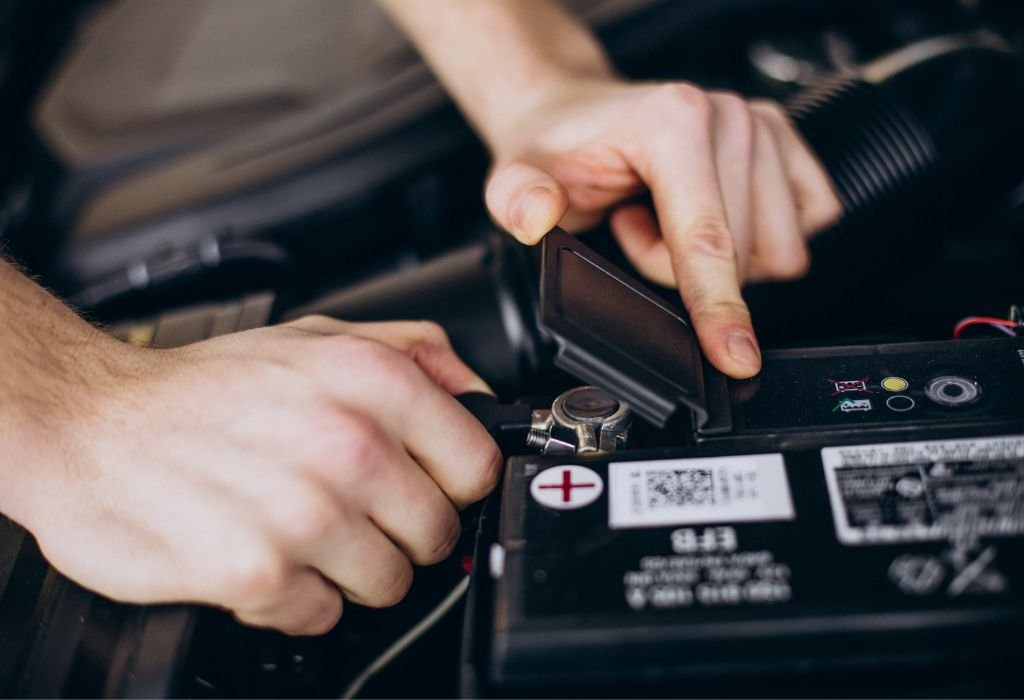
Instead of improvising with drill batteries, experts recommend portable lithium jump starters designed specifically for automotive use. These devices safely deliver high current output with built-in protections for both the vehicle and the user.
Traditional jumper cables remain a reliable, low-cost option if another vehicle is available. Properly connected, they provide sufficient power to crank most engines safely.
Manual transmission vehicles offer another alternative through push-starting. By rolling the car and engaging the clutch, the engine can sometimes start without external electrical power if the battery isn’t completely dead.
For long-term reliability, carrying a compact emergency battery pack ensures readiness without risking damage to tools or car electronics during breakdowns.
Q&A Section
Are portable jump starters effective?
Yes, they’re designed for safe, high-current delivery.
Do jumper cables still work well?
Yes, if another running vehicle is available.
Can push-starting help in emergencies?
Yes, for manual cars if the battery has minimal charge.
Are solar chargers good for starting cars?
No, they charge slowly and can’t provide starting current.
Should roadside assistance be called instead?
Yes, professionals offer safe, reliable help quickly.
Future Tech — Could Drill Batteries Evolve for This Use?
Battery technology continues advancing, raising questions about whether future cordless tool batteries might safely start vehicles. Higher energy density, improved discharge rates, and smarter Battery Management Systems (BMS) could change current limitations.
Some manufacturers experiment with modular battery packs capable of powering multiple devices, from tools to portable power stations. In theory, these packs might one day handle car-starting demands under controlled conditions.
Electric vehicles (EVs) already blur lines between automotive and portable power solutions. As 12V systems phase out in favor of integrated battery architectures, emergency starting methods may shift entirely.
However, until standardized safety features and current-regulating technology improve, experts doubt cordless drill batteries will become practical emergency car starters anytime soon.
Q&A Section
Could future batteries handle car starting power?
Possibly, with improved discharge and safety systems.
Are modular power packs being developed?
Yes, some companies explore multi-use battery platforms.
Will EV technology change jumpstarting methods?
Yes, integrated systems may remove 12V batteries entirely.
Could smart BMS allow safe current spikes?
Potentially, with advanced current-limiting controls.
Is this technology available now?
Not yet for consumer-grade cordless drill batteries.
Conclusion — Can You Start a Car With a Cordless Drill Battery?
While technically possible under rare, ideal conditions, starting a car with a cordless drill battery remains highly impractical and unsafe. The lack of cold-cranking amps, risks to vehicle electronics, and fire hazards make it unsuitable for real emergencies.
Experts consistently recommend using portable jump starters, jumper cables, or professional roadside assistance instead. These solutions provide reliable power delivery without risking damage to tools or vehicles.
Future battery innovations may eventually close the gap between portability and automotive power needs, but current technology isn’t ready for that role yet. Until then, sticking with proven methods remains the safest approach.
Planning ahead with proper emergency gear ensures peace of mind and avoids the dangers of improvising with equipment never designed for starting cars.
Q&A Section
Can you start a car with a cordless drill battery today?
Not safely or reliably for most vehicles.
What’s the best alternative right now?
Portable lithium jump starters or traditional jumper cables.
Are there risks to trying this method?
Yes, including fire hazards and ECU damage.
Could future batteries make it possible?
Maybe, with improved current delivery and safety systems.
What’s the smartest approach to dead batteries?
Prepare with proper tools instead of improvising dangerously.

I’m John F. Nicholas, the founder, lead writer, and drill enthusiast behind 101drill.com. With years of hands-on experience in power tools and DIY projects, I created this platform to share practical knowledge, expert tips, and real-world insights to help others master the art of drilling.