
A weekend project comes to a sudden stop when the cordless drill battery dies halfway through tightening the last few screws.
The question arises: can you repair cordless drill batteries safely at home, or is replacing them the only option?
This curiosity is growing as replacement batteries can cost nearly 40–60% of the price of a new drill kit (Consumer Reports).
Many DIY enthusiasts and homeowners wonder if dead drill batteries can be revived, saving money while reducing electronic waste.
Global e-waste is expected to reach 74 million metric tons by 2030, and repairing batteries instead of discarding them can make a difference (UNEP).
Some battery failures result from simple issues like cell imbalance or over-discharge, which can often be fixed with the right tools and techniques.
Others involve permanent damage where repair attempts could be unsafe or impractical, requiring professional disposal instead.
Understanding the difference between repairable and non-repairable conditions helps avoid unnecessary risks while maximizing battery life.
This guide explores common causes of battery failure, safe repair methods, preventive maintenance tips, and when replacement is the smarter choice.
By the end, you will know exactly how to diagnose dead drill batteries, what tools to use, and the safest way to bring them back to life—or decide when to retire them responsibly.
Can You Repair Cordless Drill Batteries? Quick Answer
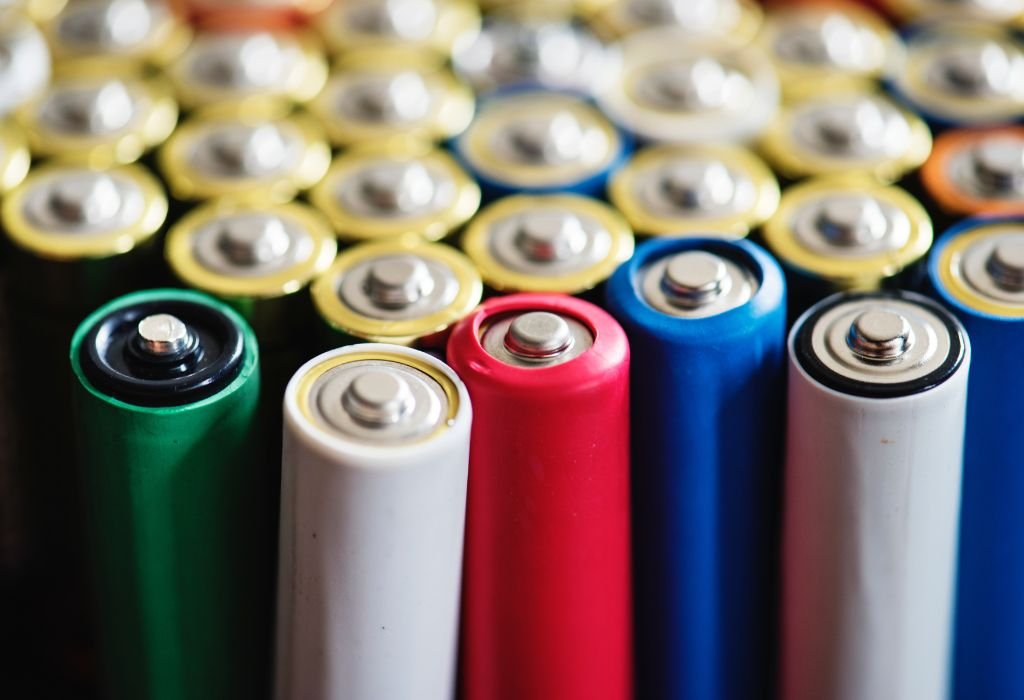
Cordless drill batteries can often be repaired if the problem involves issues like deep discharge, cell imbalance, or loose connections rather than permanent cell damage. These problems are common after long-term use, poor charging habits, or storing batteries without regular recharging cycles.
However, not every dead battery is repairable, especially if there are signs of severe corrosion, physical damage, or leaking electrolyte inside the pack. In such cases, replacement is safer and often more cost-effective than attempting repairs.
Simple repair methods may involve reconditioning cells to restore capacity, replacing individual dead cells, or balancing voltage levels inside the battery pack. These methods can revive weak batteries if done correctly with the right tools and knowledge.
Safety precautions are essential because drill batteries store significant energy and can overheat or short-circuit during improper handling. Protective gear, proper tools, and a basic understanding of electrical safety help minimize risks while performing repairs.
Q&A Section
Can you repair cordless drill batteries at home?
Yes, minor issues like imbalance or deep discharge can often be fixed safely.
Are all repairs successful?
No, some batteries are too damaged to recover capacity safely.
Is it safe to repair lithium-ion batteries?
Yes, but only with the correct tools, knowledge, and protective gear.
Do repaired batteries perform like new ones?
Sometimes they regain good capacity, but lifespan may still be shorter.
Do all cordless drill batteries fail the same way?
No, failures vary based on battery chemistry, age, and maintenance.
Common Reasons Cordless Drill Batteries Fail
Most cordless drill batteries fail due to overcharging, deep discharging, excessive heat, or aging cells losing capacity over time. Continuous exposure to extreme temperatures, either during use or storage, accelerates internal degradation.
Overcharging or leaving batteries plugged in for too long damages cells by creating chemical imbalances inside the pack. Similarly, deep discharging — letting the battery run completely flat — stresses cells and reduces their ability to hold charge.
Physical damage from drops, vibrations, or moisture can cause internal short circuits and corrosion, making repairs more dangerous. Aging also plays a role, as most drill batteries have a limited charge cycle lifespan before performance drops significantly.
NiCad batteries may also suffer from the memory effect, where partial charging creates reduced capacity over time. Lithium-ion batteries avoid this issue but have their own risks like overheating if charging safety circuits fail.
Q&A Section
What causes most cordless drill batteries to fail?
Overcharging, deep discharging, extreme heat, and aging cells.
Do bad chargers damage batteries?
Yes, faulty chargers can overcharge or fail to balance cells properly.
Does dropping a battery ruin it permanently?
Yes, physical shocks may break connections or cause internal shorts.
Do lithium-ion batteries suffer memory effect issues?
No, this problem mostly affects NiCad battery technology.
Does battery age affect capacity?
Yes, older batteries naturally lose runtime after hundreds of cycles.
Types of Cordless Drill Batteries — NiCad vs. Lithium-Ion
Cordless drills typically use Nickel-Cadmium (NiCad) or Lithium-Ion (Li-ion) batteries, each offering distinct advantages and drawbacks. NiCad batteries are more rugged and cheaper but suffer from heavier weight, shorter runtime, and memory effect problems over time.
Lithium-ion batteries are lighter, charge faster, and provide longer runtime per charge compared to NiCad packs. However, they cost more upfront and require built-in safety circuits to prevent overheating, overcharging, or deep discharge damage.
NiCad batteries are easier to recondition because they tolerate full discharge cycles and voltage balancing techniques. Lithium-ion packs require more caution during repairs since mishandling cells can lead to overheating or reduced lifespan.
Choosing the right battery chemistry depends on budget, drilling frequency, and repair preferences. NiCad packs remain popular for budget tools, while lithium-ion dominates modern cordless drill technology for performance and convenience.
Q&A Section
Which battery type lasts longer in cordless drills?
Lithium-ion batteries typically provide longer lifespan and runtime.
Are NiCad batteries easier to repair?
Yes, they tolerate reconditioning better than lithium-ion cells.
Do lithium-ion batteries cost more to replace?
Yes, but they offer better efficiency, power output, and charging speed.
Can chargers be swapped between NiCad and lithium-ion packs?
No, each battery type needs its own compatible charger.
Is memory effect a problem for lithium-ion batteries?
No, only NiCad batteries experience memory effect issues.
Tools & Safety Gear for Battery Repair
Repairing cordless drill batteries requires the right diagnostic tools and protective equipment to ensure safety and accuracy. A multimeter checks cell voltage, while a soldering iron with temperature control helps reconnect or replace faulty cells safely.
Protective gear such as insulated gloves, safety goggles, and a fire-resistant workspace prevents accidents during disassembly or testing. A plastic or wooden work surface reduces the risk of accidental short circuits when handling exposed battery terminals.
A battery charger with diagnostic functions is useful for rebalancing cells after repair or reconditioning cycles. Using original manufacturer chargers prevents overcharging and maintains battery longevity.
Keeping a fire extinguisher rated for electrical fires nearby adds another layer of safety, especially when working with lithium-ion cells prone to thermal runaway under stress. Storing batteries in fireproof containers during and after repairs minimizes hazards further.
Q&A Section
What tools are essential for battery repair?
A multimeter, soldering iron, charger, and insulated hand tools.
Why is protective gear necessary during repairs?
It prevents burns, electric shocks, and accidental injuries.
Can regular chargers damage repaired batteries?
Yes, using the wrong charger can overcharge or misbalance cells.
Is a fire extinguisher required for small repairs?
Yes, especially with lithium-ion batteries due to thermal risks.
Does the work surface material matter?
Yes, non-conductive surfaces reduce accidental short-circuit risks.
Step-by-Step Guide — How to Repair Cordless Drill Batteries Safely
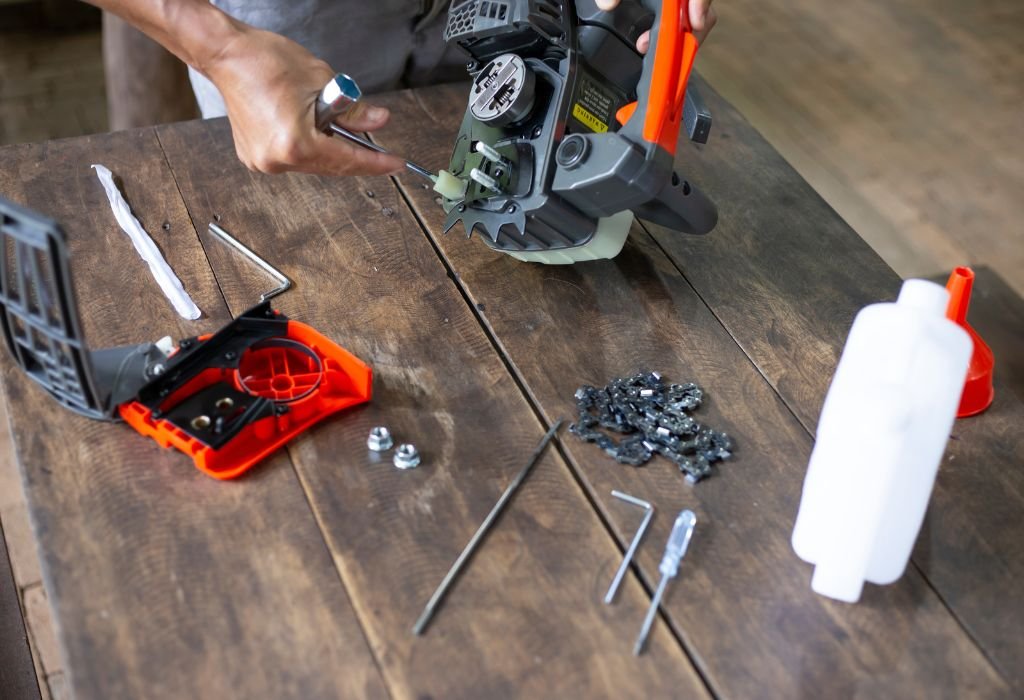
Begin by removing the battery pack from the drill and opening its casing with the appropriate screwdriver or prying tool. Use a multimeter to test each cell’s voltage, identifying weak or dead cells causing performance loss.
Discharge the battery fully if working with NiCad packs, as this helps rebalance cell voltage levels before replacement or reconditioning. For lithium-ion packs, avoid complete discharge to prevent permanent cell damage or safety risks.
Replace damaged or weak cells with new, compatible ones matching the original voltage and capacity ratings. Solder connections carefully using proper polarity alignment to avoid damaging the battery management system.
After reassembly, place the battery pack on a diagnostic charger to perform balancing or conditioning cycles. Test the battery under load to confirm restored capacity and stable performance before regular use.
Q&A Section
How do you find dead cells in a battery pack?
Use a multimeter to measure individual cell voltages accurately.
Can anyone repair drill batteries at home?
Yes, with proper tools, knowledge, and safety precautions.
Do lithium-ion batteries need special care?
Yes, they require precise handling to avoid overheating or shorting.
Is soldering safe for battery repairs?
Yes, if done quickly with temperature-controlled tools.
Do repaired batteries need balancing afterward?
Yes, balancing ensures even charge distribution across all cells.
Reconditioning vs. Repair — What’s the Difference?
Repair involves physically replacing faulty cells or connections, restoring the battery to working condition. Reconditioning restores capacity in existing cells using controlled charge-discharge cycles without replacing internal components.
NiCad batteries benefit most from reconditioning because it reduces the memory effect caused by repeated partial discharges. Lithium-ion packs rarely suffer memory effect issues but may regain some lost capacity through cell balancing.
Reconditioning typically requires a smart charger with conditioning modes that automate the process safely. Manual discharge and recharge methods work too but require close monitoring to prevent over-discharge damage.
Repair and reconditioning can be combined, where faulty cells are replaced first, then the pack undergoes conditioning cycles to optimize overall performance. This approach extends the battery’s lifespan while restoring full capacity safely.
Q&A Section
Is reconditioning better than replacing cells?
It depends; reconditioning helps if cells are weak but not dead.
Do reconditioned batteries last as long as new ones?
No, they regain capacity but may not match factory-new runtime.
Can lithium-ion batteries be reconditioned?
Yes, through controlled balancing cycles with smart chargers.
How often should reconditioning be done?
Only when capacity drops noticeably, not as routine maintenance.
Does reconditioning save money long term?
Yes, it delays the need for costly replacements when done correctly.
Preventive Maintenance Tips for Cordless Drill Batteries
Proper maintenance extends the lifespan of cordless drill batteries and reduces the need for frequent repairs or replacements. Charging batteries only when needed prevents overcharging, which is a leading cause of cell degradation.
Storing batteries in a cool, dry environment protects them from heat and moisture damage, both of which accelerate aging. Avoid leaving packs inside vehicles or near heat sources where temperatures fluctuate significantly.
Clean battery terminals periodically using a dry cloth or contact cleaner to maintain strong electrical connections. Dirty terminals increase resistance, leading to reduced power transfer and inefficient charging cycles.
Use the charger recommended by the manufacturer to prevent voltage mismatches that shorten battery life. After charging, remove the battery from the charger to avoid trickle charging, which can stress cells over time.
Q&A Section
How can I extend cordless drill battery life?
Charge only when needed and store in a cool, dry place.
Does overcharging damage batteries permanently?
Yes, it creates heat and imbalance, reducing overall capacity.
Should batteries stay on chargers after full charge?
No, remove them to prevent unnecessary trickle charging stress.
Do dirty terminals affect charging speed?
Yes, poor connections slow charging and reduce efficiency.
Are all chargers safe for drill batteries?
No, always use the original or manufacturer-approved charger.
When to Replace Instead of Repair
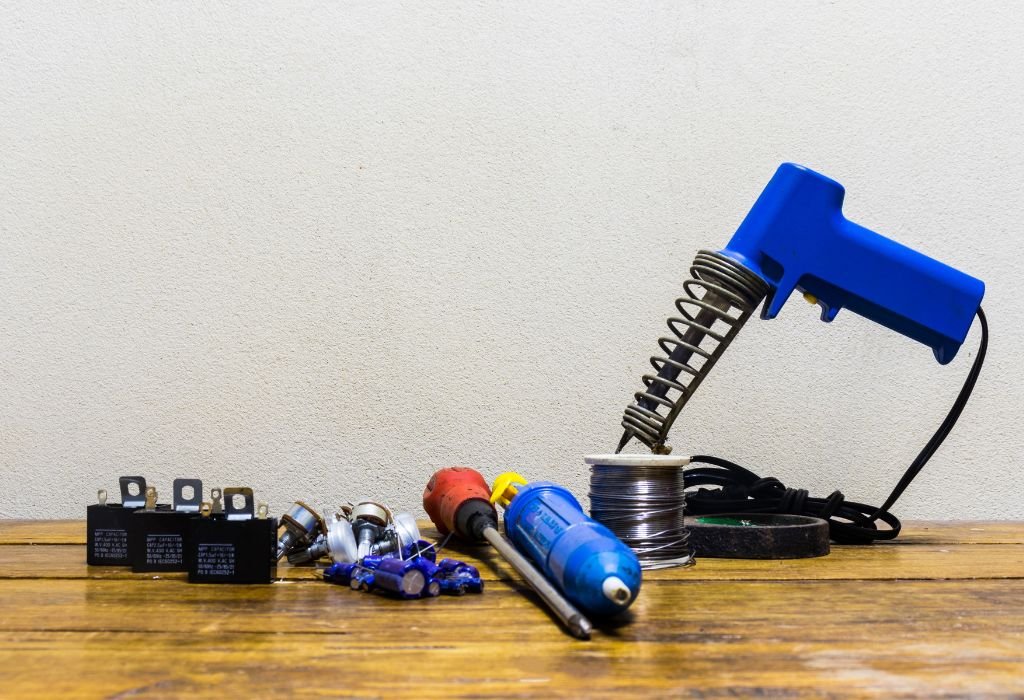
Some cordless drill batteries reach a point where repairs are unsafe or uneconomical compared to replacement. Signs include leaking electrolyte, swollen cells, or severe corrosion inside the battery casing.
If a battery repeatedly fails after repairs or holds less than 50% of its original capacity, replacement becomes more cost-effective. Repair attempts on severely degraded packs may fail quickly, wasting time and materials.
Modern lithium-ion batteries with damaged battery management systems (BMS) often cannot be safely repaired at home. Specialized equipment and expertise are needed for these repairs, making professional or OEM replacement safer.
Replacements also make sense when compatible refurbished or aftermarket packs cost significantly less than repairing the old battery. Recycling old packs responsibly ensures environmental safety while switching to newer technology.
Q&A Section
When is battery repair unsafe?
When there are leaks, swelling, or severe internal corrosion.
Do repaired batteries always regain full capacity?
No, heavily degraded cells rarely return to factory performance.
Are aftermarket batteries worth considering?
Yes, if they meet quality and compatibility standards.
Do lithium-ion packs need professional repairs?
Yes, especially if the BMS or charging circuits are damaged.
Is recycling old batteries mandatory?
Yes, to prevent hazardous waste from harming the environment.
Environmental Benefits of Repairing Batteries
Repairing and reconditioning cordless drill batteries help reduce electronic waste, which is growing globally at alarming rates. Millions of discarded batteries end up in landfills, leaking harmful chemicals into soil and groundwater.
According to the United Nations Environment Programme, e-waste is expected to exceed 74 million metric tons annually by 2030 (UNEP). Repairing batteries instead of replacing them helps reduce this burden significantly.
Reconditioning batteries delays the need for manufacturing new cells, which require mining lithium, cobalt, and nickel — processes with heavy environmental footprints. Extending battery life lowers demand for these finite natural resources.
Many local recycling centers and manufacturers now offer battery take-back programs for old or unusable packs. Combining repair efforts with responsible recycling creates a sustainable approach to cordless tool ownership.
Q&A Section
Does repairing batteries reduce environmental harm?
Yes, it cuts down on e-waste and raw material consumption.
Can old cells be recycled safely?
Yes, specialized facilities handle hazardous components properly.
Do repair programs lower battery production demand?
Yes, fewer replacements mean fewer resources mined for new cells.
Are battery recycling programs widely available?
Yes, many regions now have drop-off points for old batteries.
Does extending battery life save money and the planet?
Yes, it reduces costs while minimizing environmental impact.
Future Trends in Cordless Drill Battery Technology
Battery technology is evolving rapidly to address performance, safety, and environmental concerns. Manufacturers are researching solid-state batteries that promise higher energy density, faster charging, and improved safety compared to current lithium-ion cells.
Smart chargers with AI-based charging algorithms are becoming more common, reducing the risk of overcharging and extending battery lifespan automatically. These chargers can also monitor cell health, providing diagnostics to users before issues worsen.
Recycling-focused designs aim to make future batteries easier to disassemble and repair, lowering environmental impact. Modular packs with replaceable cells may allow homeowners to repair individual components instead of discarding entire packs.
Companies are also experimenting with eco-friendly materials for electrodes and electrolytes, reducing reliance on rare metals like cobalt. This shift will make future battery production more sustainable and ethically sourced.
Q&A Section
Are solid-state batteries safer than lithium-ion?
Yes, they reduce fire risks and offer longer cycle life.
Will future chargers prevent battery damage automatically?
Yes, smart chargers use algorithms to stop overcharging and overheating.
Are modular batteries coming to power tools?
Yes, designs with replaceable cells are in development.
Will eco-friendly materials replace current battery metals?
Yes, research is exploring alternatives to cobalt and lithium.
Do future trends aim at cost reduction too?
Yes, improved efficiency and materials may lower production costs.
Conclusion — Can You Repair Cordless Drill Batteries Safely at Home?
Cordless drill batteries can often be repaired or reconditioned safely if the damage is minor, such as voltage imbalance or weak cells. Using the right tools, safety precautions, and repair methods restores capacity while saving money and reducing waste.
However, not all batteries are worth repairing, especially those with severe damage, leaks, or repeated failures. In these cases, replacement combined with responsible recycling offers a safer and more practical solution.
Preventive maintenance, proper charging practices, and periodic reconditioning extend battery lifespan significantly. These steps reduce e-waste, minimize costs, and keep cordless tools running reliably for years.
Future technology will bring smarter chargers, safer chemistries, and modular designs, making battery care and repair easier for homeowners and professionals alike. Repairing batteries responsibly benefits both your wallet and the environment.
Q&A Section
Can you repair cordless drill batteries safely at home?
Yes, with proper tools, precautions, and repair techniques.
When should a battery be replaced instead of repaired?
When it shows leaks, swelling, or repeated failures after fixes.
Does preventive maintenance really extend battery life?
Yes, proper care prevents many common battery problems.
Will future batteries be easier to repair?
Yes, modular and recyclable designs are already in development.
Is repairing batteries environmentally friendly?
Yes, it reduces e-waste and conserves natural resources.

I’m John F. Nicholas, the founder, lead writer, and drill enthusiast behind 101drill.com. With years of hands-on experience in power tools and DIY projects, I created this platform to share practical knowledge, expert tips, and real-world insights to help others master the art of drilling.