
You’ve set up your drill press, clamped the workpiece, and inserted a regular bit. The motor hums, the bit spins — and suddenly there’s smoke, wobble, or a rough hole edge.
That’s when most people ask: do drill presses need special bits, or can regular ones handle the job?
At first glance, all bits look the same, but under pressure, the difference becomes clear. A drill press applies consistent vertical force and torque that handheld drills never match.
According to OSHA data, more than 25% of drill press accidents occur because of improper bit choice or setup. Another tooling industry study found that selecting the right drill bit improves hole accuracy by up to 40% and extends tool life by 60%.
In this article, we’ll uncover whether drill presses actually need special bits, when regular bits are fine, and which types deliver the best results for wood, metal, and precision work.
Understanding What Makes a Drill Press Different
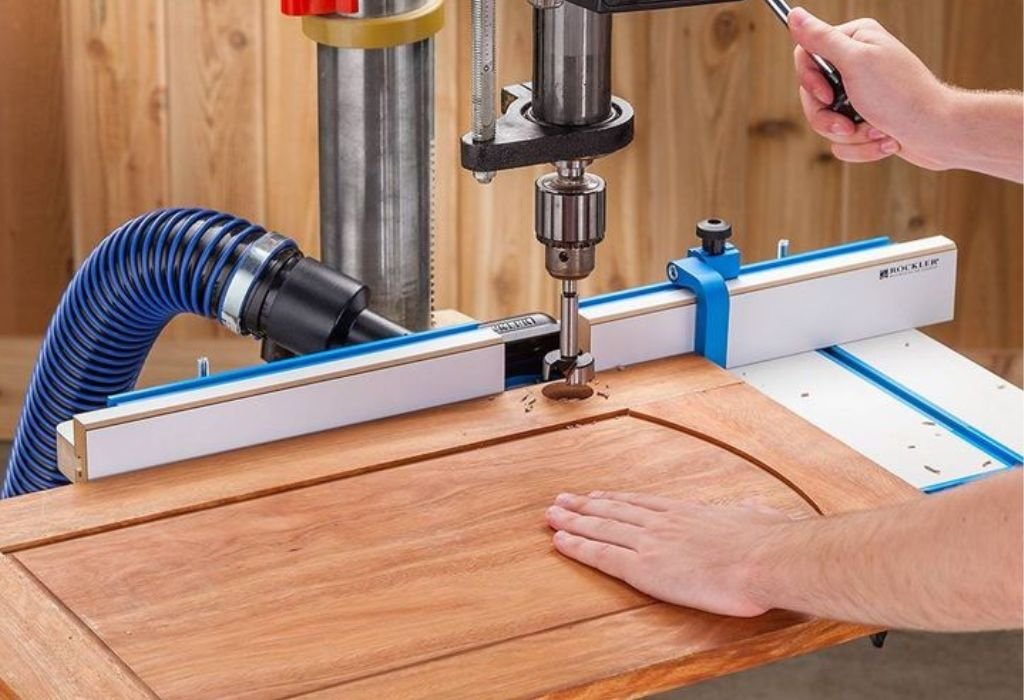
A drill press doesn’t just spin faster — it applies steady downward pressure and perfect alignment every time. This constant torque demands bits that can handle heat, pressure, and precision.
Regular handheld drill bits often flex, chatter, or drift off-center under such pressure. The result is rough holes, burned surfaces, or even broken bits.
Because a drill press operates at fixed angles and speeds, it needs bits designed to stay rigid, cut cleanly, and resist overheating. That’s why choosing the right bit type makes such a big difference in performance.
Do Drill Presses Need Special Bits?
The short answer is yes — drill presses often benefit from special bits. Regular bits will fit, but they’re not always ideal for vertical, high-torque drilling.
Special bits are designed to stay stable under consistent pressure and maintain accuracy. They handle heat better and create smoother holes with less vibration.
When Regular Bits Work Fine
Regular bits work perfectly for light-duty tasks like drilling softwood, plywood, or plastic. If the bit is sharp, short, and well-centered, you’ll get clean results without issues.
For example, a standard 1/8″ high-speed steel bit is ideal for pilot holes in pine or MDF. It’s simple, inexpensive, and efficient for everyday DIY work.
When Special Bits Are Needed
Special bits become essential when drilling hard metals, dense hardwoods, or deep holes. These jobs generate more friction, heat, and torque than regular bits can handle.
If you’re drilling stainless steel or cast iron, a cobalt or carbide-tipped bit is necessary. These bits maintain sharpness and resist the heat buildup that ruins standard ones.
What Are “Special Bits” for Drill Presses?
Special drill press bits are engineered to handle heavy pressure and precision. They often feature thicker shanks, advanced coatings, and optimized flute designs for cleaner chip removal.
Here are the most common types:
Brad-point bits — Ideal for wood, prevent wandering and create clean entry holes.
Cobalt bits — Built for hard metals and high heat resistance.
Carbide-tipped bits — Perfect for tough materials like cast iron or composites.
Forstner bits — Used for woodworking when flat-bottom holes are needed.
Step bits — Great for drilling multiple hole sizes in thin sheet metal.
Each of these is considered a “special bit” because it’s built to match the precision and torque of a drill press.
Key Differences Between Regular Bits and Drill Press Bits
Material and Coating
Regular bits are usually made from high-speed steel (HSS) — affordable but prone to dulling under heavy use. Drill press bits use cobalt, carbide, or titanium coatings to resist heat and stay sharper longer.
Cobalt bits, for example, maintain edge strength even when drilling hardened steel. Titanium-coated bits reduce friction, which extends their lifespan.
Geometry and Shank Design
Regular bits have flexible shanks that can wobble in the chuck. Special bits feature reinforced or reduced shanks for perfect centering and less run-out.
That tighter grip ensures smoother, more accurate holes — especially at high speeds.
Cutting Speed and Performance
Drill press bits are optimized for controlled, slower RPMs and consistent chip evacuation. Regular bits can overheat or chatter when pushed under the press’s constant pressure.
For instance, a Forstner bit in a drill press cuts clean, flat holes, while a regular twist bit in the same setup leaves rough edges and burns.
How to Choose the Right Drill Bit for Your Drill Press
Match Bit Type to Material
Each material demands the right bit:
- Wood: Use brad-point or Forstner bits.
- Metal: Use cobalt or carbide bits.
- Plastic: Use polished-flute bits at moderate speeds.
Choosing the right bit ensures efficiency, precision, and safety.
Consider Speed and Feed Rate
Drill press bits are rated for specific speed ranges and feed pressures. Running too fast creates heat; too slow can cause chipping. Check a speed chart for your material and bit size before starting.
Check Bit Length and Rigidity
Shorter bits reduce vibration and deflection. Longer bits should only be used when necessary — drill press bits are designed to stay rigid even under full quill pressure.
Benefits of Using the Right (Special) Drill Bit in a Drill Press
Improved Accuracy and Clean Holes
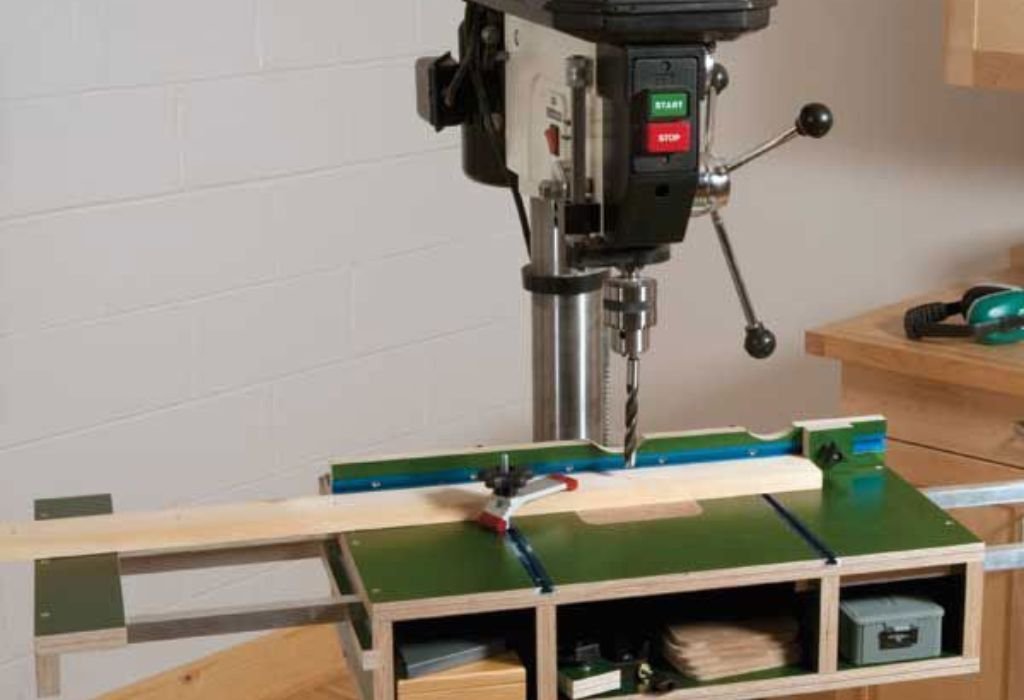
A drill press paired with the right bit ensures straight, consistent holes without tear-out or drift. Every cut follows the intended path precisely.
Longer Bit Life and Less Heat
Special bits handle friction and temperature far better, maintaining their sharpness over hundreds of holes. Less heat means less wear.
Reduced Risk of Damage or Injury
Properly matched bits minimize binding, slipping, or sudden grabbing, protecting both the user and the machine.
Better Finish and Professional Results
Whether you’re drilling metal, hardwood, or plastic, the right bit leaves a clean, polished finish that looks professional every time.
Common Mistakes When Using Regular Bits in a Drill Press
Many beginners assume any bit that fits the chuck will work. That’s a costly mistake.
Common issues include using dull bits, running at incorrect speeds, and skipping lubrication for metal drilling. These small errors can overheat bits, cause chatter, and ruin both the workpiece and the drill.
For example, a standard twist bit used on stainless steel can burn out in minutes, leaving discolored holes and a damaged cutting edge.
Do You Always Need Special Bits?
Not always — but knowing when to use them makes all the difference.
If you’re drilling softwood, plastic, or thin aluminum, regular bits are fine. For hard metals, precision fits, or deep bores, special bits are the smart choice.
So, do drill presses need special bits? For casual woodworking, not necessarily. For professional or heavy-duty work, absolutely yes — the machine’s power and accuracy demand bits that match its capability.
Conclusion
Drill presses don’t always require special bits, but using them elevates performance and safety. Regular bits work for light projects, but specialized ones deliver cleaner holes, better accuracy, and longer life.
The type of bit you choose should match your material, speed, and drilling depth. That’s the key to unlocking your drill press’s full potential.
Before your next project, double-check your bit type, inspect its sharpness, and use the correct speed. The right bit doesn’t just make drilling easier — it makes it safer, faster, and far more precise.

I’m John F. Nicholas, the founder, lead writer, and drill enthusiast behind 101drill.com. With years of hands-on experience in power tools and DIY projects, I created this platform to share practical knowledge, expert tips, and real-world insights to help others master the art of drilling.