
Buying a drill press can feel overwhelming when you see so many sizes and models on the market.
Some people buy one that’s too small and quickly regret it, while others waste money on a giant machine that never gets fully used.
According to Wood Magazine, over 60% of hobbyists outgrow their first drill press within a year because they underestimate future project needs.
The right drill press size depends on your workpiece dimensions, materials, and the type of precision drilling you expect.
This guide will help you understand exactly how big of a drill press you need, what specifications matter, and how to match your projects to the perfect size.
Understanding Drill Press Sizing Basics
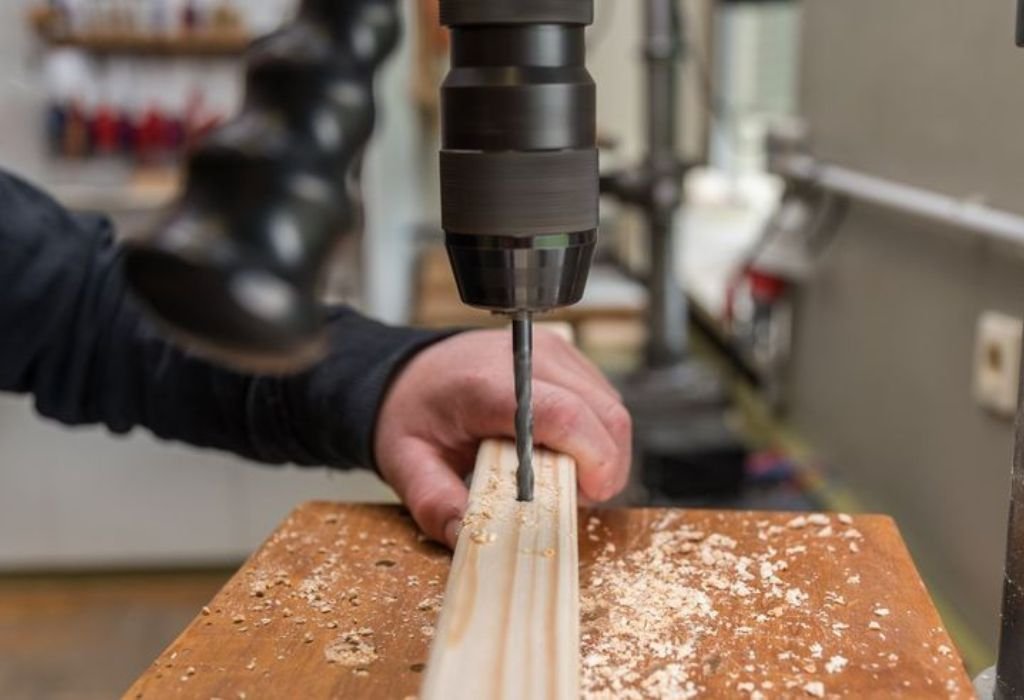
Before you can choose the right size, you need to understand how drill press sizing is defined.
Terms like swing, quill travel, and throat depth determine what kind of jobs the machine can handle.
What Does “Size” Mean for a Drill Press?
Drill press size is primarily defined by its swing.
The swing is twice the distance from the spindle center to the column, representing the largest diameter you can drill in the center of a workpiece.
What is the swing of a drill press?
The swing measures the maximum workpiece diameter the drill press can handle when drilling in the center.
What is quill or spindle travel?
It’s the depth that the spindle can move downward — determining how deep a hole can be drilled or how tall a workpiece can fit.
Why does the column-to-spindle distance matter?
It limits how far you can position the workpiece before it hits the column, affecting overall drilling area.
How does the table size factor in?
A larger table provides better clamping, stability, and support for wide materials.
When does swing become critical?
Swing matters most when you’re working with large panels or wide materials that require drilling near the center.
Bench vs Floor Models – Capacity Differences
Drill presses generally come in two major categories: benchtop and floor models.
The choice between them depends on your space, material size, and workload.
What is a benchtop drill press?
A benchtop drill press is compact and mounted on a workbench, ideal for small to medium projects and tight workshops.
When is a floor model needed?
Floor drill presses are designed for heavy-duty work, large parts, and deeper drilling depth, suitable for professional use.
Does larger size always mean better performance?
Not always — a bigger press may offer more capacity but can also be overkill for lightweight or infrequent use.
What is the main advantage of a floor model?
Greater swing range, deeper quill travel, more power, and increased stability.
What if your space is limited?
A quality 10- or 12-inch benchtop model can still perform most woodworking or light metal drilling tasks efficiently.
Key Factors to Consider When Choosing Drill Press Size
Choosing the right size means balancing multiple factors — not just swing.
Power, quill travel, and workspace all play an important role.
What workpiece size should influence your drill press choice?
Larger or wider materials need a bigger swing and a spacious table to allow safe clamping.
How does material type affect drill press size?
Hard metals like steel require more power and rigidity, meaning a larger machine with a stronger motor.
Why is motor power important?
A drill press with low horsepower can stall or overheat when drilling larger holes, especially in hardwood or metal.
What is the ideal motor range?
For most users, ⅓ to ¾ HP works well, while metal fabricators often need 1 HP or more for consistent torque.
How do space and footprint matter?
If your shop has limited space, choose a benchtop model with enough swing rather than a bulky floor press you can’t position properly.
Sizing Guidelines for Typical Workshop Scenarios
Different projects require different capacities.
Your ideal size depends on the type of materials and the depth of holes you usually drill.
What size drill press suits home woodworking?
A 10″–12″ swing benchtop model with around 4″ of spindle travel is perfect for most home projects.
What size works best for metal fabrication or larger pieces?
A 16″–20″ floor drill press provides stronger motors, deeper quill travel, and rigid support.
How much quill travel should you aim for?
Look for at least 4″ of travel; 5″ or more allows for deeper holes without repositioning the workpiece.
Does a bigger press always mean heavier and more stable?
Yes — larger floor presses are built from cast iron, offering more stability and vibration control.
Can you use a small press for large materials?
Only if you can position and clamp the workpiece safely — otherwise, you’ll quickly hit limitations.
Common Mistakes When Selecting Drill Press Size
Many users buy the wrong size because they focus on swing alone.
Other critical specs like quill travel, horsepower, and table design often get ignored.
What happens if your drill press is too small?
You’ll struggle with larger workpieces, hit the column, or be unable to drill deeply enough.
What are the drawbacks of going too large?
Oversized presses consume extra space, cost more, and can be cumbersome to move or adjust.
Why is ignoring quill travel a mistake?
Even with a large swing, insufficient spindle travel limits how deep you can drill.
Does run-out affect accuracy?
Yes, run-out (spindle wobble) directly affects hole precision — always check manufacturer tolerances.
How does build quality affect size choice?
A smaller but well-built press can outperform a large, low-quality one in both accuracy and durability.
How to Measure Your Needs and Match to Drill Press Size
Before buying, measure your largest workpiece and list your typical drilling tasks.
Compare those needs to each drill press specification sheet.
How do you measure the correct swing requirement?
Measure half the width of your largest workpiece and double it — that’s the swing you’ll need.
What should you look for in specifications?
Focus on swing, quill travel, horsepower, and table adjustability.
How important is table movement?
A table that tilts and moves vertically allows more flexibility for angled or offset drilling.
Should you account for clamping and accessories?
Yes, allow space for vises, jigs, or fences that can increase workpiece height.
How can you future-proof your purchase?
Choose a model that slightly exceeds your current needs, ensuring room to grow with larger projects.
Budgeting and Space Considerations for Drill Press Size
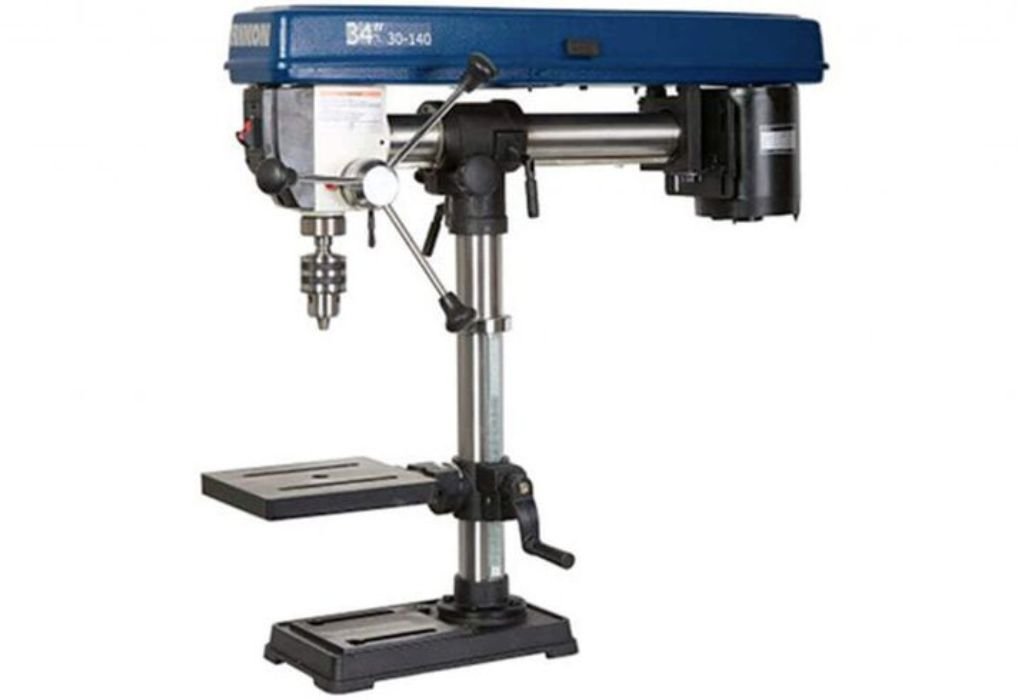
A bigger drill press often costs more and demands extra room.
Balancing features with your budget ensures you get the best value for your workspace.
Does a larger drill press always cost significantly more?
Typically yes — bigger swing and horsepower mean higher manufacturing and shipping costs.
How does shop space affect your decision?
Limited space often favors benchtop models, while larger workshops can accommodate full-size floor machines.
Which specifications should you prioritize when money is tight?
Prioritize spindle travel and power first; swing can be secondary if your projects are small.
Should you consider used models?
Yes, used industrial drill presses can provide high quality at a fraction of new prices.
What about long-term maintenance costs?
Bigger machines may have more expensive replacement parts and require more frequent lubrication.
Final Checklist and Recommendations
After comparing all specifications, you can narrow down the ideal drill press size for your projects.
The goal is to balance power, precision, and practicality without over- or under-buying.
What size fits most hobby shops?
A 10″–12″ benchtop press with around 4″ quill travel and ½ HP motor suits most home workshops.
When should you move up to a 16″–20″ floor press?
When drilling large holes in metal, long wood boards, or projects requiring deep precision holes.
Which spec matters most for long-term use?
Quill travel — it determines how much depth and versatility you’ll get from your machine.
How often should you re-evaluate your needs?
Every time you upgrade your tools or start larger projects, reassess if your current press still meets demands.
What’s the best rule of thumb?
Buy the largest press you can afford that still fits your space and covers your most frequent tasks.
Conclusion
Selecting how big of a drill press you need comes down to understanding swing, power, and purpose.
Buying too small limits your potential; buying too large wastes money and space.
If you mainly drill wood or small metal parts, a compact 10″–12″ benchtop press is plenty.
If your projects involve heavy-duty materials or deeper holes, upgrade to a 16″–20″ floor model with robust power.
The right choice gives you smooth drilling, accurate holes, and years of reliable performance.
Measure your needs, compare the specifications, and invest once in the right size — so your drill press grows with your skills.
Additional Statistics & Data
- Wood Magazine found that 62% of small-press owners upgrade within 12 months due to size limitations.
- Home Workshop Forum reports a 40% performance increase when moving from benchtop to floor models for heavy drilling.
- Average quill travel in consumer benchtop presses is 3.2 inches, while professional floor presses average 5.5 inches — a 72% increase in drilling depth capacity.
(Sources: woodandshop.com, rockler.com, practicalmachinist.com)

I’m John F. Nicholas, the founder, lead writer, and drill enthusiast behind 101drill.com. With years of hands-on experience in power tools and DIY projects, I created this platform to share practical knowledge, expert tips, and real-world insights to help others master the art of drilling.