
Drilling metal requires accuracy, patience, and the right drill press speed. The correct speed helps you cut cleanly, avoid overheating, and extend your drill bit’s life.
Choosing the wrong RPM can ruin both your bit and workpiece. So the big question is, what speed drill press for metal is best?
According to Metalworking Insider, most experts recommend using a drill press speed between 300 and 1,500 RPM for metal — lower speeds for hard steel and higher for aluminum or soft metals.
This guide explains how to choose the right speed, adjust your drill press, and avoid the most common mistakes when drilling metal.
Why Drill Press Speed Matters for Metal
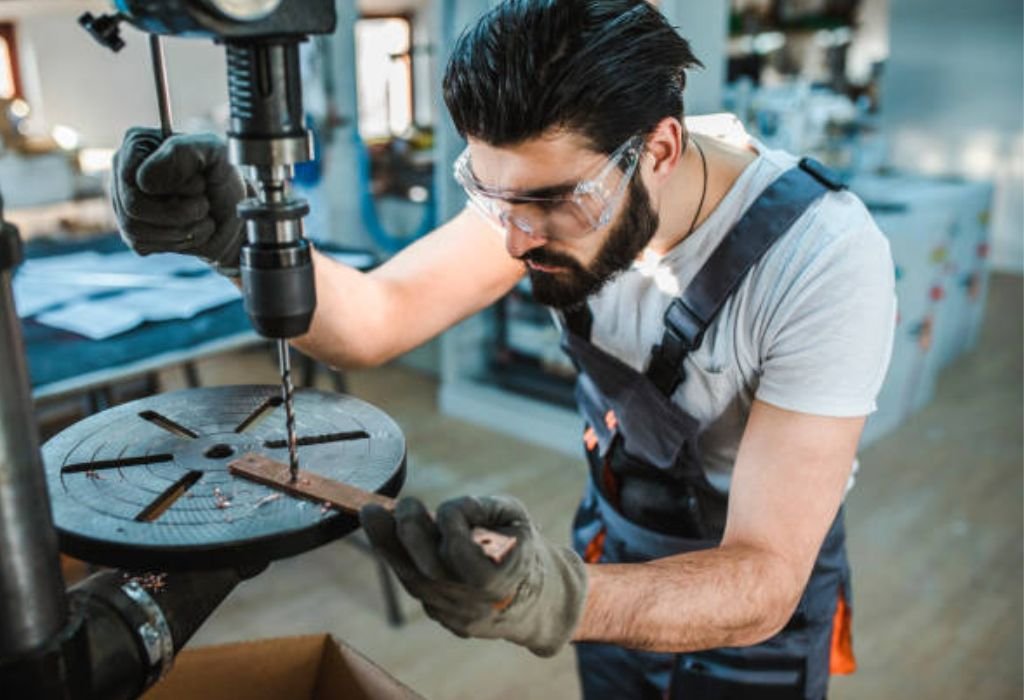
Speed controls how the bit interacts with the metal surface. Too high, and you risk heat buildup that softens or burns the bit.
Too low, and you get rough, choppy holes that require extra cleanup. The right speed balances cutting efficiency and heat control for a smooth, precise finish.
In metalworking, speed consistency means everything. A properly set RPM prevents vibration and ensures cleaner, straighter holes every time.
Understanding Drill Press Speeds (RPM)
Drill press speed is measured in revolutions per minute (RPM). Each metal type and bit size requires a specific RPM to maintain balance between cutting force and temperature.
Most modern drill presses include adjustable or variable-speed controls ranging from 200 to 3,000 RPM. For metal, the sweet spot is typically in the lower half of this range.
Remember this rule: harder metals and larger bits require slower speeds, while softer metals and smaller bits need faster rotation.
Recommended Drill Press Speeds for Metal
Here’s a general RPM chart you can follow for different metals using standard high-speed steel (HSS) bits:
| Material | Bit Size (inches) | Recommended RPM |
| Aluminum | 1/8″ | 2000–2500 |
| Aluminum | 3/8″ | 1000–1200 |
| Mild Steel | 1/8″ | 1200–1500 |
| Mild Steel | 3/8″ | 600–800 |
| Stainless Steel | 1/8″ | 700–1000 |
| Stainless Steel | 3/8″ | 300–500 |
| Cast Iron | 1/8″ | 600–900 |
| Cast Iron | 3/8″ | 250–400 |
Always use a steady feed rate and cutting oil when drilling metal. These two factors prevent heat buildup and ensure the bit lasts longer.
How Metal Type Affects Drill Press Speed
1. Aluminum
Aluminum is a soft, lightweight metal that allows for faster drilling speeds. Ideal RPM ranges from 1000 to 2500 depending on bit size. Use cutting fluid and clear chips regularly to prevent clogging.
2. Mild Steel
Mild steel requires moderate speeds between 600 and 1200 RPM. Slower speeds prevent overheating and warping. A sharp HSS or cobalt bit works best for clean cuts.
3. Stainless Steel
Stainless steel is tough and work-hardens quickly if overheated. Keep speeds between 300 and 600 RPM and always use cutting oil. Slow and steady pressure ensures a smooth, burr-free hole.
4. Cast Iron
Cast iron drills easily but can chip if drilled too fast. Stay under 800 RPM and use light pressure. Lubrication is optional since cast iron’s graphite content helps reduce friction naturally.
Bit Size and Drill Press Speed Relationship
As the bit diameter increases, your speed must decrease. Larger bits remove more material and generate higher friction, which raises heat.
For example, a ¼-inch bit on aluminum can run around 1800 RPM, while a ¾-inch bit on the same metal should slow down to 700 RPM. Always reduce speed as bit size increases.
If your drill press has no speed chart, start slow, test the cut, and gradually raise RPM until you find a smooth, steady cutting rhythm.
Cutting Oil and Cooling Importance
Metal drilling always produces friction, and friction generates heat. Using cutting oil is one of the easiest ways to cool both the bit and the material.
Apply a few drops of cutting oil, machine oil, or WD-40 before and during drilling. It helps reduce wear, improves chip removal, and extends bit life significantly.
For stainless steel or hard alloys, keep the bit constantly lubricated. Dry drilling on these metals can destroy a new bit in seconds.
Using Step Drills and Cobalt Bits
For thin sheet metal, step bits are the perfect choice. They create multiple hole sizes with less friction and cleaner edges.
Cobalt bits, made from M35 or M42 alloy, are ideal for harder metals like stainless or tool steel. They resist heat and stay sharp longer than standard HSS bits.
Always use slower speeds (300–800 RPM) for cobalt bits. Keep steady pressure without forcing the tool through the material.
Setting Drill Press Speed Correctly
Unplug the drill press before adjusting speed settings. Choose the belt or pulley combination that matches your desired RPM range.
Tighten the belts securely and test run the press briefly to confirm smooth rotation. For variable-speed models, start slow and gradually increase speed as you test the cutting action.
If you hear squealing or see smoke, stop immediately. That means your RPM is too high or your bit needs lubrication.
Common Mistakes When Drilling Metal
Running at full speed is one of the biggest beginner mistakes. Metal drilling demands patience and slower speeds.
Another mistake is skipping lubrication. Dry drilling not only ruins bits but also causes rough, uneven holes.
Using too much pressure or drilling without clamping the metal securely can cause chatter or bit breakage. Always let the bit do the work, not brute force.
Best Drill Press Features for Metalwork
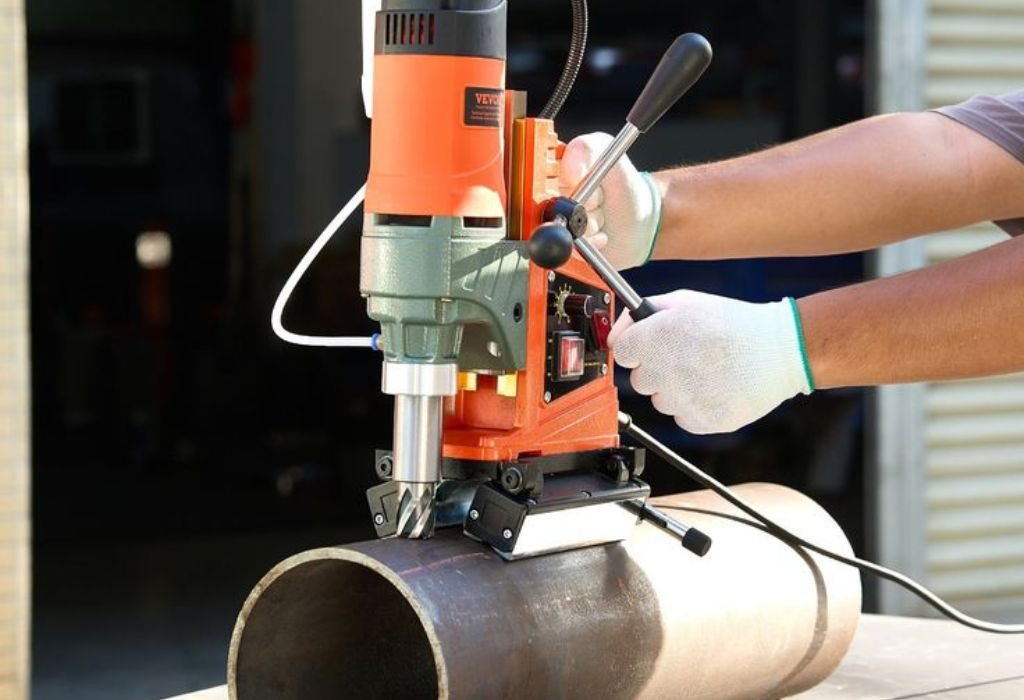
Look for a drill press that supports a speed range between 200 and 3000 RPM. Variable speed or digital control is ideal for precision adjustment.
A ½ HP or stronger motor ensures steady torque at low speeds. Choose a press with a cast-iron base to minimize vibration and improve accuracy.
Depth stop control and a laser or LED guide help you drill repeatable, centered holes safely.
FAQs About Drill Press Speed for Metal
1. What happens if I drill metal too fast?
Drilling too fast creates heat that dulls or melts the cutting edge of your bit. It can also cause burn marks or hardened spots in the metal surface.
2. Do I always need cutting oil for metal drilling?
Yes, especially for steel or stainless steel. Cutting oil cools the bit, prevents overheating, and gives smoother holes.
3. Can I use a wood drill bit for metal?
No. Wood bits are not designed for the hardness of metal and will dull quickly. Always use HSS or cobalt bits for metal projects.
4. What’s the ideal speed for drilling stainless steel?
Keep your drill press between 300 and 600 RPM for stainless steel. Use continuous lubrication and firm, consistent pressure.
5. Is variable speed necessary for metal drilling?
Yes. Different metals require different speeds, and variable speed control allows precise adjustments for each project.
Final Answer: What Speed Drill Press for Metal
The best drill press speed for metal depends on the hardness of the material and the size of your drill bit. For most projects, keep the speed between 300 and 1,500 RPM.
Hard metals like stainless steel perform best under 300–800 RPM, while softer metals like aluminum handle 1,000–2,500 RPM easily. Always use cutting oil, reduce speed for larger bits, and maintain even pressure.
Conclusion
Choosing the right drill press speed for metal ensures clean holes, extended tool life, and safe operation. Running too fast overheats your bit, while too slow causes rough, inefficient drilling.
Stay within the ideal range, match speed to material hardness, and always lubricate during the process. With proper setup and patience, your drill press will deliver perfect, professional-quality holes in any metal.

I’m John F. Nicholas, the founder, lead writer, and drill enthusiast behind 101drill.com. With years of hands-on experience in power tools and DIY projects, I created this platform to share practical knowledge, expert tips, and real-world insights to help others master the art of drilling.