
You’ve just bought a pack of M8 wall anchors to mount a heavy shelf. The drill hums steadily as you make the hole, confident that everything is perfectly measured.
But when you try inserting the anchor, it either slides in too easily or refuses to fit at all. The entire wall mount feels unstable, and frustration takes over.
This is one of the most common issues DIYers face — using the wrong drill bit size for the anchor or bolt. Even a 1 mm difference can mean the anchor won’t grip properly or may crack the masonry around it. In the world of precise fastening, “close enough” doesn’t work.
The M8 anchor or bolt is one of the most widely used in both home and industrial applications. It’s designed for medium to heavy loads, but only if the drilled hole matches perfectly. Using the wrong masonry drill bit size can compromise the anchor’s holding power, making it unsafe.
According to construction standards, an anchor’s strength is directly related to its embedment depth and hole accuracy. That means both hole diameter and depth must be precise.
In this detailed guide, you’ll learn exactly what drill bit size is ideal for M8 anchors and bolts, why accuracy matters, how to measure and test, and what mistakes to avoid. By the end, you’ll be able to achieve clean, snug-fitting holes for any M8 installation confidently.
Understanding M8 Anchors and Bolts
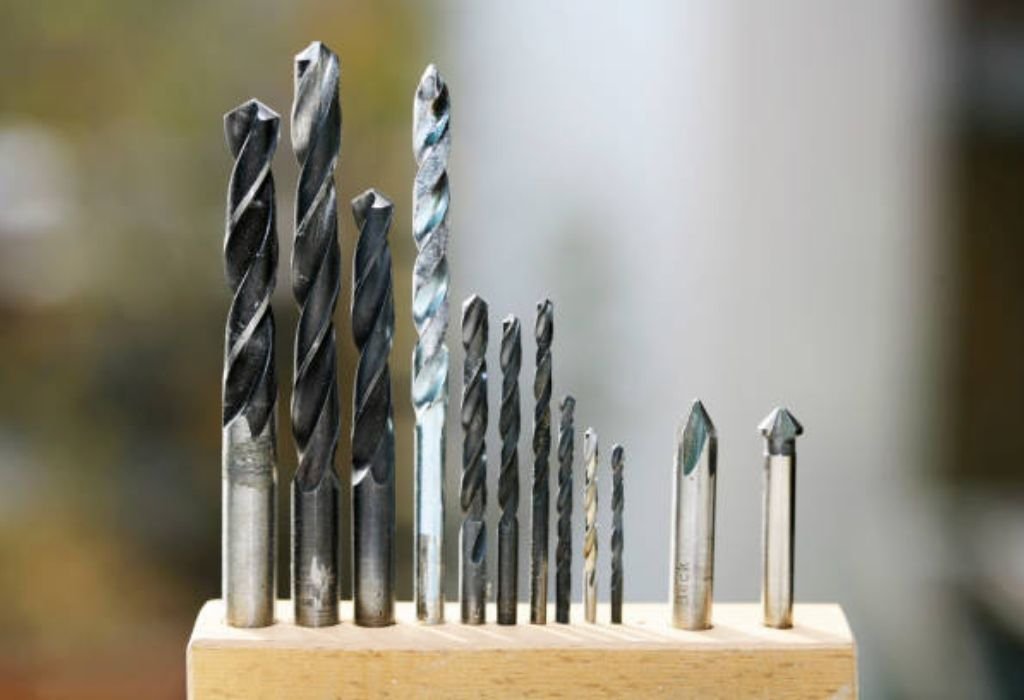
Before choosing the right drill bit, it’s important to understand what “M8” actually means. The “M” refers to the metric system, and the number 8 represents the outer diameter of the bolt or screw thread, which is 8 millimeters.
M8 fasteners are commonly used for mounting heavy brackets, handrails, shelves, and equipment. They can come in several forms: expansion anchors, sleeve bolts, through bolts, and chemical anchors. Each has slightly different fitting requirements.
Expansion anchors, for example, expand outward when tightened, gripping the hole walls firmly. That’s why the hole must not be too wide — otherwise, the anchor won’t expand securely. Sleeve anchors behave similarly but distribute pressure along a larger surface area.
Chemical or resin anchors, on the other hand, use adhesive to bond the bolt to the wall. For these, the hole must be slightly larger to allow resin flow.
Understanding your anchor type helps determine whether your drill bit should match the M8 diameter exactly or be slightly larger. Without this context, even the best drill bit won’t give proper results.
What Drill Bit Size Do You Need for an M8 Anchor
The general rule is simple: for an M8 expansion anchor, use an 8 mm masonry drill bit. This one-to-one ratio ensures a snug fit, allowing the anchor to expand fully when tightened.
However, variations exist depending on the anchor type and wall material. For plastic wall plugs labeled for M8 screws, the ideal drill bit size is often 8 mm or 8.5 mm, depending on brand specifications.
If you’re using M8 sleeve anchors or wedge bolts in dense concrete, the hole must be slightly wider to prevent jamming — typically 8.5 to 9 mm. For softer materials like lightweight block or brick, stay closer to 8 mm for a tighter grip.
In the case of chemical anchors, where resin fills the gap, a 10 mm drill bit works best for an M8 stud. The extra space allows even resin distribution around the bolt, improving pull-out strength.
Manufacturers always print the required drill size on anchor packaging. Following that specification is crucial. The correct hole size ensures maximum holding capacity and prevents premature failure.
Why the Correct Drill Bit Size Is Crucial for M8 Fasteners
A properly matched drill bit ensures that your M8 anchor or bolt performs to its rated load capacity. When the hole is too large, the anchor expands without adequate resistance, leading to a weak grip and possible pullout under stress.
If the hole is too small, inserting the anchor becomes difficult. Excessive force can damage the hole walls or even crack the surrounding brick or concrete. Once that happens, no amount of tightening will restore holding strength.
The correct hole diameter also ensures even expansion pressure. This distributes load across the anchor sleeve instead of concentrating stress at one point. Uneven stress leads to premature wear, slippage, or anchor rotation.
Additionally, using the right drill bit size preserves bit life and reduces vibration. Overstressing a bit in a small hole creates heat and friction, dulling the carbide tip quickly.
In safety-critical installations such as railings or wall-mounted cabinets, the consequences of a loose M8 anchor can be serious. That’s why accurate measurement and bit selection are non-negotiable.
How to Measure and Confirm Drill Bit Size for M8 Work
Always start by checking your drill bit markings. A quality masonry bit has its diameter engraved or printed near the shank. Look for markings like “8 mm,” “8.5 mm,” or “10 mm.”
If the label is worn or unreadable, use a digital caliper to measure across the widest part of the bit’s tip — the cutting edges. This measurement should match your required hole size.
For M8 anchors, the most common pairings are:
- M8 expansion anchor → 8 mm drill bit
- M8 sleeve bolt → 8.5 mm drill bit
- M8 chemical anchor → 10 mm drill bit
Before drilling, test-fit the bit into a sample anchor by inserting it gently into the sleeve. It should fit snugly without wobbling or excess clearance.
You can also drill a test hole in scrap material and check how the anchor seats. If it slides in too freely, go one size smaller; if it’s too tight to insert, increase the bit size by 0.5 mm.
Taking a few minutes to verify this step prevents major errors later, especially when drilling into expensive concrete or brick walls.
Drilling Technique for M8 Masonry Holes
Once you’ve selected the correct bit, it’s time to drill the hole properly. Set your drill to hammer mode if available, as this helps break through tough masonry efficiently.
Mark your hole position clearly with a pencil or punch. Start drilling at low speed to establish a guide point, then gradually increase torque and speed once the bit seats firmly.
Hold the drill perpendicular to the wall at all times. Even slight angles create oval holes, reducing anchor performance. Use steady, moderate pressure — let the drill and bit do the work rather than forcing it.
Drill slightly deeper than the anchor length, typically by 5–10 mm, to allow dust clearance and full anchor seating. After drilling, remove debris with a brush, blower, or vacuum.
For chemical anchors, clean the hole thoroughly before injecting resin. Dust prevents the adhesive from bonding properly to the wall.
Using correct technique ensures that the hole diameter and depth match your M8 fastener perfectly, improving both precision and strength.
Matching M8 Drill Sizes with Different Materials
Masonry comes in many forms — each reacts differently to drilling. Brick, concrete, and block all require specific adjustments.
For standard clay brick, an 8 mm bit works best for M8 anchors. The material is soft enough for a tight grip but firm enough to resist cracking.
For dense concrete, consider an 8.5–9 mm bit. Concrete’s high density requires slightly more clearance to prevent anchor binding during tightening.
In aerated block or lightweight masonry, reduce bit size slightly to 7.5–8 mm to maintain grip. Larger holes can cause anchors to spin loosely.
For stone or granite walls, use 9 mm or even 9.5 mm bits depending on hardness. Hard materials resist expansion pressure, so slightly larger holes ensure smooth installation.
The key is always to test on a small section before full drilling. Adjusting by even 0.5 mm can make a huge difference in anchor performance and longevity.
Common Mistakes When Drilling for M8 Anchors
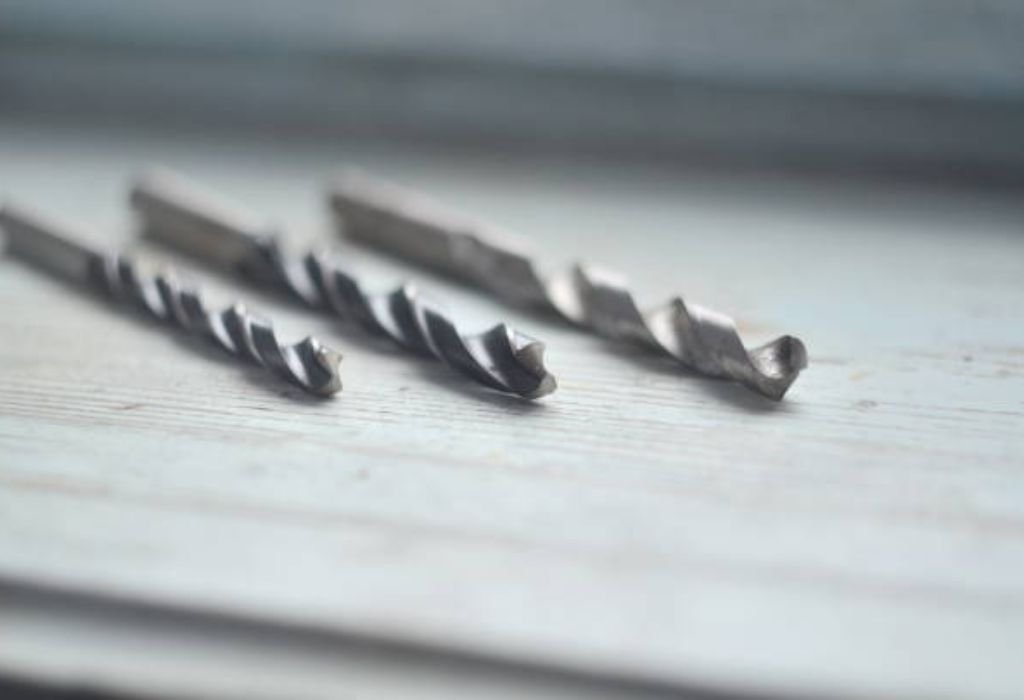
One frequent mistake is assuming all M8 bolts use the same drill size. In reality, sleeve, expansion, and chemical anchors each have different tolerances. Always check the packaging.
Another common error is using a worn or overheated drill bit. As bits wear down, their tips round off, producing undersized holes that make insertion difficult.
Many DIYers also skip cleaning the hole after drilling. Dust and debris reduce anchor friction, causing slippage under load.
Some users drill at high speed continuously without cooling pauses. This overheats both bit and wall surface, widening the hole and reducing accuracy.
Incorrect depth is another problem. Shallow holes prevent full anchor expansion, while overly deep ones reduce pull-out strength. Always use a depth stop or tape marker for precision.
Avoiding these simple mistakes ensures every M8 anchor sits securely and supports its intended load safely.
Checking Anchor Fit and Load Capacity After Drilling
Once the hole is ready, insert the anchor without force. It should slide in smoothly but resist slight pulling. If it moves freely, the hole is too large.
Next, tighten the bolt gradually. You should feel firm resistance as the anchor expands against the hole walls. If the anchor spins without tightening, the fit is too loose.
Use a torque wrench if possible to apply correct tightening pressure. Over-tightening can crack masonry; under-tightening reduces grip.
For heavy installations, always test one anchor before drilling multiple holes. Check load capacity against manufacturer data — most M8 anchors support 100–250 kg, depending on wall type.
If you notice movement or vibration under load, remove and reinstall using a new anchor and slightly smaller bit. Properly seated anchors maintain strength and safety even under repeated stress.
FAQ: Professional Advice for Accurate M8 Masonry Drilling
What drill bit size is best for M8 expansion anchors?
An 8 mm masonry drill bit matches perfectly with standard M8 expansion anchors.
Can I use an 8.5 mm bit instead of 8 mm?
Yes, but only for dense materials like reinforced concrete where tight insertion may cause jamming.
What bit size for M8 chemical anchors?
Use a 10 mm masonry bit to allow enough space for resin flow around the bolt.
How deep should I drill for an M8 anchor?
Drill 5–10 mm deeper than anchor length to clear dust and ensure full expansion.
Can I use metal drill bits on masonry for M8 holes?
No. Always use carbide-tipped masonry bits designed for hammer drills.
What happens if the hole is too large?
The anchor won’t grip properly, reducing load capacity and possibly leading to failure.
Can I reuse an M8 anchor in the same hole?
Not recommended. The hole widens slightly after first use, weakening grip strength.
Conclusion
Choosing the right drill bit for your M8 anchor or bolt may seem small, but it determines the success of the entire project. The difference between a secure mount and a wobbly failure often comes down to just one millimeter.
For most M8 fasteners, an 8 mm masonry bit is the standard choice. Adjust slightly to 8.5 or 10 mm only if using specialized anchors or materials. Always check the manufacturer’s chart, test-fit your bit, and clean holes before installation.
Proper measurement, controlled torque, and the right bit size ensure your anchor grips firmly without damaging the wall. Whether it’s a heavy TV mount, a shelf, or a structural bracket, precision drilling guarantees lasting strength.
Remember, masonry drilling isn’t about brute force — it’s about accuracy. Measure carefully, match your tools, and your M8 anchors will hold strong for years to come.

I’m John F. Nicholas, the founder, lead writer, and drill enthusiast behind 101drill.com. With years of hands-on experience in power tools and DIY projects, I created this platform to share practical knowledge, expert tips, and real-world insights to help others master the art of drilling.