
Imagine you’re trying to hang a heavy shelf or mount your TV on a brick wall. You grab your regular drill and bit, start drilling, and within seconds the bit begins to smoke, slip, and eventually break. That’s when you realize — you’ve been using the wrong tool. For dense materials like concrete, stone, or brick, a masonry drill bit is what you actually need.
A masonry drill bit is specially engineered to handle the incredible hardness of construction materials. Its carbide-tipped head and spiral flutes are designed to crush and remove rock-like surfaces efficiently. These bits don’t cut through the material like wood bits; instead, they pulverize it through a mix of rotation and impact.
Whether you’re a DIY homeowner drilling holes for wall anchors or a professional builder working on reinforced concrete, using the correct bit can mean the difference between smooth progress and frustration. According to tool industry studies, over 60% of drill bit failures in home projects happen because users choose the wrong type of bit.
By the end of this guide, you’ll know exactly what a masonry drill bit is, how it works, what types exist, and when to use it. You’ll also discover expert tips, safety practices, and the latest innovations that make masonry drilling easier than ever.
What Is a Masonry Drill Bit?
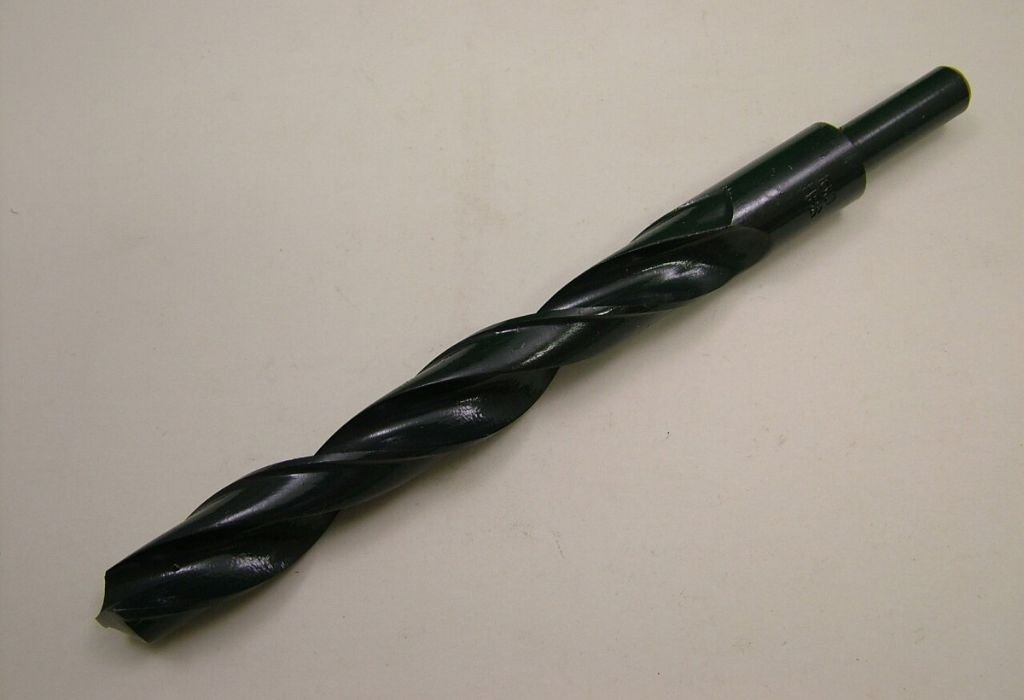
A masonry drill bit is a specially engineered cutting tool designed to bore holes into hard, brittle materials such as concrete, stone, brick, and mortar. Unlike regular drill bits that slice through soft materials like wood or metal, masonry bits work by crushing and chipping through tough surfaces using both rotational and percussive force.
The most distinctive part of a masonry drill bit is its tungsten carbide tip — an extremely hard compound that resists heat and wear even under constant impact. This tip is often silver or gold-colored, welded to a hardened steel shank. The carbide edge grinds away the surface rather than cutting it, making it perfect for abrasive materials that would instantly dull other drill bits.
Another critical feature is the spiral flute design. These grooves along the bit’s body aren’t just aesthetic — they serve a vital function: removing dust and debris from the drilled hole while preventing clogging. The flutes help maintain drilling efficiency and reduce friction, ensuring smoother performance even in deep holes.
Masonry bits also come in various shank designs to fit different drills — from straight shanks for standard power drills to SDS (Slotted Drive System) designs used in hammer drills. The SDS design provides a more secure fit, allowing both rotational movement and hammering action, which is essential for penetrating dense masonry materials.
These bits can range from 3 mm to 25 mm in diameter and up to 400 mm in length, making them suitable for both delicate indoor tasks and industrial construction. When paired with a hammer or rotary drill, masonry bits can power through the hardest materials effortlessly, producing clean, consistent holes for anchors, bolts, and fixings.
In short, a masonry drill bit is the go-to tool for anyone drilling into concrete, stone, or brick surfaces. Its unique construction, carbide strength, and spiral efficiency make it indispensable for professional tradesmen and serious DIYers alike.
What material is a masonry drill bit made of?
Most masonry bits feature a tungsten carbide tip fused to a hardened steel shank for durability and strength.
Can I use a masonry drill bit on wood or metal?
Not recommended. The carbide tip can tear wood fibers or skid on metal surfaces instead of cutting cleanly.
Why does a masonry bit have a blunt-looking tip?
It’s designed to grind and pulverize hard material instead of slicing like sharp-edged bits.
Is every masonry bit compatible with all drills?
No. SDS bits require SDS-compatible hammer drills, while straight shank bits fit standard chucks.
What sizes do masonry drill bits come in?
They typically range from 3 mm to 25 mm in diameter and up to 400 mm long.
How long does a masonry bit last?
With proper use and cooling, a good-quality masonry bit can last hundreds of holes before wearing out.
What’s the difference between SDS and standard bits?
SDS bits have slotted shanks that let them move back and forth during hammering, providing more impact and efficiency.
How Does a Masonry Drill Bit Work?
A masonry drill bit operates differently from regular drill bits because it’s designed for impact-based drilling rather than simple cutting. Instead of slicing into the surface like a wood or metal bit, it crushes and grinds the material using a combination of rotary motion and hammering force. This dual action is what makes it ideal for breaking through concrete, stone, and brick without dulling quickly or overheating.
The tip of a masonry drill bit is made from tungsten carbide, one of the hardest materials used in tooling. When pressure and rotation are applied, the carbide edge repeatedly strikes the surface, pulverizing it into fine dust. At the same time, the hammer drill mechanism delivers rapid forward impacts—sometimes thousands per minute—allowing the bit to penetrate dense material layer by layer.
The spiral flutes along the bit’s body play a key role in this process. They act like channels that carry debris and dust away from the drilling area, preventing buildup and overheating. As the material breaks apart, the flutes clear the hole so the cutting tip stays in contact with a fresh surface. This also reduces friction, which helps preserve the bit’s sharpness.
Proper technique is essential. The user should let the drill’s hammering action do most of the work rather than forcing pressure. Excessive pressure can cause the bit to overheat, dull quickly, or even break. The drill should be set to hammer or rotary-hammer mode, and the speed should be kept moderate to allow efficient dust removal.
Using cooling pauses or spraying water can help control heat buildup during long drilling sessions. When drilling deep holes, it’s wise to withdraw the bit occasionally to clear debris and prevent jamming.
In essence, the efficiency of a masonry drill bit lies in the harmony between impact and rotation — the hammer force shatters the surface, while the spinning motion removes loosened particles. This makes it one of the most effective tools for handling tough, abrasive materials that ordinary bits cannot manage.
Why do masonry bits need hammer drills?
Because hammer drills deliver the rapid percussive force needed to crush through dense materials like brick and concrete.
Can I use a masonry bit in a regular drill?
Yes, but it will be much slower and less effective without the hammering action.
What drill speed works best for masonry bits?
Moderate to low speed—typically 500 to 900 RPM—prevents overheating and improves precision.
Do I need water or lubricant while drilling masonry?
Light misting or cooling pauses help, especially on deep holes, to reduce friction and extend bit life.
Why does my masonry bit smoke?
That’s usually caused by too much speed or pressure and inadequate dust removal or cooling.
Can masonry bits drill reinforced concrete?
Yes, but when encountering rebar, switch to a metal-cutting bit to avoid damage.
How can I keep the bit steady when drilling?
Mark the hole first, start slow to create a pilot indentation, then increase speed gradually.
Different Types of Masonry Drill Bits
Masonry drill bits come in several designs and configurations, each tailored for different materials, drill types, and job requirements. Understanding the differences helps ensure you choose the right bit for the right task, improving both drilling efficiency and tool lifespan.
The most common types are SDS-Plus, SDS-Max, Straight Shank, and Multi-Cutter masonry bits. While all share the same goal — drilling through hard materials — their structure and application vary greatly.
1. SDS-Plus Masonry Drill Bits
SDS-Plus bits are the most popular for light to medium-duty hammer drills. They have a 10 mm shank diameter with slots that fit securely into the drill chuck, allowing both rotation and forward hammering. This system ensures excellent power transfer, minimal slippage, and greater drilling accuracy. They’re commonly used for holes up to 1 inch (25 mm) in diameter in materials like brick, block, and standard concrete.
2. SDS-Max Masonry Drill Bits
SDS-Max bits are designed for heavy-duty industrial use. With an 18 mm shank diameter, they fit larger rotary hammers and can drill much deeper and wider holes — often over 2 inches (50 mm) in diameter. They’re the go-to choice for construction professionals working on reinforced concrete, stone walls, or large anchor installations.
3. Straight Shank Masonry Bits
These are the most basic type and fit into standard drill chucks. They’re great for homeowners or light-duty users who don’t have hammer drills. While not as powerful as SDS types, they work perfectly for smaller holes in brick, mortar, or soft masonry.
4. Multi-Cutter and Cross-Head Masonry Bits
These advanced bits have four or more cutting edges, allowing faster dust removal and smoother, rounder holes. They’re also less likely to snag or wander, making them ideal for precision work or harder materials like dense concrete and granite.
Choosing between these depends on the tool compatibility, hole size, and drilling environment. For everyday home use, an SDS-Plus bit is sufficient. For commercial work, SDS-Max provides unmatched torque and stability. Straight shank and multi-cutter bits bridge the gap between light and professional applications.
What does SDS stand for?
It stands for Slotted Drive System, referring to the slotted shank design that locks securely into hammer drills.
Which type is best for home use?
SDS-Plus bits — they offer excellent performance with compact hammer drills.
Are SDS-Plus and SDS-Max interchangeable?
No. They have different shank sizes and require compatible drill types.
Do multi-cutter bits drill faster?
Yes, because multiple cutting edges remove dust more efficiently and reduce vibration.
Are carbide-tipped bits better than steel ones?
Absolutely. Carbide tips are harder, more heat-resistant, and last much longer.
Can I use SDS bits in a regular cordless drill?
Only if your drill supports SDS adapters; otherwise, it won’t fit securely.
Which type lasts the longest?
SDS-Max bits, due to their thicker core and industrial-grade carbide construction.
Choosing the Right Masonry Drill Bit for Your Needs
Selecting the right masonry drill bit can make the difference between a clean, professional hole and a cracked or ruined surface. While all masonry bits are made for hard materials, the specific type, size, and build quality must match the task and tool you’re using. Whether you’re drilling into brick, concrete, or stone, understanding these details ensures precision, safety, and efficiency.
The first thing to consider is your drill type. If you’re using a standard power drill, you’ll need a straight shank masonry bit that fits securely in a three-jaw chuck. However, for hammer drills or rotary hammers, an SDS-Plus or SDS-Max bit is ideal because their slotted shank design allows both rotational and hammering action. The SDS-Plus system is great for home improvement and medium-duty tasks, while SDS-Max suits heavy industrial jobs.
Next, focus on bit material and coating. Always choose tungsten carbide-tipped bits for maximum strength and longevity. Some premium bits include titanium or diamond coatings, enhancing wear resistance and heat dissipation during long drilling sessions. If you frequently drill through reinforced concrete or granite, these high-end options are worth the investment.
Bit size is equally crucial. The diameter should match your anchor or plug size exactly — drilling even a millimeter too wide can weaken your fixture’s hold. As a general rule, smaller holes (4–8 mm) suit lightweight fixtures, while larger bits (10–25 mm) are used for heavy-duty bolts and anchors. For deep installations, use extended-length bits to reach beyond surface layers.
Finally, consider the nature of your project. For precise, small-scale home repairs, a compact SDS-Plus set is sufficient. If you’re in construction or working on outdoor concrete foundations, a heavy-duty SDS-Max or multi-cutter bit offers better durability. Always look for trusted brands like Bosch, DeWalt, or Makita — they maintain sharpness longer and provide consistent drilling performance.
In summary, choosing the right masonry bit means aligning drill type, bit strength, material, and size with your job requirements. When all these factors match, drilling becomes smoother, faster, and more controlled — reducing wear and tear on both the bit and your drill.
How do I choose the right size of masonry drill bit?
Match the bit diameter to the size of the wall plug or anchor you plan to use.
Are expensive masonry bits worth it?
Yes — premium bits with carbide or titanium tips last longer and maintain sharpness better.
What type is best for home use?
An SDS-Plus bit is perfect for home repairs and DIY projects.
Can I use long bits for small holes?
You can, but longer bits flex more; use only as long as necessary for accuracy.
What’s the best bit for reinforced concrete?
A multi-cutter SDS-Max bit or diamond-tipped bit works best.
Do brand-name bits really perform better?
Generally yes; they undergo tighter quality control and resist overheating.
Should I buy individual bits or sets?
A quality masonry bit set offers multiple sizes for different projects, making it more cost-effective in the long run.
Key Components of a Masonry Drill Bit
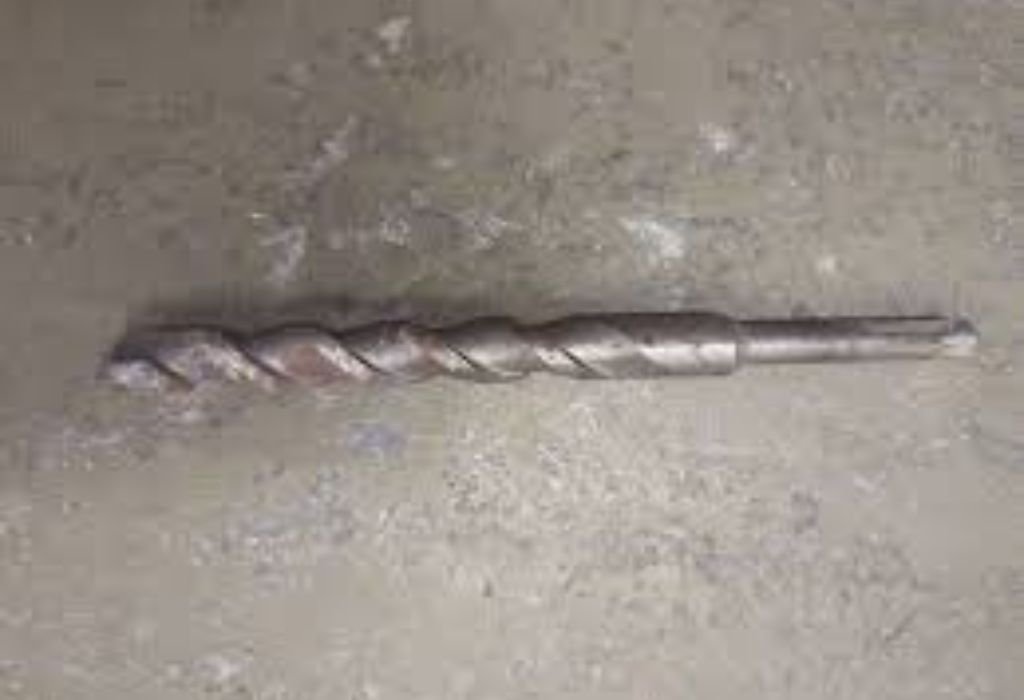
To fully understand how a masonry drill bit performs under pressure, it’s important to know what each part does. Every component—from the tip to the shank—has a specific role in ensuring durability, precision, and debris removal when drilling into tough materials like brick, concrete, and stone. Let’s break down the anatomy of a masonry drill bit and see how its structure enhances its strength and functionality.
1. Carbide Tip (Cutting Edge)
The carbide tip is the heart of the bit, responsible for penetrating hard surfaces. It’s made from tungsten carbide, a material nearly as hard as diamond and highly resistant to heat. Unlike sharp wood or metal bits, this tip is slightly blunt and wedge-shaped, designed to grind and crush masonry instead of slicing it. Some premium bits feature multi-cutter tips that increase speed and leave smoother holes.
2. Body and Flute Design
Running along the shaft of the bit are spiral flutes, which serve as channels for removing dust and debris from the hole. These flutes prevent clogging, reduce friction, and allow continuous drilling without overheating. Bits with wider or double flutes are preferred for deeper holes because they maintain faster dust evacuation.
3. Shank
The shank is the portion that fits into the drill’s chuck or SDS system. It transfers the motor’s rotational and hammering power to the bit tip. Standard drills use straight shanks, while SDS-Plus and SDS-Max shanks have slots that lock securely into compatible hammer drills, ensuring no slippage during heavy impact.
4. Core Material
The main body of the bit is forged from high-carbon or alloy steel, providing the strength needed to absorb repeated impact energy without bending. Some high-end bits use a heat-treated steel core, improving elasticity and preventing micro-cracks caused by vibrations.
5. Coating and Finish
To enhance performance, many masonry bits feature protective coatings such as nickel, titanium, or black oxide. These coatings improve corrosion resistance and reduce friction. Bits with polished finishes also expel debris more effectively, keeping the bit cooler for longer periods.
Each of these components works together to deliver consistent performance in harsh drilling conditions. The design ensures the bit remains sharp, stable, and efficient, even after prolonged use.
What part of the bit actually cuts the material?
The carbide tip at the front does the cutting (or crushing) work.
Why are masonry bits spiral-shaped?
The spiral flutes carry dust out of the hole and prevent clogging.
Can I use a masonry bit without an SDS system?
Yes, if it has a straight shank compatible with your drill’s chuck.
Do all masonry bits have coatings?
Not all, but coated bits resist corrosion and heat better.
How important is the flute design?
Very — good flute design ensures debris clearance and smooth drilling.
Can I sharpen the carbide tip myself?
It’s possible with a diamond grinding tool, but precision is required to maintain symmetry.
Why do some bits have a double flute?
Double flutes remove debris faster and improve cooling during deep drilling.
Major Benefits of Using a Masonry Drill Bit
Using the right tool always determines how smoothly and efficiently a project goes—and when it comes to drilling into concrete, stone, or brick, nothing performs like a masonry drill bit. It’s designed not only for precision but also for durability and safety. Understanding the full range of benefits helps you see why these bits are essential for both professional builders and DIY enthusiasts.
1. Superior Strength and Durability
Masonry drill bits are built to endure intense friction and impact. Their tungsten carbide tips withstand heat that would destroy normal bits, while the hardened steel body resists bending or snapping under pressure. This makes them ideal for repetitive drilling on dense materials without frequent replacements.
2. Clean, Accurate Holes
The combination of a blunt carbide tip and spiral flutes ensures clean, round holes with minimal chipping around the edges. This precision is vital when installing anchors, screws, or bolts that require tight-fitting holes in concrete or brick. The consistent diameter of holes drilled with masonry bits also means better grip for wall plugs and fasteners.
3. Compatibility With Hammer Drills
Masonry bits pair perfectly with hammer or rotary hammer drills, which combine rotational speed with percussive power. This synergy reduces the workload on the operator, allowing faster drilling with less effort. The SDS system prevents slippage, ensuring safer and smoother operation.
4. Multi-Material Versatility
These bits can penetrate a wide range of materials—concrete, stone, cinder blocks, tiles, mortar, and brickwork. Some advanced versions can even handle light steel reinforcement within concrete when used carefully. For professionals who work across various surfaces, this versatility saves time and money.
5. Reduced Operator Fatigue
Because the drill bit does most of the crushing work, users don’t need to apply excessive force. Less vibration and resistance mean greater comfort during prolonged drilling sessions. Over time, this reduces fatigue and improves overall productivity on the job site.
6. Long-Term Cost Efficiency
While masonry bits cost slightly more than general-purpose bits, they last much longer and maintain performance even after dozens of heavy uses. Investing in high-quality masonry bits can cut down on replacements and repair costs significantly.
In short, the strength, accuracy, and endurance of masonry drill bits make them indispensable for any serious drilling project on hard materials.
Why are masonry drill bits stronger than regular bits?
Their tungsten carbide tips are much harder and more heat-resistant than standard steel.
Do masonry bits make drilling faster?
Yes. Their impact-friendly design and dust-clearing flutes increase drilling speed dramatically.
Are they worth the higher price?
Absolutely—quality bits last longer, work cleaner, and prevent damage to drills and surfaces.
Can I use one masonry bit for multiple materials?
Yes, as long as all materials are masonry-based (brick, concrete, stone, etc.).
Do masonry bits reduce vibration?
Yes, their design absorbs much of the impact energy, leading to smoother operation.
Is maintenance important for performance?
Yes—cleaning and cooling the bit after use keeps it sharp and extends its life.
Can a masonry bit handle reinforced concrete?
Yes, but avoid prolonged contact with rebar to prevent tip damage.
When Should You Use a Masonry Drill Bit?
Knowing when to use a masonry drill bit is just as important as knowing how to use it. These specialized bits are not for everyday drilling—they are built for situations where strength, stability, and precision are essential. If you’ve ever tried to drill into concrete, stone, or brick using a standard bit, you’ll understand the frustration of slipping, burning, or breaking halfway through. That’s exactly when a masonry drill bit becomes indispensable.
You should use a masonry drill bit whenever you’re working with hard, brittle, or mineral-based materials. This includes concrete walls, stone surfaces, ceramic tiles, and bricks. These materials are dense and abrasive, meaning traditional bits can’t effectively cut through them without dulling immediately. Masonry bits, on the other hand, have carbide-tipped heads that grind and pulverize the surface using both rotation and impact force, creating clean and consistent holes.
Some of the most common scenarios where masonry bits are required include:
- Installing wall plugs or anchors for shelves, lights, and curtain rods on brick or concrete walls.
- Mounting heavy fixtures such as TV brackets, mirrors, or air conditioning units.
- Running wiring or piping through stone or block walls.
- Outdoor construction, such as drilling into driveways, patios, or garden retaining walls.
- Industrial work, like fixing machinery or scaffolding to concrete floors.
When working indoors, masonry bits are ideal for projects like hanging cabinets or artwork on plaster-over-brick walls. However, for maximum efficiency, always use them with a hammer or rotary hammer drill—the hammering motion is essential for breaking up the surface.
It’s equally important to know when not to use them. Avoid masonry bits on wood, metal, or plastic, as the blunt tip can tear fibers or slip, damaging the surface. Also, if you’re drilling near edges or corners, proceed slowly to prevent cracking the material.
In short, use a masonry bit whenever the material feels “rock solid.” If a normal bit struggles or dulls quickly, it’s time to switch to the right tool built to conquer concrete and stone.
Can I use a masonry drill bit on ceramic tile?
Yes, start at low speed without hammer mode until the tile surface is pierced, then increase speed.
What’s the best bit for drilling into brick walls?
A carbide-tipped SDS-Plus masonry bit paired with a hammer drill works best.
Can I use it on plaster or drywall?
You can, but it’s unnecessary—use a standard wood or multipurpose bit instead.
Can masonry bits drill granite or marble?
Yes, but for deep holes or precision work, a diamond-tipped bit performs better.
Is it safe to drill near wall corners with masonry bits?
Drill slowly—corners can chip easily due to brittle material structure.
Do I always need a hammer drill for masonry work?
Yes, for concrete and stone; for soft brick, a rotary drill may suffice.
Can I use the same bit outdoors?
Yes, but clean and dry it afterward to prevent corrosion from moisture or dust.
Masonry Drill Bit Sizes and Depth Guide
Choosing the correct size and drilling depth is critical when working with masonry. Using the wrong size can cause your anchors to loosen, fixtures to fall, or the drill bit to jam and overheat. Every successful masonry project depends on matching the bit diameter and drilling depth to the job’s requirements.
1. Standard Masonry Drill Bit Sizes
Masonry drill bits come in a wide range of diameters, typically from 3 mm (1/8 inch) up to 25 mm (1 inch) for standard use. For heavy-duty or industrial projects, SDS-Max bits can reach diameters of 40–50 mm or more. Smaller bits are used for light fixtures and plastic anchors, while larger sizes are needed for bolts, pipe fittings, and deep anchor installations.
2. Bit Length and Drilling Depth
The length of a masonry bit determines how deep you can safely drill. Common lengths range from 75 mm to 400 mm, with extended bits available for wall penetrations and thick concrete slabs. A good rule of thumb is to drill 10–15 mm deeper than the length of the anchor to allow debris clearance. Most bits include a depth mark or can be marked manually with tape for accuracy.
3. Using Depth Stops and Guides
For consistent results, professionals often use depth stops or adjustable collars that prevent over-drilling. These ensure uniform hole depth when installing multiple anchors or bolts in construction work. If your drill doesn’t have a built-in depth gauge, wrapping a small piece of masking tape around the bit at the desired depth is a simple DIY alternative.
4. Matching Bit Size to Anchors and Screws
Always check the anchor manufacturer’s chart. For example, a 6 mm plug usually requires a 6 mm bit, and a 10 mm expansion anchor needs a 10 mm hole. Avoid guessing — even a 1 mm difference can reduce holding power drastically. For critical structural work, use precision-sized SDS bits to meet engineering standards.
5. Depth Considerations for Different Materials
Brick and mortar walls usually need shallower holes (40–60 mm), while solid concrete or stone may require depths of 100–150 mm. Always pull the bit out occasionally during drilling to remove dust and reduce friction, especially for deep holes.
What’s the most common masonry drill bit size for home use?
Usually between 6 mm and 10 mm, suitable for wall plugs and medium-sized anchors.
How do I know which bit size matches my screw or anchor?
Check the anchor packaging — the required hole size is typically printed there.
Are longer bits weaker?
They can flex slightly, so use shorter bits for better stability whenever possible.
How deep should I drill into concrete?
About 10–15 mm deeper than the anchor length to ensure a clean fit.
Should I mark my drill bit for depth?
Yes, marking helps prevent over-drilling and maintains uniform hole depth.
Can I drill completely through a wall?
Yes, with long bits, but ensure both sides are clear to avoid damage.
Do deeper holes require cooling breaks?
Absolutely — pause periodically to prevent heat buildup and bit wear.
Masonry Drill Bit vs Regular Drill Bit
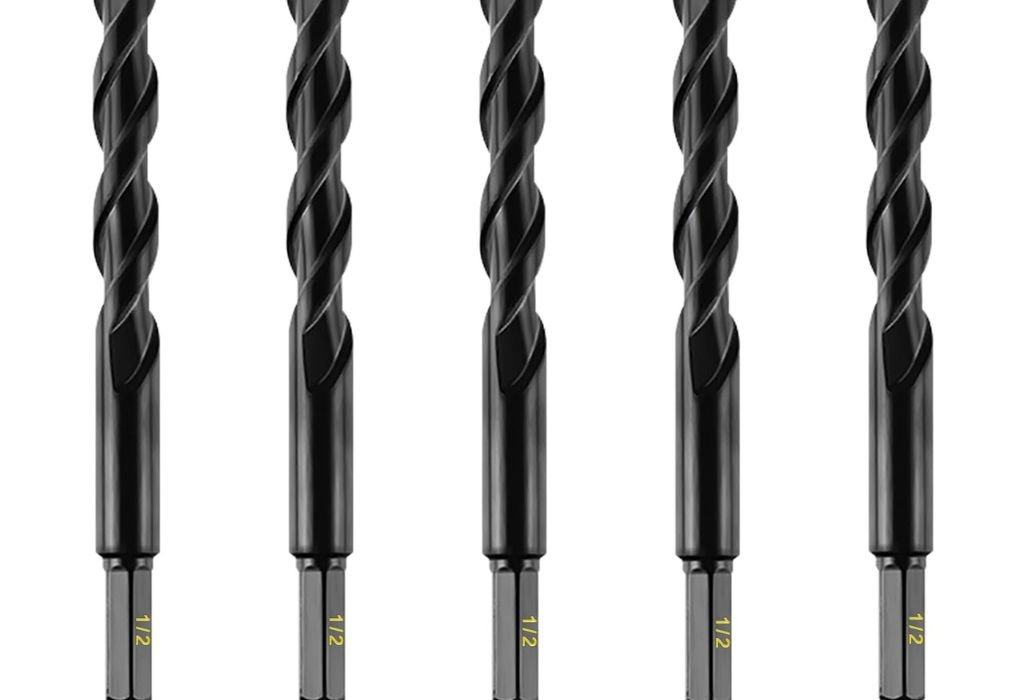
At first glance, a masonry drill bit and a regular drill bit may appear similar — both are metal rods designed to spin and create holes. But when you look closely, you’ll find that their design, materials, and intended use are entirely different. Using the wrong bit for the wrong material can result in broken tools, damaged surfaces, and wasted time. Let’s explore the major differences between these two types and understand when each one should be used.
1. Tip Design and Cutting Method
The most obvious difference lies in the tip. Regular drill bits (used for wood or metal) have sharp, pointed edges that slice through the material. Masonry bits, on the other hand, feature a blunt tungsten carbide tip that pulverizes the surface using pressure and impact, rather than cutting it. This crushing action is what allows masonry bits to bore through hard materials like stone and concrete.
2. Material and Durability
Standard drill bits are typically made of high-speed steel (HSS) or cobalt, designed to cut through softer materials with precision. Masonry bits, however, are made of hardened steel with a carbide insert welded at the tip. Carbide is much harder and more heat-resistant than steel, giving masonry bits the ability to handle the friction and impact generated when drilling dense surfaces.
3. Drill Compatibility
Regular bits are used with standard rotary drills that rely solely on spinning motion. Masonry bits are designed for hammer or rotary hammer drills, which combine rotation with percussive impacts. The hammer action helps chip away material while the rotation clears debris through the flutes. Trying to use a masonry bit without hammer action significantly slows down drilling efficiency.
4. Flute Design
Masonry bits feature deeper and wider spiral flutes than standard bits. These flutes efficiently remove dust and grit from the hole, which is crucial when working with abrasive materials. Regular bits, by contrast, have narrow flutes optimized for fine shavings or metal chips.
5. Application Differences
- Masonry bits → Concrete, brick, stone, tile, mortar.
- Regular bits → Wood, plastic, aluminum, and mild steel.
Each bit type is engineered for its material. Using a wood or metal bit on concrete will quickly dull or snap it, while a masonry bit used on wood will tear and splinter the fibers.
| Feature | Masonry Drill Bit | Regular Drill Bit |
| Tip Type | Blunt carbide tip | Sharp cutting edge |
| Action | Hammering & rotation | Rotation only |
| Best For | Concrete, stone, brick | Wood, metal, plastic |
| Durability | Extremely high | Moderate |
| Drill Type | Hammer or rotary hammer | Standard drill |
Can I use a masonry drill bit on wood?
No, it will tear the fibers instead of cutting cleanly. Use a standard wood bit instead.
Can a regular bit drill into concrete?
Not effectively — it will overheat, dull, or break almost immediately.
Which type lasts longer?
Masonry bits last longer when used correctly because of their carbide tip.
Do both need hammer drills?
No. Only masonry bits require hammer or rotary hammer drills for best performance.
Why do regular bits have sharper tips?
They’re designed to cut, not crush, which works better for soft materials.
Are masonry bits more expensive?
Slightly, but their longevity and strength make them more cost-effective in the long run.
Can I use one bit type for all materials?
No — always match the bit type to the material for safety and precision.
Conclusion
A masonry drill bit is more than just a specialized piece of metal — it’s a precision tool designed to make tough drilling jobs simple, safe, and efficient. Its tungsten carbide tip, reinforced body, and spiral flutes work together to crush, grind, and clear debris as it penetrates the hardest materials. Whether you’re working on brick walls, concrete slabs, or natural stone, a good masonry bit ensures that every hole is clean, precise, and stable.
The key to success lies in matching the right bit to the right material, pairing it with a proper hammer or rotary hammer drill, and maintaining it with care. With correct use, a single high-quality masonry bit can serve for hundreds of holes, saving both time and money.
In essence, masonry drill bits bridge the gap between DIY convenience and professional performance. They allow anyone — from homeowners to construction experts — to tackle demanding drilling projects with confidence. So, the next time you face a concrete wall or solid stone surface, remember: the right masonry bit doesn’t just make the job easier — it makes it perfect.

I’m John F. Nicholas, the founder, lead writer, and drill enthusiast behind 101drill.com. With years of hands-on experience in power tools and DIY projects, I created this platform to share practical knowledge, expert tips, and real-world insights to help others master the art of drilling.