
Most people think about drilling a hole in glass only when a project reaches a frustrating point. Maybe a cable needs to pass through a panel or a decoration requires a clean opening. What begins as a simple idea suddenly becomes a challenge because glass feels risky to work with.
Imagine standing with a drill in your hand staring at a smooth shiny surface. The drill bit touches the glass and slides without leaving even the tiniest mark. That single slip is enough to make anyone step back and wonder what tool is actually safe to use.
Many beginners believe any sharp bit will work if they push gently. They try metal or wood bits and watch tiny chips appear before the hole even starts. The mistake is not the effort but choosing tools that glass simply cannot tolerate.
Then there are people who seem to drill glass with complete confidence. They select the right bit cool the surface and let the tool grind slowly instead of cutting. The hole forms clean and perfect as if the glass was designed for it.
This guide is for anyone who wants that same calm and controlled result. You will learn which tools are safe how they work and why certain options should never be used on glass. Every detail focuses on protecting the surface while achieving a precise opening.
Understanding Why Glass Requires Special Tools
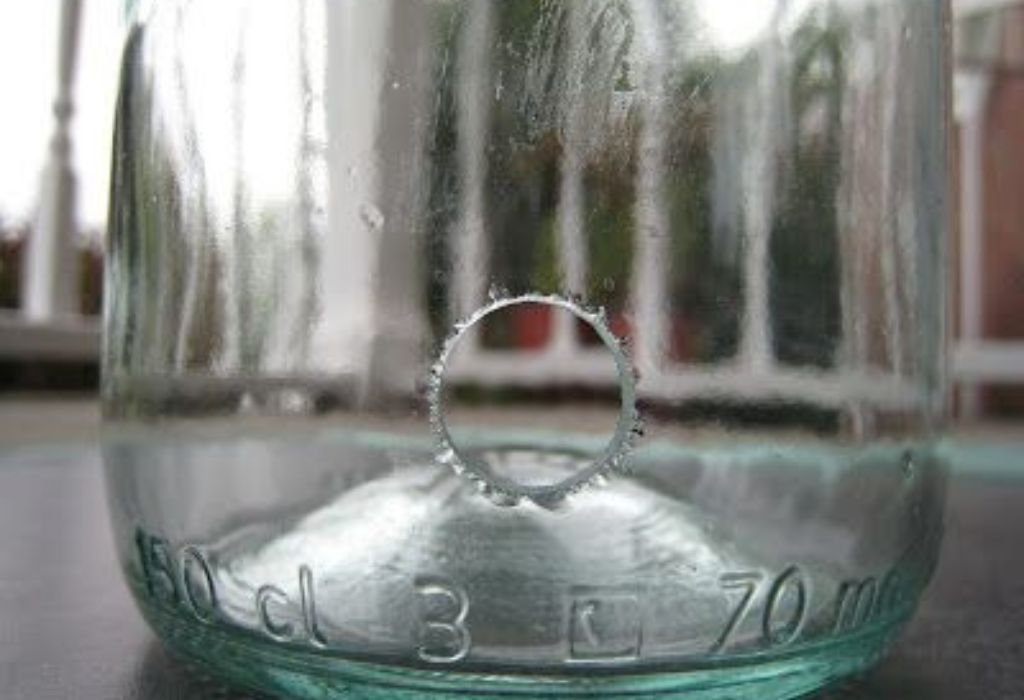
Glass is elegant but remarkably unforgiving when drilled. Unlike wood or metal it cannot flex or absorb pressure evenly. One incorrect tool choice can result in instant cracking.
The smooth surface also creates a challenge during the starting point. The drill bit struggles to grip and tends to slide across the glass. This is why surface preparation and accurate tool selection are essential.
Heat is another hidden threat when drilling glass. Excessive friction causes temperature changes that stress the material. Without cooling these stresses spread quickly and lead to breakage.
Many beginners assume any drill bit can penetrate glass. In reality only specialized tools can grind through safely. Understanding these limitations keeps the process under control.
Diamond Drill Bits and Why They Work Best
Diamond drill bits are considered the most reliable option for drilling glass. They do not cut aggressively but gently grind through the surface. This reduces vibration and helps protect the structure.
These bits come in multiple shapes for different purposes. Hole saws create larger circular openings while spear points are ideal for precise entry. Choosing the correct type ensures cleaner results.
Diamond coatings resist heat more effectively than standard metal bits. This allows longer drilling time without friction damage. The surface remains cooler and less stressed throughout the process.
Cheap imitations may lose their coating quickly. Once the abrasive layer wears off the bit begins to scratch instead of grind. This significantly increases the risk of cracking.
Diamond bits also produce smoother edges after drilling. Clean edges reduce the need for polishing and prevent accidental chips. This makes them the most dependable option for glass surfaces.
Carbide Spear Point Bits and Their Specific Use
Carbide spear point bits are another popular choice for drilling small holes. Their sharp tip allows controlled entry with reduced wandering. This makes them useful when precision is required.
These bits are designed to score the glass surface before drilling deeper. Scoring distributes tension and minimizes sudden failure. A gentle start protects fragile areas around the drilling point.
Carbide bits must always be used at low speed. High rotation generates heat that weakens the glass rapidly. Slow operation keeps the temperature balanced.
Water cooling is essential when using carbide tips. Without moisture the bit overheats and loses sharpness quickly. Cooling extends both safety and tool lifespan.
They are best suited for thinner glass applications. Thick panels require stronger abrasive action from diamond bits. Using the right bit prevents mistakes and material waste.
Can carbide bits replace diamond bits for all drilling?
No carbide is useful for small holes but diamond bits work better for larger openings.
Do carbide bits need water during drilling?
Yes cooling is always required to prevent heat and cracking.
Can carbide drill thick glass panels safely?
It is not recommended because thicker glass needs stronger abrasive grinding.
Why does a carbide bit become dull quickly?
Lack of cooling increases friction and reduces the cutting edge.
Is a spear point bit good for curved surfaces?
Yes it provides more control during the initial entry stage.
Using Hole Saw Bits for Larger Openings
Hole saw bits are designed for wide circular holes in glass. These bits remove material gradually rather than forcing a cut. The circular rim distributes pressure more evenly.
They are commonly used for installing bulkheads or fittings. Accurate sizing prevents the need for widening the hole afterward. Planning avoids unnecessary stress on the surface.
Hole saws require continuous cooling. Water keeps the cutting rim from overheating. This protects both the glass and the tool.
Starting with a guide groove increases control. Without a guide the bit may drift across the smooth surface. A shallow indentation improves stability.
These bits must be used patiently. Rushing increases the chance of chipping during breakthrough. Slow steady progress ensures smoother edges.
Why Regular Drill Bits Should Never Be Used on Glass
Standard metal or wood bits are not designed for glass. Their aggressive cutting edges can shock the surface instantly. This leads to cracking even before drilling begins.
These bits also generate excessive friction. Heat builds rapidly and spreads through the material. Thermal stress is one of the main causes of sudden fractures.
The pointed tips of regular bits cannot grip the smooth surface. Slipping creates scratches that weaken the structure. This makes the glass even more fragile.
Using the wrong bit damages both the tool and the surface. The drill may become dull or break unexpectedly. Proper bit selection prevents costly errors.
Even with low speed and cooling regular bits remain unsafe. Glass requires grinding not cutting. Specialized tools are the only reliable option.
Can I use a metal bit if I add water while drilling?
No metal bits still create stress and are not suitable for glass.
Will a wood bit work for thin glass?
No even thin glass can crack instantly under the wrong tool.
Can regular bits be modified for glass drilling?
It is not safe because the cutting edge design is unsuitable.
Why do regular bits slip on glass?
The surface is too smooth and does not allow controlled contact.
Is using tape enough to stop slipping with standard bits?
No tape helps grip but the cutting action remains unsafe.
Lubrication and Cooling Methods for Safe Drilling
Water is the most effective cooling method when drilling glass. It reduces friction and helps the bit move smoothly. Continuous cooling protects the surface from heat damage.
A spray bottle works well for small projects. Controlled misting keeps the drilling area moist. This prevents drying during longer drilling periods.
A clay or putty dam can hold water around the drilling point. This creates a small pool that cools automatically. It is useful for larger hole saw bits.
Do not use oil based lubricants on glass. Oil prevents heat transfer and makes the surface slippery. Water remains the safest and most predictable option.
Cooling should continue from start to finish. Even short periods of dry drilling can stress the surface. Temperature stability is essential for success.
Surface Preparation Tools for Better Control
Masking tape is one of the simplest preparation tools. It increases friction and prevents the bit from sliding. Tape also protects the surface from early chipping.
A marker helps precisely place the drilling point. Accuracy reduces unnecessary adjustments during drilling. Clear positioning ensures cleaner results.
Some people use suction guides or drilling templates. These tools stabilize the bit at the starting angle. Templates are especially useful for beginners.
Cleaning the surface is necessary before applying tape. Dust and residue reduce adhesion and cause slipping. A clean surface improves overall control.
Supporting the glass prevents vibration. A foam pad or rubber mat absorbs subtle movement. Stability keeps pressure evenly distributed.
Do I need tape even with diamond bits?
Yes tape improves grip and reduces surface wandering.
Can I drill without marking the spot first?
No precise marking keeps drilling accurate and controlled.
Are drilling guides necessary for small holes?
They are optional but helpful for maintaining stability.
Can dirty glass affect drilling results?
Yes dust reduces friction and may cause slipping.
Is supporting the glass always required?
Support prevents vibration and improves safety.
Power Tools Suitable for Glass Drilling
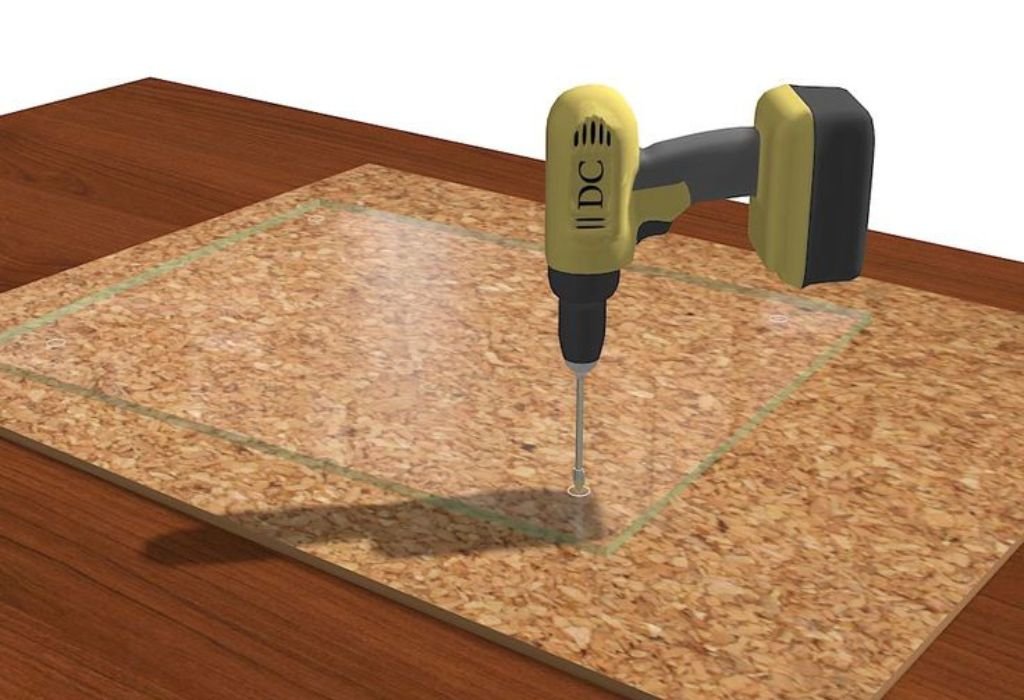
A variable speed handheld drill is the most common option. Adjustable rotation gives better control at low speed. High speed tools are not safe for glass.
Cordless drills offer flexibility and ease of movement. They are useful when working in tight spaces. However the battery must maintain consistent power.
A drill press provides maximum stability. It allows precise downward movement without shaking. Drill presses are ideal for flat glass panels.
Rotary tools can be used for small diameter bits. Their lightweight design makes them easier to maneuver. Low settings are required to prevent overheating.
Avoid using hammer drills for any glass application. Impact mode damages the surface immediately. Only controlled rotation should be used.
Manual Tools and Alternative Techniques
Glass scoring tools can create shallow openings. Scoring weakens the surface before drilling deeper. This method reduces stress concentration.
Some professionals begin with a small pilot indentation. A sharp spear point bit creates an entry guide. The guide keeps larger bits centered.
Handheld grinding tools can smooth edges after drilling. Grinding removes sharp fragments and prevents injury. Wet sanding avoids airborne particles.
Manual methods require more patience than power tools. However they offer greater precision and safety. These techniques are useful for delicate applications.
Understanding tool limitations prevents mistakes. Using alternatives properly ensures cleaner outcomes. Technique always matters more than speed.
Can I drill glass using only manual tools?
Yes but it requires patience and careful scoring before deepening.
Is grinding safer than cutting for glass?
Grinding distributes force gently and reduces cracking risk.
Do I need a pilot hole before using a hole saw?
A shallow guide improves accuracy and prevents wandering.
Can sanding fix chips after drilling?
Light sanding can smooth edges but cannot repair deep damage.
Are manual methods slower?
Yes but they provide more control for fragile surfaces.
Mistakes to Avoid When Choosing Glass Drilling Tools
Do not choose tools based on speed. Faster does not mean safer when working with glass. Low rotation protects the surface from heat.
Avoid forcing the drill downward. Pressure increases stress and weakens the structure. Let the bit work gradually at its own pace.
Do not skip cooling at any stage. Heat builds quickly even with proper tools. Water prevents sudden temperature changes.
Avoid guessing which bit to use. Each tool has a specific purpose. Accurate selection leads to better results and fewer risks.
Do not use worn or damaged bits. Blunt edges increase friction and tear the surface. Fresh tools ensure smooth and consistent drilling.
Conclusion
Drilling a hole in glass becomes safe when the correct tools are selected. Diamond bits remain the most dependable choice because they grind instead of cut. Carbide spear point bits offer precision for smaller openings.
Cooling with water prevents heat buildup and protects the material. Surface preparation using tape and accurate marking ensures better control. Avoiding regular drill bits prevents cracking and unnecessary damage.
Using patience rather than pressure creates the cleanest results. With the right tools and careful technique drilling glass becomes a controlled and successful task. Anyone can achieve smooth openings safely by following the proper approach.

I’m John F. Nicholas, the founder, lead writer, and drill enthusiast behind 101drill.com. With years of hands-on experience in power tools and DIY projects, I created this platform to share practical knowledge, expert tips, and real-world insights to help others master the art of drilling.