
Anyone who’s ever driven a screw into a tight or awkward space knows the frustration of the screw slipping off the drill bit at the last second. You try again, it falls, and the whole process becomes a balancing act. The solution is simple but powerful — magnetizing your drill bit.
When a drill bit is magnetized, it can hold screws firmly in place, giving you better control and accuracy, especially when working overhead or with one hand. The process takes only a few seconds, costs almost nothing, and can completely transform the efficiency of your work.
At its core, magnetization aligns the internal electrons of the bit’s metal, turning it into a temporary magnet. Once charged, the bit can attract small ferrous objects such as screws or nails. The result is smoother screwdriving, fewer dropped fasteners, and a much cleaner workflow.
In this guide, you’ll learn why and how to magnetize a drill bit using simple tools — from magnets and magnetizers to quick DIY electrical methods — along with expert tips on maintaining magnetism safely and effectively.
Why Magnetize a Drill Bit?
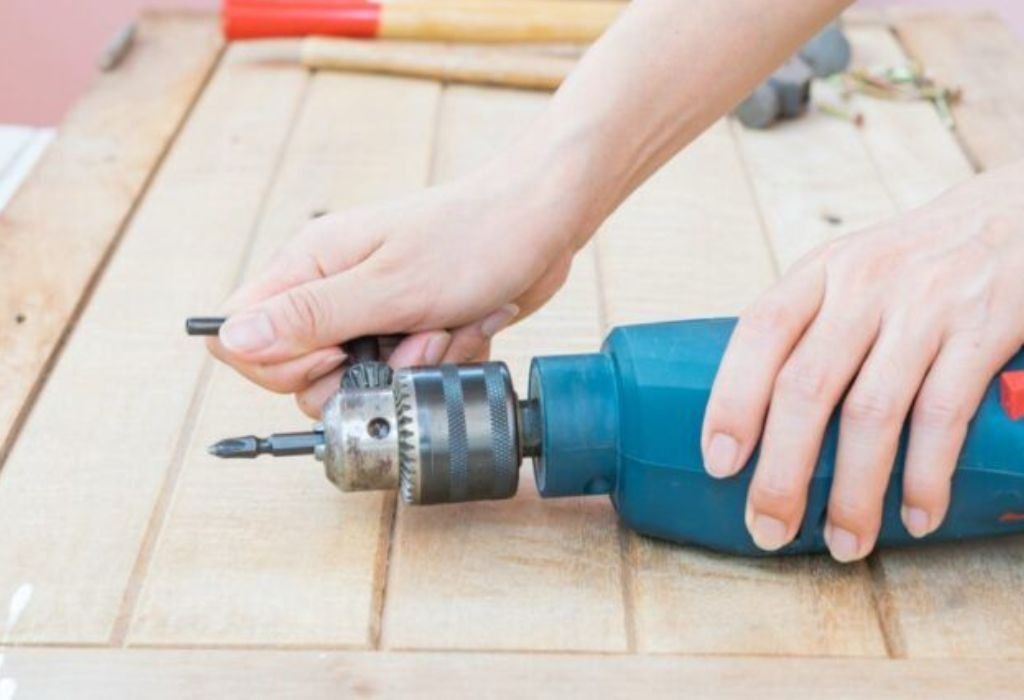
Magnetizing a drill bit isn’t just a fancy workshop trick — it’s a genuine productivity upgrade. When a screw clings to the bit instead of slipping off, it gives you greater stability, precision, and control.
The magnetic force allows you to:
- Hold screws securely when working overhead or in confined areas.
- Position screws precisely without balancing them by hand.
- Drive screws faster with fewer interruptions.
- Avoid stripping screw heads due to misalignment.
This is particularly useful for professionals who work with wood, electronics, metal frames, or furniture assembly, where screw handling speed matters. It also prevents dropped screws from rolling under furniture or scratching delicate surfaces.
Another benefit is safety. Holding screws magnetically means you keep your other hand free to steady the tool or material, reducing the risk of slips and injuries.
Finally, magnetizing improves efficiency and accuracy. Even a weak magnetic field helps align screws correctly with the hole, minimizing wobble during drilling or driving.
Does magnetizing make a drill bit stronger?
No, it doesn’t affect mechanical strength, only magnetic attraction.
Will magnetism interfere with power tools?
No, it’s completely safe for drills and screwdrivers.
Can every bit be magnetized?
Only ferromagnetic metals such as steel or iron.
Does magnetism fade over time?
Yes, repeated impacts or heat can weaken it — just re-magnetize.
Is it safe near electronics?
Keep magnetized bits away from sensitive devices like hard drives or pacemakers.
How Magnetism Works in Drill Bits
The science behind magnetizing a drill bit lies in magnetic domain alignment. Inside all ferromagnetic materials, there are tiny magnetic regions called domains. Normally, these point in random directions, canceling each other out. When exposed to a strong magnetic field, the domains align — turning the metal into a magnet.
Most drill bits are made of carbon steel or high-speed steel, both of which magnetize easily. When you stroke them with a magnet, electrons within the metal align in one direction. The result is a small but useful magnetic field around the bit.
Different materials respond differently.
- Carbon steel bits hold magnetism well.
- Tool steel bits also magnetize effectively.
- Titanium-coated or stainless bits may show weaker results because their coatings or composition resist magnetic alignment.
Heat, heavy vibration, or repeated impacts can disrupt these magnetic domains, gradually demagnetizing the tool. That’s why bits used in hammer drills tend to lose magnetism faster.
Why only steel bits?
Because steel and iron have magnetic domains that can align permanently.
Does heat ruin magnetism?
Yes, high temperatures randomize domain alignment.
What’s temporary magnetism?
It fades over time or after mechanical shock.
Can coatings block magnetism?
Partially—thick titanium or oxide coatings can reduce strength.
Will magnetizing damage the bit?
Not at all; it’s a harmless surface effect.
Tools You’ll Need
You don’t need a laboratory or fancy equipment to magnetize your drill bit. Just a few simple items:
- Strong Magnet – Preferably a neodymium (rare-earth) magnet, which is about ten times stronger than ordinary ferrite magnets.
- Magnetizer/Demagnetizer Tool – A small block with magnetic zones that makes the process instant.
- Battery and Wire Coil (optional) – For a DIY electromagnet setup.
- Soft Cloth – To clean oil or debris before magnetizing.
- Gloves – Protect your fingers when handling strong magnets.
Before starting, always wipe off dust, grease, or rust from your drill bit. Clean metal allows better contact with the magnetic field, improving results.
What magnet type works best?
A neodymium magnet—strong, compact, and inexpensive.
Can I use a fridge magnet?
You can, but it’s too weak for noticeable results.
Are magnetizer blocks safe?
Yes, they’re designed for hand tools.
Is cleaning really necessary?
Yes—dirt or rust reduces magnetic contact.
Will gloves affect magnetizing?
No, they just protect against pinches from strong magnets.
Step-by-Step: How to Magnetize a Drill Bit with a Magnet
This is the easiest and most common way to magnetize a drill bit, requiring no electricity or special tools.
- Clean the Bit – Remove any oil, dust, or metal filings.
- Hold the Magnet Firmly – Grip the magnet in one hand and the drill bit in the other.
- Stroke in One Direction – Starting near the tip, slide the magnet along the shaft toward the end, keeping contact the entire way.
- Repeat 20–30 Times – Always in the same direction. Moving back and forth cancels magnetism.
- Test the Bit – Try to pick up a small screw or nail. If it sticks, you’re done.
- Strengthen if Needed – For more magnetism, repeat several passes.
Why one direction only?
Because reversing direction realigns domains inconsistently, weakening the field.
How long should I stroke the magnet?
Usually 20–30 consistent strokes create strong magnetism.
Can I over-magnetize?
No, but unnecessary repetition won’t make it stronger beyond its limit.
How do I test magnet strength?
Lift a small screw or paperclip — if it holds firmly, it’s sufficient.
Will rubbing back and forth demagnetize it?
Yes, alternating motion cancels out the magnetic alignment.
Does the magnet lose power?
Very slowly; neodymium magnets retain strength for years.
Should I remove the bit from the drill first?
Yes, for better contact and safety.
Using a Magnetizer/Demagnetizer Tool
If you want a quick, professional way to magnetize your drill bits, use a magnetizer block — a compact cube found in most hardware stores.
Each block has two openings:
- The “+” side magnetizes tools.
- The “–” side removes magnetism.
To use:
- Insert the drill bit into the “+” slot.
- Move it in and out slowly a few times.
- Test the magnetic pull by picking up a screw.
These tools use powerful internal magnets to align the bit instantly. They’re safer than raw magnets and give more consistent results.
Are magnetizer tools universal?
Yes, they work for screwdrivers, bits, and other steel tools.
How long does the effect last?
Typically weeks to months, depending on use.
Can I demagnetize later?
Yes—simply pass the bit through the “–” side.
Do they work on large bits?
Yes, though thick drill shafts may need multiple passes.
Are they affordable?
Absolutely—most cost under $10 and last indefinitely.
Method 3: Magnetizing with Electricity
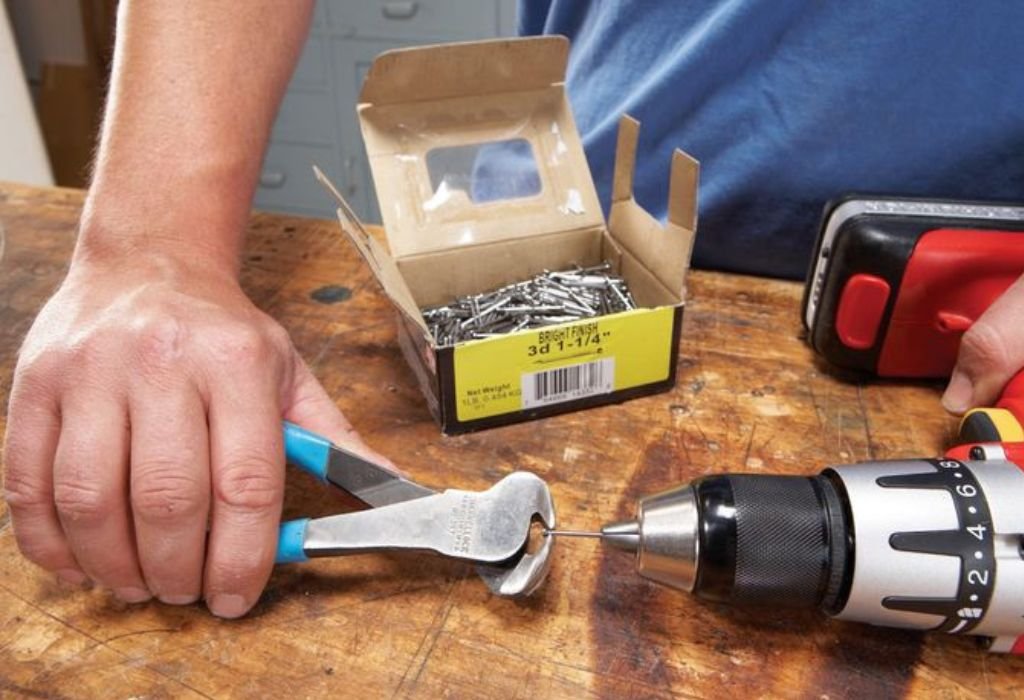
For DIY enthusiasts, there’s a fun way to create a temporary electromagnet using a battery and copper wire.
- Wrap insulated copper wire around the drill bit about 15–20 turns.
- Connect the wire ends to a 9-volt battery (one to positive, one to negative).
- Hold for 30–60 seconds to induce a magnetic field.
- Disconnect and remove the wire — your bit is magnetized.
This method provides very strong but short-term magnetism, ideal for one-time use. Be cautious not to overheat the wire or short the battery terminals.
Is this method safe?
Yes, if you limit connection time and use low voltage.
How long will the magnetism last?
A few hours to days, depending on bit use.
Can it damage the bit?
Not unless you overheat it — avoid long connections.
What wire gauge works best?
Thin, insulated copper wire (22–26 gauge).
Can I magnetize multiple bits together?
Yes, stack them side by side inside the coil.
Testing and Maintaining Magnetism
After magnetizing, check your work: try lifting a screw or paperclip. A successful bit should hold small metal parts easily.
Maintaining Magnetism:
- Avoid high heat or direct flame — heat disrupts magnetic domains.
- Don’t strike or drop the bit — vibration demagnetizes.
- Store magnetized bits separately from other tools to prevent interference.
- Remagnetize occasionally, especially after heavy drilling or cleaning with abrasive tools.
How often should I re-magnetize?
Every few weeks or after intense use.
Does drilling demagnetize bits?
Yes, especially when vibration and heat are high.
Can magnetized bits pick up metal dust?
Yes—wipe them clean before use to avoid clogging.
Should I keep them away from magnets?
Store apart from opposing magnetic fields to maintain alignment.
Will water or rust reduce magnetism?
Indirectly—rust weakens the metal surface and contact area.
How to Keep a Drill Bit Magnetized Longer
Once you’ve successfully magnetized your drill bit, you’ll naturally want to keep it that way as long as possible. Over time, magnetism fades due to vibration, heat, and impact, but with a few simple precautions, you can significantly extend its magnetic life.
First, avoid excessive heat. Prolonged friction during drilling or cleaning with abrasive wheels can cause the metal’s internal magnetic alignment to break down. To prevent this, drill at moderate speeds, use cutting oil when possible, and allow the bit to cool naturally instead of quenching it in cold water.
Second, minimize mechanical shock. Dropping or striking the bit against hard surfaces quickly demagnetizes it. Store magnetized bits in padded or lined toolboxes and avoid tossing them with other tools.
Third, store them away from opposing magnetic fields. Keeping magnetized bits next to strong magnets, motors, or demagnetizers can weaken their field. It’s best to dedicate a small section of your toolbox to magnetized tools only.
Lastly, remagnetize periodically. Even with perfect care, magnetism slowly weakens due to normal use. Running the bit through a magnetizer block or a few quick strokes with a magnet restores full strength in seconds.
How long does magnetism normally last?
Typically, a few weeks to several months, depending on use.
Can I extend it indefinitely?
Yes—just re-magnetize occasionally to maintain strength.
Does storing with other bits reduce magnetism?
Slightly—metal contact and vibration can weaken it.
Can I coat the bit to protect it?
Avoid thick coatings; they can reduce magnetic contact.
Is there a magnetic storage strip I can use?
Yes, tool magnetic racks are excellent for holding magnetized bits safely.
Common Mistakes to Avoid
- Rubbing the magnet back and forth — this cancels magnetic alignment.
- Using weak magnets — low field strength gives poor results.
- Skipping cleaning — dirt blocks full magnetic contact.
- Overheating bits during use — heat destroys magnetism
- Storing near electronics or hard drives — avoid sensitive equipment.
- Trying to magnetize non-ferrous bits — titanium or aluminum won’t hold magnetism.
Why didn’t my bit magnetize?
It’s likely made from non-magnetic material or coated heavily.
Can magnetism affect drilling accuracy?
No—it only helps hold screws; it doesn’t alter torque.
What if I magnetized the chuck accidentally?
It’s harmless, but demagnetize if it attracts debris.
Can I make the magnetism stronger?
Use a stronger magnet or repeat passes.
Does direction matter?
Yes—always stroke in one consistent direction.
When to Demagnetize a Drill Bit
Sometimes, magnetism is a disadvantage. If you’re working near delicate electronics, magnetic sensors, or precision metal parts, residual magnetism can cause problems by attracting unwanted metal filings.
To demagnetize:
- Pass the bit through the “–” side of a magnetizer block.
- Or, rub it randomly with the same magnet to disrupt alignment.
- Alternatively, heat gently (not red hot) to dissipate magnetic domains.
When should I demagnetize?
Before working near circuits, compasses, or magnetic sensors.
Will demagnetizing damage the bit?
No, it only removes the magnetic charge.
Can I re-magnetize later?
Yes, as often as needed.
Does vibration demagnetize automatically?
Yes, over time—but not fully.
Is demagnetizing permanent?
No, it just resets the metal’s domains.
Practical Uses for Magnetized Drill Bits in Everyday Projects
Magnetized drill bits aren’t just convenient—they can transform how efficiently you work on a wide range of tasks. Whether in carpentry, electrical installations, or home repairs, the added screw-holding power saves time and frustration.
In woodworking, magnetized bits keep screws aligned when assembling cabinets, decks, or furniture. You no longer need to hold screws in awkward positions, making one-handed work far easier.
In electrical and electronics projects, magnetized bits make it simpler to handle tiny screws in outlet covers, switch plates, or circuit boards. The screw stays attached to the bit until you’re ready to set it in place, preventing loss of small fasteners.
For automotive or mechanical work, magnetized bits are excellent for working in tight spaces—especially when removing or installing screws inside engine bays or dashboards where dropped screws can disappear into hard-to-reach crevices.
Even in DIY home improvement, magnetized bits shine when installing shelves, mounting wall décor, or hanging TVs. They reduce the need for balancing acts on ladders and improve precision when working overhead.
Can magnetized bits pick up other small parts?
Yes—washers, nails, and metal clips will stick, helping organize small components.
Are magnetized bits helpful for power screwdrivers?
Absolutely—they improve accuracy and speed in rapid-fire screwdriving.
Can I use them in construction framing?
Yes, especially when working with wood screws or metal brackets.
Do they help with tiny electronics screws?
Yes—but use minimal magnetism to avoid affecting sensitive components.
Is magnetizing useful for DIYers and pros alike?
Definitely—everyone benefits from better screw control and faster workflow.
Safety Tips and Best Practices
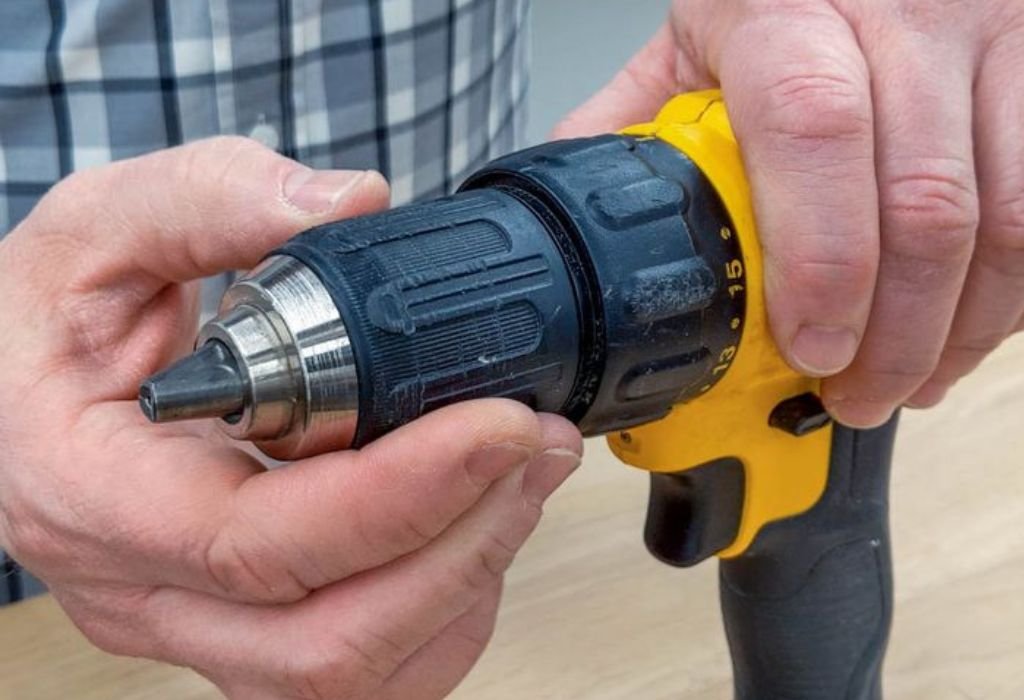
- Disconnect the drill before magnetizing.
- Handle strong magnets carefully; neodymium magnets can pinch skin.
- Keep away from electronics and magnetic cards.
- Wear gloves and avoid contact with pacemakers.
- Store magnetized tools separately to prevent interference.
Can magnetized bits attract filings dangerously?
Only slightly; wipe them clean before use.
Are neodymium magnets safe?
Yes, but handle gently — they snap together with force.
Can magnetizing void tool warranties?
No, it’s a harmless, reversible modification.
Does ambient temperature affect results?
Extreme heat weakens magnetism; room temperature is ideal.
Should I magnetize bits still in the chuck?
No, remove them for full and even magnetization.
Conclusion
A magnetized drill bit might seem like a small improvement, but it makes a big difference in real-world performance. It saves time, increases precision, and prevents countless dropped screws—especially when working in tight or overhead spaces.
You can magnetize a drill bit in just a few seconds using a simple magnet, a magnetizer tool, or a DIY electromagnet. Keep it clean, re-magnetize occasionally, and avoid high heat or hard impacts to maintain magnetic strength.
Whether you’re assembling furniture, wiring fixtures, or working in a workshop, a magnetized bit turns your ordinary drill into a smart, screw-holding power tool. With a little magnetic magic, screwdriving becomes faster, steadier, and far more satisfying.

I’m John F. Nicholas, the founder, lead writer, and drill enthusiast behind 101drill.com. With years of hands-on experience in power tools and DIY projects, I created this platform to share practical knowledge, expert tips, and real-world insights to help others master the art of drilling.