
A person held a small glass jar and imagined turning it into a custom spice container with tiny holes for sprinkling. Every attempt to drill small openings resulted in cracks spreading across the glass before the hole even formed.
Learning how to drill a small hole in glass safely became the moment when frustration turned into confidence.
Small holes are more challenging than larger ones because pressure concentrates on a tiny point. Most beginners push too hard or drill too quickly, causing chips long before the drill reaches the other side.
With the right technique, light pressure, and constant cooling, small holes can be made smoothly and safely.
Whether someone wants to create delicate craft designs, install thin wires, or make ventilation openings in a jar, the steps remain the same.
A Dremel provides slow and controlled grinding that protects the glass from stress. This guide explains each stage clearly so anyone can drill a small hole without breaking the surface.
Why Small Holes in Glass Require Special Technique
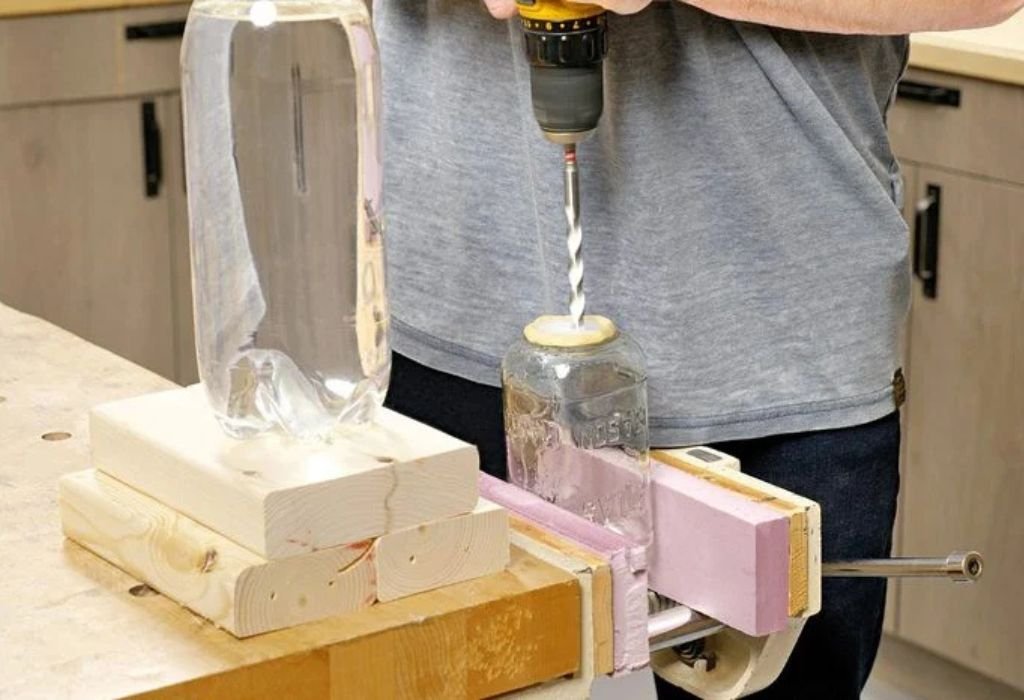
Small holes require more precision because the surface tension of glass focuses on a smaller contact area. This increases the chance of cracking if pressure is applied too quickly. Slow drilling helps distribute stress evenly across the surface.
Unlike larger holes, small openings rely on gentle grinding instead of deep cutting. The bit removes very little material at a time, making patience essential. Constant cooling keeps the temperature stable and prevents sudden fractures.
Small holes also need better stability to stop the bit from slipping. A tiny wandering movement can scratch or chip the glass instantly. Proper preparation ensures a smooth and clean result.
Tools and Materials Needed for Small Glass Drilling
A Dremel rotary tool with variable speed control is the safest option for drilling small holes. Fixed-speed drills rotate too fast and create heat that glass cannot tolerate. A flexible shaft attachment improves control for delicate work.
Diamond-tipped drill bits are required because they grind the surface instead of cutting. Micro diamond bits between one to three millimeters work best for small openings. Using the correct size prevents stress and uneven grinding.
Water is the most important cooling method during drilling. A spray bottle, wet sponge, or clay dam keeps the drilling point wet. Safety equipment like goggles, gloves, and a dust mask protects from fine particles.
Choosing the Right Diamond Bits for Small Holes
Micro diamond core bits are ideal for making clean and round small holes. Starting at a slight angle helps prevent slipping on smooth surfaces. Once a groove forms, the bit can be leveled for stable drilling.
Diamond burr bits are useful for widening or smoothing the hole after the initial cut. Their rounded tips allow gentle shaping without causing chips. Low speed and light contact ensure full control.
Avoid using carbide or metal bits because they apply cutting force instead of grinding. Glass cannot tolerate this pressure and may crack instantly. Choosing the right bit is the first step toward success.
Preparing the Glass Surface Before Drilling
Clean the surface with alcohol or mild soap to remove oils and dust. Dry the glass completely before applying tape. Smooth surfaces need traction for the bit to stay in place.
Place masking tape over the drilling spot to reduce slipping. The tape also helps prevent initial chipping. On curved objects like bottles, use overlapping strips for stability.
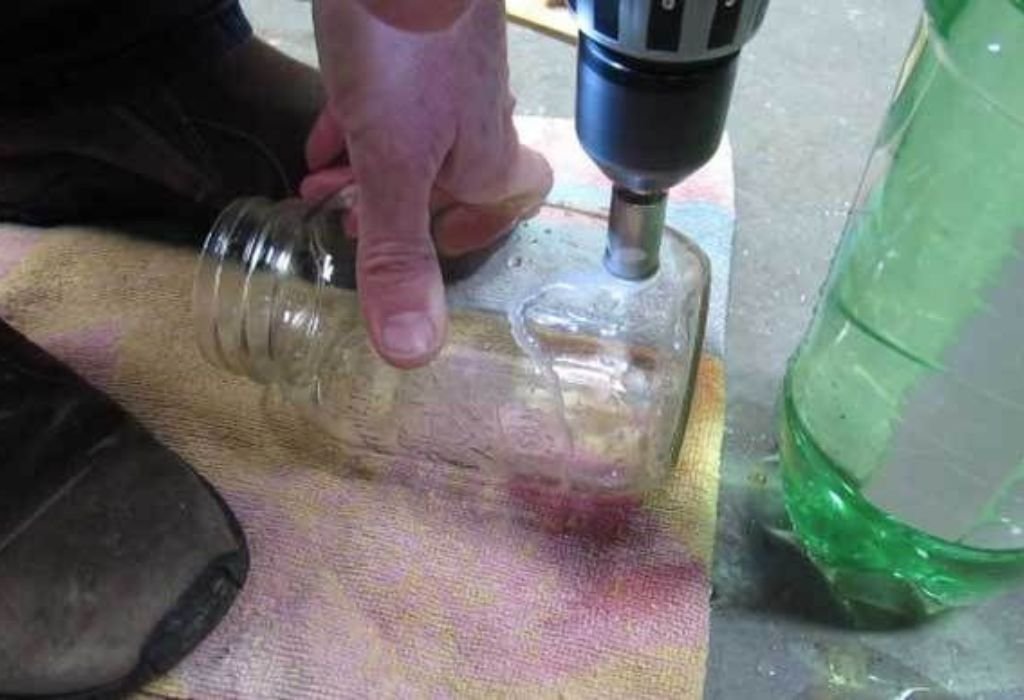
Support the glass on a padded surface to absorb vibration. Never hold the glass by hand because movement increases the risk of cracks. A towel or rubber mat provides stability during drilling.
Safety Precautions Before Starting the Process
Wear protective eyewear to shield against small shards that may fly while drilling. Gloves prevent cuts when handling the glass. A dust mask protects from fine particles created during grinding.
Keep the workspace stable and free from distractions. Do not drill near edges or corners where glass is weaker. Make sure the glass is firmly supported before starting.
Never apply force to speed up drilling. Glass responds best to slow and gentle pressure. If you notice cracking sounds or stress lines, stop immediately.
Step by Step Method to Drill a Small Hole in Glass
Mark the drilling point and cover it with masking tape. Start the Dremel at the lowest speed while holding it at a slight angle. Once a shallow groove forms, level the bit and continue slowly.
Let the tool’s weight do the work instead of pushing downward. Keep the surface wet to prevent heat buildup. Move in tiny circular motions if the bit needs stability.
As the bit reaches breakthrough, reduce pressure even further. The glass is most fragile during the final moments. Lift the tool straight up once the hole is complete.
Cooling Techniques to Prevent Cracks and Stress
Continuous cooling is the key to safe drilling. Drip water over the drilling point throughout the process. A wet sponge beneath the glass keeps moisture flowing from below.
A clay dam can hold a small pool of water around the drilling area. This keeps the bit submerged and prevents friction. Never drill while the glass is dry.
Avoid using oil or lubricants because they do not cool effectively. Water remains the safest option. Stop and cool the glass anytime it becomes warm.
How to Control Size and Depth of the Small Hole
Start with the smallest bit and increase size gradually if needed. Sudden enlargement can stress the surface and cause cracks. Micro burr bits allow controlled widening.
Move slowly around the edge using light circular motions. Keep the surface wet during shaping. Check progress frequently to avoid removing too much material.
Depth control is important when drilling only partway through. Reduce pressure as you reach the desired depth. Slow adjustment keeps the glass stable.
Common Mistakes and How to Avoid Breakage
Applying pressure is the most common mistake when drilling small holes. Let the bit grind naturally at a slow pace. Patience ensures a clean and safe result.
Drilling at high speed generates heat quickly. Always use the lowest speed setting. Fast rotation increases risk instead of improving performance.
Skipping cooling is another frequent error. If the glass becomes warm, stop immediately and cool it. Proper cooling prevents internal stress.
Troubleshooting Chips and Slips During Drilling
Small chips appear when pressure increases near breakthrough. Reduce speed and lighten contact at the end. Smooth the edges later using a fine burr bit.
Slipping happens when the bit lacks traction on polished surfaces. Masking tape or starting at an angle prevents wandering. Once a groove forms, drilling becomes stable.
If stress lines develop, stop drilling and cool the glass. Do not continue through a damaged area. It is safer to restart on a new spot if cracks spread.
Cleaning and Finishing a Small Hole in Glass
Rinse the glass under clean water to remove fine dust. Avoid wiping while dry to prevent scratches. Pat gently with a soft cloth once clean.
Smooth rough edges using a fine diamond burr bit. Keep the surface wet during finishing. This creates a polished and safe opening.
Allow the glass to dry fully before use. Inspect the hole for chips or uneven areas. A clean finish ensures safety and quality.
When Not to Drill and Safe Alternatives
Never drill tempered or safety-treated glass because it is designed to shatter when damaged. These materials cannot be drilled after manufacturing. Attempting it will always fail.
Avoid drilling valuable antique pieces unless you accept the risk. Older glass may contain hidden stress or flaws. Consult a professional if unsure.
Consider using pre-drilled glass, switching to acrylic, or choosing different designs. Acrylic offers similar clarity with easier handling. Selecting the right material prevents frustration.
Care and Maintenance of Diamond Bits
Rinse diamond bits under water after use to remove dust. Use a soft brush to keep the abrasive surface clean. Allow them to dry completely before storage.
Avoid applying force because it wears the coating faster. Let the bit grind naturally at low speed. Proper technique extends tool life.
Store bits in a dry container away from moisture. Keep sizes organized for easy access. Good maintenance ensures consistent performance.
Helpful FAQs for Safe and Crack-Free Small Hole Drilling
Can I drill a small hole using a regular drill?
A regular drill is harder to control and increases the risk of cracks, while a Dremel provides safer grinding.
Do I need special bits for small holes?
Yes, only micro diamond bits work properly because they grind instead of cutting.
What speed should I use?
Always use the lowest speed setting to prevent friction and heat.
Can I drill without water?
No, drilling dry glass causes rapid heating and leads to cracks.
How do I stop the bit from slipping?
Apply masking tape over the drilling spot and start at a slight angle.
Why did the glass crack at the end?
Breakthrough is the most fragile stage, so reduce pressure before finishing.
Can I widen the hole later?
Yes, use fine diamond burr bits and work slowly while cooling.
Is it safe to drill curved glass?
Yes, if supported securely and kept wet throughout the process.
How do I know if the glass is tempered?
Tempered pieces may show a dotted pattern under polarized lenses and cannot be drilled.
What should I do if chips appear?
Smooth the edges gently using a fine burr bit while keeping the surface wet.
Conclusion
Drilling a small hole in glass becomes safe and manageable when the right tools and methods are used. Working slowly, applying minimal pressure, and keeping the surface cool are the most important steps to prevent cracks.
With proper preparation and patience, even beginners can create clean and smooth openings for crafts and home projects.
Choosing the correct diamond bits, supporting the glass properly, and avoiding high-risk materials greatly increases success.
Knowing how to troubleshoot common issues and finish the hole correctly ensures a professional final result. With this guide, anyone can drill a small hole in glass confidently and safely.

I’m John F. Nicholas, the founder, lead writer, and drill enthusiast behind 101drill.com. With years of hands-on experience in power tools and DIY projects, I created this platform to share practical knowledge, expert tips, and real-world insights to help others master the art of drilling.