
Drilling hardened metal is one of those tasks that makes even experienced DIY users and mechanics pause for a moment. Hardened steel is designed to resist cutting pressure so the usual drill bits that glide through soft metal struggle immediately. Many people discover this the hard way when their bit begins to smoke slip or produce a small shiny dent without actually cutting. It creates frustration and leaves them wondering if drilling hardened metal is even possible at home.
The truth is that hardened metal can be drilled but the technique must be different from drilling normal steel. The correct drill bit type speed pressure and lubrication make the job completely manageable. Once someone understands these steps they usually feel surprised at how clean and precise the final result becomes. Hardened metal feels intimidating only until the right method is applied.
Mistakes usually happen when people try to use high speed or force thinking power equals effectiveness. But hardened steel reacts differently and becomes even more resistant under excess heat. This is why controlling temperature is the real key to success. When heat stays low drilling becomes smoother more predictable and safer for both the drill and the material.
Anyone who needs to install bolts modify tools create mounting holes or work on automotive or machinery parts eventually faces hardened steel drilling. Learning the right technique ensures that the project progresses smoothly without broken bits or damaged surfaces. With the steps in this guide you can approach hardened metal confidently and achieve professional quality results at home.
Understanding Hardened Metal Before Drilling
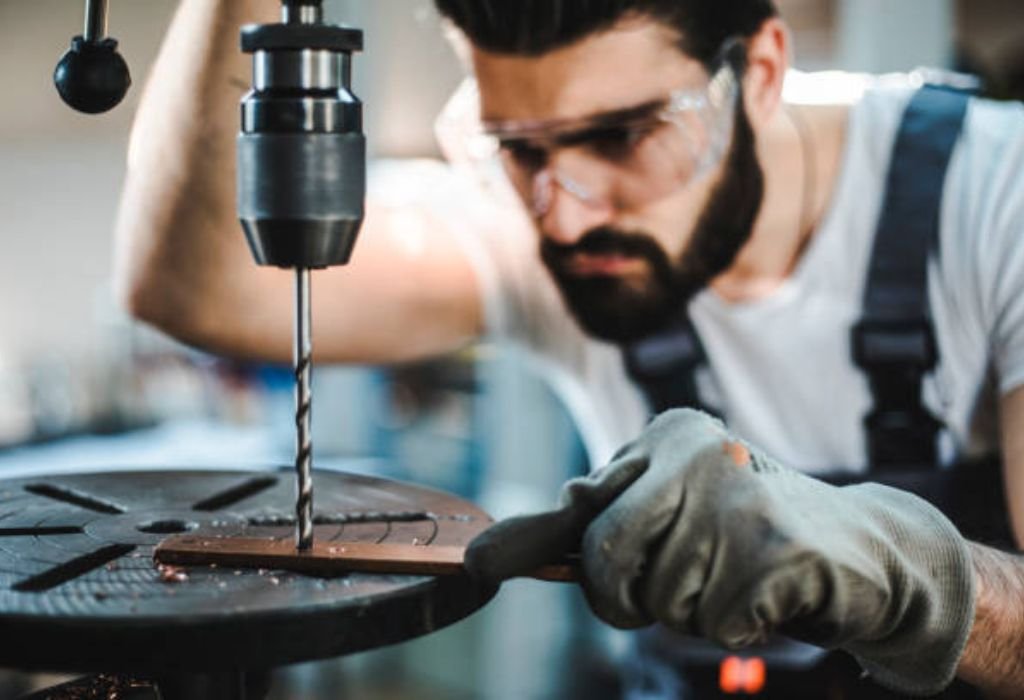
Hardened metal is created through heat treatment which increases strength. This process makes the crystal structure tighter and more resistant to cutting. As a result ordinary steel bits cannot penetrate it easily.
When a drill bit touches hardened metal friction rises quickly. Friction produces heat and heat hardens the metal even further. This creates a cycle that stops drilling progress.
Understanding this helps you see why specialized drill bits are required. The bit must be harder than the steel itself. Materials like carbide and cobalt handle this task well.
Hardness also varies among different types of steel. Tool steel automotive components knives and machinery parts often have higher hardness levels. These metals need extra care during drilling.
Knowing the hardness level helps you choose the right equipment. Using the wrong bit wastes time and damages tools. Preparation prevents many common drilling issues.
Choosing The Right Drill Bit For Hardened Metal
The most reliable option for hardened steel is a carbide drill bit. Carbide is extremely hard and maintains its edge even under heavy friction. This makes it perfect for high strength metals.
Cobalt drill bits are also excellent choices. They are more affordable and durable and they handle most hardened steel tasks effectively. These bits resist heat and stay sharp longer.
Avoid standard high speed steel bits because they dull instantly. Hardened metal quickly destroys soft bits. Using them causes slipping and heat.
If your project requires deep holes consider step drilling. Starting with a small pilot bit reduces pressure on the final bit. This extends bit life and improves accuracy.
Diamond coated bits can help with extremely hard alloys. They grind slowly but produce clean holes. Matching the bit to the metal saves effort and time.
How To Prepare Hardened Metal Before Drilling
Start by cleaning the metal surface thoroughly. Dirt and oil increase slipping risks. A clean surface helps the drill bit grip.
Mark your drilling point with a marker or masking tape. Masking tape also reduces scratching during the start. Clear markings guide your accuracy.
Use a center punch to create a small dent. The dent keeps the drill bit from wandering when rotation begins. This is essential for hardened metals.
If the piece is movable clamp it tightly. Any vibration increases difficulty and can break the drill bit. Stability is crucial with tough steel.
Double check your measurement before drilling. Hardened steel is not forgiving once the hole begins. Planning ahead avoids mistakes.
Step By Step Guide To Drilling Hardened Metal
Place the drill bit into the punched dent and hold the drill firmly. Start at the lowest possible speed to avoid instant heat. Slow cutting improves accuracy.
Apply steady but light pressure. Excess pressure overheats the bit and the metal. Controlled pressure helps the bit slice instead of rub.
Increase speed slightly only when the bit begins to bite into the steel. Proper rhythm forms clean chips. Chips indicate real cutting.
Periodically withdraw the bit to clear chips. This prevents clogging and lowers temperature. Clean flutes help the bit move smoothly.
If the drill begins to squeal stop immediately. Squealing means heat is building. Allow the bit to cool before continuing.
Why Lubrication Is Critical For Hardened Metal Drilling
Lubrication reduces friction which lowers temperature dramatically. Cutting oil is the best option for hardened steel. A single drop makes a noticeable difference.
Without lubrication friction rises fast. This leads to heat which hardens the steel more. Hardened steel becomes even harder when heated.
Apply oil before starting and reapply whenever heat increases. Keeping the bit cool preserves its edge. Cool bits last longer.
Oil also produces cleaner chips. Clean chips improve cutting speed and reduce vibration. Smoother drilling means better hole quality.
Avoid drilling dry unless absolutely necessary. Dry drilling risks burning the bit. Lubrication protects both the tool and the metal.
Common Mistakes When Drilling Hardened Metal
Using high speed is one of the biggest mistakes. High speed creates heat instantly. Heat is the enemy when drilling hardened metal.
Another mistake is forcing the bit. Forcing does not help because hardened steel resists pressure. Force only breaks bits.
Some people try to start drilling without a center punch. This causes slipping which scratches the surface. Slipping also makes alignment difficult.
Using the wrong bit wastes time. Ordinary bits cannot cut hardened steel. They dull within seconds.
Skipping lubrication is another mistake. Dry drilling leads to overheating. Overheating destroys the cutting edge.
How To Prevent Overheating While Drilling Hardened Metal
Pause frequently during drilling. Allowing the bit to cool prevents heat buildup. Short breaks maintain cutting performance.
Dip the bit in cutting oil if it gets warm. Oil absorbs heat quickly. This helps maintain bit hardness.
Use a slow consistent speed throughout the drilling process. Slow speed prevents rapid temperature rise. Consistency keeps the bit stable.
Make shallow passes instead of drilling continuously. Removing the bit regularly clears chips. Cleaner flutes reduce friction.
Monitor the sound of the drill. If the tone changes stop immediately. Sound changes indicate rising heat.
Finishing And Smoothing The Drilled Hole
Once drilling is complete inspect the hole closely. Hardened metal often leaves sharp edges. These edges can damage screws or bolts.
Use a deburring tool to smooth the rim. This creates a clean opening. Smoother edges improve final appearance.
If you do not have a deburring tool use a metal file. A few gentle passes remove burrs. Filing also prevents injuries while handling the piece.
Wipe away metal shavings with a brush. Never use bare hands. Hardened steel shavings are extremely sharp.
Add a drop of oil to the finished hole to prevent rust. Hardened steel is still vulnerable to corrosion. Oil improves long term durability.
Post Drilling Safety And Maintenance Tips
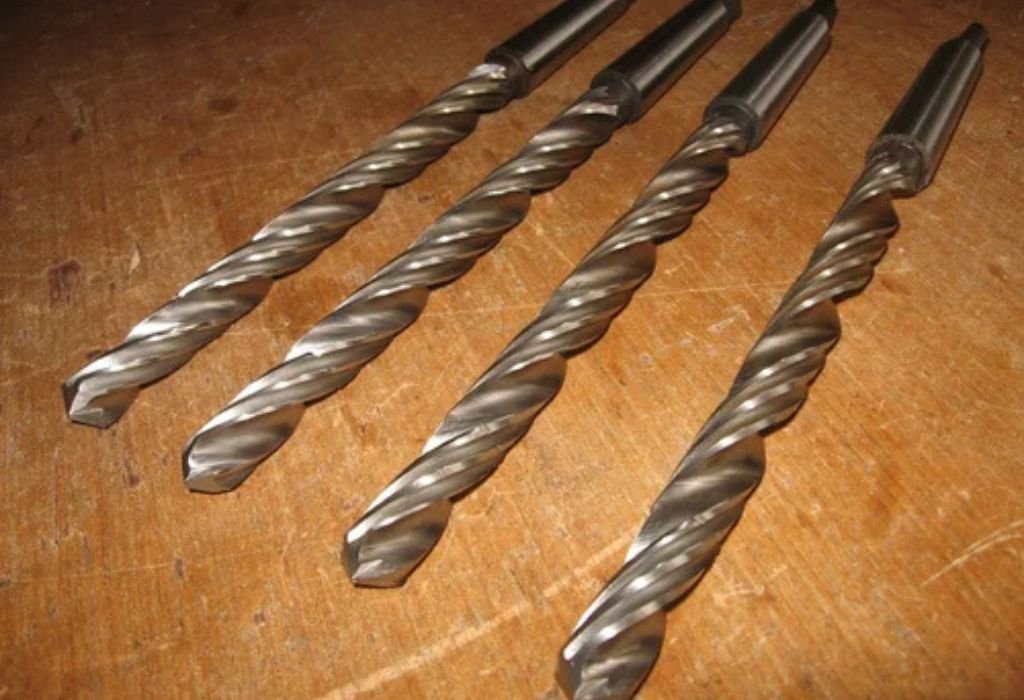
Clean the drill bit after use. Metal chips stuck to the flutes reduce performance. Clean bits stay sharp longer.
Store carbide and cobalt bits separately from softer tools. Hard bits chip when struck against other metal tools. Proper storage preserves edges.
Inspect the bit for heat discoloration. Blue or purple marks indicate overheating. Overheated bits need resharpening.
Sharpen dull bits before using them again. A sharp bit is safer and faster. Regular sharpening extends tool life.
Always keep cutting oil nearby for future hardened steel projects. Good lubrication habits improve every drilling task. Oil is essential for metal cutting work.
Random FAQ Block (Placed After Section 8)
Can I drill hardened metal with a regular drill?
Yes you can as long as you use the correct bit such as carbide or cobalt. Speed control is more important than drill type.
Why does my drill bit stop cutting halfway?
This happens when the bit overheats. Cooling and lubrication solve the problem.
What is the best bit for extremely hard steel?
Carbide bits work best for very hard alloys. They hold their edge even under intense friction.
Is a pilot hole necessary for hardened metal?
Yes a pilot hole reduces pressure on the larger bit. It improves accuracy and cutting speed.
Can I drill hardened metal without oil?
It is possible but not recommended. Lack of oil creates heat which damages bits.
Conclusion
Drilling hardened metal becomes manageable once you understand how heat and friction affect the process. With the right bit type a slow speed and consistent lubrication you can cut through even the toughest steel with confidence. The steps may seem different from ordinary drilling but they give you total control and prevent frustration.
Preparation with a center punch stable clamping and proper marking ensures that the hole begins cleanly. Slow cutting pressure chip removal and regular cooling keep the metal from hardening further during drilling. These simple adjustments lead to smoother drilling and much longer tool life.
Finishing touches such as deburring cleaning and protecting the drilled area improve both appearance and durability. Whether you are modifying tools installing fasteners or performing machinery work this method delivers strong clean and accurate holes every time. With patience and the correct technique hardened steel becomes just another material you can handle with confidence.

I’m John F. Nicholas, the founder, lead writer, and drill enthusiast behind 101drill.com. With years of hands-on experience in power tools and DIY projects, I created this platform to share practical knowledge, expert tips, and real-world insights to help others master the art of drilling.