
Mark didn’t expect drilling a single hole in a glass vase to turn into a stressful afternoon. The cheap bit he picked up for a few dollars overheated almost instantly, and the vase cracked before he even got halfway through.
That moment taught him that price and performance don’t always match when it comes to glass drill bits.
Many people walk into a hardware store assuming all bits work the same because they look similar.
Some are surprised to see one bit costing five dollars while another sits beside it at thirty. Without understanding the difference, choosing becomes a gamble that can ruin a project in seconds.
The truth is that cost depends on far more than just brand names or packaging. Material, size, and intended use all affect how much you should expect to pay. A little knowledge makes the difference between a clean hole and a broken surface.
Whether you are drilling a single bottle or installing dozens of glass tiles, the right bit saves money and frustration.
Spending slightly more upfront can prevent damage that costs far more to replace later. Knowing how pricing works helps you choose with confidence before starting any project.
Glass Drill Bit Costs Explained
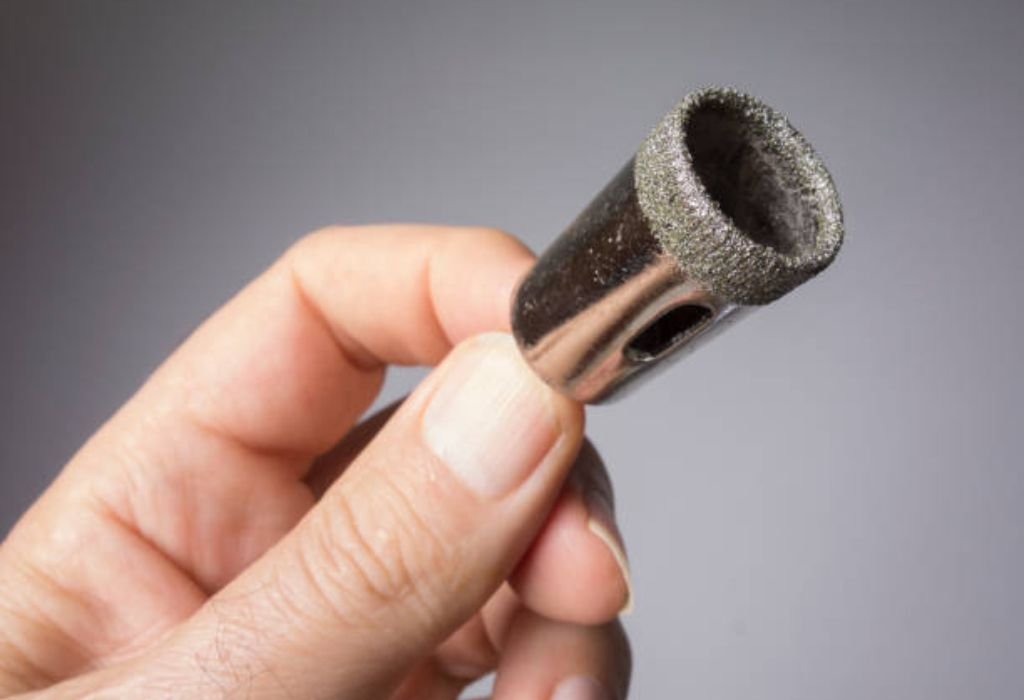
Glass drill bits surprise many first-time buyers because prices vary widely even for similar looking products.
Most standard spear-tip bits start around five dollars, while premium diamond-coated versions can reach over forty. Knowing why the cost changes helps prevent choosing the wrong bit and damaging fragile glass.
Buying purely on price often leads to cracked bottles or chipped tiles within seconds. The cheapest bits are sometimes made with low-grade steel that dulls quickly and overheats.
A single failed hole usually costs more than investing in a higher quality option. Choosing correctly saves time, stress, and money.
Pricing also depends on where you shop and whether the bit is sold individually or in a set. Hardware stores often charge more per piece than online bundles.
Sets with multiple diameters provide better value for repeated projects. Understanding these basics creates confidence before purchasing.
Different projects change what “expensive” or “cheap” means. A homeowner drilling one small hole in a vase may not need a professional-grade tool.
Someone installing dozens of holes in shower glass will want long-lasting diamond bits. The right choice depends on frequency and precision.
Manufacturers also design bits for specific surfaces such as tempered glass, ceramic, or porcelain. Using the wrong type increases breakage no matter the price. Labels should always specify “for glass” or “diamond-coated.” This simple step prevents frustration.
Taking a moment to learn the price ranges helps you avoid buying twice. Spending a little more upfront usually delivers cleaner holes and longer bit life. Quality becomes more obvious after the first successful drill.
Typical Price Range for Glass Drill Bits
Most glass drill bits fall between five and forty dollars depending on size and style. Entry-level spear-tip bits usually cost five to ten dollars each.
These are suitable for occasional light use and DIY craft projects. Diamond-coated bits typically range from ten to thirty dollars for single pieces.
Sets offer better value when multiple hole sizes are needed. A basic three-piece diamond set may cost fifteen to twenty dollars. Larger professional kits with up to ten sizes can range from thirty to eighty dollars. The per-bit price decreases significantly in bundles.
Size affects price because larger diameters require more cutting surface. A six-millimeter bit might cost eight dollars, while a twelve-millimeter version can reach twenty-five.
Larger bits also require slower drilling and more lubrication. Planning ahead prevents overspending on unused sizes.
Brand reputation also plays a role in pricing. Well-known tool brands often charge more but provide consistent performance. Generic or unbranded products may vary in durability even within the same package. Reviews help determine whether a low price is worth the risk.
Buying online usually provides more variety and better pricing. Local stores may stock only limited options with higher markups. Checking multiple sellers ensures fair cost without compromising on quality. Careful comparison prevents impulse purchases.
Knowing the typical ranges removes uncertainty before shopping. Price becomes easier to judge when you understand what influences the cost. This leads to smarter purchasing decisions and successful results.
What Makes Some Bits More Expensive
Diamond coating is the main factor that increases price. These bits use industrial diamonds bonded to the tip for smoother cutting. The material resists heat and stays sharp longer than steel. As a result they cost more but provide better performance.
Manufacturing precision also affects pricing. Higher end bits are engineered with tighter tolerances to reduce vibration. This prevents cracking and creates cleaner holes. Cheaper bits may wobble and wear unevenly. Small differences in production matter on fragile surfaces.
Cooling design contributes to cost in some specialty bits. Hollow-core or water-feed styles reduce heat buildup while drilling. These features protect both the bit and the glass. The added engineering increases price but improves safety.
Longevity should always be considered when comparing cost. A cheap bit that works once may seem affordable. A premium bit that lasts through multiple projects offers better long-term value. Cost per hole often becomes more important than price per piece.
Brand testing and quality control add overhead to reputable manufacturers. This ensures consistent results across batches. Generic products may lack the same reliability. Spending slightly more reduces the chance of mid-project failure.
Understanding these price drivers helps justify why some bits cost more. The investment pays off when the hole finishes smoothly without chips or cracks.
Where to Buy and What to Expect
Local hardware stores are convenient but often have limited selection. Prices may be higher because inventory is smaller. These shops work well for emergency purchases or common sizes. Staff can sometimes provide quick advice.
Online marketplaces offer the widest range of options. Competitive pricing and customer reviews make comparison easier. Delivery time is the main downside for urgent projects. Buying from verified sellers helps avoid counterfeits.
Specialty tile or glass supply stores focus on professional-grade tools. Their prices are higher but product quality is reliable. These shops often carry premium diamond bits and water-feed systems. Professionals benefit most from these sources.
Big-box retailers fall somewhere in the middle. They stock mainstream brands at moderate prices. Selection is reasonable but not extensive. These stores are convenient for general DIY needs.
Second-hand tools are rarely recommended for glass drilling. Used bits may appear sharp but can have invisible wear. This dramatically increases the risk of cracking. Buying new ensures consistent performance.
Knowing where to shop reduces both cost and risk. The right source depends on urgency, budget, and project demands.
Best Value Options for Different Users
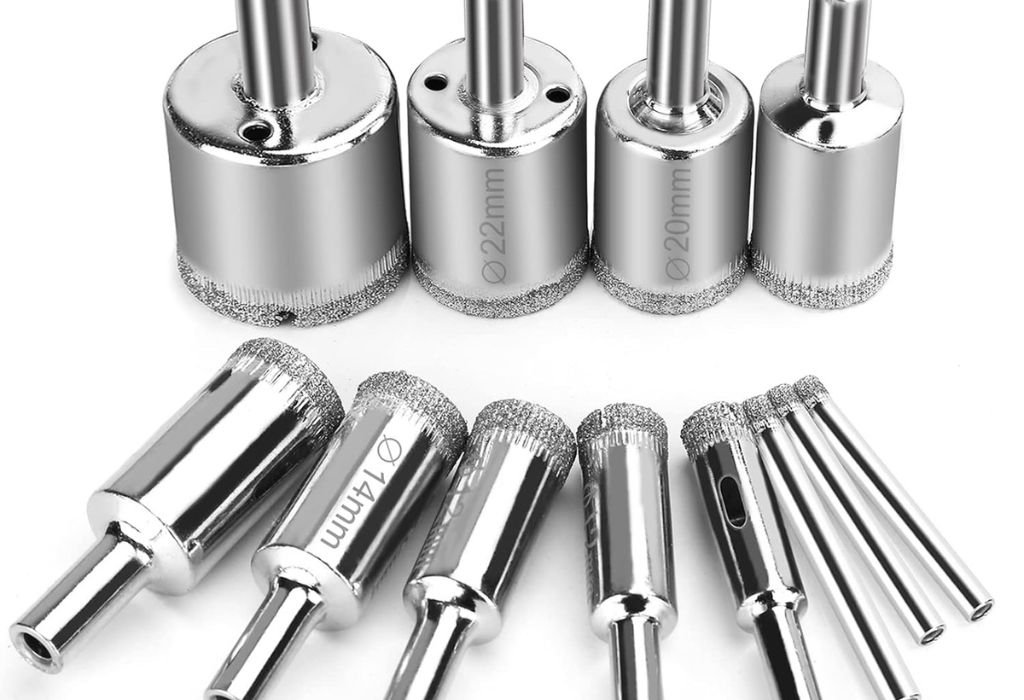
Casual DIY users usually benefit from inexpensive spear-tip bits. These tools are ideal for light crafts and occasional drilling. They provide acceptable performance when used slowly with lubrication. Spending more is unnecessary for single-use needs.
Home renovators who drill glass tiles should consider mid-range diamond bits. These offer better durability without premium pricing. Sets with multiple sizes provide flexibility for bathroom installations. This level balances cost and performance.
Professionals require long-lasting diamond-coated bits with advanced cooling features. The initial investment is higher but cost per hole is lower. These tools prevent delays and ensure clean results for clients. Reliability becomes essential in commercial work.
Hobby artists may benefit from small-diameter diamond sets. These bits allow precise holes in bottles, ornaments, and sea glass. Buying a full kit saves money over individual pieces. Creative projects require flexibility more than size range.
People drilling tempered glass should avoid using standard bits altogether. Tempered surfaces shatter instantly regardless of price. Only specialized tools or pre-drilled panels should be used. Understanding limitations prevents dangerous mistakes.
Choosing based on project type ensures the best value. The right tool depends more on usage than price alone.
Complete Pricing Guide for Glass Drilling Tools
What Is the Average Cost of a Glass Drill Bit?
Most glass drill bits cost between five and thirty dollars depending on material and size. Basic spear-tip styles are cheapest, while diamond-coated options cost more.
Are Diamond Glass Drill Bits Worth the Price?
Yes, diamond bits last longer and drill cleaner holes, making them more cost-effective over time. They reduce cracking and provide smoother results.
Why Do Larger Glass Drill Bits Cost More?
Larger bits require more cutting surface and precision manufacturing. They also wear faster and need stronger materials to stay effective.
Is It Cheaper to Buy a Set Instead of Single Bits?
Sets usually offer better value when multiple hole sizes are needed. The per-bit price decreases significantly compared to individual purchases.
Do Expensive Bits Guarantee Better Results?
Higher price often means better durability and performance but not always. Brand reliability and proper technique matter equally.
Can Cheap Glass Drill Bits Work for Small Projects?
Yes, inexpensive bits can work for occasional light drilling. Slow speed, lubrication, and patience are still required to prevent cracking.
Are Hardware Store Prices Higher Than Online Shops?
Local stores often charge more due to limited stock and higher overhead. Online retailers provide wider selection and competitive pricing.
How Long Should a Diamond Glass Drill Bit Last?
Longevity depends on usage, speed, and cooling. With proper technique, one bit can drill multiple holes before wearing out.
Do Glass Drill Bits Come in Standard Sizes?
Yes, common sizes range from three to twelve millimeters. Larger specialty sizes are available but cost more.
Does Brand Matter When Buying Glass Drill Bits?
Reputable brands offer more consistent quality and durability. Generic products vary widely and may dull faster.
Conclusion
Glass drill bit pricing varies widely based on size, material, and intended use. Most shoppers can expect to spend between five and thirty dollars for standard options. Understanding these ranges prevents overspending and reduces the risk of choosing the wrong tool.
Diamond-coated bits cost more but offer the cleanest holes and the longest lifespan. Casual users may not need professional-grade tools, while frequent drilling benefits from higher durability. Choosing based on project type ensures the most cost-effective result.
Where you buy also influences pricing. Online sources typically offer more variety and better deals than local stores. Sets provide significant savings when multiple sizes are needed. The best value depends on planned usage rather than the lowest initial price.
Taking time to learn what affects cost leads to smarter decisions. Investing in the right bit prevents breakage, saves money, and produces cleaner results. Knowing the price ranges builds confidence before drilling into fragile glass.

I’m John F. Nicholas, the founder, lead writer, and drill enthusiast behind 101drill.com. With years of hands-on experience in power tools and DIY projects, I created this platform to share practical knowledge, expert tips, and real-world insights to help others master the art of drilling.