
The first time someone uses a keyless chuck, it usually feels surprisingly simple. Instead of reaching for a metal key or tightening teeth into place, the user only twists the chuck by hand and the drill bit locks firmly into position. No extra tools, no searching for a lost key, and no interruption in the middle of a job.
Keyless chucks became popular as cordless drills and fast bit changes became more common. Their internal mechanism uses synchronized jaws and threaded movement to grip the drill bit tightly through hand-applied torque.
What feels effortless on the outside is actually a precise mechanical design working inside the chuck.
Understanding how a keyless chuck works helps DIY users, woodworkers, and metalworkers avoid slippage, damaged bits, and unsafe operation.
Knowing the mechanism also makes troubleshooting easier when the chuck gets stuck or won’t tighten properly. With the right knowledge, the keyless chuck becomes more than just a convenience—it becomes a reliable and essential drilling tool.
What Is a Keyless Chuck and Why It’s Used
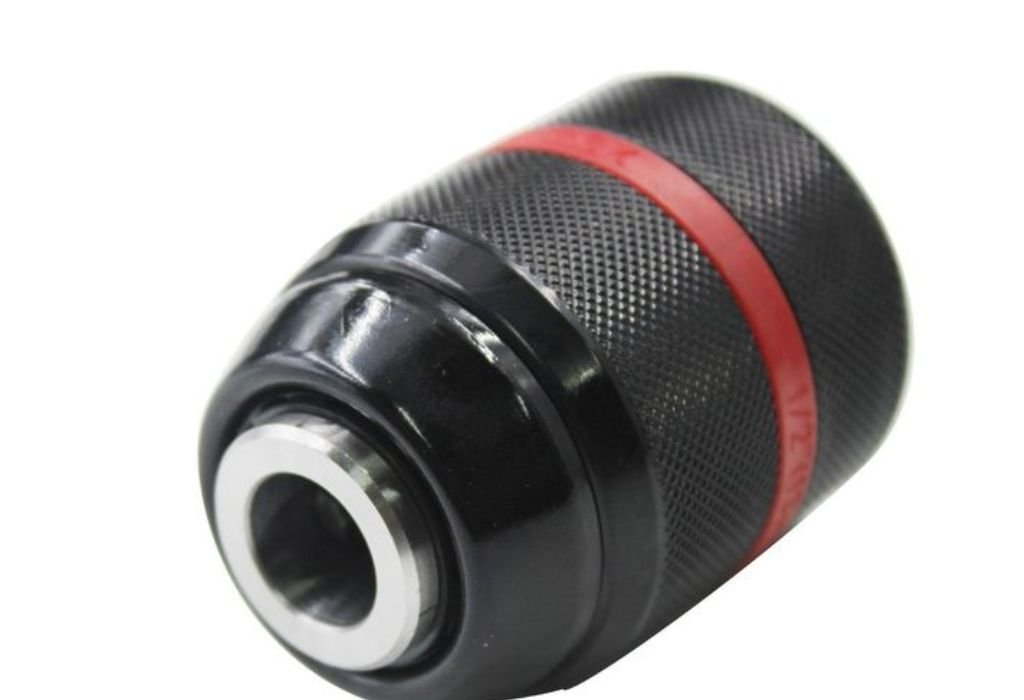
A keyless chuck is a drill chuck that tightens and loosens without using a separate key. Instead of inserting a tool to adjust the jaws, the user rotates the outer sleeve by hand to grip or release the drill bit. This allows quick and simple bit changes without extra accessories.
Keyless chucks are most commonly found on cordless drills and modern power tools designed for speed and convenience.
They eliminate the frustration of misplacing a chuck key, especially during frequent drilling tasks. Many professional and DIY users prefer them for everyday applications.
The design focuses on user efficiency by reducing downtime between drilling steps. Bit changes can be made with one or two hands depending on the chuck style. This makes keyless chucks ideal for repetitive work where speed matters.
Unlike keyed chucks that rely on mechanical leverage to tighten, keyless versions depend on hand-applied torque and internal locking mechanisms. This provides enough grip for most light and medium-duty drilling tasks. Heavier industrial work may still require keyed alternatives.
Keyless chucks are not universal across all drills, but their use continues to expand. Manufacturers include them on many consumer-grade and professional cordless models. Their convenience makes them standard equipment in many workshops.
Understanding why keyless chucks are used helps identify when they are the best choice. While not perfect for every situation, they offer practical benefits for most drilling needs. Their simplicity is what makes them so widely adopted.
Main Components Inside a Keyless Chuck
A keyless chuck contains several internal parts that work together to grip the drill bit securely. The outer sleeve rotates by hand and transfers torque to the internal mechanism. This motion drives the jaws forward or backward depending on direction.
The jaws are the three metal pieces that move inward to clamp the drill bit. They are positioned evenly around the center to ensure straight and balanced gripping. Their synchronized movement keeps the bit aligned during rotation.
A threaded internal mechanism connects the sleeve to the jaws. As the sleeve rotates, the thread converts circular motion into linear movement. This causes the jaws to tighten toward the bit or retract outward when loosening.
The grip surface on the sleeve provides friction for the user’s hand. Some chucks use ribbed or textured designs for better control. This allows tightening without slipping even when wearing gloves.
An internal taper helps center the bit and maintain stability under rotation. The bit sits firmly once the jaws close and make full contact. This reduces vibration and prevents wobbling at higher speeds.
What are the jaws in a keyless chuck?
They are three internal metal pieces that move inward or outward to grip and release the drill bit.
What does the sleeve do on a keyless chuck?
The sleeve rotates by hand and transfers torque to the internal thread that moves the jaws.
Why are there three jaws instead of two?
Three jaws center the bit evenly and provide balanced gripping during rotation.
Does the chuck use threads to tighten the jaws?
Yes rotating the sleeve drives a threaded mechanism that moves the jaws linearly.
What keeps the bit centered while drilling?
The internal taper and synchronized jaw movement hold the bit straight and stable.
How the Tightening Mechanism Works Internally
When the user twists the sleeve clockwise, torque transfers into the internal threaded system. This causes the threaded ring to move the jaws forward in a synchronized motion. As the jaws close, they clamp the drill bit evenly from three sides.
The more the sleeve is tightened, the more pressure is applied to the jaws. Hand-generated torque creates friction that prevents the bit from slipping during drilling. This friction-based grip is strong enough for most drilling tasks in wood, plastic, and light metal.
A self-locking action occurs once the jaws reach full contact. The internal thread design resists backward movement under rotational force. This keeps the bit secure even when the drill spins at high speed.
Some keyless chucks include a ratcheting feature that clicks during final tightening. This helps apply extra torque without slipping and improves security. Not all models include this, but it is common in higher-quality versions.
Proper tightening ensures the drill bit remains centered and stable. If not tightened fully, the bit may wobble, slip, or fall out during drilling. Hand pressure must be firm enough to activate the locking mechanism.
How does a keyless chuck tighten without a key?
Rotating the sleeve drives internal threads that move the jaws inward to grip the drill bit.
What creates the gripping force on the bit?
Hand-applied torque generates friction between the jaws and the bit surface.
What is self-locking in a keyless chuck?
It is the internal resistance that prevents the jaws from loosening during drilling.
Do all keyless chucks make a clicking sound?
No only ratcheting models click to indicate final tightening.
Why does the bit slip if not tightened enough?
Insufficient torque prevents the jaws from creating strong friction on the bit.
How the Release Mechanism Works When Loosening
When the sleeve rotates counter-clockwise, the threaded mechanism reverses direction. This causes the jaws to retract and create space around the bit. The bit can then slide out smoothly without force.
Loosening requires less torque than tightening because jaw pressure decreases immediately. The user may hold the drill body with one hand and twist the chuck with the other. Double-sleeve chucks allow easier loosening because both sleeves provide grip.
Some chucks include anti-seize features that prevent the mechanism from locking too tightly. This makes bit removal easier after heavy drilling. However excessive force during tightening can make loosening difficult.
The release process prevents damage to drill bits by avoiding twisting or prying. Forcing a stuck bit can scratch the jaws or damage the chuck threads. Proper loosening protects both components.
Understanding how release works ensures smooth bit changes without frustration. Consistent hand motion and correct technique keep the mechanism functioning well over time.
Single-Sleeve vs Double-Sleeve Keyless Chuck Designs
Single-sleeve keyless chucks use one outer sleeve that rotates while the drill motor locks the spindle in place. This design allows one-handed bit changes on drills with spindle locks. It is common in modern cordless drills for convenience.
Double-sleeve chucks have two rotating sleeves that must be held opposite each other. One sleeve is gripped while the other is twisted to tighten or loosen. This design provides more control but usually requires two hands.
Single-sleeve versions are faster and preferred for quick bit swapping. However they depend on the drill’s spindle lock to prevent slipping. Without a spindle lock, tightening may not be as secure.
Double-sleeve chucks offer stronger manual grip because both sleeves can be held firmly. This helps apply more torque when tightening bits for tougher drilling. They are often found on older or heavy-duty drills.
Choosing between the two depends on tool type and user preference. Convenience favors single-sleeve designs while precision favors double-sleeve. Understanding both options helps select the right chuck for the job.
Advantages of Using a Keyless Chuck
Keyless chucks allow fast bit changes without searching for a separate tool. This saves time during repetitive drilling tasks and improves workflow efficiency. Users can switch between different bit sizes in seconds with simple hand rotation.
They are easier for beginners because no tightening technique with a key is required. The hand-operated design offers intuitive control even for first-time users. This reduces the chance of overtightening or damaging the bit shank.
Keyless chucks are ideal for cordless drills used in woodworking, light metalwork, and home projects. Their convenience supports frequent drilling and fastening applications. Many modern power tools ship with keyless chucks as standard equipment.
They eliminate the risk of misplacing a chuck key during a project. Losing the key can stop work completely when using a keyed chuck. Keyless systems remove this problem entirely.
Some models include a ratcheting mechanism that increases tightening torque. This feature helps achieve a more secure grip without slipping. Higher quality chucks maintain gripping strength even under extended use.
Overall keyless chucks provide flexibility, speed, and ease of operation for most daily drilling needs. Their user friendly design is why they have become so widely adopted. For general use they offer a practical and reliable solution.
Limitations and When a Keyed Chuck Is Still Better
Keyless chucks cannot achieve the same tightening force as keyed versions. Heavy duty drilling in hardened metal may require the extra torque only a keyed chuck provides. This ensures the bit does not slip under high load conditions.
Large diameter bits often perform better with a keyed chuck. Increased torque during drilling puts more stress on the gripping jaws. A keyed system applies stronger mechanical pressure to hold the bit securely.
High vibration tools such as drill presses may not be suitable for keyless chucks. Continuous force can gradually loosen the jaws during operation. Keyed chucks maintain grip even under extended vibration.
Some industrial environments require precise torque control when securing bits. Keyless tightening depends on hand strength and may not be consistent. Keyed systems allow predictable and repeatable tightening force.
Cold or oily working conditions can make gripping the sleeve more difficult. Gloves may slip on smooth surfaces and prevent proper tightening. Keyed chucks offer better control in harsh environments.
Understanding these limitations helps users pick the right chuck for the task. While keyless designs are convenient, they are not ideal for every situation. Knowing when to choose a keyed chuck ensures better safety and performance.
How to Tighten a Keyless Chuck Properly for Best Grip
Proper tightening begins by inserting the drill bit fully into the jaws. The bit should sit straight and reach the deepest point for maximum contact. Centering prevents wobbling during high speed rotation.
The user should rotate the sleeve firmly until resistance increases. Applying steady hand pressure ensures the jaws grip evenly on all sides. A final twist helps activate the internal locking mechanism.
For ratcheting chucks, tightening continues until clicking is heard. This indicates that the maximum hand torque has been applied. Not all chucks include this feature so users must rely on manual feel when absent.
Holding the drill body steady prevents counter rotation while tightening. On single sleeve models the spindle lock keeps the chuck from spinning. Double sleeve designs require gripping both sleeves during adjustment.
Avoid using pliers or additional tools to tighten the sleeve. Excess force can damage the jaws or internal threads. Hand tightening is sufficient when performed correctly.
Learning proper tightening technique prevents bit slip, wobble, and accidental release. Consistent practice ensures reliable performance every time. Secure gripping improves both safety and drilling accuracy.
Common Problems and How to Fix a Stuck Keyless Chuck
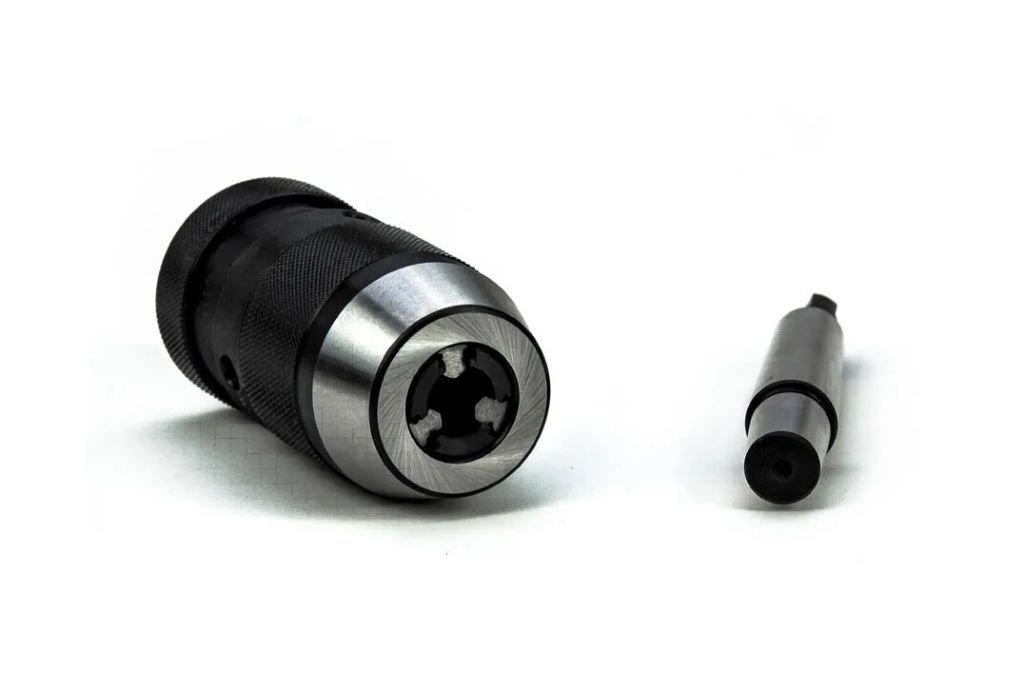
A common issue is the chuck refusing to open after heavy tightening. This happens when friction between the jaws and bit increases under load. Applying firm reverse rotation while holding the drill steady usually resolves it.
Debris buildup can also cause sticking inside the threaded mechanism. Dust, metal shavings, or dried lubricant restrict internal movement. Cleaning the chuck with compressed air and applying light oil restores smooth operation.
Cold temperatures may tighten the mechanism due to metal contraction. Allowing the chuck to warm naturally often improves movement. Forcing it while cold can damage internal components.
If the bit is jammed due to drilling pressure, reversing the drill at low speed may help. Gentle rotation relieves tension on the jaws. Pulling the bit without loosening can scratch both the bit and the chuck.
Severe cases may require removing the chuck from the drill for deeper cleaning. Most chucks unscrew from the spindle using the proper method. Professional service is recommended if internal parts are damaged.
Why does a keyless chuck get stuck after drilling?
Heat and pressure increase friction between the jaws and bit which makes loosening more difficult.
Can dirt inside the chuck cause it to jam?
Yes debris blocks the internal thread movement and must be cleaned to restore smooth function.
Is it safe to use tools to loosen a stuck chuck?
No tools can damage the sleeve and jaws so only controlled hand force should be used.
Can reversing the drill help release a stuck bit?
Yes slow reverse rotation relieves jaw tension and allows easier removal.
Should a frozen chuck be forced open in cold weather?
No allowing it to warm naturally prevents cracking or internal damage.
Maintenance Tips to Extend Chuck Performance and Lifespan
Regular cleaning helps prevent dust and debris from entering the mechanism. After drilling, wiping the jaws and blowing air through the chuck removes buildup. This keeps movement smooth and reduces wear.
A small amount of light machine oil can be applied occasionally. Lubrication protects the internal thread from corrosion and sticking. Excess oil should be avoided to prevent attracting dust.
Avoid overtightening the chuck beyond necessary grip. Excess force strains the jaws and can wear the internal components prematurely. Hand pressure is sufficient for proper tightening in most cases.
Storing the drill in a dry environment prevents rust from forming. Moisture exposure can corrode metal parts inside the chuck. Using a case or toolbox improves long term protection.
Inspecting the jaws periodically ensures they close evenly. Uneven wear may indicate internal damage or debris interference. Early detection prevents sudden failure during use.
Should a keyless chuck be lubricated regularly?
Yes light lubrication keeps the threads smooth but only a small amount should be used.
Can overtightening damage the chuck?
Yes too much force wears internal parts and reduces gripping performance over time.
How often should the chuck be cleaned?
Cleaning after frequent use prevents debris buildup and keeps the mechanism working smoothly.
Does moisture affect a keyless chuck?
Yes rust can develop inside and reduce movement so dry storage is important.
What if the jaws do not close evenly?
Uneven closure suggests internal wear or debris and should be inspected before continued use.
Conclusion
A keyless chuck works through a simple yet precise internal mechanism that tightens and releases drill bits using hand rotation.
The jaws move along threaded pathways to grip the bit securely without needing a separate key. This design offers speed and convenience for most drilling tasks.
While keyless chucks provide many advantages, they also have limitations in heavy duty or high torque situations.
Understanding how the mechanism works helps users prevent slipping, jamming, and improper tightening. Proper maintenance and technique keep the chuck performing reliably for years.
Choosing when to use a keyless chuck and when a keyed option is necessary ensures both safety and efficiency.
With the right care and operation, the keyless chuck remains one of the most practical features found on modern drills. Its simplicity is what makes it an essential tool for professionals and DIY users alike.

I’m John F. Nicholas, the founder, lead writer, and drill enthusiast behind 101drill.com. With years of hands-on experience in power tools and DIY projects, I created this platform to share practical knowledge, expert tips, and real-world insights to help others master the art of drilling.