
You pick up a handful of blue concrete screws and imagine them biting straight into the wall. The packaging looks rugged, the threads look aggressive, and skipping the pilot hole feels like it might save time.
Two seconds into driving, the screw chatters, stalls, and scuffs the surface. Heat builds at the head, the coating abrades, and the hole never truly forms the threads it needs.
That moment is not a mystery or bad luck. It is a sign that masonry fasteners need a prepared path, because brick, block, and concrete behave differently from wood and steel.
A proper pilot hole is how you turn uncertain friction into reliable thread formation. With that one step, installations become predictable, cleaner, and much stronger.
The Simple Answer
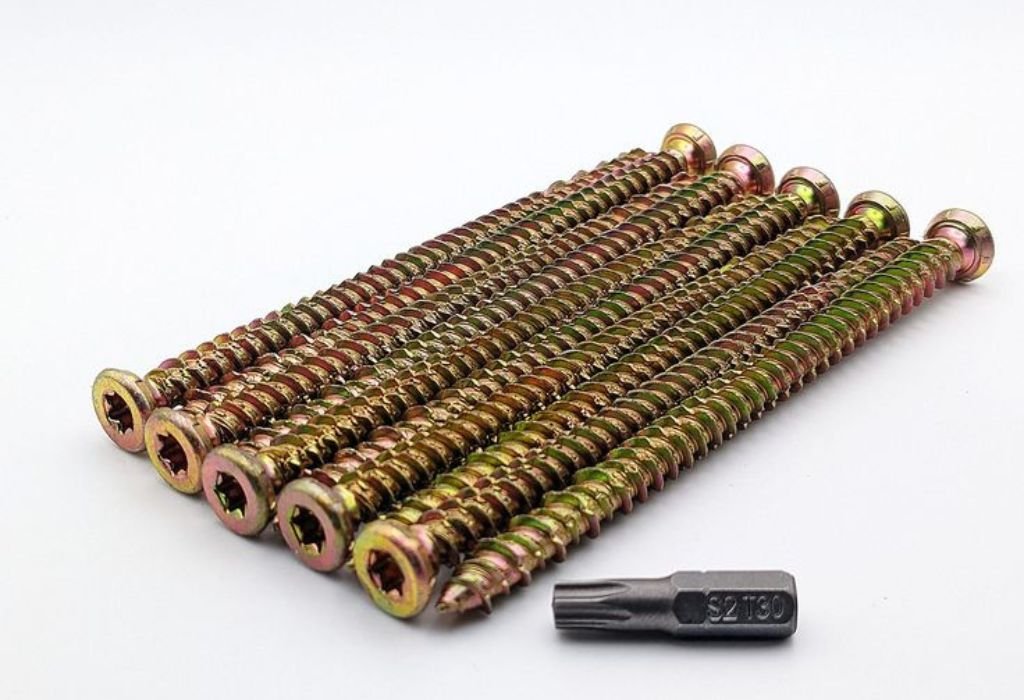
Yes, you should pre drill for masonry screws in brick, block, and concrete. A correctly sized pilot allows the hardened screw to carve threads into a brittle material without tearing it apart.
Without a pilot, the screw rubs rather than cuts and heat rises quickly. The crests round off, the bore turns glossy, and the holding power drops before the screw even seats.
Pre drilling is not wasted effort, it is controlled preparation. The pilot sets diameter, depth, and alignment so the screw can do its job efficiently.
Across repeated holes, the small time investment pays back in speed and consistent results. Your fixtures sit square, your torque is repeatable, and your hardware lasts longer.
How Masonry Screws Work
Concrete screws are hardened to bite into a prepared bore and form their own internal threads. Their strength comes from precise engagement between the thread crests and the wall of the hole.
If the hole is too small the screw binds, overheats, and can snap at the head. If the hole is too large the threads skim without grip and the fastener spins uselessly.
Unlike wedge anchors, these screws do not rely on expansion to hold. They rely on clean, continuous contact around the full circumference of the pilot.
That is why accuracy matters at every stage of drilling. Diameter, depth, and dust removal each contribute directly to final holding strength.
Why Pre-Drilling Matters
A correct pilot diameter is slightly smaller than the screw’s root diameter. This lets the crests shear a controlled amount of material and form clear threads inside the wall.
When the pilot is right, the torque curve during driving is smooth and predictable. The screw advances steadily, and the head seats flat without crushing the surface.
Pre drilling also protects the protective coating on many concrete screws. Less rubbing and heat during driving means better corrosion resistance over time.
In structural or exterior work, that coating can be the difference between long service and early failure. Preparation supports performance as well as durability.
Tools That Make It Easy
A hammer drill with a sharp carbide masonry bit is the default choice. Percussion fractures the matrix while the flutes carry powder out of the hole.
A regular drill can spin a masonry bit, but progress is slow and heat rises. Without percussion, the bit grinds constantly and the bore can wander.
Keep a vacuum or blower ready at the hole while you drill. Continuous dust removal keeps the bit cutting and preserves the planned diameter.
If you drive many anchors, invest in a depth stop or a simple tape flag. Consistent depth across holes creates consistent seating torque.
SDS When You Have Many Holes
SDS and SDS Plus systems lock the shank and deliver impact energy efficiently. The result is faster penetration, straighter bores, and less fatigue.
On dense concrete or long embedments, SDS becomes noticeably faster. The tip stays cooler, the flutes stay clearer, and the diameter stays true.
For occasional large holes or heavy loads, SDS Max is the next step. It adds energy for wide diameters and deeper drilling with less strain.
Even for a small project, an SDS rotary hammer can pay off quickly. Clean pilots reduce stripped threads and save both screws and time.
Pilot Size And Depth Rules
Always read the pilot size printed on your screw packaging. Manufacturers test the pairing for concrete strength, coating, and thread geometry.
Common pairings include a 5⁄32 inch pilot for many 3⁄16 inch screws, and a 3⁄16 inch pilot for many 1⁄4 inch screws. Metric sets often pair 4 or 5 millimeter pilots to 5 or 6 millimeter screws.
Drill the hole slightly deeper than the planned embedment. Extra depth gives dust a pocket below the tip so the screw does not bottom out too soon.
Mark the bit with tape or use a depth stop for consistency. Controlling depth prevents crushed surfaces and broken heads during seating.
Do I really need to follow the size on the box
Yes, because coatings and thread shapes vary by brand. The printed size reflects testing and gives the best balance of bite and torque.
What if the screw feels too tight in a correct pilot
Back it out and step the pilot up by one small size. Re drill straight, vacuum the hole, and test a hand start before driving.
How Deep To Drill
Embedment depth should match the manufacturer’s chart for the screw. Too shallow reduces pullout and too deep risks unnecessary torque and head failure.
Add at least a quarter inch of extra depth beyond the embedment. The extra space holds dust and prevents the screw tip from bottoming out.
Use a short, rigid bit to start holes accurately. Short bits wander less and help you maintain a square entry on dense brick faces.
For longer holes, switch to a longer bit only after you have a straight pilot. The first, accurate section guides the rest of the cut.
Dust Cleanout Is Critical
Dust acts like a lubricant between the threads and the wall. If it stays in the bore, the screw loses friction and starts to spin.
Withdraw the bit every centimeter or two to clear powder. Frequent clearing keeps cutting edges effective and reduces heat.
Vacuum the hole until the brush or nozzle comes back clean. A clear bore supports full thread formation and consistent torque.
On deep holes, blow out the bottom pocket and vacuum again. Alternating the two methods removes stubborn packed dust.
Driving Technique That Works
Start each screw by hand for two or three turns. A hand start confirms alignment and prevents face chipping at the entry.
Use an impact driver at moderate speed with steady pressure. Listen for a smooth cutting tone instead of squealing or sudden stalls.
Hold the driver square so the threads form evenly. A skewed angle cuts lopsided threads that reduce holding power.
Stop when the head seats flush and the fixture is snug. Over driving can crush brick faces or strip newly formed threads.
Should I wax or lube the screw to help it drive
Avoid lubricants because they reduce friction where you need it. A clean hole and correct pilot size are the right solutions.
Can I finish with a hand driver for better control
Yes, finishing by hand gives excellent feel near final torque. It helps you stop exactly when the head seats flat.
Substrate Differences
Concrete with large aggregate drills slower but holds very well. Expect longer percussion time and stricter dust control for clean threads.
Solid brick faces can be dense and almost glassy at the surface. Start gently, keep the drill square, and let the bit break the glaze before increasing pressure.
Old mortar joints are soft and tempting but unreliable. They are acceptable for temporary or very light fixtures, not structural loads.
Exterior walls add moisture and freeze cycles that stress anchors. Use screws with rated coatings and follow the embedment chart closely.
Hollow Block Tips
Hollow block has thin internal webs and large voids that change behavior. Aim pilot holes into webs for strength, or use sleeves designed for hollow sections.
When you cannot find a web, consider chemical anchors. Capsules or injection systems can secure in voided materials with proper screens.
Keep torque modest near thin webs to avoid cracking. A snug seat is better than a crushed edge that undermines the anchor.
Plan hole spacing generously on block partitions. Wider spacing reduces the chance of linked cracks and preserves capacity.
Edge Distance And Spacing
Keep at least two inches from edges and corners when possible. Closer placements benefit from smaller screws and lower torque to prevent breakout.
Space multiple screws several diameters apart to protect the matrix. Crowded holes can interact and reduce overall holding strength.
Follow the brand’s embedment and spacing tables for your screw size. Those tables reflect testing and give safe, repeatable layouts.
When in doubt, choose more, smaller fasteners rather than fewer, larger ones. Distributed load often performs better in brittle materials.
Avoid These Common Mistakes
Skipping the vacuum is the most common cause of failure. Dust left in the hole makes installation feel easy but weakens the final hold.
Using wood or metal bits for pilots is another trap. Those bits dull immediately and leave tapered, oversized bores.
Letting the drill wobble creates oval holes. Keep a stable stance, slow down, and correct alignment at the first sign of side load.
Driving at full speed strips threads and scuffs coatings. Controlled speed with steady pressure protects the fastener and the wall.
Quick Fixes When Things Go Wrong
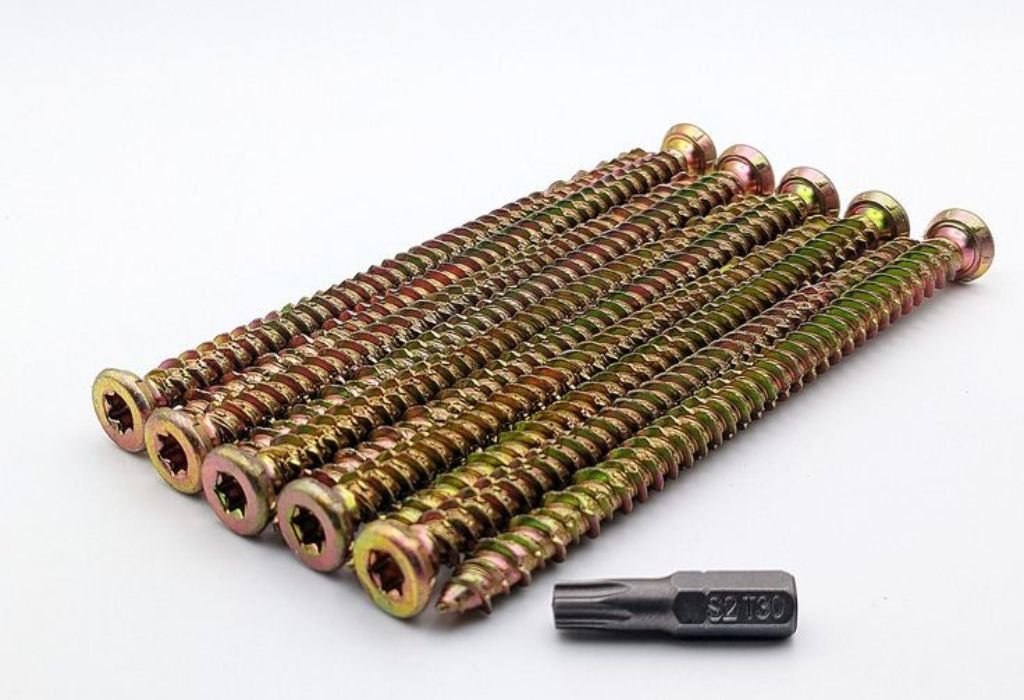
If insertion feels too tight, step the pilot up by one small size. Re cut straight, vacuum thoroughly, and test with a hand start.
If the screw spins, the bore may be dusty or oversized. Clean the hole, try a slightly larger screw, or switch to a chemical anchor.
If the entry chips on brick, widen the tape pad and start gently. Allow the bit to establish a seat before applying full pressure.
If you hit rebar in concrete, stop immediately. Relocate the hole if allowed or switch to a rebar cutter designed for metal.
Safety And Tool Care
Wear eye protection and a tight fitting respirator whenever you drill masonry. Silica dust is abrasive and hazardous to lungs and eyes.
Hearing protection matters because percussion creates sharp impulses. Protecting your ears improves comfort and focus during longer sessions.
Keep masonry bits sharp and retire glazed tips early. A fresh bit stays cooler, tracks straighter, and preserves the intended diameter.
Store masonry and metal bits in separate labeled cases. Clear organization prevents accidental misuse on busy days.
A Short Brand Cheatsheet
Many 3⁄16 inch concrete screws call for a 5⁄32 inch pilot in typical concrete. Many 1⁄4 inch screws call for a 3⁄16 inch pilot, though packaging instructions take priority.
Metric kits often recommend a 5 millimeter pilot for common 6 millimeter screws. Thread form and coating can shift sizes, so always confirm on the box.
Drill slightly deeper than embedment to create a dust pocket. That space prevents bottoming and smooths the final turns during seating.
Clean the bore every time, even for repeat holes. A clear interface between thread and wall is what gives you reliable strength.
Final Checklist
Confirm pilot size on the packaging before you begin. Gather a hammer drill, a sharp carbide bit, a vacuum, and a depth control method.
Drill slightly deeper than embedment and clear dust as you go. Keep the drill square and withdraw the bit periodically to cool and clean.
Vacuum the bore completely before driving each screw. Start by hand, drive with moderate speed, and stop when the head sits flat.
Inspect every finished head for clean seating and alignment. Small checks now prevent movement, leaks, and callbacks later.
Conclusion
Pre drilling for masonry screws is not optional in real brick, block, and concrete. A correctly sized pilot lets hardened threads form clean, continuous contact so your anchors hold with confidence.
The right setup starts with a hammer drill and a sharp carbide masonry bit. Percussion fractures the matrix while clear flutes and active dust removal keep diameter true and heat low.
Pilot size comes from the box chart because brands tune threads and coatings differently. Drill slightly deeper than embedment, mark depth on the bit, and vacuum the bore until it is spotless.
Driving is smooth when you start by hand, keep the driver square, and use moderate speed. Stop the moment the head seats flat to avoid crushing faces or stripping freshly formed threads.
Plan for the substrate you have rather than the one you wish for. Dense brick favors gentle starts, hollow block needs webs or sleeves, and exterior walls call for coated screws and careful embedment.
Small habits deliver big reliability over many holes. Clear dust often, retire glazed bits early, record sizes you used, and space anchors generously to protect brittle materials.
If a screw binds or spins, treat it as a signal and not a challenge. Step the pilot up one size, relocate slightly if needed, or switch to chemical anchors to recover strength.
Do these few things every time and your installs become predictable. Stronger holds, cleaner faces, quieter tools, and fewer callbacks add up to faster jobs and longer lasting work.

I’m John F. Nicholas, the founder, lead writer, and drill enthusiast behind 101drill.com. With years of hands-on experience in power tools and DIY projects, I created this platform to share practical knowledge, expert tips, and real-world insights to help others master the art of drilling.