
You grab your drill, reach for the familiar wood bit, and realize your next task involves plastic instead of wood. Whether it’s PVC pipe, acrylic sheet, or a household container, the question arises — can that same bit work on plastic without cracking it? Many DIYers have faced this exact moment.
Drilling plastic may look simple, but it’s more delicate than it seems. Unlike wood, plastic softens from friction heat and cracks under sudden pressure. Using a wood bit is possible, but only if you understand how to control speed, pressure, and temperature during the process.
In this detailed guide, you’ll learn whether wood bits are safe for plastic, how to adapt your drilling technique, and which bit designs deliver the smoothest results. Follow these steps, and you’ll be able to drill holes in plastic cleanly, no melting, no cracks, just precision.
Understanding the Difference Between Wood and Plastic
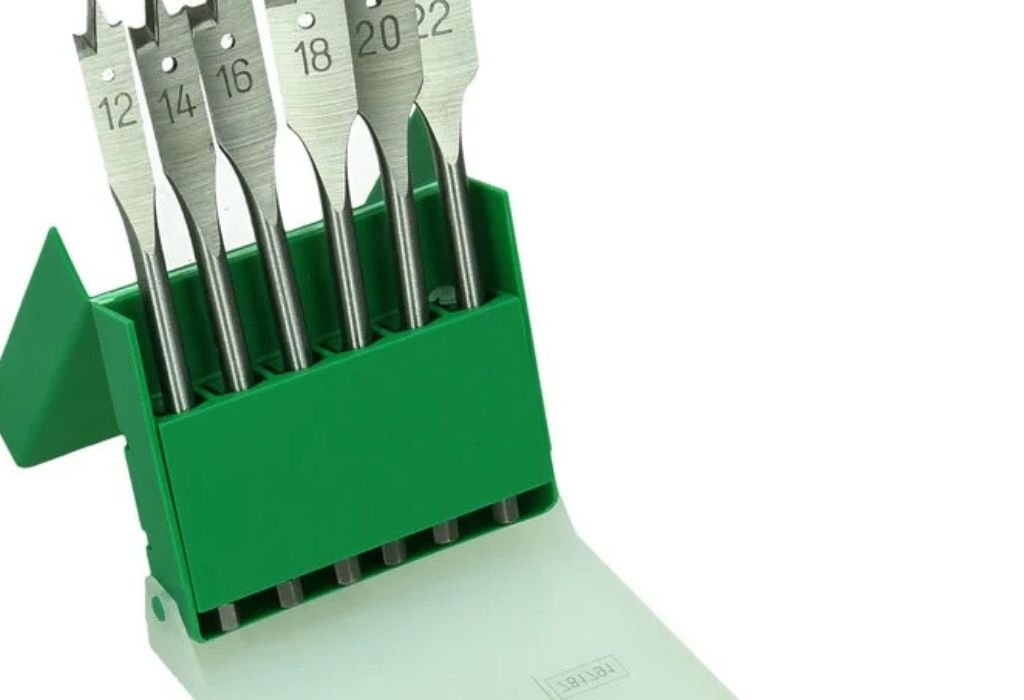
Wood and plastic may seem similar when drilling, but they react very differently under heat and pressure. Wood fibers cut away easily, while plastic tends to melt or chip if the bit spins too fast. Knowing this difference determines how successful your drilling will be.
Plastic doesn’t produce fine sawdust — it produces shavings that stick to the bit. These shavings build heat quickly, which can soften the material and cause deformation. Managing heat is the biggest challenge when working with plastic.
Wood bits are designed with aggressive cutting angles and wide flutes to remove chips fast. While that’s great for wood, it can bite too deeply into soft plastic, leading to cracks or uneven holes.
The smoother and sharper the bit, the better it performs on plastic. A standard wood bit can work, but only at slow speeds with gentle pressure.
By understanding how each material responds to drilling forces, you’ll be able to control the process and achieve professional, damage-free holes.
Can You Use a Wood Drill Bit on Plastic?
Yes, you can — but with care. Wood drill bits can safely drill through most plastics if you adjust your speed and pressure. The key is moderation; plastic doesn’t forgive mistakes the way wood does.
Use sharp, clean bits only. A dull wood bit scrapes rather than slices, generating excessive friction that melts the edges. The result is a rough, cloudy hole instead of a smooth one.
Keep your drill speed low. A slower rotation reduces friction heat and prevents the plastic from softening around the bit. A good rule is to start slow and increase slightly once you see clean shavings instead of melted curls.
Apply minimal pressure. Forcing the bit causes cracks, especially in acrylic or polycarbonate sheets. Let the bit’s edge do the cutting.
If possible, cool the work area with a small amount of water or pause periodically to let the bit cool down. Heat control is essential for success.
With these precautions, a standard wood bit can handle light-duty plastic drilling perfectly well.
Best Drill Bits for Plastic Projects
While wood bits can work, some drill bits perform better on plastic. Understanding the options helps you choose the safest and cleanest tool for each material.
Brad-point bits, commonly used for wood, are actually great for many plastics. Their sharp center tip prevents wandering, and their outer spurs slice the edges cleanly.
Step drill bits are ideal for thin plastic sheets. Their gradual cutting action reduces stress and creates perfectly round holes without cracking.
Acrylic or plexiglass bits have a shallower cutting angle — around 60 degrees — to reduce grabbing and chipping. They’re specialized but worth the investment for frequent use.
Avoid masonry bits or metal-only bits, as they’re too coarse and create excess heat. Similarly, spade bits are too aggressive for thin plastics.
If you plan to drill large holes in PVC or ABS pipe, use a hole saw with fine teeth and moderate speed. It provides smooth, even cuts without friction burns.
Selecting the right bit ensures fewer melted edges, reduced vibration, and a professional-looking finish every time.
Can I drill acrylic or plexiglass with a wood bit?
Yes, if it’s sharp and you drill slowly. Use masking tape to prevent surface cracking.
Will a wood bit melt plastic?
Only if you drill too fast or push too hard. Keep the bit cool and the speed low.
Do brad-point bits work on plastic?
Yes, their pointed tip gives excellent control and clean entry on flat surfaces.
What bit should I use for PVC pipe?
A wood bit or step bit works well — just slow down the speed and cool the bit.
Can I use oil or lubricant when drilling plastic?
Water or mild soap solution helps cool the area and reduce melting.
Preparation Before Drilling Plastic
Proper preparation makes drilling easier and safer. Start by marking your hole location clearly with a pencil or masking tape. The tape also supports the surface and reduces the risk of cracking.
Clamp your plastic sheet or object securely to prevent vibration. Movement causes chipping and uneven holes. Use soft-jaw clamps or padding to avoid leaving marks.
Choose your drill bit and inspect it for sharpness. If there’s any rust, residue, or dull edges, clean or replace it before starting.
Select a slow-speed setting on your drill. For cordless drills, use the first gear; for corded models, squeeze the trigger gently to control RPM.
Place a piece of scrap wood beneath the plastic to support it. This prevents blow-out as the bit exits the surface.
Finally, wear safety glasses to protect yourself from small chips. Even soft plastics can eject sharp fragments when cut.
Taking these few minutes to set up properly ensures clean holes and prevents accidents.
Drilling Technique for Plastic with a Wood Bit
When drilling plastic with a wood bit, slow and steady always wins. Position the bit exactly at your marked spot and hold the drill perpendicular to the surface.
Start drilling at the lowest possible speed. Allow the bit’s tip to bite gently into the surface without force. Once it’s established a groove, you can increase speed slightly to maintain clean chip flow.
For thick plastic, withdraw the bit every few seconds to clear shavings and cool the tip. Continuous drilling builds heat that can warp or melt the hole edges.
Keep the drill aligned at a consistent angle. Tilting mid-way widens the hole and causes uneven walls.
If drilling near an edge, reduce pressure further. Plastic is brittle at corners and edges, so any stress can cause cracks to spread.
When the bit is about to break through the back, reduce speed again. Support the backside with scrap material to avoid tear-out.
Finish by easing the bit out while it’s still spinning slowly — this clears debris and leaves smooth, polished edges.
Common Problems and How to Avoid Them
Drilling plastic can present a few predictable issues, all of which are easy to prevent. The most common is melting from high speed or friction. Lowering your RPM immediately solves this.
Cracking happens when pressure is too high or the plastic isn’t supported properly. Always clamp securely and use backing material.
If your holes appear rough or uneven, your bit may be dull. Sharpen or replace it for smoother cutting.
Bit wandering at the start occurs on glossy surfaces. Prevent it by using masking tape or starting with a small pilot hole.
White marks or cloudy edges mean overheating — pause between cuts and let the bit cool naturally.
Finally, chipped exits are caused by drilling too fast at the end. Slowing down during the last few millimeters produces a perfect finish.
By recognizing and adjusting for these issues early, you’ll achieve clean, professional results every time.
Why does my plastic smoke while drilling?
The bit is spinning too fast; slow down and let it cool between passes.
Can I use a wood spade bit for plastic?
Only for thick, rigid plastics like PVC — not for thin acrylic sheets.
How can I prevent cracking around the hole?
Use masking tape, drill slowly, and support the backside with scrap wood.
Why are my holes oval instead of round?
The drill is wobbling. Clamp the piece tightly and maintain perpendicular pressure.
Is it okay to drill plastic with an impact driver?
No. The hammering motion causes cracks and uneven edges — use a regular drill instead.
Finishing and Cleaning the Hole
Once drilling is complete, the final touches matter just as much as the cut itself. Inspect the edges carefully for burrs or melted ridges. These imperfections are common and easy to fix.
Use a small utility knife or fine sandpaper to shave away any rough edges. A gentle circular motion smooths the rim without enlarging the hole.
If plastic melted slightly, polish the rim using a soft cloth dampened with rubbing alcohol. It restores transparency to clear plastics like acrylic.
For threaded inserts or screws, widen holes slightly if necessary. Plastic expands when drilled, and a tight screw can cause stress fractures later.
Clean the area thoroughly with a dry cloth or compressed air. Dust or shavings left behind can interfere with fittings or adhesives.
Once everything is smooth, your hole should look as clean and precise as a factory-cut opening.
Safety Tips When Drilling Plastic
Safety is simple but crucial when working with plastic materials. Always wear protective eyewear — plastic fragments can be surprisingly sharp.
Work in a well-ventilated area. When plastic overheats, it can release mild fumes, especially from PVC or acrylic.
Keep loose clothing, hair, and jewelry away from the rotating bit. Plastic tends to grab material more easily than wood.
If you’re drilling small parts, secure them in a vice or clamp instead of holding them by hand. This ensures stability and safety.
Never pour water directly onto an electric drill for cooling. Instead, use a damp cloth or pause between passes to allow cooling.
Avoid excessive downward force — steady, controlled pressure is both safer and cleaner.
These simple precautions make plastic drilling safe and stress-free.
Conclusion
So, can you use a wood drill bit on plastic? Yes — as long as you understand how to control speed, pressure, and heat. Wood bits can create clean, smooth holes in most plastics when used with care.
Start with a pilot hole, clamp your material securely, and keep your drill speed low. Clear chips regularly, cool the bit if needed, and reduce pressure as you finish.
Plastic demands patience, but when handled correctly, even a basic wood bit can perform beautifully. With the right technique, you’ll drill perfect, crack-free holes that look professionally done every time.

I’m John F. Nicholas, the founder, lead writer, and drill enthusiast behind 101drill.com. With years of hands-on experience in power tools and DIY projects, I created this platform to share practical knowledge, expert tips, and real-world insights to help others master the art of drilling.