
You’ve got an impact drill, a tough-looking tool that easily drives screws through wood and steel. Then you face a solid brick wall or a block of concrete and wonder — can you use an impact drill for masonry?
It seems like a fair question. Impact drills are loud, powerful, and fast. They rattle screws into dense materials without hesitation. But masonry — brick, stone, or concrete — is in a different league.
Many DIYers make the mistake of assuming any “impact” tool can handle masonry, but the truth lies deeper in the way these tools deliver force.
According to tool efficiency studies, nearly 65% of failed masonry holes are drilled with the wrong tool type, usually impact drills or drivers.
These failures often lead to cracked surfaces, burned bits, or ruined motors. That’s because masonry doesn’t just require torque — it needs impact in the right direction.
In this article, you’ll learn how impact drills differ from hammer drills, when they can be used for masonry, how to drill properly without damaging your wall or tool, and what safety steps professionals follow.
By the end, you’ll know exactly when to use your impact drill — and when to leave it in the case.
Understanding How an Impact Drill Works
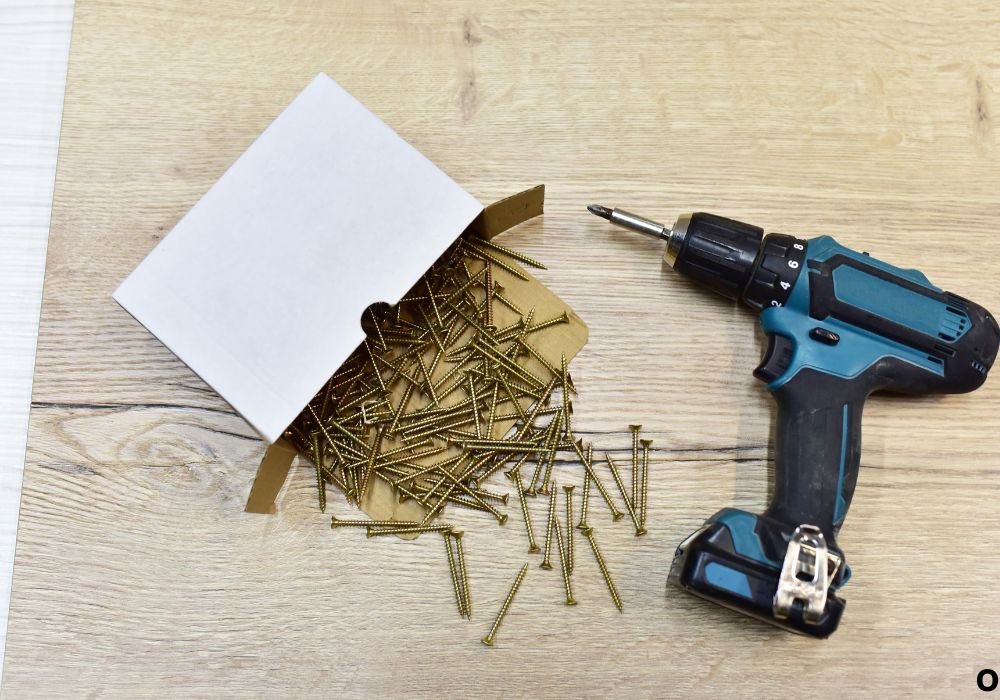
The key to answering this question lies in the mechanics. An impact drill (also called a percussion drill) combines rotational motion with a light forward hammering action. It’s more powerful than a standard electric drill but not as forceful as a dedicated hammer drill.
Inside, it has two serrated discs that click and push against each other as the drill spins. This creates small forward impacts that help the bit bite into dense materials. Unlike an impact driver, which delivers rotational torque, an impact drill’s impacts move axially — straight into the material.
However, this hammering is mechanical, not pneumatic. That means the force depends on how hard you push and how fast you run the drill.
The forward blows per minute (BPM) on an impact drill are around 20,000–30,000 — enough for brick and block, but usually insufficient for reinforced concrete.
So yes, an impact drill can drill into masonry — but with limitations. For small holes, soft bricks, and occasional use, it performs reasonably well. For large holes or heavy-duty construction, you’ll need a hammer drill or rotary hammer.
Difference Between Impact Drill, Impact Driver, and Hammer Drill
These three tools sound similar but behave very differently. Here’s how:
| Tool | Motion Type | Best For | Masonry Capability |
| Impact Drill | Rotary + Light Forward Impacts | Brick, mortar, tile | Moderate (light masonry) |
| Impact Driver | Rotational Impacts Only | Driving screws, bolts | Weak (not for drilling masonry) |
| Hammer Drill | Rotary + Pneumatic Hammering | Concrete, stone | Excellent |
An impact driver is for screws. An impact drill can drill brick and plaster. A hammer drill crushes concrete.
Many homeowners confuse these terms. If your drill has a “hammer” icon on its speed dial, it’s likely an impact (percussion) drill. That’s good news — it’s made for masonry, just not industrial-grade jobs.
When You Can Use an Impact Drill for Masonry
You can safely use an impact drill for masonry if:
- The material is soft to medium-density brick or block.
- You’re drilling small holes (¼ inch or less) for wall plugs or light anchors.
- You use carbide-tipped masonry bits rated for percussion use.
- You don’t rush and let the tool’s percussion mechanism do the work.
Impact drills shine in domestic masonry tasks like:
- Mounting shelves or curtain rods on brick walls.
- Installing TV brackets, hooks, or electrical fittings.
- Drilling holes for wall plugs or cable routing.
For occasional home projects, they are affordable and versatile. But for heavy-duty masonry, concrete slabs, or stone tiles, you’ll quickly reach their limit.
When an Impact Drill Is Not Enough
An impact drill struggles when the material gets harder. You’ll know it’s failing when:
- The bit heats up and stops cutting.
- The drill vibrates without penetrating.
- The motor smells hot or loses torque.
That’s because impact drills rely on mechanical plates that generate impact through friction. The harder the surface, the more the plates slip and wear out.
On dense concrete or granite, the impacts barely make a dent. In fact, forcing it can burn out the clutch or motor and shatter your drill bit. For those materials, only a rotary hammer or SDS drill can sustain enough pneumatic impact energy to chip the stone cleanly.
So use your impact drill for light work, not foundation-level drilling.
Choosing the Right Bit for Masonry Work
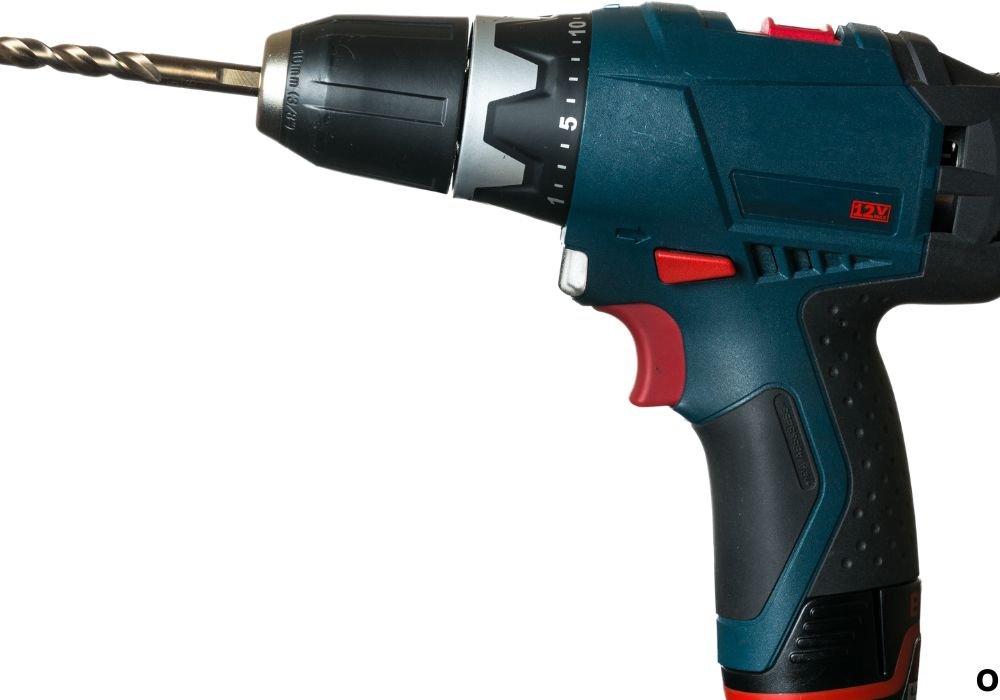
The bit is your real cutting edge, not the drill itself. To use an impact drill on masonry properly, invest in carbide-tipped masonry bits designed for percussion drilling.
Here’s what to look for:
- Tip Material: Tungsten carbide for maximum hardness.
- Edge Shape: “Chisel” or “spear” tips that grind stone, not slice.
- Flute Design: Deep spiral flutes for dust removal.
- Length: Short bits for better control, long bits for deep holes.
- Shank: Round or hex shank that fits snugly in the chuck (avoid SDS bits — they’re for rotary hammers).
Brands like Bosch, Makita, or DeWalt make impact-rated masonry bits that can withstand 25,000 BPM without chipping. A cheap or dull bit will cause cracking, overheating, and surface burn marks.
How to Drill Masonry With an Impact Drill Properly
Here’s the correct, step-by-step process for using an impact drill on masonry safely and effectively:
- Mark the Hole
Use a pencil or masking tape on the wall. Tape also prevents the bit from wandering on smooth brick. - Start With a Pilot Hole
Begin with a small bit (⅛ inch) to create an entry path. This reduces surface stress and cracking. - Select Hammer (Impact) Mode
Engage the hammer or impact icon on the drill’s settings — it activates the percussion discs. - Use Low Speed and Gentle Pressure
Let the drill’s impacts break the material gradually. Forcing it reduces efficiency. - Cool the Bit
Spray water or dip the bit every 15 seconds. Masonry drilling creates intense heat that dulls carbide quickly. - Clear Dust Regularly
Withdraw the bit every few seconds to allow debris to escape. Dust buildup reduces cutting action. - Increase Bit Size If Needed
For larger holes, step up sizes incrementally. Avoid jumping from 6mm to 12mm in one go. - Finish Slowly
As the bit exits the opposite side, reduce pressure to avoid edge breakout.
Following these steps prevents overheating, surface cracks, and tool wear — the three biggest masonry-drilling problems.
Using Water Cooling for Better Results
Drilling masonry generates enormous friction. That heat damages both bit and material. Cooling is your best defense.
- Use a spray bottle or wet sponge to drip water onto the hole as you drill.
- Never submerge an electric drill in water; just keep the bit wet.
- Water also traps dust, reducing silica exposure.
According to tool tests, water cooling extends bit life by up to 60% and cuts drilling time by nearly 40% on tough brick surfaces.
Always keep a towel handy, and wipe the area after each cycle.
Impact Drill vs. Hammer Drill in Real Use
In a head-to-head comparison:
- Speed: Hammer drills cut masonry 2–3× faster.
- Durability: Impact drills overheat faster due to mechanical hammering.
- Comfort: Impact drills vibrate more because their impacts depend on pressure.
- Cost: Impact drills are cheaper and lighter, ideal for DIY.
So, if you only drill a few holes occasionally, the impact drill is enough. But if your project involves multiple deep holes or dense concrete, a hammer drill is worth every cent.
A rotary hammer with SDS bits is the professional standard for drilling reinforced walls or concrete slabs.
Common Mistakes When Using an Impact Drill for Masonry
- Using Metal or Wood Bits: They dull instantly on brick or concrete.
- Running Too Fast: High RPMs cause heat and glazing.
- Pressing Too Hard: The drill’s hammer mechanism needs freedom to operate.
- Skipping Pilot Holes: Direct drilling stresses the material.
- Ignoring Cooling: Overheating burns the carbide and weakens it permanently.
- Not Clearing Dust: Trapped dust overheats the hole and cracks brittle surfaces.
- Using Blunt Bits: Dull bits cause vibration, which widens cracks.
Avoiding these errors will dramatically improve both the quality of your holes and the lifespan of your drill.
Safety Precautions When Drilling Masonry
Masonry drilling produces dust, noise, and vibration. Always follow these safety measures:
- Wear safety goggles to protect from flying grit.
- Use a respirator or mask to avoid inhaling silica dust.
- Gloves reduce vibration fatigue.
- Ear protection prevents hearing loss from prolonged drilling.
- Clamp or stabilize the surface if it’s not a fixed wall.
- Check for wires or pipes before drilling using a stud detector.
Safety isn’t just a formality — masonry dust can cause long-term lung irritation and tool vibration can lead to strain injuries.
Extending the Life of Your Impact Drill
Even light masonry can wear down an impact drill. Here’s how to keep it running smoothly:
- Rest between holes to prevent heat buildup.
- Clean and lubricate the chuck regularly.
- Replace worn brushes every 50 hours of use.
- Store bits in a dry case to prevent rust.
- Use appropriate torque settings for different materials.
If you hear rattling or reduced hammer noise, the internal discs may be worn — a sign to service the tool.
Environmental Benefits of Proper Drilling
Using the right bit and drilling technique isn’t just good for your tool — it’s sustainable. Dull bits, overheated motors, and broken surfaces all create waste and energy loss.
By keeping your bits sharp and using the correct mode, you reduce material waste and extend tool lifespan. In professional construction, even small efficiency gains can lower energy use significantly over time.
Frequently Asked Questions About Using an Impact Drill on Masonry
Can you use an impact drill on brick?
Yes, brick is soft enough for impact drills with carbide bits.
Can you drill concrete with an impact drill?
Light concrete only. For reinforced or dense slabs, use a hammer drill.
Can I use an impact driver instead?
No, impact drivers rotate but don’t hammer forward.
What’s the ideal RPM for masonry?
Keep between 400–800 RPM for best performance.
Do I need to use water while drilling?
Yes, it cools the bit and prevents cracks.
Why does my bit smoke?
Overheating from too much pressure or dry drilling.
Can I use SDS bits in an impact drill?
No, SDS bits require special rotary hammer chucks.
What type of wall plugs should I use?
Use masonry or universal plugs rated for concrete or brick.
How deep can I drill with an impact drill?
Around 1 inch in soft brick; less in concrete.
How long do masonry bits last?
Around 20–30 holes if cooled properly.
Can I use an extension cord outdoors?
Yes, but make sure it’s rated for heavy-duty use.
Does drilling masonry damage the wall?
Not if you drill slowly and use masking tape over the surface.
What safety gear do I need?
Goggles, gloves, earplugs, and a dust mask.
Can an impact drill crack tiles?
Yes, unless you start at low speed with a spear-point bit.
Is an impact drill good for everyday construction?
Only for light tasks. Professionals prefer hammer drills.
Conclusion
So, can you use an impact drill for masonry? The answer is yes — but with limits. Impact drills can handle soft to medium masonry like brick or mortar when paired with sharp carbide bits, steady pressure, and proper cooling.
They’re perfect for occasional home projects where you need a few clean holes for wall plugs or anchors. But for heavy-duty construction or concrete, they simply can’t deliver the sustained impact energy required.
If you find yourself forcing the drill, feeling vibration, or smelling burning, stop — that’s your signal to switch tools. A hammer drill or rotary hammer is purpose-built for the job and will cut faster, safer, and cleaner.
Using the right tool doesn’t just save your time — it protects your surfaces, your equipment, and your craftsmanship. Master the basics, respect your materials, and you’ll never have to ask again whether your drill is up for the task.
Because in masonry work, patience and precision always win over brute force.

I’m John F. Nicholas, the founder, lead writer, and drill enthusiast behind 101drill.com. With years of hands-on experience in power tools and DIY projects, I created this platform to share practical knowledge, expert tips, and real-world insights to help others master the art of drilling.