
A machinist locks an annular cutter into a drill press, tightens the chuck, and prepares to bore through a thick steel plate. The bit spins, chips fly, and within seconds the sound changes from a smooth hum to a harsh grind.
The cutter overheats, the press vibrates, and the machinist pauses, wondering if this setup was ever meant to work. The question becomes unavoidable: can you use an annular cutter in drill press without damaging tools or risking safety?
At first glance, it seems possible. Both machines drill holes, and both apply vertical pressure to cut through metal.
However, annular cutters require precision torque, low speeds, and rigid workholding that most drill presses are not designed to provide. When these conditions are ignored, the result is chatter, broken teeth, or even spindle failure.
According to Practical Machinist, most drill presses spin too fast for large annular cutters, leading to overheating and shortened tool life
Safety experts also warn that improper workholding accounts for nearly 40% of drill press injuries in small workshops
Without secure clamping, the spinning cutter can grab and eject the workpiece violently. These numbers reveal that while using an annular cutter in a drill press may appear efficient, it often carries hidden risks that can cost more than the time saved.
Understanding the Tools – Annular Cutter, Drill Press, and Hole-Making
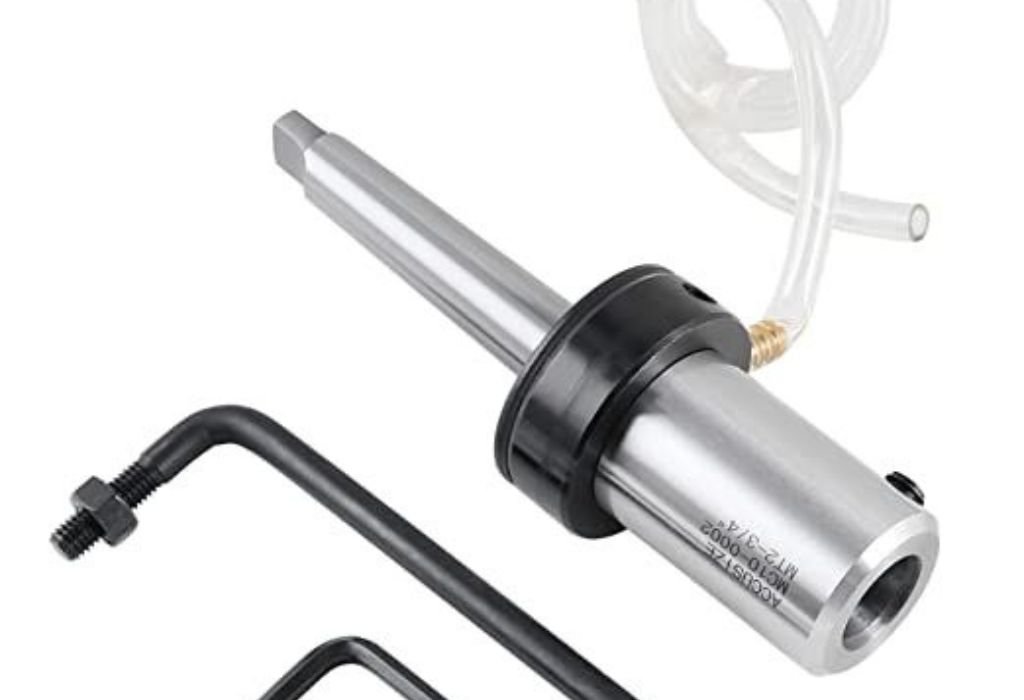
Before determining whether you can use an annular cutter in drill press setups safely, it’s essential to understand how these tools differ. Although both are designed to make holes, their mechanisms, power demands, and cutting geometries are built for entirely different purposes.
Recognizing these differences helps explain why some setups fail while others succeed under limited conditions.
An annular cutter is a hollow, multi-toothed cutting tool designed to remove material only from the perimeter of a hole, leaving behind a solid slug.
This design requires less torque than a twist drill and produces smooth, burr-free holes. Commonly used with magnetic drills and milling machines, annular cutters rely on slow speeds, high torque, and rigid support to achieve accurate cuts.
A drill press, on the other hand, is built for vertical drilling using continuous axial pressure. It is excellent for round holes, controlled feed rates, and repetitive drilling tasks but not for managing the side stresses or torque produced by larger annular cutters.
Most drill presses operate at higher speeds, which can overheat the cutter and damage both the bit and spindle if not properly adjusted.
When these two tools are combined without consideration of speed, stability, and holding strength, problems quickly arise.
Excessive vibration, chatter, and misalignment become common, leading to uneven holes or tool failure. To make the setup work, the machine’s RPM, chuck, and workholding must all be properly configured.
What is an annular cutter designed for?
It is designed to cut large, clean holes in metal by removing only the edge material, not the entire core.
What is a drill press designed for?
It is built for vertical drilling with consistent axial pressure, not for the torque required by annular cutters.
Why do machinists attempt this combination?
They often do it to save money or to take advantage of the annular cutter’s efficiency without investing in a magnetic drill.
What mechanical differences make this risky?
Drill presses lack low RPM control, rigid hold-downs, and specialized arbors that annular cutters require.
Can the setup ever work safely?
Yes, but only with slow speeds, correct arbors, firm clamping, and when cutting thinner materials under controlled conditions.
Risks and Limitations When You Use an Annular Cutter in a Drill Press
Using an annular cutter in drill press setups might appear simple, but it introduces several hidden mechanical and safety risks.
Drill presses are designed for vertical drilling, not for handling the torque and low-speed precision that annular cutters demand. When this mismatch occurs, the results can range from dull tools to dangerous machine failures.
The first major risk is spindle speed and torque imbalance. Annular cutters require slower RPMs and higher torque than what most drill presses provide. Running them too fast leads to excessive heat, dull cutting edges, and shortened tool life.
According to Practical Machinist, many drill presses operate at over twice the ideal speed for larger cutters, increasing the risk of chatter and overheating
Another critical issue is workholding stability. Without a magnetic base or dedicated clamp system, a workpiece can shift or lift during drilling. This movement causes the cutter to bite unevenly, which may eject the metal slug unexpectedly.
The Yale Environmental Health and Safety report notes that inadequate clamping is a leading cause of shop-related drill press accidents
Tool compatibility is another limitation. Many drill presses cannot accommodate the specialized Morse taper arbors or pilot pins that annular cutters require for accurate centering. Improvised setups can create runout or poor alignment, resulting in rough holes or damaged bearings.
Lastly, the depth and diameter of the cut matter. Larger annular cutters produce higher torque and side pressure, which can exceed what a standard drill press spindle can handle. The deeper the hole, the greater the risk of binding, chatter, and tool breakage.
What happens if the drill press runs too fast?
It causes heat buildup, leading to cutter dulling, chatter, and shortened tool life.
Why is workholding more important with annular cutters?
Because the hollow core design removes material from the edge, any shift in the workpiece can cause tool grab or slug ejection.
What arbor issues can occur in a drill press setup?
Incorrect arbors or adapters may cause misalignment, excessive vibration, or cutter runout.
Why is machine rigidity a limitation?
Drill presses lack the column stiffness of magnetic drills or mills, which leads to tool deflection and poor hole accuracy.
What size cuts increase the risk of damage?
Larger diameter holes in thicker metal place more strain on the spindle and bearings, often exceeding safe operating limits.
When, If Ever, You Can Use an Annular Cutter in Drill Press Without Risk
Despite the limitations, there are a few controlled conditions under which using an annular cutter in drill press setups can be done safely. Success depends entirely on machine capability, setup precision, and cutting strategy.
While not ideal for every project, these cases show that with the right adjustments, it’s possible to achieve clean, accurate holes without damaging the tool or machine.
The most important requirement is speed control. Annular cutters perform best at low RPMs—typically between 150 and 300 revolutions per minute, depending on the cutter size and material.
If your drill press has a variable-speed motor or a low-speed gear setting, this significantly improves safety and cutting efficiency. The lower speed prevents overheating, ensures better chip removal, and maintains the cutter’s edge.
A second factor is machine rigidity. Only heavy-duty, floor-standing drill presses with solid columns and minimal quill play can handle the torque generated by an annular cutter.
Lightweight bench-top models often vibrate or flex under pressure, leading to uneven holes and mechanical strain.
Workholding is equally critical. A securely clamped workpiece reduces the chance of movement, which is the primary cause of chatter and tool breakage. Using a vise bolted to the table, hold-down clamps, and pilot pins helps maintain proper alignment throughout the cut.
Additionally, using proper arbors and pilot pins designed for annular cutters ensures safe operation. Specialized adapters allow the cutter to lock tightly into the spindle and maintain accurate centering during drilling.
With cutting fluid applied regularly and chip clearing done frequently, the process becomes smoother and more consistent.
What conditions make it feasible to use an annular cutter in a drill press?
A rigid drill press, low RPM range, proper arbor, and secure workholding make the process workable.
What materials can be drilled safely?
Thin or medium-gauge steel, aluminum, or softer metals are suitable since they create less resistance and heat.
How can feed rate affect safety and finish?
Slow, steady feed prevents chatter, keeps the tool cool, and produces cleaner hole walls.
What accessories improve success?
Use a dedicated annular cutter arbor, pilot pin, cutting fluid, and heavy-duty clamps for safety and precision.
Can this setup match the results of a magnetic drill?
Not completely, but for smaller jobs and moderate hole sizes, a well-prepared drill press can perform acceptably with minimal risk.
Best Practices and Safety Checklist
Even under ideal conditions, using an annular cutter in drill press setups demands careful preparation and attention to detail. The margin for error is small, and every aspect of the process—from setup to feed rate—affects both safety and performance.
Following best practices ensures smoother operation, longer tool life, and fewer chances of machine damage or accidents.
Start by inspecting the machine’s overall condition. The spindle should rotate smoothly with minimal runout, and the quill must move without side play.
A weak or loose column can cause deflection under pressure, which leads to uneven cuts and cutter damage. The table should be locked securely before drilling begins to prevent vibration.
Next, focus on toolholding and arbor setup. Always use an arbor specifically designed for annular cutters, preferably with a built-in pilot pin system. The pilot pin centers the cutter, helps eject the slug, and guides the initial contact into the metal.
Avoid using a standard drill chuck, as it cannot provide the stability or grip strength required for the higher torque loads of an annular cutter.
Proper workholding is equally important. The workpiece must be clamped firmly using a bolted vise or industrial-grade clamps. Never attempt to hand-hold material under a spinning cutter.
Even slight movement can cause the cutter to bite aggressively and throw the workpiece with dangerous force.
Keep the cutting speed low and the feed consistent. Apply steady downward pressure and use cutting fluid to cool the tool and flush away chips. Stop occasionally to remove slugs and clear debris, preventing overheating and binding.
Finally, follow strict safety protocols. Always wear eye and face protection, remove loose jewelry or sleeves, and double-check that the chuck key is out before powering on. A calm, deliberate approach is far safer than rushing through the job.
How to confirm machine readiness before cutting?
Check spindle alignment, quill movement, and lock the table and column tightly to reduce vibration.
What type of arbor should be used?
Use a dedicated annular cutter arbor with a pilot pin to maintain precision and safe slug ejection.
How should the workpiece be held?
Secure it in a bolted vise or with heavy-duty clamps to eliminate movement during drilling.
What feed and speed method ensures clean results?
Use the lowest RPM available, apply steady feed pressure, and add lubricant frequently to keep temperatures down.
What are the key safety precautions?
Wear proper PPE, avoid distractions, never hand-hold material, and always stop to clear chips safely before resuming the cut.
Alternatives and Better Options
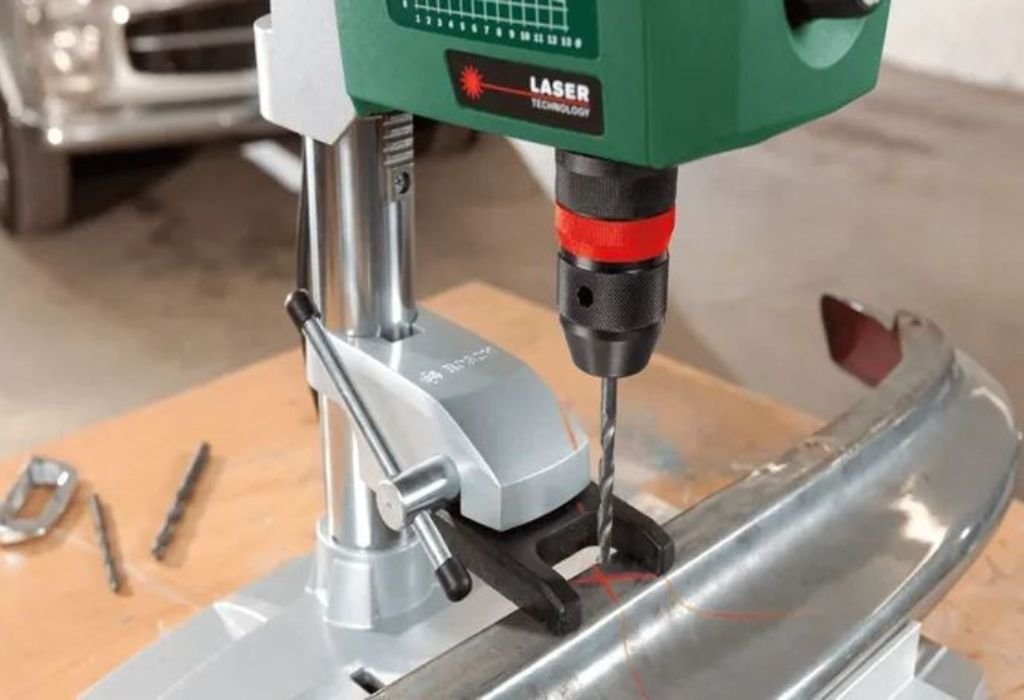
While it is possible to use an annular cutter in drill press setups safely under controlled conditions, it is not always the most efficient or reliable method.
For those who need consistent precision, smoother operation, and safer performance, several alternatives are far better suited to this type of work. Choosing the right equipment ensures both accuracy and tool longevity.
The best alternative is a magnetic drill (mag drill). It is specifically engineered to use annular cutters on steel and other metals.
With built-in magnetic bases, variable speed control, and a rigid structure, mag drills hold the cutter steady and prevent the vibration or deflection that commonly occurs with a drill press.
They also run at the optimal low RPMs required for cutting clean, burr-free holes in thicker materials.
Another excellent choice is a milling machine. Mills offer superior rigidity, precise feed control, and accurate alignment, making them ideal for operations that require consistent depth and finish. They also handle larger hole diameters safely, something that most drill presses cannot do without risking spindle wear.
For lighter tasks or smaller holes, a twist drill or step drill may be more practical. These bits are easier to mount, require less torque, and are safer for use in standard drill presses.
Although they don’t produce holes as clean as annular cutters, they are more forgiving for thin sheet metal or general-purpose work.
Hobbyists may also consider drill press annular cutter adapters. These attachments improve stability and centering, giving better results than a basic chuck. However, they still cannot match the performance or safety of machines designed for annular cutting.
Why is a magnetic drill the best alternative?
It offers low RPM, strong magnetic holding, and precise alignment built specifically for annular cutters.
When should a milling machine be used instead?
For heavy-duty drilling or larger diameters where rigidity and precision are essential.
Are twist drills or step bits a better choice for beginners?
Yes, they’re safer and easier to control on a standard drill press for smaller holes.
What benefits do specialized adapters provide?
They help improve accuracy and reduce vibration but still require careful setup and limited use.
How to choose the best alternative overall?
Base it on material type, hole size, desired accuracy, and how frequently large-diameter drilling is performed.
Final Words
The question “can you use an annular cutter in drill press” has a clear but nuanced answer. Yes, it can be done, but it is rarely the ideal solution.
A drill press is designed for simple vertical drilling, while an annular cutter requires slower speeds, high torque, and precise rigidity to perform effectively. Without the proper setup, the combination can lead to overheating, poor accuracy, or even machine damage.
For small-scale or occasional metalworking, the setup can work safely when conditions are tightly controlled.
A heavy-duty drill press with low-speed capability, the correct arbor, and strong workholding can handle thin to moderate materials with reasonable results. Consistent lubrication, careful chip clearing, and steady feed pressure are also crucial to avoid tool wear and chatter.
However, for professional or high-precision work, a magnetic drill or milling machine remains the superior choice.
These machines are purpose-built to handle the torque, cutting pressure, and alignment required for annular cutters. They ensure cleaner holes, longer tool life, and safer operation—qualities that a standard drill press cannot fully replicate.
Ultimately, the decision depends on the scope of your work and the tools available. If you value precision and safety, it’s always better to use equipment designed for the job rather than forcing a workaround.
The right tool doesn’t just make drilling easier—it ensures lasting accuracy, efficiency, and protection for both operator and machine.

I’m John F. Nicholas, the founder, lead writer, and drill enthusiast behind 101drill.com. With years of hands-on experience in power tools and DIY projects, I created this platform to share practical knowledge, expert tips, and real-world insights to help others master the art of drilling.