
Imagine starting a home project and realizing your drill is nowhere to be found. The only tool at hand is a cordless screwdriver.
Naturally, you wonder—can I use a cordless screwdriver as a drill?
This is a common question for DIY enthusiasts. Both tools look similar, are battery-powered, and can accept bits, but they are built for different purposes.
A cordless screwdriver is designed primarily for driving screws. It offers precision, control, and is ideal for light to medium fastening tasks.
Drills, on the other hand, are made for power. They can bore holes into wood, metal, and masonry, and handle heavy-duty fastening jobs with ease.
Using a screwdriver for drilling can work in certain situations. With the right bit, low torque, and careful technique, it can handle soft materials like thin wood or plastic.
However, there are limits. Overusing a screwdriver for drilling can damage the tool, the material, or the screw itself.
The cordless power tool market is booming, projected to reach $41 billion by 2027 (source). With more people investing in versatile tools, understanding their proper use is key.
In this guide, we’ll answer whether a cordless screwdriver can safely function as a drill. You’ll learn the pros, cons, and best practices for making the most of your tool.
Can I Use a Cordless Screwdriver as a Drill?
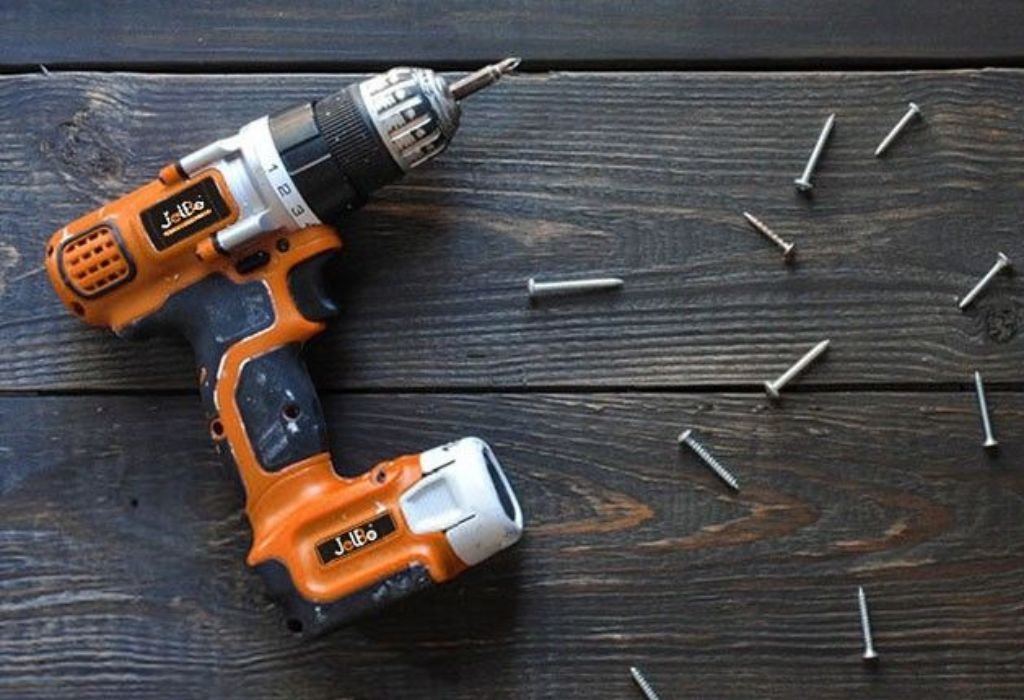
Yes, a cordless screwdriver can be used as a drill in certain situations. By inserting the correct drill bit, it can bore into soft materials like thin wood or plastic.
The screwdriver’s motor generates enough torque for light drilling tasks. However, it cannot match the power of a dedicated drill for tougher materials.
Adjusting the torque or clutch is crucial. Too much force can strip the screw head, damage the material, or wear out the screwdriver.
While not a full replacement for a drill, a cordless screwdriver can serve as a temporary solution. It is best for small DIY projects or emergency use when a drill isn’t available.
In short, you can use a cordless screwdriver as a drill, but it comes with limitations. Knowing when and how to use it properly is key to avoiding damage.
How a Cordless Screwdriver Works as a Drill
A cordless screwdriver works by rotating a bit inserted into its chuck. The motor generates torque to push screws or drill bits into the material.
Most models have adjustable torque settings. This prevents over-tightening and protects the screw and surface from damage.
They also feature variable speed control. Slower speeds allow precise drilling, while higher speeds handle quick light tasks.
The forward and reverse function enables driving screws in or removing them easily. This adds versatility to the tool.
Using the correct drill bit is essential. Standard bits like Phillips, flathead, or small wood bits fit securely in the screwdriver chuck.
In short, a cordless screwdriver can mimic a drill’s function for light tasks. Proper settings and bit choice are key for safe and effective use.
Advantages of Using a Screwdriver as a Drill
One major advantage is convenience. You can use one tool for multiple tasks without switching between devices.
Cordless screwdrivers are lightweight and portable. This makes them easier to carry and maneuver than heavier drills.
They are beginner-friendly. Even DIY novices can handle them safely for light drilling or fastening.
Using a screwdriver can save time for quick tasks. Small holes or soft materials can be drilled efficiently without a dedicated drill.
Another advantage is adaptability. With the right bit, you can drive screws or create holes in soft materials effectively.
In short, using a cordless screwdriver as a drill adds efficiency, portability, and simplicity for light DIY projects.
Drawbacks of Using a Screwdriver as a Drill
The biggest drawback is limited power and torque. Screwdrivers are not designed for hard materials or large screws.
They are unsuitable for heavy-duty tasks. Projects requiring long or thick screws will quickly overwhelm the tool.
Precision can also be an issue. Screwdrivers are less stable for accurate drilling compared to a drill.
Battery life may drain faster when using the tool for drilling. High-torque or extended use consumes more energy.
In short, a screwdriver can drill in a pinch but is not a replacement for a drill. Careful use is essential to avoid damage.
Cordless Screwdriver vs Drill – Key Differences
The most obvious difference is power and torque. Drills are much stronger, while screwdrivers are built for light fastening tasks.
Size and weight also differ. Screwdrivers are smaller and lighter, whereas drills are bulkier and heavier.
Precision vs strength separates the tools. Screwdrivers offer control for delicate jobs, while drills provide raw power for demanding work.
Battery usage is another factor. Screwdrivers typically last longer for small tasks, while drills consume more power under heavy use.
Price varies as well. Screwdrivers are more affordable, while drills are a larger investment but more versatile.
In short, screwdrivers excel at light, precise tasks, while drills dominate in strength and versatility.
Best Situations to Use a Screwdriver as a Drill
A cordless screwdriver works well for small DIY projects. It can drill soft materials like thin wood or plastic effectively.
It’s ideal for quick household fixes. Minor holes or fastening tasks can be completed efficiently without a drill.
Portable tasks benefit from a screwdriver’s lightweight design. You can carry it anywhere and use it in tight spaces.
It’s useful in emergency situations when a drill isn’t available. A screwdriver can temporarily serve as a makeshift drill.
In short, a cordless screwdriver is suitable for light, low-torque drilling tasks, but not for heavy-duty or demanding jobs.
When Not to Use a Screwdriver as a Drill
Avoid using a cordless screwdriver for hard materials like hardwood, metal, or masonry. It does not have enough power or torque.
Do not rely on it for large or continuous drilling projects. Extended use can overheat the motor or drain the battery quickly.
Delicate tasks requiring precision and control are better handled by a screwdriver or a dedicated drill with fine settings.
Tough fastening jobs with long or thick screws are not suitable. The screwdriver may strip screws or fail to drive them fully.
In short, a screwdriver is not a substitute for a drill in heavy-duty or high-precision tasks. Use it only for light DIY work.
Tips for Safely Using a Screwdriver as a Drill
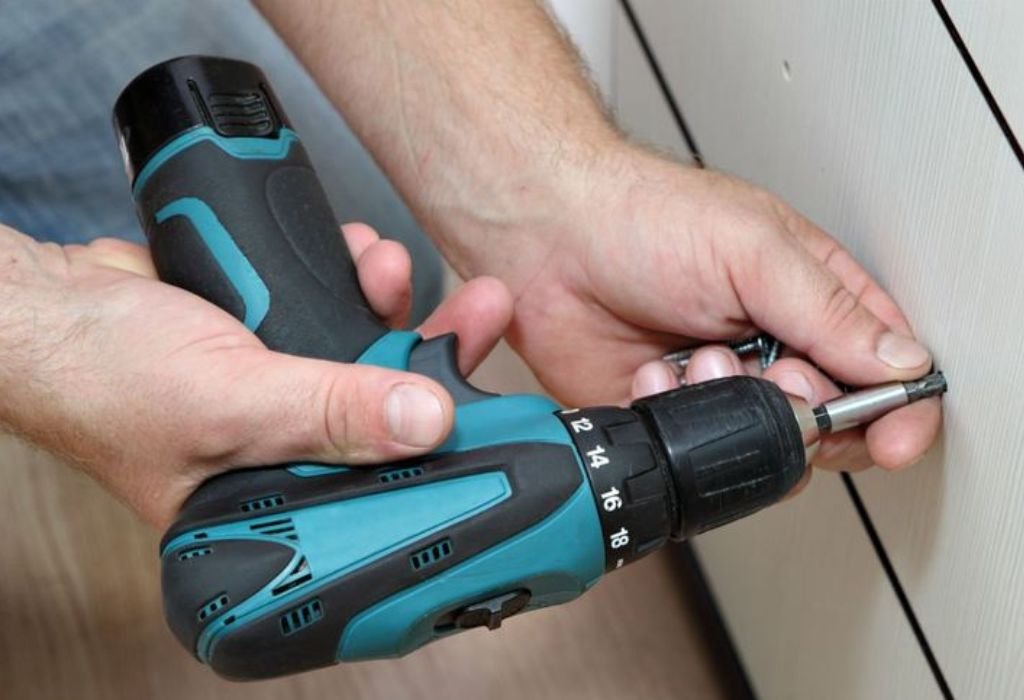
Always use the correct drill bit for the material. This prevents damage to both the bit and the surface.
Set the torque or clutch to a low setting. Too much torque can strip screws or overdrive holes.
Use slow speeds for controlled drilling. High speeds may cause the bit to slip or damage the material.
Hold the tool steadily with both hands if possible. This increases accuracy and reduces the risk of mistakes.
Ensure the bit is securely inserted in the chuck before starting. Loose bits can slip and cause damage or injury.
Charge the battery fully before use. Consistent power ensures smoother and safer operation.
Following these tips will help you use your screwdriver as a drill safely and effectively.
FAQs About Using a Cordless Screwdriver as a Drill
1. Can I use a cordless screwdriver as a drill?
Yes, for light tasks like drilling thin wood or plastic. It’s not suitable for heavy-duty materials.
2. How do I safely use a screwdriver as a drill?
Insert the correct drill bit, set a low torque, and use slow speed. This prevents damage to screws and materials.
3. Can a screwdriver strip screws if used as a drill?
Yes, using too much torque or speed can strip screw heads. Adjust settings carefully for each task.
4. Is a screwdriver better than a drill?
For light tasks, a screwdriver is convenient and precise. Drills are better for power and versatility.
5. Can I use a screwdriver for delicate projects?
Only with low torque and slow speed. This reduces the risk of damaging small screws or fragile materials.
6. Do I need special bits to use a screwdriver as a drill?
Yes, standard drill bits that fit securely in the chuck should be used for drilling tasks.
7. Will using a screwdriver drain the battery quickly?
Drilling consumes more battery than fastening screws. High-torque or long tasks will deplete power faster.
8. Can a screwdriver replace a drill entirely?
No, it is best for light, occasional drilling. Heavy-duty tasks require a dedicated drill.
9. Is it efficient for furniture assembly?
Yes, it works for small holes or soft materials. For thicker wood, a drill is better.
10. Can I drill in tight spaces with a screwdriver?
Yes, its compact size allows access in corners, but bulkier drills may not fit.
11. Should I adjust the clutch when drilling with a screwdriver?
Yes, the clutch prevents over-tightening and protects both screws and surfaces.
12. Are screwdrivers suitable for DIY projects as drills?
Yes, they are fine for small-scale, soft-material tasks and emergency use.
13. Can I drive small screws with a screwdriver as a drill?
Yes, but use low torque and proper bits to avoid stripping screws.
14. Are there risks for precision work?
Yes, they are heavier and less precise than drills, so delicate tasks may be affected.
15. Is it worth using a screwdriver if I already own a drill?
Yes, it can complement a drill for small jobs where portability and control are preferred.
Final Thoughts – Screwdriver as Drill: Smart or Risky?
A cordless screwdriver can be used as a drill for light tasks. It adds convenience and portability for small DIY jobs.
However, it is not a full replacement for a dedicated drill. Heavy-duty drilling or hard materials require the strength of a real drill.
The tool works best for soft materials and emergency situations. Thin wood, plastic, or small repair tasks are ideal.
Drawbacks include limited torque, battery drain, and reduced precision. Careful use is required to prevent damage to the material or tool.
In short, using a screwdriver as a drill is smart for light, temporary tasks, but for demanding projects, a drill is the safer and more efficient choice.

I’m John F. Nicholas, the founder, lead writer, and drill enthusiast behind 101drill.com. With years of hands-on experience in power tools and DIY projects, I created this platform to share practical knowledge, expert tips, and real-world insights to help others master the art of drilling.