
A simple DIY project can quickly stall when the drill bit barely scratches the brick surface. Many homeowners pause mid-job, wondering: can I use a cordless drill for masonry, or do I need specialized tools?
The confusion is understandable because cordless drills have become more powerful over the years. Yet masonry drilling presents unique challenges like dense materials, dust hazards, and bit wear that regular drilling rarely encounters.
Curiosity grows when browsing tool aisles filled with standard drills, hammer drills, and SDS rotary hammers. Choosing the right one affects drilling speed, tool life, and even safety on the job site.
Research shows that residential concrete commonly measures between 3,000 and 6,000 psi (Engineering Toolbox). This strength explains why hammer drills or SDS rotary hammers are often recommended for serious masonry work.
Still, modern 18V and 20V cordless drills can handle light masonry drilling when paired with the right bits, settings, and techniques. Knowing the limits helps avoid burned-out motors, broken bits, and cracked walls.
This guide delivers expert advice on tool choice, bit selection, drilling techniques, safety practices, and common mistakes to avoid. By the end, readers will know exactly when a cordless drill works for masonry—and when it’s time to upgrade to heavier equipment.
Can I Use a Cordless Drill for Masonry? The Short Answer
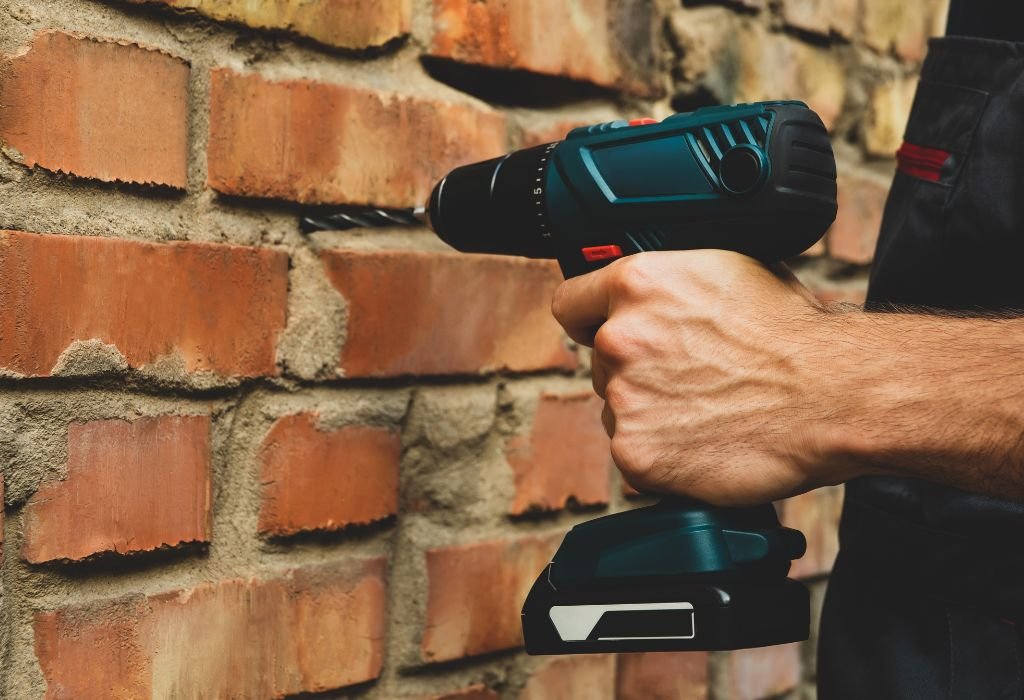
A cordless drill can be used for masonry in limited situations. Small, shallow holes in brick or mortar are possible when using carbide-tipped masonry bits and low RPM settings.
However, standard cordless drills lack the hammering action needed for deep or frequent masonry drilling. A cordless hammer drill or SDS rotary hammer is more efficient for larger projects.
Voltage also matters. Drills rated at 18V or 20V deliver better torque for masonry tasks compared to 12V models, which often stall on harder surfaces.
Tool selection depends on material hardness, hole depth, and project frequency. Light-duty jobs may work with a cordless drill, but heavy-duty masonry calls for specialized tools.
The right combination of bits, speed control, and dust management ensures cleaner holes and longer tool life.
Q&A Section
Can I use a cordless drill for masonry at all?
Yes, for light holes in brick or mortar using masonry bits and low RPM.
Is a hammer drill faster on masonry surfaces?
Yes, the hammering action removes material more efficiently.
Will a 12V cordless drill work for masonry?
No, most 12V models lack the power for hard materials.
Does concrete hardness affect the tool choice?
Yes, denser concrete requires hammer drills or SDS rotary hammers.
Are impact drivers good for masonry drilling?
No, they are designed for driving screws, not drilling holes.
Masonry 101 — Brick, Block, Mortar, and Concrete
Masonry covers a range of materials, each with unique drilling characteristics. Understanding these differences helps choose the right drill, bit, and technique for better results.
Brick is dense and varies in hardness depending on the manufacturing process. Drilling directly into brick often requires more power and careful technique than drilling into mortar joints.
Mortar is softer than brick and concrete, making it easier for a cordless drill to handle light-duty holes. Many DIYers prefer drilling into mortar when mounting lightweight fixtures.
Concrete blocks may be hollow or solid. Hollow blocks need steady pressure to avoid cracking thin walls, while solid blocks require more torque and possibly hammer action.
Poured concrete offers the toughest challenge due to its density and aggregate content. This is where hammer drills or SDS rotary hammers perform best.
Q&A Section
Is brick harder to drill than mortar?
Yes, mortar is softer and easier for cordless drills to handle.
Do hollow concrete blocks need special care?
Yes, use steady pressure to avoid cracking thin walls.
Can a cordless drill handle poured concrete?
Only for very shallow holes; hammer drills work better.
Is drilling into mortar a good idea?
Yes, for lighter fixtures because mortar is easier to drill.
Are all bricks equally hard?
No, density and hardness vary with brick type and quality.
Drill Types Compared — Regular Cordless, Cordless Hammer Drill, and SDS
Not all drills perform the same when working on masonry. The right drill type determines drilling speed, hole quality, and tool durability.
A regular cordless drill handles small, shallow holes in softer materials like mortar or brick joints. It relies on rotational force alone, which limits its effectiveness on harder masonry surfaces.
A cordless hammer drill combines rotation with a hammering action. This percussive motion breaks masonry while drilling, making it much faster and reducing strain on the bit.
An SDS rotary hammer offers even greater impact energy and specialized bits for heavy-duty tasks. It handles thick concrete, large holes, and frequent drilling with ease.
Choosing between these tools depends on material hardness, hole diameter, and project frequency. Occasional light work might suit a cordless drill, but frequent masonry drilling benefits from hammer or SDS drills.
Q&A Section
When should I use a regular cordless drill?
For small, shallow holes in softer materials like mortar joints.
Is a cordless hammer drill better for masonry?
Yes, it drills faster and reduces strain on the tool and bit.
What are SDS rotary hammers used for?
Heavy-duty masonry work, large holes, and reinforced concrete.
Do SDS drills need special bits?
Yes, SDS bits lock into the chuck for better power transfer.
Are cordless hammer drills good for home projects?
Yes, they balance power, mobility, and efficiency for most DIY jobs.
Bits and Anchors — Getting a Clean Hole That Holds
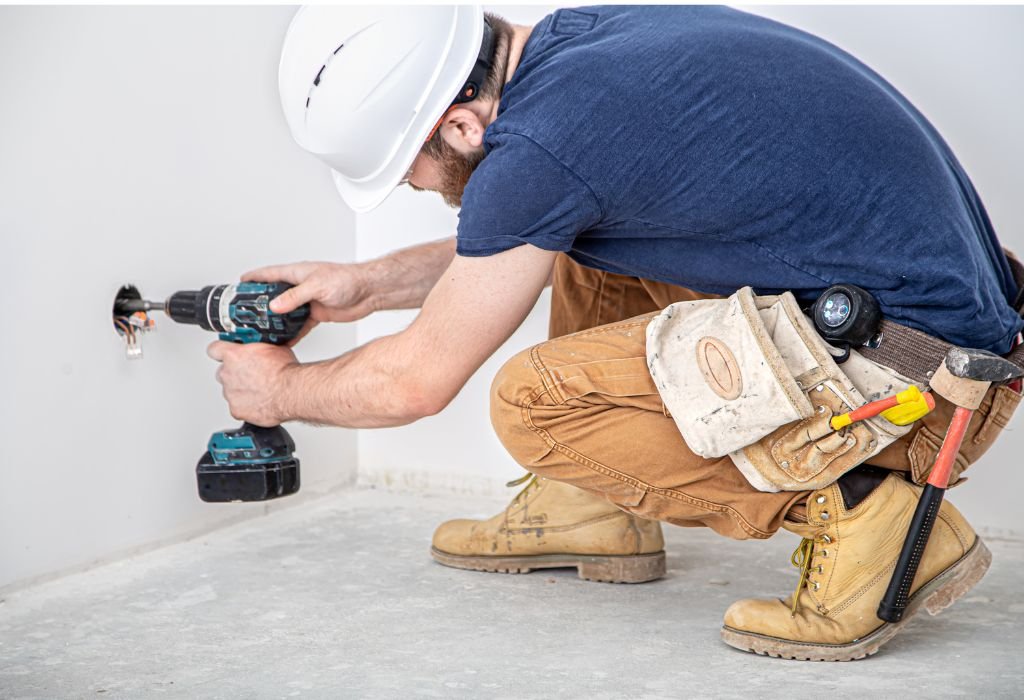
Using the correct drill bits and anchors ensures strong, durable installations in masonry. The wrong combination can lead to loose fittings, cracks, or damaged walls.
Carbide-tipped masonry bits are ideal for brick, mortar, and concrete. They resist heat buildup, stay sharper longer, and handle percussive drilling from hammer drills and SDS rotary hammers.
Anchor selection depends on the load requirement and wall material. Options include Tapcon screws, sleeve anchors, and wedge anchors for heavy-duty installations.
Drilling the right hole diameter and depth is essential. Anchors require slightly deeper holes to allow for dust clearance and proper seating.
Using depth stops or tape markers on drill bits helps maintain consistent drilling depth and prevents over-penetration.
Q&A Section
Which drill bits work best for masonry?
Carbide-tipped masonry bits handle heat and impact efficiently.
How deep should anchor holes be drilled?
Slightly deeper than the anchor length for dust clearance.
Do Tapcon screws need special bits?
Yes, they require correctly sized carbide-tipped bits.
Are sleeve anchors suitable for brick walls?
Yes, they provide secure fastening in solid masonry surfaces.
Can I use multi-purpose bits for masonry drilling?
They work for light tasks but wear out faster than dedicated masonry bits.
Setup and Surface Prep — Aim, Scan, Protect
Preparing the work area before drilling into masonry prevents accidents, reduces dust, and ensures accurate results. Skipping this step often leads to damaged walls or safety hazards.
Start by marking drilling points with a pencil or marker. Accurate marks help maintain spacing and alignment when installing anchors or fixtures.
Use a stud and wire detector to scan walls for hidden pipes or live electrical wiring. This step prevents costly mistakes and potential injuries.
Applying masking tape over the drilling spot helps reduce chipping at the hole edges, especially on finished brick surfaces.
Clear the surrounding area of dust and debris for better visibility and to prevent slipping hazards while drilling.
Q&A Section
Why is marking drill points important?
It ensures accurate spacing and alignment for anchors and fixtures.
Should walls be scanned before drilling?
Yes, to avoid hitting electrical wires or water pipes.
Does masking tape prevent surface damage?
Yes, it reduces chipping around the hole edges.
Is surface cleaning necessary before drilling?
Yes, it improves accuracy and keeps the work area safe.
Can skipping prep damage tools or walls?
Yes, improper preparation increases the risk of mistakes and accidents.
Drilling Technique — Low RPM, Steady Pressure, Clear Dust
Using the correct drilling technique ensures cleaner holes, longer tool life, and better anchor performance in masonry surfaces. Rushing the process often leads to burnt bits or cracked walls.
Start with low RPM settings to let the bit seat properly. High speeds at the beginning cause bit slippage and overheating.
Apply steady, moderate pressure instead of forcing the drill forward. Allow the drill bit to cut at its own pace for consistent results.
Every few seconds, withdraw the bit slightly to clear out dust. Accumulated debris reduces drilling efficiency and anchor strength.
Keep the drill perpendicular to the wall throughout the process. Drilling at an angle weakens anchor holding capacity and damages hole edges.
Q&A Section
Why use low RPM at the start?
It prevents bit slippage and overheating in hard masonry.
Should heavy pressure be applied while drilling?
No, steady pressure ensures cleaner, more accurate holes.
Why clear dust during drilling?
Dust reduces cutting efficiency and weakens anchor strength.
Does drilling angle affect results?
Yes, perpendicular drilling improves hole strength and alignment.
Is continuous drilling recommended?
No, short pauses prevent overheating and extend tool life.
Safety and Dust Control — Silica Rules in Plain Language
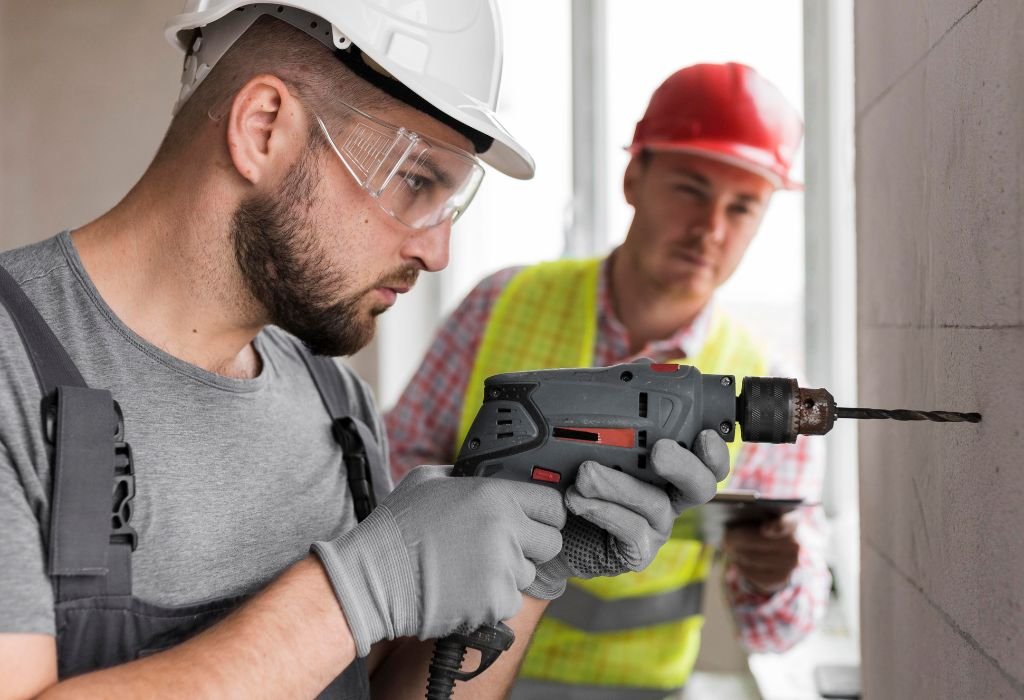
Drilling into masonry creates dust containing crystalline silica, a material linked to serious lung diseases such as silicosis and lung cancer. Controlling dust exposure protects both workers and bystanders.
OSHA regulations require dust control measures like using a HEPA-filtered vacuum or wet drilling methods to keep dust levels below permissible exposure limits. These controls reduce airborne particles at the source.
Workers should always wear PPE including safety goggles, dust masks or respirators, gloves, and hearing protection when drilling into masonry surfaces.
Post-drilling cleanup matters too. Sweeping spreads dust back into the air; using a vacuum with HEPA filtration keeps the area safer and cleaner.
Silica-safe drilling practices not only protect health but also extend tool and bit life by reducing abrasive dust buildup inside moving parts.
Q&A Section
Why is silica dust dangerous?
It causes serious lung diseases with prolonged exposure.
What does OSHA recommend for masonry drilling?
Use dust collection systems, wet drilling, and PPE.
Are HEPA vacuums necessary?
Yes, they capture fine particles missed by regular vacuums.
Is wet drilling effective indoors?
Yes, if water management and safety precautions are followed.
Does PPE alone protect workers from dust?
No, PPE must be combined with proper dust control meth
Common Mistakes That Kill Bits and Batteries
Improper drilling techniques often lead to dull bits, overheated motors, and dead batteries. Avoiding these mistakes saves time, money, and equipment.
Running the drill at high RPM throughout the process overheats the bit and reduces its lifespan. Masonry drilling works best at lower speeds with steady pressure.
Using the wrong drill bits, such as wood or metal bits, causes early wear and poor hole quality. Always use carbide-tipped masonry bits for best results.
Failing to clear dust during drilling clogs the hole, increases friction, and overheats both the bit and the motor.
Drilling near edges or corners weakens the material and risks cracking or chipping, especially in brick and concrete block walls.
Allowing batteries to overheat or fully discharge repeatedly reduces their overall capacity and runtime over time.
Q&A Section
Why do bits wear out quickly in masonry drilling?
High speed, wrong bits, or poor dust management shorten lifespan.
Does drilling near wall edges cause damage?
Yes, it increases the risk of cracking and material failure.
Why is dust clearing important for drilling?
Dust traps heat, slows cutting, and weakens anchor strength.
Do overheated batteries lose capacity?
Yes, repeated overheating shortens battery life significantly.
Is high RPM good for faster drilling?
No, high RPM creates heat and dulls bits prematurely.
When to Upgrade — Signs You Need Hammer or SDS
A regular cordless drill works for light masonry tasks, but certain projects demand more powerful tools. Knowing when to upgrade saves time, protects equipment, and improves results.
Frequent drilling into dense concrete or stone requires a hammer drill or SDS rotary hammer. These tools combine rotation with hammering action, breaking material faster with less effort.
Large-diameter holes for anchors, pipes, or conduits need the impact energy only SDS drills provide. Standard cordless drills cannot maintain torque for heavy-duty drilling.
Jobs involving reinforced concrete with rebar demand SDS drills with carbide or diamond-tipped bits. This ensures cleaner cuts without overheating or damaging tools.
Contractors and serious DIYers benefit from investing in cordless SDS-Plus or SDS-Max drills for speed, precision, and durability on big projects.
Q&A Section
When should I upgrade to a hammer drill?
For frequent drilling into brick, block, or dense masonry walls.
What projects need an SDS rotary hammer?
Large holes, reinforced concrete, and heavy-duty installations.
Do SDS drills work faster than hammer drills?
Yes, they deliver higher impact energy for tough materials.
Can a cordless SDS drill replace a corded model?
Yes, high-end cordless SDS drills rival corded power.
Is upgrading worth the cost for home projects?
Yes, if you drill masonry frequently or need larger holes.
Aftercare — Tool, Bit, and Battery Maintenance
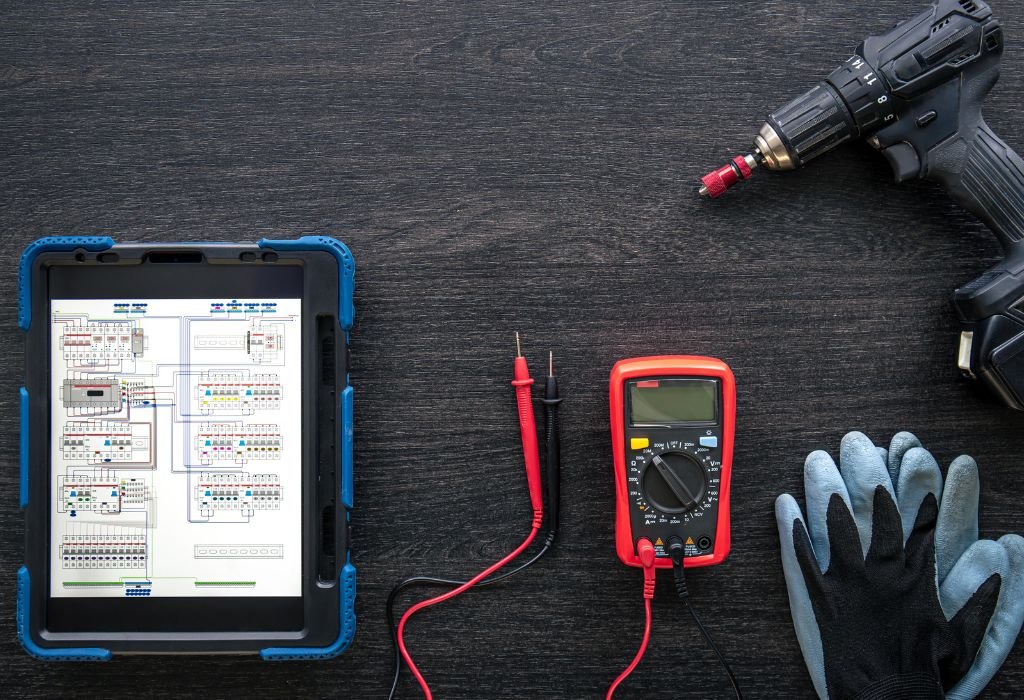
Proper maintenance after drilling extends the life of your tools, drill bits, and batteries. Skipping this step often leads to costly repairs or replacements.
Allow drills and batteries to cool completely before storage or recharging. Heat buildup shortens battery life and weakens internal components.
Clean dust and debris from drill vents, chucks, and bits using a soft brush or compressed air. This prevents overheating and maintains smooth operation.
Inspect carbide-tipped masonry bits for dull edges or chips after every project. Replace worn bits promptly to ensure cleaner holes and prevent motor strain.
Store all tools, bits, and batteries in a dry, room-temperature location to protect against rust, corrosion, and moisture damage.
Q&A Section
Why let tools cool before storage or charging?
Heat shortens battery lifespan and motor efficiency.
Do drill vents need cleaning after use?
Yes, clogged vents cause overheating and motor wear.
How often should masonry bits be replaced?
Replace bits when edges dull or cutting speed decreases.
What’s the best way to store drill batteries?
Store in a cool, dry place at partial charge for longer life.
Can dust buildup affect drilling performance?
Yes, dust reduces airflow and strains internal components.
Conclusion : Can I Use a Cordless Drill for Masonry
A cordless drill can be used for masonry in light-duty projects when paired with carbide-tipped bits, low RPM settings, and proper dust control. It works best for shallow holes in brick, mortar joints, or concrete block with minimal resistance.
For frequent, deep, or large-diameter drilling, a cordless hammer drill or SDS rotary hammer delivers faster results, greater durability, and better safety compliance.
Choosing the right tool, bits, and technique reduces strain on batteries, extends tool life, and ensures cleaner, safer installations.
Following OSHA dust control guidelines and performing regular tool maintenance protects both workers and equipment for long-term reliability.
Q&A Section
Can a cordless drill handle masonry work?
Yes, for small, shallow holes in softer masonry materials.
When should I upgrade to a hammer drill?
For frequent or deep drilling into brick, block, or concrete.
Are SDS drills better for heavy-duty projects?
Yes, they provide higher impact energy and precision.
Is dust control important when drilling masonry?
Yes, OSHA requires dust suppression to protect worker health.
Do proper bits and RPM settings matter?
Yes, they prevent tool strain and improve drilling accuracy.

I’m John F. Nicholas, the founder, lead writer, and drill enthusiast behind 101drill.com. With years of hands-on experience in power tools and DIY projects, I created this platform to share practical knowledge, expert tips, and real-world insights to help others master the art of drilling.