
Home renovation often begins with simple projects like hanging shelves or fixing outdoor lights. The task seems straightforward until the drill bit touches solid brick and refuses to go further, leaving many wondering if a cordless drill is powerful enough for the job.
This confusion grows when tool manufacturers advertise powerful cordless models while professionals recommend hammer drills for masonry. Homeowners face a common problem: balancing convenience and portability with the toughness needed to drill through hard materials like brick.
Curiosity rises when reading product labels promising 18V or 20V MAX power outputs. Some claim these cordless drills can match the performance of heavier corded tools, raising the question of whether the right technique and drill bit can turn a standard cordless drill into a brick-drilling solution.
The benefits of finding a clear answer go beyond saving money on new tools. Correctly using a cordless drill on brick walls prevents damage to expensive masonry, improves safety, and makes DIY projects faster and more efficient.
Brick walls can withstand compressive strengths of 20–40 MPa (Engineering Toolbox), meaning technique, drill bit quality, and speed settings all matter as much as raw power. At the same time, many 18V cordless drills deliver 350–750 W of output power (ToolGuyd), enough for light masonry work when used correctly.
This guide explains everything about drilling into brick with a cordless drill, including required power levels, ideal drill bits, correct techniques, safety measures, and common mistakes to avoid. The next section answers the main question directly: Can a cordless drill go through brick successfully?
Can a Cordless Drill Go Through Brick?
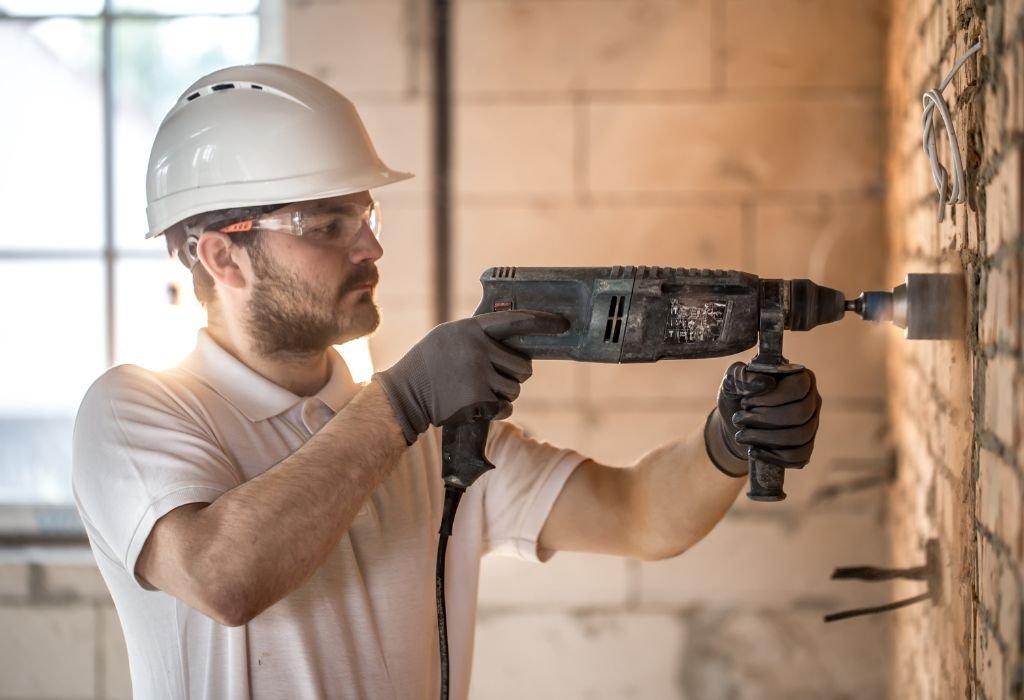
Drilling into brick with a cordless drill is possible when using the right tools, bits, and technique. Power output, torque settings, and proper drill bits all determine success.
Most modern 18V cordless drills generate enough torque for light masonry drilling. Models with brushless motors deliver even better performance by reducing heat buildup and improving battery efficiency.
Using standard wood or metal bits leads to overheating and poor results. Masonry bits with carbide tips prevent damage and cut through brick cleanly when paired with correct pressure and speed settings.
Even though cordless drills can handle brick drilling, hammer drills remain more efficient for deep or frequent masonry work. They combine rotary motion with a percussive action that speeds up drilling while reducing tool strain.
A balanced approach involves matching the right drill power, bit type, and speed to the job size. This ensures clean holes, protects batteries, and avoids unnecessary wear on the tool.
Q&A Section
Can a cordless drill handle brick walls?
Yes, if it provides enough voltage (18V or higher) and uses masonry bits.
Do all cordless drills work on brick?
No, low-power models under 12V lack sufficient torque for masonry surfaces.
Will drilling damage the brick?
Not when correct bits, pressure, and speed are used.
Do hammer drills work better than standard drills?
Yes, especially for thicker or reinforced masonry walls.
Can you drill exterior walls with a cordless drill?
Yes, if you protect the tool from dust and moisture exposure.
Choosing the Right Drill & Bits for Brick
Using the correct drill and bits is essential for clean, safe, and efficient drilling into brick. Power levels, torque control, and bit design all influence performance and prevent damage to the wall or tool.
Cordless drills rated 18V or higher provide enough torque for most DIY masonry tasks. Brushless motors improve power efficiency and battery life, making them ideal for repeated or deep drilling projects.
Carbide-tipped masonry bits remain the best choice for brick drilling because they withstand heat and abrasion. Multi-purpose bits work for softer materials but wear out quickly against dense brick surfaces.
Drill models with variable speed triggers allow better control over RPM. Starting slow helps avoid cracks or slips, while increasing speed gradually improves hole precision.
Always match bit size to the wall anchor or plug specifications. Using oversized or undersized bits leads to loose fasteners or cracked walls.
Q&A Section
Which drill bits are best for brick?
Carbide-tipped masonry bits designed for hard materials.
Does drill speed matter?
Yes, start slow and increase speed gradually for clean holes.
What size drill bit works for wall plugs?
Usually 6–10mm depending on the plug size and anchor type.
Can multi-purpose bits replace masonry bits?
Not recommended; they wear out quickly on brick surfaces.
Do cordless SDS drills exist for brick drilling?
Yes, SDS cordless models offer more power for heavy-duty masonry work.
Preparing the Surface Before Drilling
Proper preparation prevents drilling mistakes, protects tools, and ensures accurate holes in brick walls. Skipping these steps often leads to cracked bricks, blunt drill bits, or uneven drilling.
Start by marking the exact drilling points with a pencil or chalk. A center punch or nail tap helps create a small guide dent, preventing the bit from slipping when drilling begins.
Use a stud or wire detector to scan the wall before drilling. Hidden electrical wires or plumbing pipes can pose safety hazards and damage risks.
Applying masking tape over the drilling spot reduces surface chipping. It also helps maintain cleaner edges around the hole.
Lastly, keep the area clear of dust buildup as it reduces visibility and affects drill bit performance over time.
Q&A Section
Do you need to mark drilling points first?
Yes, accurate marking prevents misaligned holes.
Should brick dust be cleared while drilling?
Yes, stopping periodically keeps the hole clean and reduces bit wear.
Can drilling hit hidden wires or pipes?
Yes, always scan walls with a detector before drilling.
Does moisture affect drilling performance?
Wet bricks increase bit wear and drilling difficulty.
Is protective gear required?
Yes, goggles, gloves, and dust masks ensure safe operation.
Drilling Technique — Step by Step
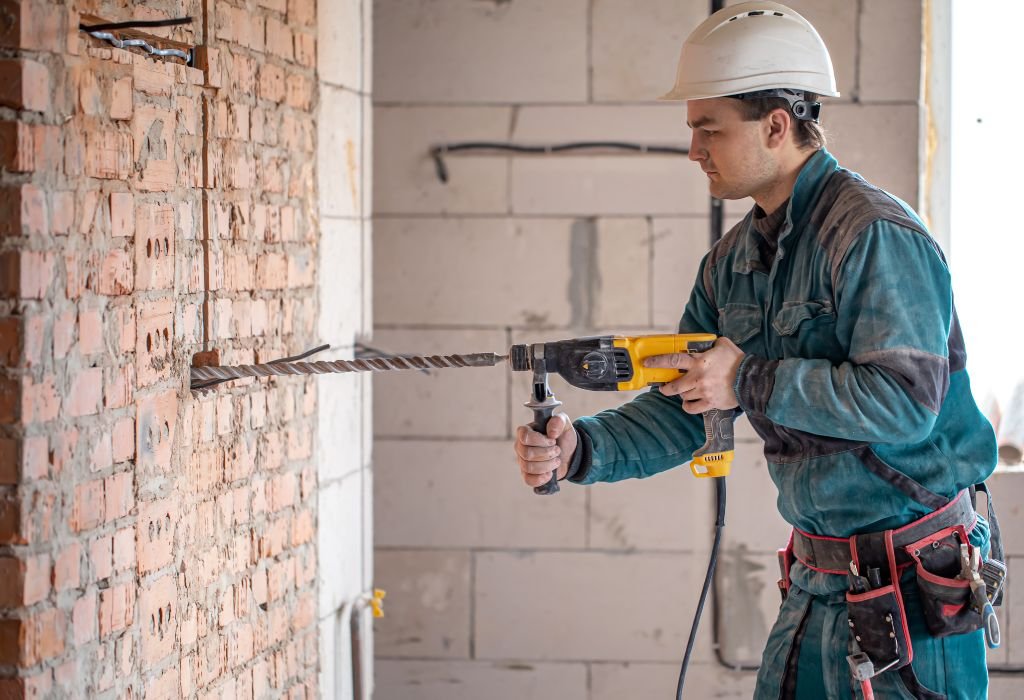
Correct technique ensures clean holes, protects the drill motor, and prevents brick damage. Rushing the process or using the wrong settings often leads to overheating, dull bits, and uneven drilling.
Start at a low speed to let the masonry bit bite into the surface without slipping. Gradually increase speed while maintaining steady pressure instead of forcing the drill forward.
Pause periodically to let the drill bit cool and to clear out brick dust. Overheating shortens bit life and weakens the drill’s motor over time.
For deep holes, withdraw the bit occasionally to remove debris. This prevents clogging, improves drilling efficiency, and keeps the hole diameter consistent.
Keep the drill at a right angle to the wall throughout the process. Tilting the drill can cause misaligned holes or cracked brick edges.
Q&A Section
Do you need to apply heavy pressure while drilling?
No, steady pressure with the right speed works best.
Should the hole be drilled in one go?
No, pause to clear dust and prevent overheating.
What speed setting works for brick?
Low to medium RPM settings are ideal for masonry.
Is lubrication needed for brick drilling?
Only for deep holes; water or light oil helps cool the bit.
Can cracked bricks be drilled safely?
Yes, at low speeds with minimal pressure to avoid further damage.
Safety Tips for Drilling into Brick
Drilling into brick generates dust, heat, and vibration, so following safety steps protects both the user and the tool. Skipping these precautions risks injuries, equipment damage, and unnecessary repair costs.
Always wear safety goggles to protect eyes from dust and flying debris. A dust mask prevents inhaling fine particles that accumulate while drilling.
Use ear protection for longer drilling sessions, especially when working with hammer drills. Prolonged exposure to high noise levels can cause hearing fatigue.
Keep hands away from the rotating bit and wear protective gloves for grip and safety. Ensure the battery is fully charged to prevent the drill from stalling mid-task.
Finally, check drill bits regularly for cracks or excessive wear. Worn bits increase drilling time and reduce accuracy while raising the risk of breakage.
Q&A Section
Do you need eye protection when drilling brick?
Yes, goggles protect against dust and flying debris.
Can dust masks prevent respiratory issues?
Yes, they reduce inhalation of fine brick particles.
Should you wear ear protection?
Yes, especially with hammer drills or prolonged drilling.
Is it safe to drill with a low battery?
No, low power can cause the drill to stall or overheat.
Do drill bits need regular inspection?
Yes, worn or cracked bits should be replaced immediately.
Common Mistakes to Avoid
Drilling into brick with a cordless drill seems simple, but small mistakes often lead to poor results, damaged tools, or cracked walls. Avoiding these errors improves safety and drilling efficiency.
One common mistake is using the wrong drill bit. Wood or metal bits dull quickly and fail to penetrate masonry effectively.
Another frequent error is applying too much pressure or using high speed throughout the process. Excessive speed overheats the bit and weakens the drill motor over time.
Drilling too close to the edge of a brick risks cracking or splitting the material. Always position holes toward the center of the brick for better strength.
Finally, many users forget to clear dust from the hole. Dust buildup reduces drilling accuracy and increases heat generation inside the bit.
Q&A Section
Can using wood bits damage a cordless drill?
Yes, they overheat quickly and wear out during masonry drilling.
Does drilling too fast reduce bit life?
Yes, high RPM without cooling shortens tool and bit lifespan.
Will drilling near brick edges cause cracks?
Yes, always drill toward the center for strength and safety.
Is dust removal really necessary?
Yes, clearing dust improves drilling accuracy and cooling.
Can pushing too hard break the drill bit?
Yes, excessive pressure increases the risk of snapping or bending bits.
Alternative Tools for Masonry Drilling
While cordless drills can handle light masonry tasks, some projects require more power and efficiency. Alternative tools like hammer drills or SDS rotary hammers deliver faster drilling speeds and better durability for heavy-duty work.
Hammer drills combine rotary motion with a percussive action, breaking brick material as they drill. This reduces drilling time and tool strain, especially on thicker walls.
SDS rotary hammers offer even greater power with specialized chucks for heavy masonry bits. They remain the preferred choice for professionals drilling into concrete or reinforced brick walls.
Corded drills provide consistent power without battery limitations, making them ideal for long projects. However, cordless SDS models now offer portability with impressive runtime on modern lithium-ion batteries.
Selecting the right tool depends on project scale, wall thickness, and desired drilling speed.
Q&A Section
Do hammer drills work better than cordless drills for brick?
Yes, especially for thicker walls or frequent masonry drilling.
Are SDS rotary hammers suitable for home use?
Yes, for large or repeated drilling tasks requiring extra power.
Can corded drills outperform cordless models?
Yes, corded drills deliver consistent power without runtime limits.
Do cordless SDS drills handle concrete too?
Yes, they work on both brick and concrete with proper bits.
Are standard cordless drills fine for small tasks?
Yes, for light-duty jobs with the right masonry bits.
Maintenance Tips After Drilling
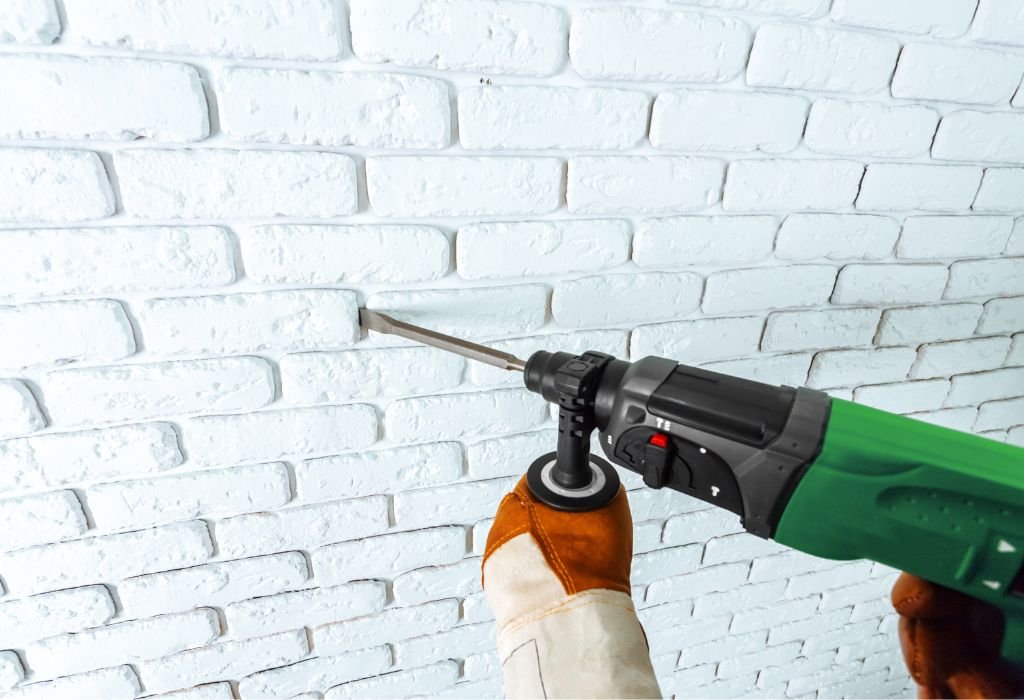
Proper maintenance keeps drills and bits in good condition, ensuring better performance for future masonry projects. Skipping post-drilling care leads to faster wear, overheating issues, and reduced tool lifespan.
After each job, clean dust and debris from the drill body and vents. Blocked ventilation increases heat buildup and strains the motor during the next use.
Inspect drill bits for dull edges or cracks. Replace any damaged bits immediately to maintain clean, accurate drilling results.
Allow batteries to cool fully before recharging. Charging overheated lithium-ion packs shortens battery life and reduces efficiency.
Store drills, batteries, and bits in dry environments to prevent rust, corrosion, and accidental damage.
Q&A Section
Do drill bits need cleaning after drilling brick?
Yes, cleaning prevents dust buildup and maintains cutting efficiency.
Should batteries cool before recharging?
Yes, cooling extends battery lifespan and performance.
Do drill vents require maintenance?
Yes, clearing dust prevents motor overheating.
How often should bits be replaced?
When edges dull, chip, or drilling becomes difficult.
Is tool storage important after masonry work?
Yes, proper storage prevents corrosion and accidental damage.
Conclusion — Can a Cordless Drill Go Through Brick?
Drilling into brick with a cordless drill is possible when the right drill power, masonry bits, and drilling techniques are used. Choosing at least an 18V cordless model with variable speed control and carbide-tipped bits delivers the best results for light masonry work.
For deeper or repeated drilling tasks, hammer drills or SDS rotary hammers remain more efficient choices. They offer faster drilling speeds, better durability, and improved safety features for heavy-duty applications.
Avoiding common mistakes like excessive pressure, high speed, or using the wrong bits protects both the brick wall and the tool. Following safety tips and performing regular maintenance extends tool life and ensures cleaner, more accurate drilling results.
Q&A Section
Can a cordless drill go through brick successfully?
Yes, with the right power level, bits, and drilling technique.
Is a hammer drill better for masonry work?
Yes, especially for thicker or reinforced brick walls.
Do cordless drills need special maintenance after drilling?
Yes, cleaning, cooling, and storing tools properly extends their lifespan.
Can small DIY tasks be done with standard cordless drills?
Yes, provided masonry bits and proper speed settings are used.
Should safety gear always be worn?
Yes, goggles, gloves, and dust masks protect against hazards.

I’m John F. Nicholas, the founder, lead writer, and drill enthusiast behind 101drill.com. With years of hands-on experience in power tools and DIY projects, I created this platform to share practical knowledge, expert tips, and real-world insights to help others master the art of drilling.