
Summer afternoon projects can grind to a halt when drill batteries seem tantalizingly compatible but refuse to click into place. A forest of similar looking packs with labels like 18 V or 20 V MAX sparks curiosity and frustration in equal measure, leaving tool users wondering whether compatibility is real or marketing smoke.
The core problem is that battery platforms are often misunderstood, leading to packs that look alike but may harm tools or fail under load. Mis-matched batteries can cause voltage sag or damage the battery management system, robbing performance and risking tool life.
Curiosity kicks in when spotting marketing claims that seem identical across brands but may hide different cell chemistry or BMS protocols. It becomes essential to distinguish true cross-brand interchangeability from adapters that merely bridge physical gaps while compromising safety and warranty.
A major benefit of mastering battery compatibility is the ability to standardize kit batteries across projects and tools, saving money and reducing downtime. Knowing when a battery genuinely fits lets projects run smoothly and avoids the frustration of constantly guessing about compatibility.
One study indicates that most lithium-ion packs retain only about 80 percent capacity after 300 to 500 full charge cycles (Battery University), making smart battery management a real game changer. Marketing labels may differ but 18 V and 20 V MAX are often the same nominal voltage in practice (ToolGuyd), so clarity here can prevent wasted attempts at forced compatibility.
These insights lead directly to the next section which examines whether cordless drill batteries are interchangeable in practice and what factors determine true compatibility.
Battery compatibility depends on brand platform, voltage, and battery management systems. Even though batteries may appear identical from the outside, slight differences in cell configuration, rail design, or BMS can prevent proper fit or function.
Brand ecosystems like Milwaukee M18, DeWalt 20V MAX/18V XR, Makita LXT, Ryobi ONE plus, and Bosch 18V are designed for internal consistency. These platforms ensure interchangeability of batteries and chargers across all tools in the family while preserving safety and tool performance.
Confusion arises due to nominal voltage labeling such as 18V versus 20V MAX. In reality both often refer to a 5-cell Li-ion pack with identical nominal voltage, and knowing this avoids wasted attempts at cross-tool variation. (toolguyd.com)
Some manufacturers offer backward compatibility across generations within the same platform. For example Milwaukee M18 packs released in 2005 still work with 2025 M18 tools, thanks to consistent voltage, rail design, and communication protocols. (milwaukeetool.com)
Q&A
Are cordless drill batteries interchangeable across brands?
Not usually; proprietary rail design and communication protocols differ between brands.
Can batteries from the same brand but different voltage labels interchange?
Yes in many cases; 18V and 20V max often mean the same platform.
Are chargers interchangeable within a platform?
Yes; a charger designed for a platform will work with all batteries in that family.
Do Ah ratings affect interchangeability?
No; amp-hour only determines runtime not fit.
Will all batteries from one generation work with older tools?
Generally yes; backward compatibility is common within the same platform.
These insights set the stage to explore battery platforms, adapter risks, and proper selection in upcoming sections.
Battery Platforms 101 (Voltage, Cells, BMS)
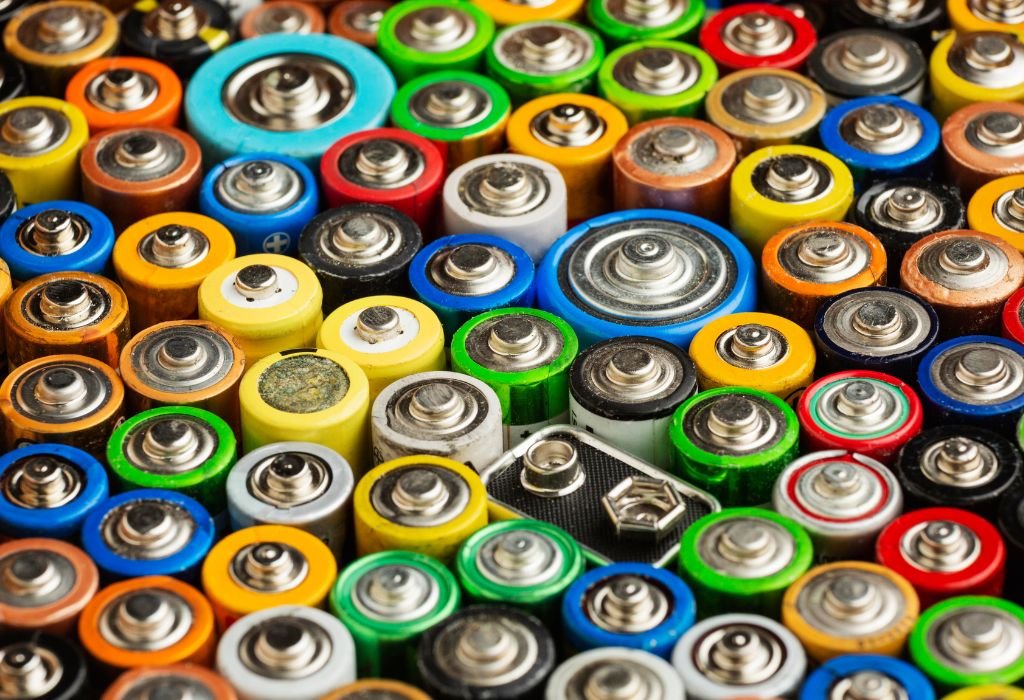
Understanding battery platforms helps explain why interchangeability works in some cases and fails in others. Each pack combines voltage rating, cell type, and battery management system to deliver safe power to tools.
Most cordless drill batteries use lithium-ion cells like 18650 or the newer 21700 format. These cells connect in series to produce nominal voltages such as 18V or 20V MAX, labels that often describe the same underlying 5-cell configuration.
The battery management system, or BMS, monitors voltage, temperature, and current flow. It prevents overcharging, deep discharging, and overheating to keep both the tool and battery safe. (Battery University)
Higher voltage platforms like 36V or 40V MAX deliver more power for heavy-duty tools. However, they remain incompatible with lower-voltage platforms unless specifically designed for cross-use within the same brand family.
Q&A
Why do some brands label 18V and others 20V MAX?
Both describe the same five-cell Li-ion pack; the difference is mainly marketing.
What role does the BMS play in compatibility?
It manages safety functions; mismatched systems can disable protections or fail to communicate properly.
Does amp-hour capacity affect platform fit?
No; it affects runtime, not compatibility.
Why does voltage rating matter for tools?
Voltage determines power potential; using the wrong voltage can damage electronics or reduce performance.
Do all brands share the same cell configuration?
Most use similar cell formats, but rail design and software protections vary by brand.
This foundation makes it clear why cross-brand battery swapping rarely works safely, setting up the next section on adapters and real-world risks.
Cross-Brand Adapters — Convenience vs Risk
Battery adapters promise a simple solution: one brand’s battery powering another brand’s tool. They look attractive for users who own multiple tool brands and want to standardize power sources.
However, adapters only bridge physical connections. They often bypass built-in safety communication between the tool and battery, which can disable low-voltage cutoff or temperature monitoring. (CPSC)
Some adapters even claim to work across different voltages, creating potential for over-discharge or overheating. When safety systems fail, batteries risk thermal runaway, a leading cause of lithium-ion fire hazards. (NFPA)
While certain brands market approved adapters, most third-party products lack UL or CSA certification. Without these safety approvals, using them can void warranties and raise insurance liability questions.
Q&A
Do adapters make all batteries interchangeable across brands?
No; they only ensure physical fit, not full safety communication.
Will using adapters void tool warranties?
Yes in most cases, as manufacturers specify OEM batteries only.
Are voltage differences a concern with adapters?
Yes; using mismatched voltages risks overloading or underpowering tools.
Do adapters include low-voltage cutoff protections?
Many third-party adapters do not, increasing battery damage risks.
Are universal batteries with adapters reliable?
Only if certified and recommended by the original tool brand, which is rare.
Within-Brand Interchangeability (Examples & Rules)

Most major power tool brands design their batteries to be interchangeable across tools in the same voltage platform. This ensures users can invest in one ecosystem without worrying about battery fit or charger compatibility.
For example, Milwaukee’s M18 platform supports over 150 tools using the same battery interface and charger system (Milwaukee Tool). DeWalt follows a similar approach with its 20V MAX line, allowing older tools to use newer packs within the same voltage family.
Makita’s LXT and Ryobi’s ONE+ platforms also maintain full backward compatibility for tools and chargers in each family. This creates consistent performance and reduces unnecessary battery purchases.
Some brands even allow older chargers to work with newer batteries, provided both stay within the same platform. This flexibility improves convenience while keeping electrical safety intact.
Q&A
Can an M18 battery work on every M18 tool?
Yes, all M18 tools and batteries remain fully compatible.
Will DeWalt 20V MAX batteries fit older 18V XR tools?
Yes, if they belong to the same voltage family.
Do Makita LXT chargers support all LXT batteries?
Yes, backward compatibility is standard within LXT.
Are Ryobi ONE+ batteries cross-compatible?
Yes, all ONE+ batteries fit all ONE+ tools.
Do brands mix compatibility across different voltage platforms?
No, 12V, 18V, and 36V platforms remain separate even within the same brand.
Can Cordless Drill Batteries Be Refurbished?
Many tool owners wonder if dead batteries can be brought back to life instead of being discarded. Refurbishing methods differ depending on whether the pack uses older nickel-cadmium cells or modern lithium-ion technology.
Nickel-cadmium and nickel-metal hydride batteries sometimes respond to conditioning cycles. This process involves controlled charging and discharging to restore some capacity, but improvements are often temporary and limited. (Battery University)
Lithium-ion packs can technically be “recelled,” where old cells are replaced with new ones. However, this requires spot welding, knowledge of battery management systems, and safety certifications to prevent overheating or short circuits. (UL Research)
For most users, replacing with certified OEM batteries remains safer and often more cost-effective than DIY refurbishment. Refurbishing without proper tools and expertise can lead to severe safety hazards, including fire risks.
Q&A
Can cordless drill batteries be refurbished at home?
Rarely; nickel-based packs sometimes benefit from conditioning, but lithium-ion requires professional recelling.
Is refurbishing lithium-ion batteries safe?
Not without correct equipment, training, and certified components.
Does battery refurbishment save money?
Only if professional services are available at reasonable cost; OEM replacements are often cheaper long-term.
Do refurbished packs keep original warranties?
No; any modification voids manufacturer warranties.
What are the main risks in DIY refurbishment?
Overheating, improper BMS connection, and short circuits can lead to fire or failure.
Safety, Certification & Counterfeits (Must-Read Before Mixing)
Battery safety depends on following brand guidelines and using certified products. Counterfeit or uncertified packs often skip critical protections like thermal sensors or proper battery management systems.
The U.S. Consumer Product Safety Commission (CPSC) has reported multiple recalls of third-party lithium-ion packs due to overheating and fire risks (CPSC). Using these uncertified products can also void tool warranties and cause insurance complications if accidents occur.
Underwriters Laboratories (UL) and other bodies like CSA or ETL certify batteries for electrical safety. Certified packs undergo rigorous testing for overcharge, impact, and thermal safety before approval.
Even when using adapters or third-party packs, look for visible safety markings such as UL or CSA certification labels. This step helps reduce risks from counterfeit or substandard batteries flooding online marketplaces.
Q&A
How can users identify certified batteries?
Look for UL, CSA, or ETL marks and purchase only from trusted retailers.
Are cheap third-party batteries safe?
Not always; uncertified packs have higher risks of overheating and fire hazards.
Do counterfeit packs affect warranties?
Yes, using uncertified products voids most manufacturer warranties.
What is the safest way to dispose of old batteries?
Take them to e-waste facilities or designated recycling centers.
Do safety certifications apply to adapters as well?
Yes, any product connecting to a power system should carry safety certification marks.
Choosing the Right (Compatible) Pack — Checklist
Selecting the correct battery pack ensures safe operation, optimal performance, and long-term value. A systematic approach helps prevent costly mistakes and avoids compatibility risks.
Start by confirming the brand and platform family. Within-brand platforms like Milwaukee M18 or DeWalt 20V MAX guarantee full interchangeability across tools and chargers.
Next, verify the voltage rating. While 18V and 20V MAX often mean the same configuration, other voltage platforms such as 12V or 40V MAX remain separate.
Check amp-hour capacity for runtime needs. Higher Ah batteries last longer per charge but do not affect compatibility within the same platform.
Only use certified OEM chargers to maintain safety features like overcharge protection. Certified chargers also help preserve battery warranties and reduce failure risks.
Finally, avoid counterfeit products and confirm UL, CSA, or ETL safety marks before purchase. A single uncertified battery can endanger both tools and users.
Q&A
Does higher amp-hour mean more power?
It means longer runtime, not more torque or peak power output.
Can one charger handle all batteries in a brand family?
Yes, most OEM chargers support all packs within the same platform voltage.
Do counterfeit packs affect tool performance?
Yes, they often lack proper safety electronics, risking damage or overheating.
Is it safe to mix batteries and chargers from different brands?
No, doing so can bypass safety systems and void warranties.
Does choosing a single platform save money?
Yes, standardizing reduces the need for multiple chargers and batteries.
Brand-By-Brand Quick Notes
Most major power tool brands maintain strict compatibility within each platform. Understanding each brand’s approach helps avoid confusion when selecting batteries or tools.
DeWalt uses the 20V MAX platform across dozens of tools. Older 18V XR models often share backward compatibility with 20V MAX packs when using official adapters.
Milwaukee offers two main lines: M12 and M18. All batteries within each platform remain fully compatible across generations.
Makita provides LXT and XGT systems. LXT batteries work across all LXT tools, while XGT supports higher-power tools with a separate platform.
Ryobi features the ONE+ family, where every battery since 1996 fits every ONE+ tool. This broad compatibility reduces long-term costs for DIY users.
Bosch maintains its own 18V platform ecosystem, offering backward compatibility across most of its professional cordless tools.
Q&A
Do DeWalt 20V MAX batteries fit older tools?
Yes, with official adapters, backward compatibility exists for many 18V XR tools.
Will Milwaukee M18 batteries work on M12 tools?
No, each voltage platform remains separate despite both being Milwaukee products.
Are Makita LXT and XGT batteries interchangeable?
No, each platform serves different power requirements and tool families.
Does Ryobi ONE+ still support older tools?
Yes, all ONE+ batteries fit every ONE+ tool made since 1996.
Do Bosch 18V batteries fit third-party brands?
No, Bosch batteries are designed for Bosch tools only.
Maintenance & Life Extension
Proper maintenance extends the lifespan of cordless drill batteries and helps preserve performance over hundreds of charge cycles. Simple care practices can prevent premature failure and reduce replacement costs.
Lithium-ion packs last longest when stored at around 40–60% charge in a cool, dry location. Extreme heat or deep discharge cycles shorten capacity and may trigger safety risks. (Battery University)
Using OEM chargers ensures correct voltage and current limits during charging. Third-party chargers without proper certifications can cause overheating or cell imbalance.
Routine cleaning of battery contacts improves electrical efficiency and reduces the chance of tool misfires. Dust and debris often interfere with secure connections.
Finally, avoid leaving batteries on the charger for days. Modern chargers stop charging at full capacity, but prolonged exposure to heat from trickle charging may still degrade cells over time.
Q&A
Should cordless drill batteries be stored fully charged?
No, store them at partial charge to prevent stress on the cells.
Do short charging sessions harm lithium-ion batteries?
No, partial charging is safe and often better than full discharges.
How often should battery contacts be cleaned?
Every few months or when visible dust or debris accumulates.
Can extreme temperatures damage batteries?
Yes, both heat and freezing conditions shorten battery lifespan.
Do OEM chargers really make a difference?
Yes, they maintain correct voltage limits and protect against overcharging.
Conclusion — Are Cordless Drill Batteries Interchangeable?
Cordless drill battery interchangeability depends on platform design, brand policies, and safety systems. Most major brands guarantee full compatibility within the same voltage family but prevent cross-brand use for technical and safety reasons.
Adapters provide partial solutions but often bypass built-in protections, risking tool damage, reduced battery life, or fire hazards. Certified OEM batteries remain the safest choice for both performance and warranty compliance.
Refurbishment offers limited benefits and significant safety risks, especially with lithium-ion packs. Professional services may restore capacity, but replacing with certified products is often safer and more cost-effective.
Choosing a single battery platform reduces long-term costs, improves project efficiency, and ensures tool compatibility. Following proper maintenance practices like partial-charge storage, correct charging methods, and regular cleaning further extends battery life.
Q&A
Are cordless drill batteries interchangeable across all brands?
No, only within the same brand and voltage platform.
Do adapters make cross-brand use safe?
Not always; many lack safety certifications and void warranties.
Is refurbishment worth the effort?
Only for older NiCd or NiMH packs with professional services; lithium-ion replacement is usually better.
How can battery life be extended?
Store partially charged, avoid extreme heat, and use certified chargers.
What is the best way to ensure compatibility?
Standardize on one platform and follow the manufacturer’s safety guidelines.

I’m John F. Nicholas, the founder, lead writer, and drill enthusiast behind 101drill.com. With years of hands-on experience in power tools and DIY projects, I created this platform to share practical knowledge, expert tips, and real-world insights to help others master the art of drilling.