
Precision starts long before the drill touches the material. It begins with the bit itself. When accuracy, depth, and alignment matter, the question arises — are drill press bits different from regular bits?
Many beginners assume all drill bits are interchangeable, but subtle design differences can drastically change performance. According to a 2023 study by the U.S. Forest Service, improper bit geometry can increase hole deviation by up to 40% in dense materials (source). That margin is enough to ruin an entire project.
This guide explains exactly what makes drill press bits unique, how they compare to regular bits, and when it’s worth upgrading. Whether working on wood, metal, or composites, understanding the difference determines both the precision and lifespan of every cut.
What Exactly Are Drill Press Bits?
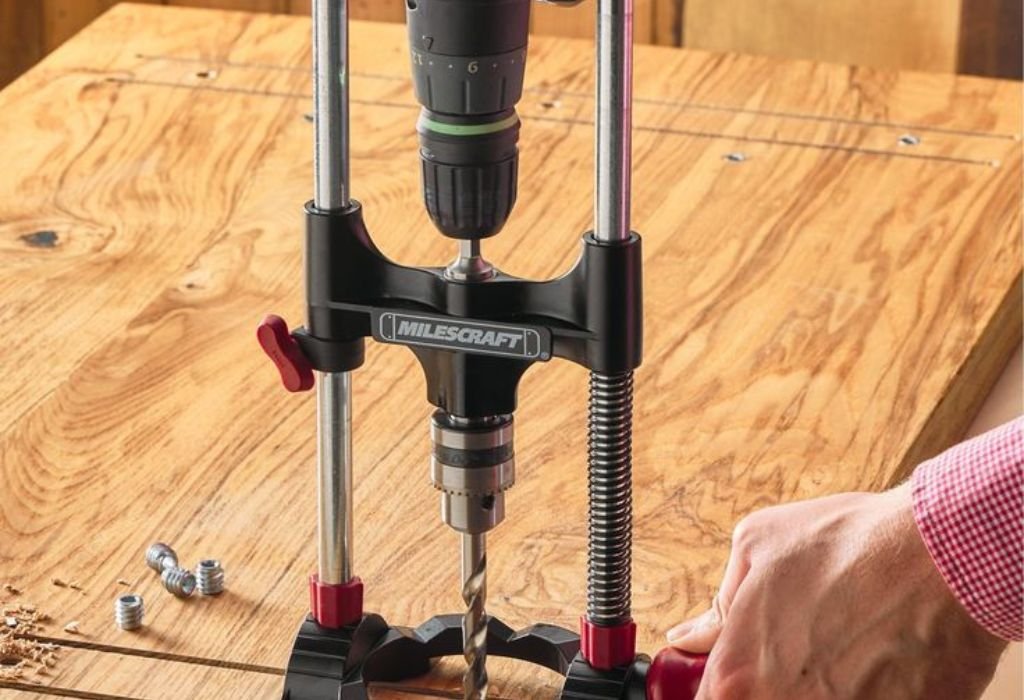
Drill press bits are engineered for use in stationary machines where the drill’s motion is perfectly vertical. They are designed to handle steady downward pressure with minimal side deflection.
Their geometry features sharper cutting points, stronger cores, and deep flutes for effective chip removal. These qualities ensure accuracy, stability, and consistent hole size across repeated operations.
Most are made from HSS, cobalt, or carbide, offering high heat resistance and edge retention during prolonged use. Many include titanium nitride or black oxide coatings to reduce wear and friction.
Because drill presses maintain perfect alignment between bit and workpiece, these bits exploit rigidity to achieve precise results. They are ideal for metal drilling, woodworking, and fabrication requiring tight tolerances.
Are drill press bits designed differently from handheld bits?
Yes. They feature specialized point angles and thicker shanks that maintain alignment under constant pressure.
Can any drill bit be used in a drill press?
Some can, but bits designed for press use provide superior accuracy and less runout.
What materials are best for drill press bits?
Cobalt and carbide for metals; brad-point and Forstner bits for wood.
Do drill press bits reduce bit wander?
Yes. Controlled feed and sharp geometry eliminate side movement.
Why are drill press bits more durable?
They’re built from wear-resistant alloys and coatings that prolong sharpness during extended runs.
What Are Regular Bits?
Regular bits refer to the standard drill bits used in handheld drills. They are versatile, portable, and designed to perform reasonably well on multiple materials.
These bits usually have gentler point angles and lighter flutes to prevent grabbing or binding when guided by hand. While they offer flexibility, they can’t achieve the same precision as press bits.
Common examples include twist drill bits, spade bits, masonry bits, and brad-point bits for general DIY use.
Are regular bits built for precision drilling?
Not entirely. They favor convenience and adaptability over micro-accuracy.
Do regular bits cause more wandering?
Yes. Without mechanical feed control, they can drift slightly during entry.
Can regular bits fit in a drill press?
They can, though accuracy may vary depending on the shank type and alignment.
Are regular bits cheaper?
Typically yes. They are mass-produced for general purposes, making them affordable but less specialized.
Do regular bits wear faster?
Often, especially under high-speed drilling without adequate cooling or lubrication.
Key Differences Between Drill Press Bits and Regular Bits
The contrast lies in geometry, material strength, feed control, and tolerance. These differences explain why a drill press bit consistently outperforms its handheld counterpart in precision work.
Bit Geometry and Cutting Angle
Drill press bits feature steeper cutting angles and thicker cores for rigid feed. Regular bits use milder geometries to reduce torque reaction in handheld tools.
Do cutting angles differ significantly?
Yes. Press bits often use 135° split points to self-center and resist walking.
Why does geometry matter?
Sharper points cut cleaner, reduce friction, and improve chip evacuation.
Are brad-point or Forstner bits suitable for presses?
Yes, especially for wood where clean edges are required.
Does geometry affect bit life?
Correct geometry reduces stress, heat, and dulling over time.
Can regular geometry work on a press?
It can, but won’t exploit the press’s rigidity for maximum precision.
Material and Coating
Drill press bits are typically made from high-speed steel (HSS), cobalt, or solid carbide. Coatings such as TiN or TiAlN add heat resistance and lower friction.
Does coating improve performance?
Yes. Coatings enhance durability and reduce overheating during deep drilling.
Which material lasts longest?
Carbide outlasts all others, especially on metal or stainless steel.
Can uncoated bits be used in a press?
Yes, but expect shorter life under heavy loads.
Do coated bits cut faster?
They often do — lower friction means less heat buildup and cleaner chips.
Is carbide necessary for wood?
No. HSS or brad-point bits are sufficient for woodworking tasks.
Shank, Chuck, and Fit
A tight fit between bit and chuck determines accuracy. Drill press bits often have Morse taper or reduced shanks, while regular bits rely on simple round or hex shanks.
Why does shank style matter?
Better grip reduces slippage and vibration.
Can regular shanks fit press chucks?
Yes, though they may allow minor play affecting hole roundness.
Is Morse taper superior?
It provides stronger clamping and perfect centering.
Do worn chucks affect precision?
Absolutely. Even minor wear causes runout and vibration.
Are hex shanks good for presses?
They’re safe for light work, but not ideal for extreme precision.
Speed, Feed, and Control
Drill presses allow precise rpm and feed-rate control, minimizing heat and extending bit life. Hand drills depend on manual pressure and variable triggers.
Can regular bits handle low-speed operation?
They can, though chip evacuation may suffer.
Does controlled feed improve accuracy?
Yes. Uniform feed reduces chatter and burning.
Do drill press bits require lubrication?
For metals, yes — proper coolant improves cutting life.
Can excessive pressure damage bits?
Definitely. Overfeeding dulls cutting edges and warps shanks.
Why is speed control important?
Matching rpm to bit diameter ensures clean, round holes.
Accuracy and Stability
The drill press eliminates human error by fixing both material and tool in position. Regular drilling relies on hand stability, increasing deviation risk.
Does the press ensure straight holes?
Yes. Its rigid column and fixed spindle keep holes perpendicular.
Can handheld drilling match that precision?
Rarely — small movements cause cumulative errors.
Why does bit stability matter?
Stable alignment prevents binding and uneven wear.
Does vibration affect hole quality?
Yes. It causes chatter marks and inconsistent diameters.
Are press bits inherently more accurate?
They are designed to take advantage of the machine’s perfect alignment.
When and Why to Use Drill Press Bits
Drill press bits shine when consistency and accuracy outweigh convenience. They’re essential in metal workshops, cabinetry, and precision woodworking.
Controlled feed rates prevent overheating and extend tool life. This is especially critical when drilling repetitive holes or large diameters.
When are drill press bits worth using?
Whenever the job demands perfect depth, diameter, or spacing.
Can they replace all handheld bits?
No — portability and speed make handheld tools better for quick fixes.
Do press bits handle hard metals better?
Yes. Their rigidity and geometry reduce strain under pressure.
Is setup time longer for a press?
Slightly, but the precision payoff is substantial.
Should beginners invest in press bits?
Absolutely. The improvement in accuracy is immediate.
Can You Use Regular Bits in a Drill Press?
Many regular bits fit a drill press chuck, but compatibility doesn’t guarantee precision.
Because regular bits have more flexible geometry, they may deflect or chatter under continuous feed. Always test runout before drilling critical holes.
Will twist bits work on a drill press?
Yes, but expect lower accuracy than specialized press bits.
Can spade bits be used on a press?
They can, but may splinter wood without backing support.
Do regular bits overheat faster?
Yes, especially at higher rpm or without lubrication.
Can smaller bits be dangerous in presses?
If fed too aggressively, they can snap easily.
How to optimize regular bits in a press?
Use pilot holes, slower speeds, and proper cooling.
Maintenance and Bit Life
Proper care determines longevity. Even premium bits dull quickly under improper feed or excessive speed.
Always clean chips, apply cutting oil, and store bits dry. Inspect edges regularly and sharpen when dullness appears.
How often should bits be sharpened?
After every 20–30 holes in hard metal or when cutting edges lose shine.
Can press bits be resharpened?
Yes. HSS and cobalt bits respond well to grinding at the original angle.
Does lubrication really matter?
Yes. It cools the edge and flushes debris away.
What shortens bit life the most?
Excessive heat and high rpm.
Can damaged bits be repaired?
Minor nicks can be honed, but cracks require replacement.
Troubleshooting Common Issues
Even with precision equipment, mistakes happen. Overheating, chatter, or hole deviation often point to incorrect speed or dull bits.
Why does smoke appear while drilling?
Friction and dull edges overheat the material.
Why are holes oversized?
Worn bits or loose chucks allow wobble during drilling.
What causes bits to break?
Excess pressure, poor alignment, or hardened material.
How to prevent burning marks on wood?
Use lower rpm and clear chips frequently.
Why is chip removal important?
Clogged flutes raise heat and reduce cutting efficiency.
Conclusion
So, are drill press bits different from regular bits? Absolutely. Their geometry, materials, and precision design make them ideal for controlled vertical drilling where accuracy and stability are essential.
Regular bits work fine for general tasks, but when tolerances matter, drill press bits deliver cleaner holes, longer life, and unmatched consistency. Choosing the right bit ensures not only perfect results but also safer, smoother, and more efficient drilling every time.

I’m John F. Nicholas, the founder, lead writer, and drill enthusiast behind 101drill.com. With years of hands-on experience in power tools and DIY projects, I created this platform to share practical knowledge, expert tips, and real-world insights to help others master the art of drilling.