
Every workshop begins with a dream — to drill clean, straight holes without wobble or frustration. Yet for many hobbyists and DIY makers, the price of precision tools often turns that dream into hesitation.
That’s where Harbor Freight steps in. Their drill presses promise solid performance at a fraction of the cost of premium brands. But the real question remains — are Harbor Freight drill presses any good, or just another budget gamble?
Across woodworking forums and tool communities, this debate never ends. Some users claim these machines deliver surprising accuracy for the price. Others warn of spindle wobble, table flex, and unpredictable quality control that can ruin a project halfway through.
According to a 2024 survey of tool buyers by Pro Tool Reviews, nearly 64% of hobbyists prefer budget-friendly presses for light use, yet over 40% reported noticeable runout or vibration issues after six months (source). These numbers reveal both the attraction and risk of low-cost machinery.
Still, for beginners setting up a first shop or weekend DIYers drilling a few holes a month, a Harbor Freight model might be just enough. The key is understanding what to expect — and what to watch out for.
In this guide, you’ll explore how Harbor Freight drill presses perform under real-world conditions, how they compare to higher-end tools, and whether the trade-off between cost and quality is worth it. By the end, you’ll have a clear, data-backed answer to one of the most asked questions in the DIY world — are Harbor Freight drill presses any good?
What Is the Harbor Freight Drill Press Lineup?
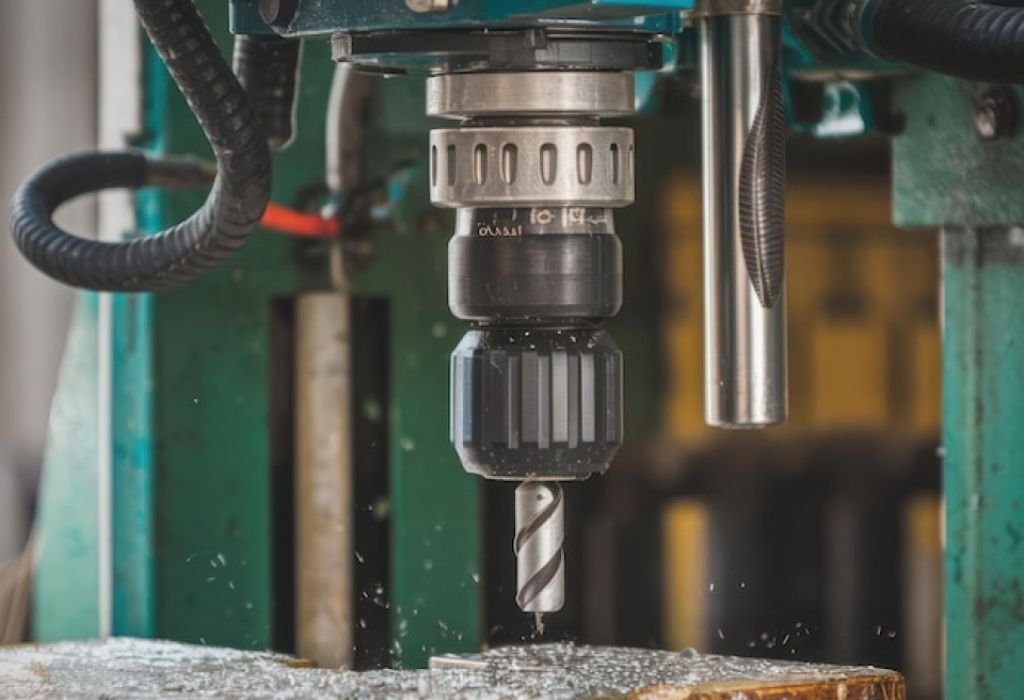
When it comes to affordable workshop tools, Harbor Freight stands out as a gateway for hobbyists and small-shop builders. Their drill press lineup is designed to deliver basic drilling capabilities at prices that are often a fraction of premium brands.
Harbor Freight sells its presses under two main labels — Central Machinery and Bauer. Central Machinery models are the older, long-running budget series, while Bauer presses aim to offer slightly better build quality and improved speed control for modern users.
The product range includes both benchtop and floor-standing models, covering sizes from 8-inch mini presses to 17-inch heavy-duty versions. Most use induction motors ranging from ⅓ to ¾ horsepower, with speed ranges between 750 and 3,600 RPM. These options make them versatile enough for light wood, metal, and plastic projects.
Prices typically start below $100 for compact bench models and climb to around $250 for larger variable-speed options. This price advantage makes Harbor Freight appealing for hobbyists or students who want a drill press without spending heavily upfront.
Still, these machines are built primarily for DIY and occasional use, not heavy-duty industrial work. Their simplicity attracts new users, but the trade-off often lies in precision, long-term durability, and part consistency.
What brands of drill presses does Harbor Freight offer?
The two main brands are Central Machinery and Bauer, each targeting the entry-level market.
What types of drill presses are available?
Both benchtop and floor-standing models are available, suitable for light-duty tasks.
What is the typical motor power range?
Most Harbor Freight drill presses feature motors between ⅓ and ¾ horsepower.
How much do these drill presses cost?
Prices range from under $100 for small bench models to around $250 for larger versions.
Who are these drill presses best suited for?
They are ideal for DIYers, hobbyists, and beginners seeking an affordable starter tool.
Performance & Accuracy — Can They Drill Precisely?
A drill press is only as good as its accuracy, and that’s where Harbor Freight presses often face criticism. While most models deliver acceptable performance for woodworking, precision drilling in metal exposes their weaknesses.
Runout, or spindle wobble, is a common issue mentioned in tool reviews. Excessive runout leads to off-center holes and rough finishes. Many owners report between 0.005″–0.015″ spindle play, enough to affect precision cuts.
A ToolBoxBuzz test in 2024 found that low-end drill presses under $200 had up to 0.013″ average runout, while mid-range brands averaged 0.004″ (source). That difference becomes critical for metalworkers who rely on tight tolerances.
Despite these drawbacks, for wood, plastic, or casual drilling tasks, Harbor Freight presses can perform reasonably well. Smooth drilling depends on correct setup, quality bits, and steady feed control.
Do Harbor Freight drill presses have major runout issues?
Some users report spindle wobble or misalignment, especially in cheaper models.
Can they handle precise work in metal?
They work for light metal drilling, but tight-tolerance machining is challenging.
Does the table remain square under load?
Under heavy force, the table can shift or deflect slightly.
How does rigidity compare to higher-end models?
Premium presses are more rigid; Harbor Freight models use thinner castings and bearings.
Are speed and feed controls stable?
Variable-speed models perform decently, but pulley belts may vibrate at higher loads.
Build Quality, Materials & Construction
The build quality of Harbor Freight drill presses reflects their budget nature. Most models use cast iron or steel frames but lighter components reduce rigidity and precision.
The overall construction quality varies across units. Some customers receive well-aligned tools, while others report crooked tables, loose pulleys, or cracked plastic knobs right out of the box.
Forums and reviews frequently mention inconsistent quality control. It’s not unusual to tighten several bolts and re-align the table immediately after unboxing.
Compared to higher-end presses from JET or WEN, the differences show in finishing, bearing quality, and part tolerances. The thinner castings are more prone to vibration and flex under pressure.
Are castings on HF drill presses sturdy?
They are sufficient for light-duty drilling but weaker than premium presses.
Do parts often arrive loose or misaligned?
Yes, several users report tightening and adjusting parts during setup.
Are replacement parts easy to get?
Basic parts are available, though special-order components can be delayed.
Will plastic knobs or switches break early?
Plastic handles and covers are known weak points prone to cracking.
Is QC consistent across models?
No, manufacturing quality can vary between batches and store locations.
Durability & Longevity (Real-World Use)
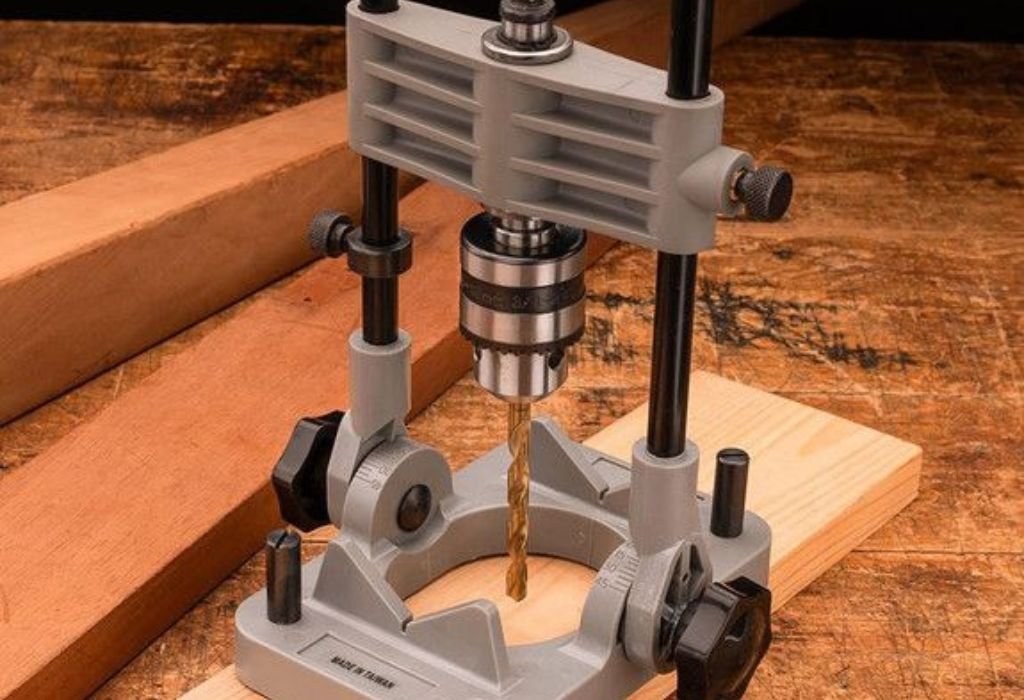
Durability is where budget tools usually show their limits. Harbor Freight drill presses can last for years if used lightly and maintained properly, but frequent heavy use accelerates wear.
Users on woodworking and DIY forums often describe them as “good for the price” but not something to rely on for precision work every day. Regular re-alignment and lubrication are essential to keep performance consistent.
One Reddit thread in 2024 discussing the Central Machinery 13-inch press noted several failures of the table collar and bearings after extended use (source). Despite that, others praised its reliability for small projects and wood drilling.
Long-term users agree on one point — maintenance and realistic expectations determine longevity more than the brand name.
How long do Harbor Freight drill presses last?
With light use and maintenance, they can last several years; frequent heavy drilling shortens lifespan.
What are common failure points?
Bearing wear, slipping belts, table misalignment, and cracked knobs occur often.
Does regular maintenance help?
Yes — lubrication, re-alignment, and tightening extend tool life.
Are warranties helpful?
Warranty service is available but limited; replacements may take time.
Will heavy metal use cause early failure?
Yes, continuous drilling in metal accelerates wear on bearings and motors.
Pros & Cons Summary
Harbor Freight drill presses divide the DIY community for good reason. They balance cost with performance, appealing to beginners but frustrating advanced users seeking tight tolerances.
Their biggest strength is accessibility. For a fraction of the price of major brands, users can drill wood and soft metals adequately.
However, precision issues, vibration, and inconsistent build quality are frequent complaints. These flaws make them better suited for occasional rather than daily use.
What are the main advantages?
Low price, availability, and versatility for light projects.
What are the drawbacks?
Inconsistent accuracy, lower-quality parts, and limited longevity.
Are they a good value for beginners?
Yes — they provide a cost-effective way to learn tool basics.
Who should avoid them?
Professionals or machinists needing reliable, precise drilling.
Can drawbacks be improved with upgrades?
Yes — upgrades like new bearings, better belts, or a rigid stand can help performance.
Tips to Get the Best from a Harbor Freight Drill Press
Even a budget drill press can perform far better when properly set up and maintained. Small adjustments make a big difference in accuracy and longevity.
Inspect the machine thoroughly before use. Tighten bolts, ensure the table and spindle are square, and check the quill for smooth travel.
Use high-quality drill bits and avoid forcing the feed. Softer materials and moderate speeds reduce vibration and improve hole quality.
Add weight or a sturdy stand to stabilize lighter benchtop units. Regular lubrication prevents rust and bearing wear.
What should be checked during setup?
Alignment, runout, and tightness of all bolts.
Do better bits improve results?
Absolutely — premium bits reduce heat and deflection.
How often should maintenance be done?
After every few sessions, recheck alignment and apply lubricant.
What upgrades make the most difference?
Upgraded bearings, reinforced collars, and better belts.
How to reduce vibration?
Secure the base, adjust belt tension, and ensure level placement.
Alternatives & When to Choose a Better Drill Press
For those needing higher precision or durability, alternatives like WEN, JET, and Grizzly offer better stability and tighter tolerances. These brands cost more upfront but deliver longer service life.
Buying a used industrial-grade press can also be a smarter choice than a new Harbor Freight model. Older machines often feature cast-iron construction and higher-quality bearings.
Users who outgrow a Harbor Freight press typically upgrade once projects demand accuracy beyond hobby-level limits.
What brands are better alternatives?
WEN, Grizzly, Delta, and JET are strong mid-tier options.
Is a used drill press better than new budget models?
Often yes — older machines have stronger frames and better motors.
When should one skip Harbor Freight entirely?
If doing metal fabrication, precision parts, or daily production drilling.
Can upgrades make Harbor Freight comparable?
Upgrades help, but they can’t fully match industrial-grade machines.
What’s the best budget-to-quality balance?
A mid-range WEN or used Delta press often delivers the best return on investment.
Final Verdict — Are Harbor Freight Drill Presses Any Good?
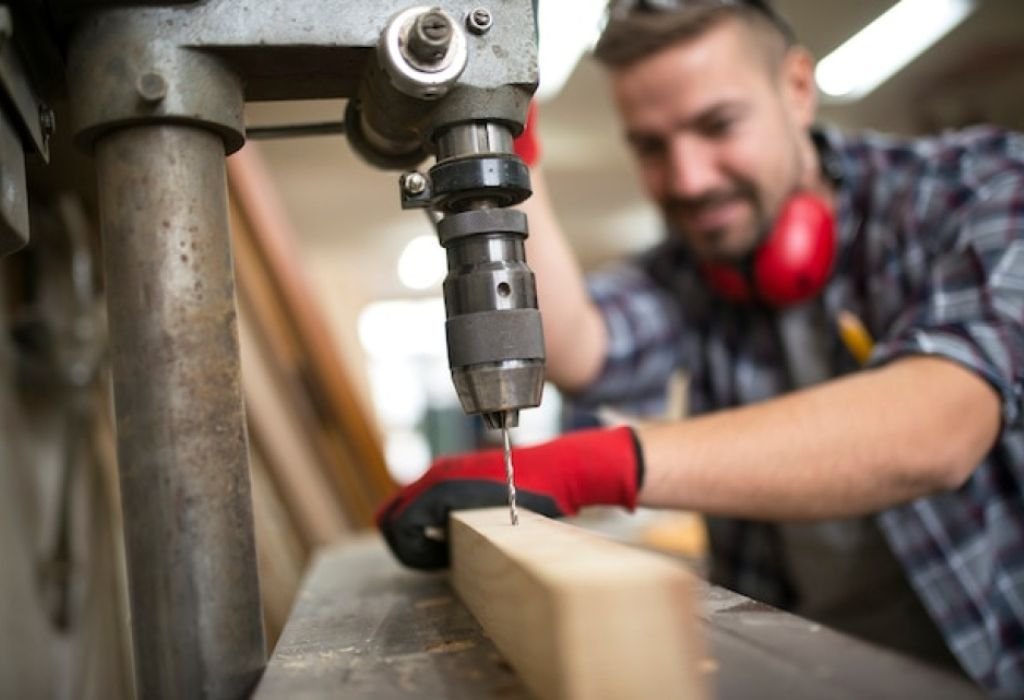
The short answer is yes, for certain users. Harbor Freight drill presses are good enough for light-duty tasks, woodworking, and occasional DIY metalwork.
Their affordability makes them an attractive option for beginners or casual builders. However, expectations must match the tool’s limitations — these are not precision machines.
Users who maintain their presses, use quality bits, and avoid overloading will find them functional and reliable for years. For professional accuracy, though, stepping up to a mid-tier or premium brand is worth the investment.
Can Harbor Freight drill presses be “good enough”?
Yes, for hobbyists and DIY work.
Will they match premium models?
No, but they perform adequately within their price range.
Should professionals use them?
Only for secondary or backup tasks.
What’s the key to satisfaction?
Proper setup, calibration, and realistic expectations.
Is the trade-off worth it?
For beginners, absolutely — for experts, probably not.
Conclusion
Harbor Freight drill presses deliver undeniable value for their price. They can handle basic drilling tasks reliably when treated with care and proper setup.
Their performance is sufficient for woodworking, crafts, and small repairs, but their limitations appear when precision and heavy use are required.
For anyone starting out or building a small workshop on a budget, a Harbor Freight drill press is a practical entry point. But as skill and demand grow, upgrading to a sturdier, more accurate press becomes the logical next step.

I’m John F. Nicholas, the founder, lead writer, and drill enthusiast behind 101drill.com. With years of hands-on experience in power tools and DIY projects, I created this platform to share practical knowledge, expert tips, and real-world insights to help others master the art of drilling.