
Imagine assembling a cabinet with a manual screwdriver and feeling your wrist ache after only a few screws. Manual tools quickly turn simple tasks into slow, exhausting work. A cordless power screwdriver eliminates that strain with efficient, battery-powered performance.
Compact and lightweight, this tool bridges the gap between manual screwdrivers and heavy drills.
It offers controlled torque, precision, and speed that make repetitive fastening jobs faster and easier.
More than 62% of DIY users prefer cordless tools for home projects because of convenience and portability (Statista).
Modern lithium-ion batteries and brushless motors have made these screwdrivers more powerful and longer lasting than ever.
From furniture assembly to light repairs, cordless power screwdrivers deliver consistent torque and smooth results.
This guide explains what they are, how they work, and how to choose the right one for your needs.
What Is a Cordless Power Screwdriver?
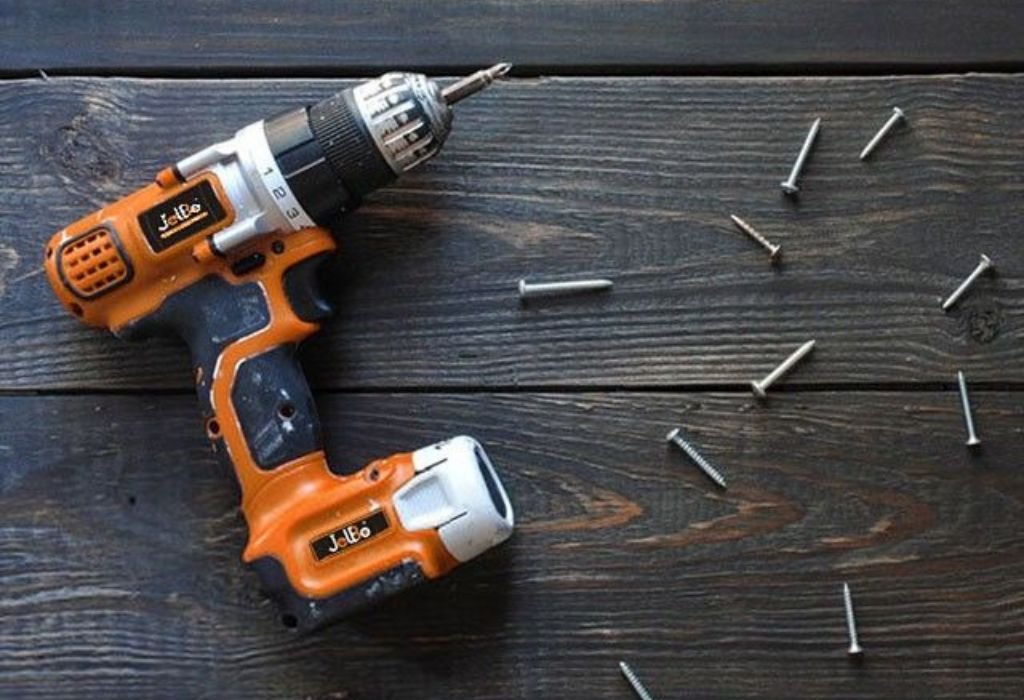
A cordless power screwdriver is a battery-powered handheld tool designed for driving and removing screws efficiently. It replaces manual twisting with an electric motor that spins the screw at controlled speed.
Smaller than drills but more powerful than traditional screwdrivers, it provides excellent balance for home and professional use.
What is a cordless power screwdriver?
A compact electric tool that drives screws using rechargeable battery power.
How is it different from a drill?
It’s lighter and designed specifically for screwdriving rather than drilling holes.
What powers it?
Rechargeable lithium-ion batteries provide portable energy.
Is it suitable for all screw sizes?
Yes, for most household and light-duty applications.
How a Cordless Power Screwdriver Works
Inside the housing, a small DC motor converts stored electrical energy into rotational motion. The gearbox reduces motor speed while increasing torque, making it ideal for screwdriving tasks.
The clutch controls torque to prevent over-tightening and damage. A trigger switch adjusts speed, and a forward-reverse selector changes direction.
How does the motor drive screws?
It transforms battery power into rotational force.
What controls torque?
A clutch mechanism disengages rotation once the set limit is reached.
What is RPM?
Rotations per minute show how fast the bit spins.
Does torque affect accuracy?
Yes, proper torque prevents stripping and ensures tight fits.
Main Components of a Cordless Power Screwdriver
Each part of the tool plays a critical role in its function and comfort.
The motor creates motion, the gearbox amplifies torque, and the chuck holds interchangeable bits. The handle is ergonomically shaped for balance, and built-in LED lights enhance visibility in dark work areas.
What does the chuck do?
It securely grips screwdriver bits.
Why is grip design important?
It minimizes fatigue during long sessions.
What role does the LED light play?
It illuminates tight or dark spaces for accuracy.
What type of battery is used?
Lithium-ion or nickel-cadmium depending on model age.
Different Types of Cordless Power Screwdrivers
Cordless power screwdrivers vary by size, design, and flexibility.
Straight models resemble pens and work well for electronics. Pistol-grip types are ideal for home use, while pivot-handle designs adjust angles for hard-to-reach spaces. Some modern models include auto-loading bit systems for speed.
Which type is best for home use?
Pistol-grip versions offer power and comfort.
Are pivot-handle tools more versatile?
Yes, they allow better reach and maneuverability.
Do straight models provide enough torque?
Yes, for small precision tasks.
Are auto-feed models faster?
They reduce downtime when changing bits.
Benefits of Using a Cordless Power Screwdriver
The biggest advantage is efficiency. A cordless screwdriver tightens dozens of screws in minutes with minimal effort. It’s also portable, ergonomic, and easy to control in tight spaces.
It saves time on repetitive jobs and prevents wrist strain. Many models feature adjustable torque, ensuring consistent results across various materials.
Why choose a cordless version?
It offers freedom of movement without cords.
Does it reduce fatigue?
Yes, lightweight design and balanced grip reduce strain.
Is it suitable for professionals?
Yes, widely used in assembly, carpentry, and repair.
Can it replace a drill?
For fastening screws, yes. For drilling holes, use a drill.
Common Applications and Uses
Cordless screwdrivers are essential for everyday home improvement. They handle cabinet installation, furniture assembly, electrical plates, and light automotive work.
Professionals use them in construction and electronics for delicate, repetitive fastening.
Can it assemble furniture?
Yes, ideal for flat-pack furniture.
Is it good for wall mounting?
Perfect when paired with pre-drilled anchors.
Can it repair appliances?
Yes, useful for small household or electronic repairs.
Is it used in cars?
Yes, for dashboards and trim components.
How to Choose the Right Cordless Power Screwdriver
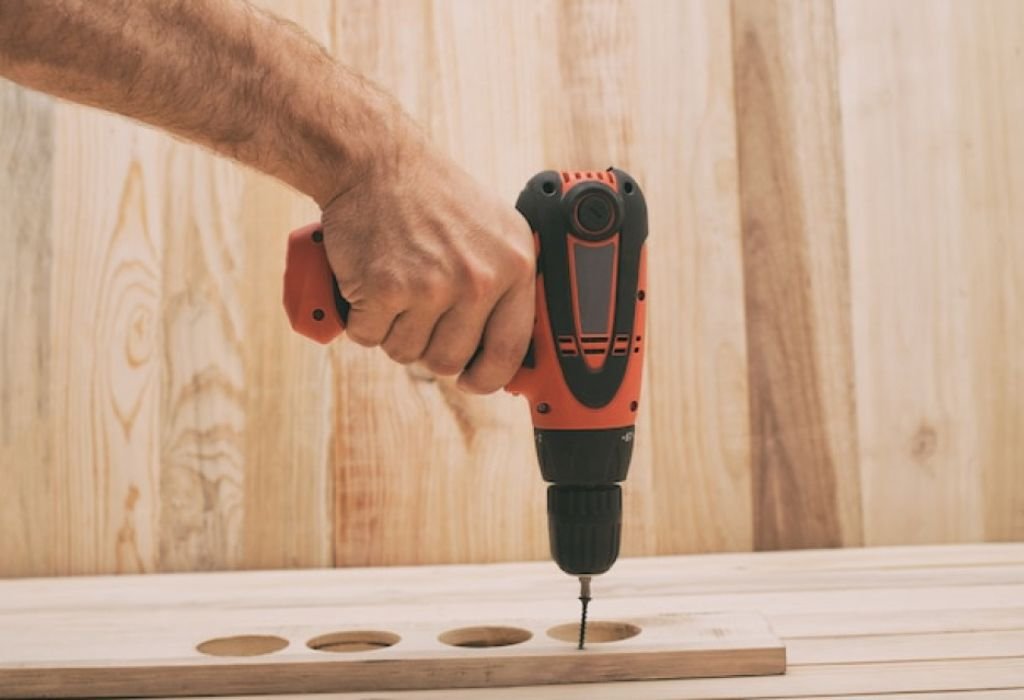
Selecting the right screwdriver depends on power, size, and features. Consider voltage, torque, battery type, and comfort.
A 3.6-volt model suits most household jobs, while professionals prefer 7.2–12 V units for extra strength. Always choose one with variable speed control and quick-change bit compatibility.
What voltage range is ideal?
3.6 V for light work, up to 12 V for tougher tasks.
How important is torque?
Higher torque handles dense materials effectively.
Does battery capacity matter?
Yes, higher amp-hours mean longer runtime.
Are brushless motors better?
Yes, they offer more efficiency and less wear.
Maintenance and Care Tips
Routine maintenance preserves performance. Clean the tool after each use, charge batteries properly, and store it safely.
Avoid overcharging or exposing batteries to moisture. Occasionally inspect the chuck and bit holder for wear.
How often should it be cleaned?
After each major project.
Can overcharging cause harm?
Smart chargers prevent it, but unplug when full.
Should it be oiled or greased?
Only if recommended by the manufacturer.
Where should it be stored?
In a cool, dry place away from direct sunlight.
Safety Tips When Using a Cordless Power Screwdriver
Even simple tools require attention to safety. Use protective gear and handle the tool with care to avoid stripped screws or injuries.
Always keep hair and clothing clear of the bit and disconnect the battery before maintenance.
Should safety glasses be worn?
Yes, they protect eyes from debris.
Can screws strip easily?
Yes, if speed or torque is too high.
Is reverse mode safe?
Yes, but hold the tool firmly to prevent spin-out.
How to ensure safe battery use?
Avoid puncturing or overheating batteries.
Troubleshooting Common Problems
Cordless screwdrivers can lose performance over time. Common issues include weak torque, bit slippage, or slow rotation.
Cleaning contacts and replacing worn bits often restores function.
Why won’t the tool turn on?
Battery may be drained or defective.
Why does it lose torque?
The clutch or gearbox may need servicing.
What causes slow spinning?
Low voltage or debris in moving parts.
Why doesn’t it hold bits tightly?
The chuck may be worn or incorrectly sized.
Environmental and Economic Advantages
Cordless power screwdrivers are eco-friendly compared to disposable-battery tools. Rechargeable lithium-ion packs minimize waste and reduce carbon impact.
Proper care extends tool life, cutting replacement costs and material waste.
Is it energy-efficient?
Yes, modern models consume minimal power.
Does it reduce waste?
Rechargeable batteries cut landfill contribution.
Is it cost-effective long term?
Yes, low maintenance and reusable energy source.
Can it replace multiple tools?
Yes, with interchangeable bits for varied jobs.
Top Brands and Models Worth Considering
Trusted brands lead with quality and innovation. Bosch, Makita, DEWALT, and Black+Decker offer reliable cordless screwdrivers suited for every budget.
Compact precision models serve hobbyists, while higher-voltage tools fit professional workshops.
Which brands are most reliable?
Bosch, DEWALT, Makita, and Milwaukee.
Are budget options good?
Yes, if they meet torque and safety standards.
Do warranties matter?
Yes, they ensure long-term protection.
Are bits interchangeable between brands?
Most accept standard ¼-inch hex bits.
Comparison: Cordless Screwdriver vs Cordless Drill
Cordless drills deliver higher torque and are designed for drilling holes. Cordless screwdrivers specialize in driving screws efficiently and safely.
Both have overlapping capabilities, but screwdrivers are smaller, lighter, and better for delicate work.
Which is more powerful?
Drills deliver higher torque for heavy tasks.
Which is easier to control?
Cordless screwdrivers provide smoother control for precision work.
Can one replace the other?
Not entirely, they serve complementary roles.
Which is better for beginners?
Cordless screwdrivers due to lighter handling.
Maintenance Schedule Example
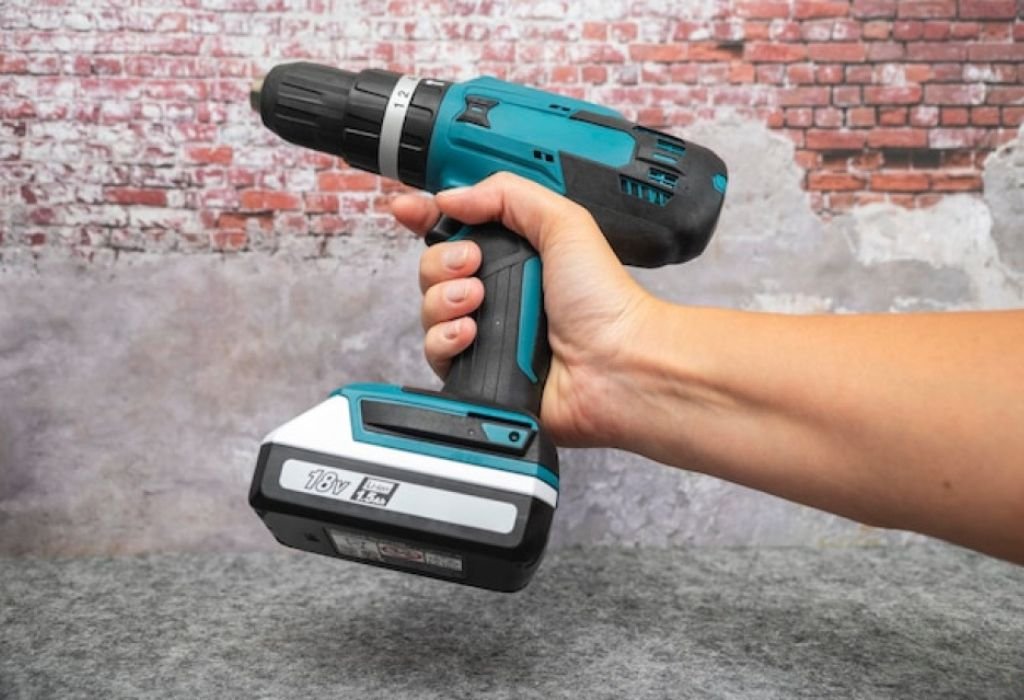
- Daily: Wipe dust and check battery charge.
- Weekly: Inspect bits and chuck.
- Monthly: Deep clean tool housing and vents.
- Seasonally: Test battery health and replace if weak.
How long do batteries last?
Typically 2–3 years with proper care.
How to extend lifespan?
Avoid full discharges and extreme temperatures.
Can old batteries be recycled?
Yes, through certified e-waste programs.
Should spare batteries be rotated?
Yes, to maintain balanced usage.
Future of Cordless Power Screwdrivers
Technology continues to improve efficiency and comfort. Expect faster charging, smart torque sensors, and improved battery management systems in next-generation models.
Some brands are already integrating Bluetooth for performance tracking.
Will batteries get smaller?
Yes, as density increases.
Will torque control become digital?
Likely, for precise, automated calibration.
Are brushless motors the standard now?
Yes, replacing older brushed types.
Will prices drop over time?
Yes, with mass adoption and competition.
Conclusion
A cordless power screwdriver is more than a convenience tool—it’s a modern essential for effortless fastening. Its combination of power, precision, and portability makes it ideal for DIYers and professionals alike.
From choosing the right voltage to maintaining batteries properly, understanding how this tool works ensures years of dependable use.
Why should you own one?
It saves time, reduces fatigue, and improves accuracy.
Are they beginner-friendly?
Yes, easy to control and lightweight.
What’s the takeaway?
Select the right model, maintain it well, and experience effortless fastening in every project.

I’m John F. Nicholas, the founder, lead writer, and drill enthusiast behind 101drill.com. With years of hands-on experience in power tools and DIY projects, I created this platform to share practical knowledge, expert tips, and real-world insights to help others master the art of drilling.