
Standing in the tool aisle, the choice seems simple—until the labels read cordless drill and cordless screwdriver.
Both look similar, both promise convenience, yet choosing the wrong one can waste time and money. The decision depends entirely on what kind of projects need attention.
A cordless drill is often seen as the powerhouse of any toolkit, capable of drilling holes and driving large screws through wood, metal, or concrete.
In contrast, a cordless screwdriver offers precision and speed for smaller household tasks like assembling furniture or fixing cabinet hinges.
Knowing which to pick means saving effort and ensuring every job feels smooth and efficient.
According to Statista, over 74 % of homeowners in the U.S. own at least one cordless power tool, with drills being the most popular source.
Meanwhile, the global cordless screwdriver market continues to expand, reflecting growing demand for lightweight, quick-fix tools source.
The key difference lies not just in power, but also in torque, battery design, and intended purpose.
A cordless drill offers raw strength and flexibility, while a cordless screwdriver focuses on control and precision. Understanding these distinctions helps avoid the frustration of stripped screws or weak batteries mid-project.
This guide breaks down every factor—power, torque, speed, and practicality—so readers can confidently answer one simple question: Should I get a cordless drill or a cordless screwdriver?
Understanding the Difference Between a Cordless Drill and a Cordless Screwdriver
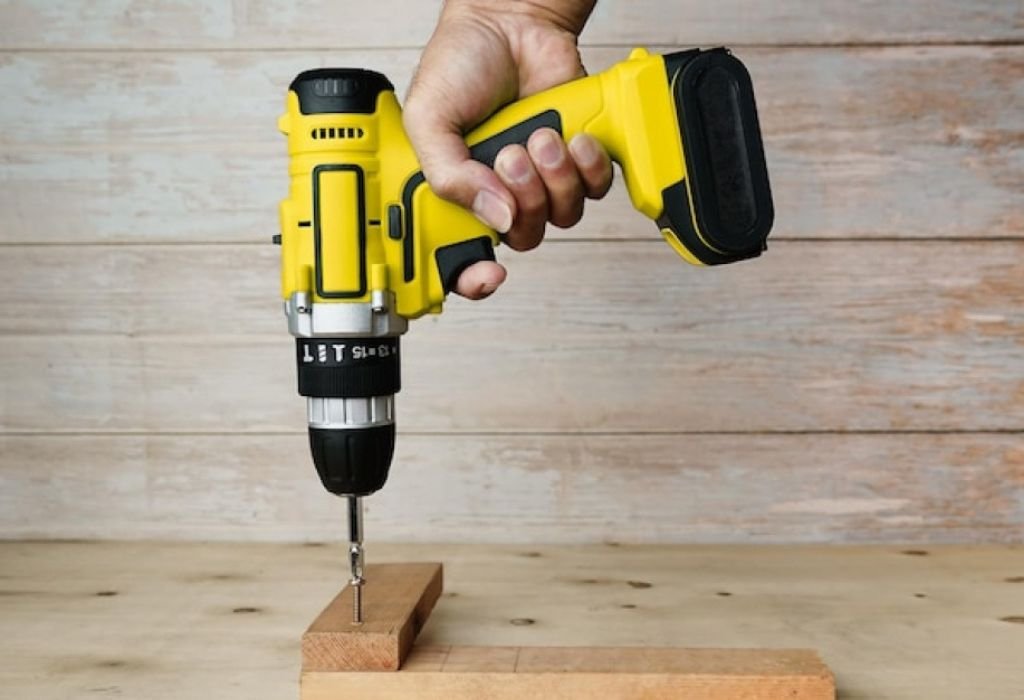
At first glance, both tools appear identical, but their internal mechanisms serve very different goals. A cordless drill combines speed, torque, and drilling ability, while a cordless screwdriver prioritizes control and ergonomics.
What is a cordless drill used for?
Drilling holes and driving long screws into wood, metal, or masonry.
What is a cordless screwdriver used for?
Fastening or removing small screws with minimal effort.
How do they differ in power?
Drills produce much higher torque for demanding work.
Do both use rechargeable batteries?
Yes, but screwdrivers often rely on smaller or built-in batteries.
Can a drill replace a screwdriver?
Yes, occasionally—but a screwdriver offers better precision for repetitive jobs.
Comparing Power and Torque
Torque is the twisting force that determines how efficiently a tool drives a screw or drill bit. The higher the torque, the more demanding jobs it can handle.
Which has higher torque?
Cordless drills deliver significantly more torque than screwdrivers.
Is torque important for driving screws?
Yes, higher torque drives screws faster and deeper.
Are screwdrivers weaker by design?
Yes, they’re intentionally limited to protect delicate materials.
Do voltage ratings affect torque?
Higher-voltage batteries produce stronger output.
Can torque be adjusted?
Yes, most drills feature adjustable clutch settings for precise control.
Speed Control and Versatility
Speed flexibility defines how versatile each tool is. Cordless drills usually offer variable speed triggers that adapt easily to different materials.
Do cordless drills have variable speed triggers?
Yes, allowing smooth control for drilling or screwdriving.
Are screwdrivers single-speed tools?
Most are, though premium models may offer two speeds.
Which tool is more versatile?
Cordless drills handle drilling, fastening, and even light mixing.
Can screwdrivers handle drilling?
Only for small pilot holes in soft materials.
When is low speed better?
Low speed prevents stripping screws or damaging soft wood.
Battery Life and Charging Time
Battery capacity defines how long you can work without interruption. Cordless screwdrivers usually run longer because their motors draw less current.
Which has better battery life?
Screwdrivers last longer on light-duty projects.
Do drills drain batteries faster?
Yes, they consume more power per task.
Can both use interchangeable batteries?
Some brands allow battery sharing within the same platform.
Do modern batteries charge quickly?
Yes, most lithium-ion batteries recharge in under an hour.
Is voltage or amp-hour more important?
Voltage provides power; amp-hours determine runtime.
Size, Weight, and Handling
Comfort and balance are vital for long work sessions. Lighter tools reduce fatigue and improve control.
Which tool is lighter?
Cordless screwdrivers weigh less and fit smaller hands easily.
Does tool weight matter for overhead work?
Yes, lighter screwdrivers reduce strain during repetitive tasks.
Are drills more ergonomic?
They’re balanced for stability but heavier due to larger batteries.
Which offers better maneuverability?
Screwdrivers fit tight or angled spaces better.
Do both include LED lights?
Yes, many modern models have built-in lighting for visibility.
Cost and Maintenance
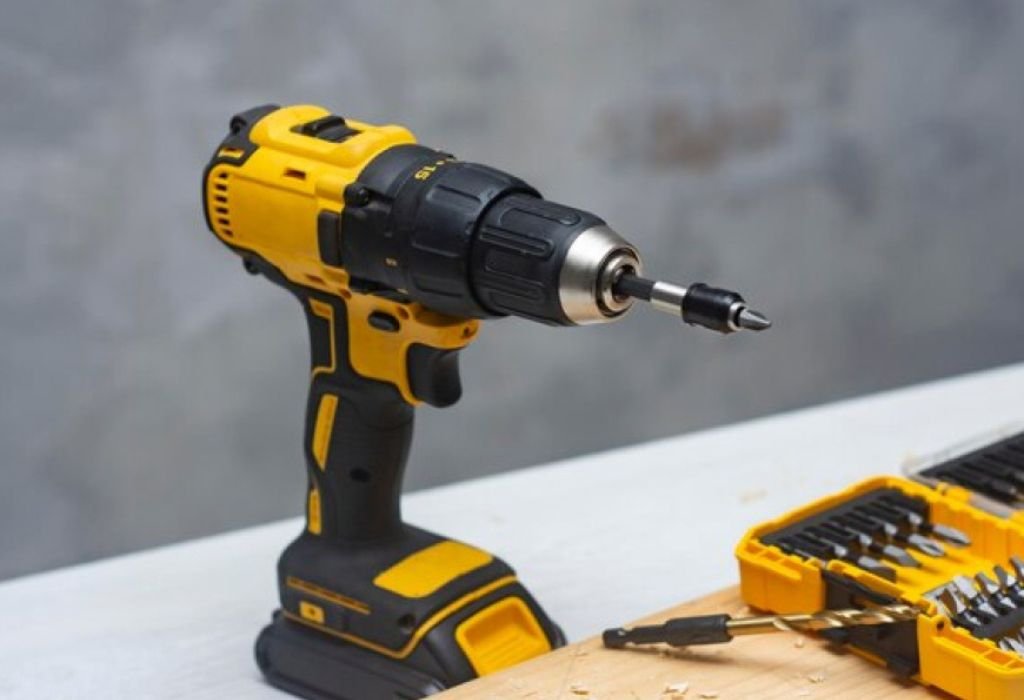
Price often reflects durability and performance level. Cordless drills cost more but offer greater long-term value.
Which is more affordable?
Cordless screwdrivers are cheaper upfront.
Do drills need more maintenance?
Minimal—just keep batteries charged and bits clean.
Is investing in a drill worth it?
Yes, for those tackling varied home or professional projects.
Do screwdrivers use replaceable bits?
Yes, standard magnetic or quick-change bit systems.
Are warranties similar?
Most offer one- to three-year coverage depending on brand.
Ideal Use Cases — When to Choose Each Tool
Choosing depends on job type, material hardness, and precision needs.
Choose a Cordless Drill When …
- You drill holes in wood, metal, or concrete.
- You drive large screws or bolts.
- You need one versatile tool for multiple projects.
- You want adjustable torque for control.
Choose a Cordless Screwdriver When …
- You assemble furniture or electronics.
- You handle small fasteners repeatedly.
- You prefer lightweight, one-handed operation.
- You work in confined or delicate spaces.
Can I own both tools?
Yes, many users keep each for different tasks.
Which is better for beginners?
A cordless drill—it’s more adaptable.
Is a screwdriver safer for small jobs?
Yes, its lower torque prevents damage.
Which saves time overall?
Drills for big projects, screwdrivers for quick fixes.
Key Features to Compare Before Buying
Understanding specifications ensures your money goes toward features that matter.
What chuck size should I choose?
Drills use ⅜″ or ½″ chucks; screwdrivers use ¼″ hex bit holders.
Brushless or brushed motor?
Brushless motors last longer and waste less energy.
Is clutch adjustment essential?
Yes, it prevents overtightening or stripping screws.
Do accessories matter?
Yes, magnetic bit holders and belt clips improve convenience.
Are carrying cases included?
Most premium kits include them for safe storage.
Real-World Scenarios: Which Tool Performs Better?
Performance varies by material and project type. Testing both reveals clear advantages.
Furniture assembly
Cordless screwdriver excels for small fasteners.
Installing shelves or frames
Cordless drill handles drilling and screwdriving easily.
Hanging curtains or fixtures
Drill power ensures secure mounting.
Repairing electronics
Screwdriver provides precision without overtightening.
Building decks or fences
Drill torque is essential for heavy screws and bolts.
Safety and Best Practices
Proper safety extends tool life and protects users from injury.
Should protective gear be worn?
Yes, use eye protection while drilling.
Can over-tightening cause issues?
Yes, especially with high-torque drills.
How should tools be stored?
Keep batteries removed and stored in a dry area.
Is bit choice important?
Absolutely—use the right bit type and size for each screw.
How to avoid overheating?
Work in intervals and avoid pressing too hard.
Quick Buying Checklist
For a Cordless Drill
- At least 12 V power rating.
- Variable speed trigger.
- Adjustable clutch settings.
- Comfortable grip and balance.
For a Cordless Screwdriver
- Compact, lightweight body.
- Torque limiter or clutch control.
- ¼″ quick-change bit holder.
- Decent battery backup or USB charging.
Do brand ecosystems matter?
Yes, staying within one brand allows battery sharing.
Can accessories improve usability?
Yes, magnetic trays and flexible extensions add convenience.
Should beginners buy kits?
Combo kits provide better value and matching batteries.
Market Insights and Statistics
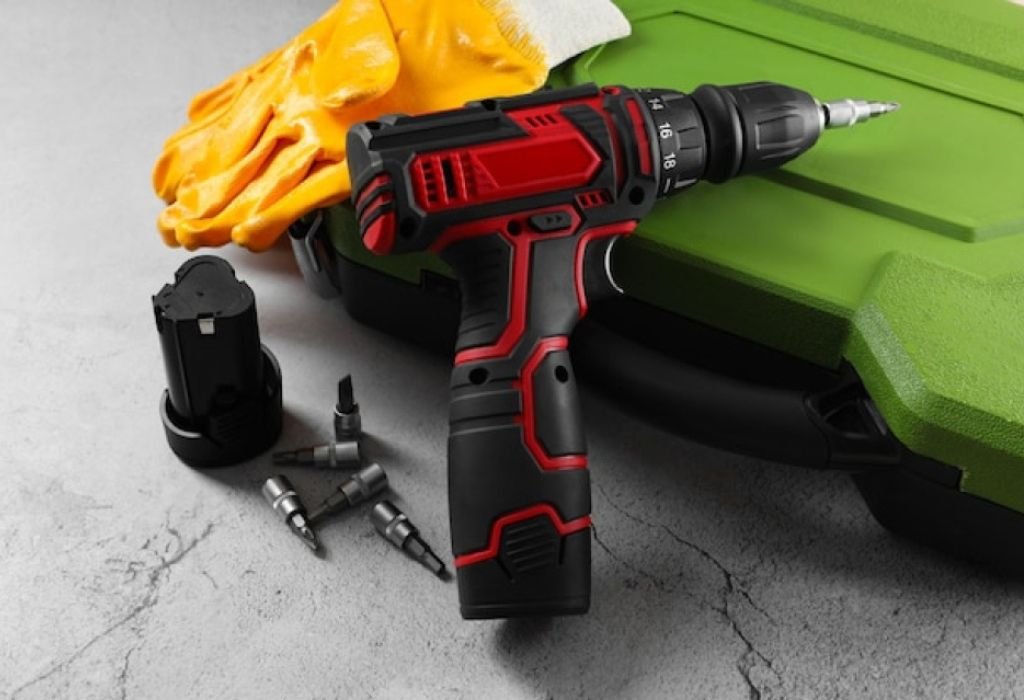
- The global cordless drill market is projected to exceed $14 billion by 2030, driven by home-improvement demand source.
- Average drill torque: 30–60 Nm (mid-range) vs cordless screwdriver: 3–6 Nm.
- Battery capacity trend: most modern drills feature 2.0–5.0 Ah packs, while screwdrivers often stay under 1.5 Ah.
These stats highlight that drills dominate heavy-duty tasks, while screwdrivers remain ideal for precision and comfort.
Conclusion
Choosing between a cordless drill and a cordless screwdriver depends on what you build most often. A cordless drill offers versatility, strength, and the ability to handle almost any home or workshop task. A cordless screwdriver provides comfort, speed, and precision for smaller, repetitive jobs.
If you frequently tackle construction, renovation, or outdoor work, a cordless drill is the clear choice. If your focus is assembly, repairs, or electronics, a cordless screwdriver is the smarter investment.
For many, owning both ensures maximum efficiency—one for raw power, one for refined control. Either way, understanding their strengths guarantees you pick the perfect cordless tool for every job ahead.

I’m John F. Nicholas, the founder, lead writer, and drill enthusiast behind 101drill.com. With years of hands-on experience in power tools and DIY projects, I created this platform to share practical knowledge, expert tips, and real-world insights to help others master the art of drilling.