
A cordless screwdriver losing its charge mid-project is every DIYer’s nightmare. The tool that once spun effortlessly now struggles or stops altogether.
It sparks a common question — can a simple battery fix actually revive it?
According to Statista, over 58 million cordless power tools were sold globally in 2024, and more than 40% of failures stem from battery-related issues .
Yet, online guides claim that a few household tricks — freezing, jump-starting, or reconditioning — can bring dead batteries back to life.
But does that really work? Or is it just internet hype?
This article dives deep into what happens inside cordless screwdriver batteries, what causes them to fail, and which fixes genuinely restore performance.
How Cordless Screwdriver Batteries Work
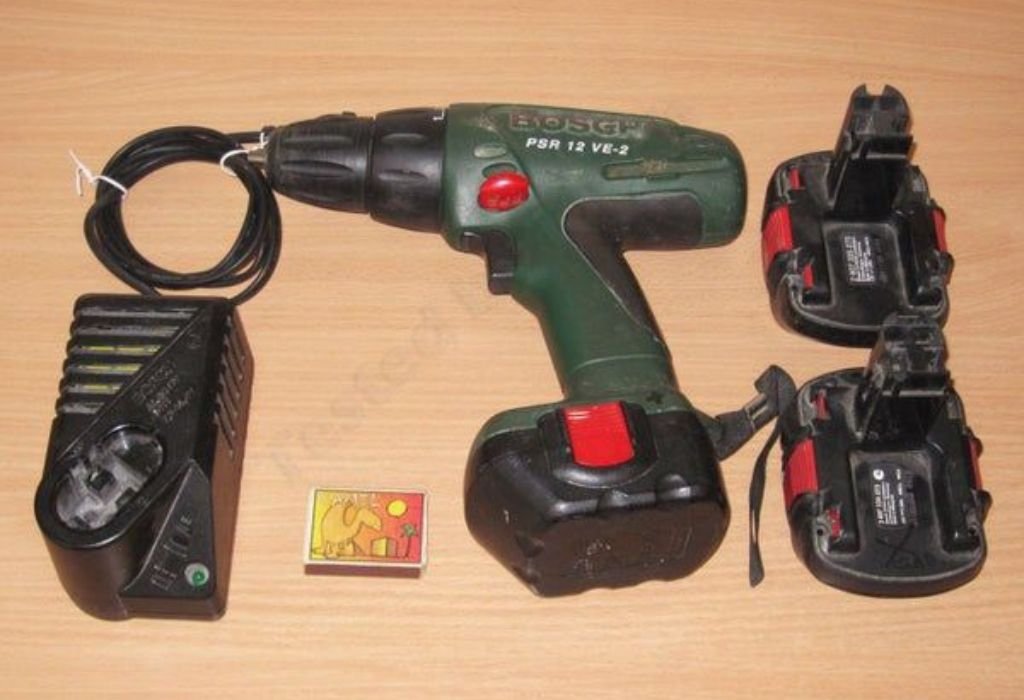
Cordless screwdrivers rely on rechargeable batteries — usually NiCd (Nickel-Cadmium) or Li-ion (Lithium-Ion). Each battery type stores and releases energy through electrochemical reactions that degrade over time.
What is the main difference between NiCd and Li-ion batteries?
NiCd batteries are durable but suffer from “memory effect,” while Li-ion batteries hold more power and charge faster.
Why do cordless screwdriver batteries fail?
Failures occur from overcharging, heat exposure, or prolonged disuse, causing reduced voltage and increased internal resistance.
Can a damaged cell affect the whole battery pack?
Yes. One weak or dead cell can disrupt the entire pack’s voltage balance and prevent charging.
Does battery age matter?
Absolutely — most tool batteries last 2–3 years before significant capacity loss occurs.
Can a poor charger cause failure?
Yes. Inconsistent current or faulty charging circuits often shorten battery lifespan.
Common Signs Your Cordless Screwdriver Battery Is Dying
Knowing the warning signs helps you act before total failure.
Why does my screwdriver lose power quickly?
This usually indicates voltage drop from aging cells that no longer hold full charge.
What if the battery won’t charge at all?
It could be due to deep discharge — when voltage drops below safe levels, the charger refuses to activate.
Why does it overheat while charging?
Overheating signals internal short circuits or damaged cell chemistry.
Can a swollen battery be fixed?
No. Swelling means gas buildup from chemical breakdown — replace it immediately.
What’s the average runtime for a healthy battery?
A well-maintained Li-ion pack should last 1–2 hours of intermittent use per charge.
Popular Cordless Screwdriver Battery Fix Methods
DIY enthusiasts often share quick fixes online, but not all are reliable.
Does freezing the battery work?
Freezing may temporarily reduce resistance in NiCd batteries but offers no long-term improvement.
What about jump-starting with another battery?
Jump-starting can revive slightly undercharged packs by restoring minimal voltage — useful only for NiCd or older Li-ion packs with built-in protection.
Can vinegar or saltwater “reconditioning” work?
No credible evidence supports chemical fixes — they risk corrosion and permanent damage.
What is “battery reconditioning”?
It’s a controlled charging/discharging process that helps restore lost capacity in NiCd packs, using a charger with a reconditioning mode.
Are YouTube hacks reliable?
Some work temporarily but often ignore safety risks like short-circuiting or explosion.
How to Properly Recondition a Cordless Screwdriver Battery
If your pack isn’t swollen or shorted, reconditioning can extend its life.
What tools are needed for reconditioning?
A multimeter, safety gloves, and a charger with a reconditioning or “refresh” mode.
How do I start?
Fully discharge the battery, then charge it slowly to full capacity — repeat 2–3 times to restore voltage balance.
Can I test voltage at home?
Yes — a healthy cell shows around 1.2V for NiCd and 3.6–4.2V for Li-ion on a multimeter.
What if a cell shows zero voltage?
That cell is dead and must be replaced — never force charge it.
How long does the fix last?
Reconditioned batteries often recover 60–80% capacity for a few months of use.
Safety Precautions Before Attempting a Battery Fix
Working with rechargeable batteries involves electrical and chemical risks.
Can a battery explode during repair?
Yes, if shorted or overheated. Always wear protective gear and work in a ventilated area.
Is it safe to open a Li-ion pack?
No — prying open Li-ion packs can puncture cells and cause fires.
How do I dispose of damaged batteries?
Use official e-waste or recycling facilities — never throw them in regular trash.
Should I attempt DIY fixes on expensive packs?
If the pack is costly, professional repair services are safer and often cost-effective.
Can chargers overcharge batteries?
Yes. Always use manufacturer-approved chargers with automatic cutoff.
Professional Repair vs. Replacement
Sometimes, replacing the battery makes more sense than repairing it.
When should you replace instead of repair?
If more than 30% of cells are dead or the casing is swollen.
Are professional repairs expensive?
Repairing typically costs 30–50% of a new battery’s price, depending on the tool brand.
Does replacing cells yourself save money?
It can, but requires precise soldering and knowledge of voltage matching.
How long do new batteries last?
Fresh Li-ion packs usually deliver 300–500 charge cycles with proper maintenance.
Is it worth upgrading to Li-ion from NiCd?
Yes — Li-ion batteries provide better performance, lighter weight, and faster charging.
Tips to Extend Cordless Screwdriver Battery Life
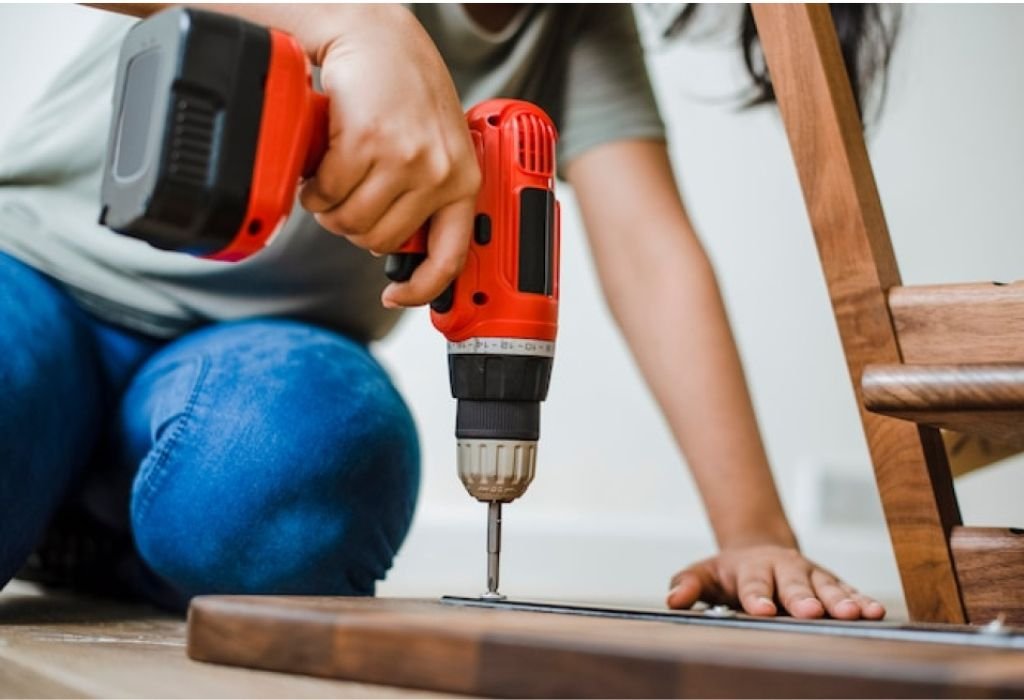
Proper maintenance ensures longer runtime and reliability.
How often should I recharge?
Recharge before the voltage drops completely — partial charging is better for Li-ion packs.
Can I store batteries fully charged?
No — store at 40–60% charge in a cool, dry place.
How do temperature and humidity affect lifespan?
High heat accelerates chemical decay, while moisture risks short circuits.
Is deep discharging harmful?
Yes, it reduces capacity and stresses cells.
Should I clean terminals regularly?
Yes, wipe contacts with alcohol to prevent resistance buildup.
Does the Cordless Screwdriver Battery Fix Really Work?
In short — sometimes, but not always. Minor voltage drops in NiCd batteries can be reversed using controlled reconditioning. However, if the cells are physically damaged or chemically degraded, fixes only provide temporary results.
A 2024 survey by Power Tool Institute found that 72% of revived NiCd batteries failed again within 6 months, proving that these methods are stopgaps rather than permanent solutions (source).
For lasting performance, invest in quality replacement batteries and follow proper care techniques to prevent future failures.
Conclusion
Cordless screwdriver battery fixes do work — to a point. Simple reconditioning or voltage resets can extend life temporarily, but complete recovery is rare once chemical degradation sets in. For best results, maintain your batteries regularly, avoid deep discharges, and use genuine chargers.
A healthy battery isn’t just about convenience — it saves time, money, and keeps your projects running smoothly.
Final Tip: If your cordless screwdriver constantly loses charge despite fixes, it’s time for a new pack — your safety and tool performance depend on it.

I’m John F. Nicholas, the founder, lead writer, and drill enthusiast behind 101drill.com. With years of hands-on experience in power tools and DIY projects, I created this platform to share practical knowledge, expert tips, and real-world insights to help others master the art of drilling.