
You’re in the middle of a DIY project when your Hyper Tough cordless screwdriver suddenly stops working. The battery is dead, and your progress comes to a frustrating halt.
Many users face this issue because they don’t know the proper way to charge their Hyper Tough tools. Charging incorrectly can reduce battery life or even damage the screwdriver permanently.
Did you know that lithium-ion batteries, which are common in Hyper Tough screwdrivers, can lose up to 20% of their capacity if overcharged or stored improperly? A simple mistake in charging can cost you both time and money.
In this guide, we’ll show you exactly how to charge your Hyper Tough cordless screwdriver safely and efficiently. From understanding battery types to reading LED indicators, every step will help you protect your tool and extend its lifespan.
You’ll also learn tips to maximize battery life, avoid common mistakes, and troubleshoot charging problems. By following this guide, you’ll never have to worry about a dead battery in the middle of a project again.
Whether you’re a beginner or a seasoned DIYer, proper charging ensures your Hyper Tough screwdriver works at peak performance every time. These tips will help you maintain your tool in excellent condition for years to come.
Let’s dive in and make sure your Hyper Tough cordless screwdriver is always ready when you need it.
Understanding Your Hyper Tough Cordless Screwdriver
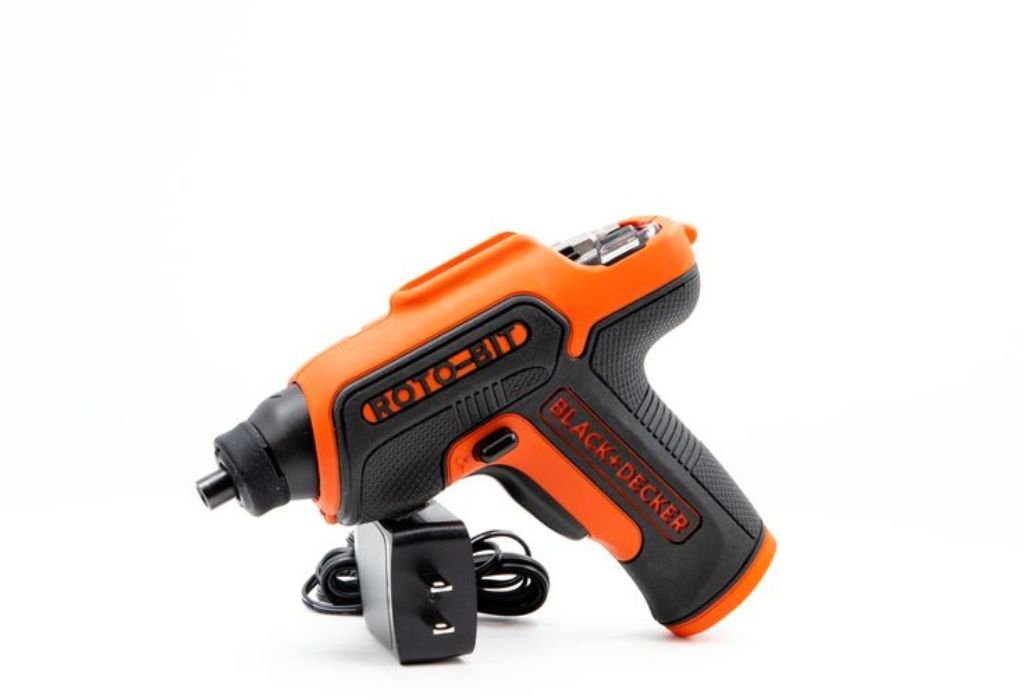
Battery Types: NiCd vs. Li-ion
Hyper Tough cordless screwdrivers use different battery types depending on the model. Older models often have Nickel-Cadmium (NiCd) batteries, while newer tools typically use Lithium-Ion (Li-ion) batteries.
NiCd batteries are durable but can suffer from memory effect if not fully discharged before recharging. Li-ion batteries are lighter, charge faster, and hold energy longer, making them ideal for frequent use. Knowing your battery type helps you choose the correct charging method and maintain its longevity.
Charger Types and Compatibility
Always use the charger provided with your Hyper Tough screwdriver. Third-party or incompatible chargers may work, but they can overheat the battery or reduce its lifespan.
Original chargers are specifically designed for the battery’s voltage and capacity. Double-check the label on your charger to ensure it matches your screwdriver model before plugging it in.
Signs Your Battery Needs Charging
Some common signs indicate that your screwdriver’s battery needs a recharge. These include slower motor speed, dimming LED lights, or complete inactivity.
Ignoring these signs can lead to permanent battery degradation. Paying attention to your tool’s performance helps you charge it before issues arise and ensures it remains reliable for all your projects.
Step-by-Step Guide to Charging
Safety Precautions Before Charging
Always charge your Hyper Tough cordless screwdriver in a dry, well-ventilated area. Avoid exposing the battery or charger to water or high humidity.
Check the charger and cable for any visible damage before use. Never attempt to force a connection, as this can cause sparks or short circuits.
How to Connect the Charger Correctly
Align the battery contacts with the charger pins carefully. Make sure the battery fits snugly or clicks into place.
Plug the charger into a stable power outlet. Unstable voltage can harm both the battery and your tool, reducing its lifespan.
Charging Time and Monitoring
Charging time varies depending on the battery type and capacity. Typically, Li-ion batteries take 1–3 hours, while NiCd batteries may take longer.
Do not leave the battery unattended for extended periods. Even though modern batteries have safety features, monitoring the charge prevents overheating and ensures optimal performance.
LED Indicators and What They Mean
Most Hyper Tough chargers have LED indicators to show charging status. A solid red light usually means the battery is charging.
Green indicates the battery is fully charged, while blinking lights may signal a problem. Understanding these indicators helps prevent overcharging and alerts you to potential issues.
Tips to Extend Battery Life
Avoid Overcharging
Disconnect your Hyper Tough cordless screwdriver once the battery is fully charged. Leaving it connected for too long can degrade battery performance over time.
Even with smart chargers, continuous charging for days is not recommended. This simple habit helps your battery maintain its capacity longer.
Proper Battery Storage
Store your battery in a cool, dry place when it’s not in use. Avoid leaving it in hot garages, direct sunlight, or freezing conditions.
Extreme temperatures can damage the internal cells and reduce overall lifespan. Proper storage ensures the battery remains reliable for years.
Regular Usage and Maintenance
Use your screwdriver regularly to keep the battery healthy. For NiCd batteries, occasional full discharge prevents the memory effect from reducing performance.
Clean the battery contacts with a dry cloth to maintain a good connection with the charger and the screwdriver. Regular maintenance ensures consistent power and longer battery life.
Common Mistakes to Avoid
Using an incompatible or low-quality third-party charger can overheat or permanently damage your battery. Always stick to the original or recommended chargers.
Charging in extreme temperatures—either very hot or very cold—can reduce battery life and performance. Keep the battery in a moderate environment when charging.
Ignoring LED signals or leaving the battery plugged in after it’s fully charged is another common mistake. Overcharging can degrade Li-ion cells over time.
Frequent deep discharges on Li-ion batteries can shorten their lifespan. Unlike NiCd batteries, Li-ion batteries perform best with partial discharge cycles and regular top-ups.
Neglecting to clean battery contacts or failing to monitor performance can also lead to reduced efficiency. Simple maintenance and proper care prevent these issues.
Troubleshooting Charging Issues
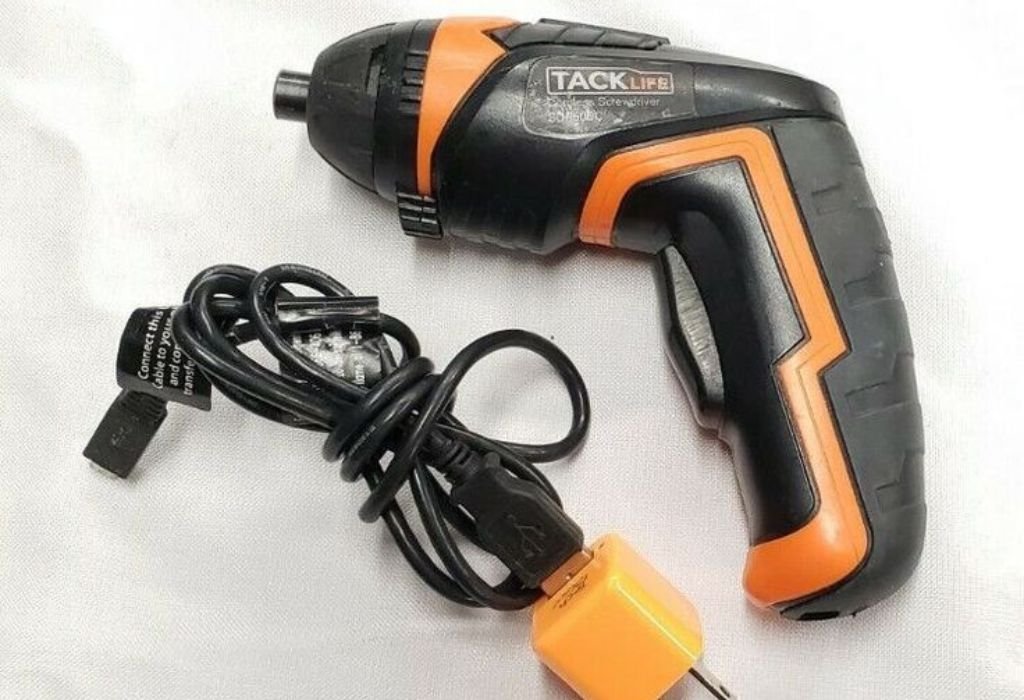
Battery Not Charging
If your Hyper Tough cordless screwdriver isn’t charging, first check the battery and charger connections. Clean any dirt or debris from the contacts and try again.
If the battery still doesn’t charge, it may have reached the end of its lifespan. Replacing the battery with an original Hyper Tough model is usually the safest solution.
Charger Not Working
Test the charger with another compatible battery if possible. If it still fails, the charger may be faulty and should be replaced.
Never attempt to repair the charger yourself, as it can be dangerous and void any warranty. Always use a manufacturer-approved replacement.
Battery Not Holding Charge
A battery that won’t hold a charge may be worn out or damaged. Li-ion batteries can degrade over time due to overcharging or overheating.
Proper recycling of old batteries is important. Follow local regulations for disposal to avoid environmental harm.
Frequently Asked Questions
Can I charge my Hyper Tough screwdriver overnight?
Yes, but it’s best to monitor charging and unplug once the battery is full to prevent overcharging.
Can I use a different brand charger?
It’s not recommended. Only use original or manufacturer-approved chargers to avoid battery damage.
How long does the battery last per charge?
Battery life depends on usage and type. Li-ion batteries typically last 1–2 hours of continuous work.
Does frequent charging reduce battery life?
For Li-ion batteries, frequent partial charging is fine. NiCd batteries benefit from occasional full discharges.
Why is my battery not holding charge?
This could be due to age, overcharging, or improper storage. Replacing the battery is often necessary.
Can I store the battery while partially charged?
Yes, storing a partially charged Li-ion battery is better than leaving it fully drained. Keep it in a cool, dry place.
What should I do if the LED blinks while charging?
Blinking usually indicates a problem. Check the battery contacts and charger connection, and replace faulty components if needed.
Conclusion
Charging your Hyper Tough cordless screwdriver correctly ensures longer battery life and reliable performance. Following proper safety precautions, using the correct charger, and monitoring LED indicators are essential steps.
Proper storage, regular usage, and avoiding common mistakes can make your battery last for years. With simple maintenance, your screwdriver will always be ready for any project.
By following these tips, you’ll save time, avoid frustration, and keep your Hyper Tough cordless screwdriver performing at its best. Make safe charging a habit and enjoy smooth, uninterrupted DIY work every time.

I’m John F. Nicholas, the founder, lead writer, and drill enthusiast behind 101drill.com. With years of hands-on experience in power tools and DIY projects, I created this platform to share practical knowledge, expert tips, and real-world insights to help others master the art of drilling.