
A DIY user picks up a heat gun to remove old paint from a wooden door and turns the temperature dial without much thought. Within seconds, the paint bubbles aggressively and the wood beneath begins to scorch.
That moment usually leads to an important realization about how critical heat gun temperature ranges really are.
Heat guns do not operate at a single fixed temperature. They deliver a wide range of heat outputs, from gentle warm air to extremely high industrial-level heat. Each temperature range is designed for specific materials and tasks.
Understanding heat gun temperature ranges helps users avoid surface damage, fire hazards, and tool misuse.
It also ensures faster, cleaner, and safer results in every project. This guide explains each temperature zone in detail, what it is used for, and how to select the correct heat level confidently.
What Temperature Range Means in a Heat Gun
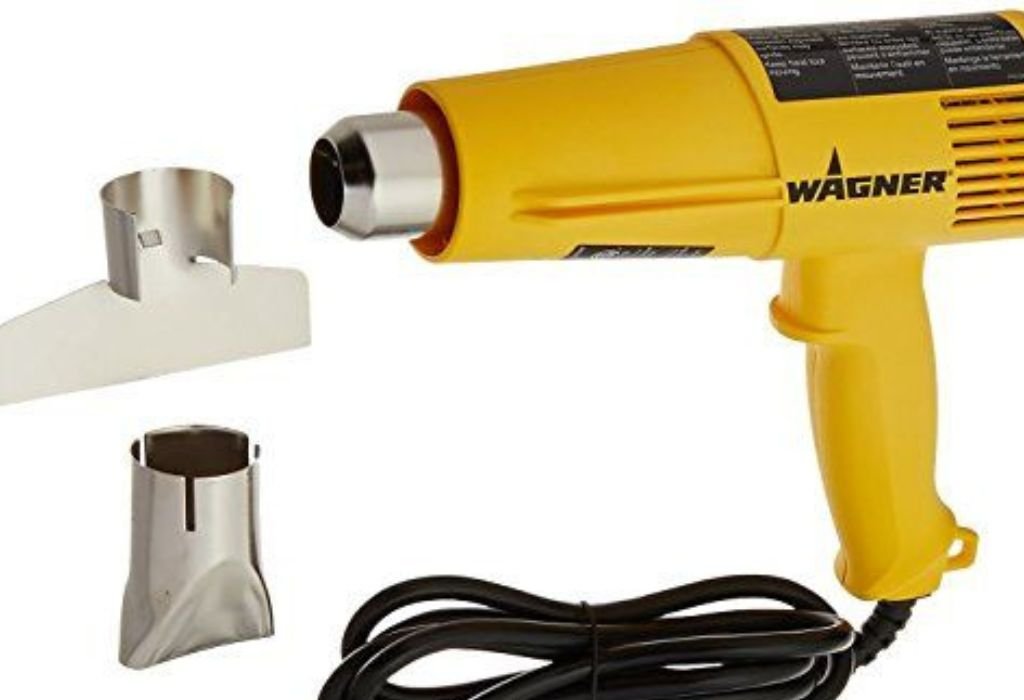
Temperature range in a heat gun refers to the minimum and maximum heat output the tool can deliver. It is measured in degrees Celsius or Fahrenheit. This range defines what tasks the heat gun can safely perform.
Most basic heat guns start around low warm-air temperatures for drying and light heating. Advanced models extend into extremely high temperature zones for industrial work. The broader the range, the more versatile the tool becomes.
Temperature range is controlled by internal power regulation. Electrical flow to the heating element determines how hot the air becomes. More electrical power equals higher temperature output.
Not all heat guns offer adjustable temperature. Some models only provide two fixed ranges, low and high. Others allow continuous digital control across the full spectrum.
Understanding the available range prevents overheating sensitive materials. Plastics, electronics, and adhesives require lower heat. Metals and heavy coatings usually need higher temperatures.
Temperature range defines both capability and safety. Using the wrong range causes material failure, burns, and fire risk. Correct temperature selection is the foundation of safe heat gun operation.
Low Temperature Range and Its Common Uses
The low temperature range of a heat gun typically falls between warm air and mild heat output. This range is designed for delicate materials and light-duty tasks. It delivers controlled warmth without surface burning.
Drying paint, varnish, and adhesives is a common low-heat application. Gentle heat speeds up evaporation without causing bubbles or cracks. This preserves surface finish quality.
Heat shrink tubing for low-voltage wiring also benefits from low temperature. Controlled shrink prevents insulation melting. Uniform contraction improves electrical safety.
Electronics repair often requires low heat settings. Circuit boards, solder joints, and plastic housings are sensitive to temperature spikes. Low heat protects internal components from thermal damage.
Vinyl wrapping and decals soften easily under low heat. The material becomes flexible without fading or warping. This allows smooth shaping over curved surfaces.
Low temperature range is ideal for materials that soften easily. It prioritizes control over speed. This range protects fragile surfaces while still providing effective heating.
Medium Temperature Range and Its Common Uses
The medium temperature range delivers stronger heat for moderately resistant materials. It is commonly used for most household and workshop tasks. This range balances power with safety.
Paint stripping on wood and metal often falls into the medium heat category. The heat softens paint layers without charring the surface. Scraping becomes easier and cleaner.
Plastic shaping for PVC pipes, sheets, and trims relies on medium heat. The plastic becomes flexible without reaching melting point. Controlled shaping improves accuracy.
Adhesive removal also benefits from medium temperature. Strong glues soften under heat and release from surfaces. This avoids mechanical scraping damage.
Label and sticker removal from glass and metal is another medium-heat application. Heat weakens the adhesive bond quickly. Residue wipes away smoothly.
The medium temperature range is the most frequently used zone. It offers enough power for tough tasks without the danger of extreme heat. Most general DIY work falls within this range.
Is low temperature safe for plastic materials?
Yes, low heat is designed specifically to protect plastics from melting.
Can medium heat remove tough paint layers?
Yes, most household paint softens effectively at medium temperature.
Is low heat enough for heat shrink tubing?
Yes, low heat provides clean and even shrink for most tubing.
Does medium heat work for adhesive removal?
Yes, most adhesives release under medium heat.
Can electronics be damaged even at low heat?
Yes, prolonged exposure can still cause damage if not controlled.
High Temperature Range and Its Common Uses
The high temperature range of a heat gun is designed for the toughest applications. This range produces intense heat capable of affecting metals and heavy coatings. It is used when lower heat levels fail to deliver results.
Heavy paint removal from metal surfaces requires high temperature. Thick industrial coatings soften only under extreme heat exposure. Scraping becomes faster and more effective under these conditions.
Welding and bending thick plastics often depend on high heat. Materials such as acrylic and polycarbonate need strong thermal energy to reshape. Controlled movement prevents cracking or scorching.
Thawing frozen metal pipes in extreme cold conditions also uses high temperature. Rapid heat transfer melts internal ice safely. This avoids the risks of open flame methods.
Soldering large connectors and desoldering heavy joints relies on high heat. Strong thermal output softens solder quickly. Precision handling prevents surface oxidation.
High temperature range must always be used with caution. It delivers powerful results but carries higher safety risks. Protective handling and distance control are critical at this level.
Digital vs Manual Heat Gun Temperature Control
Manual heat guns use stepped switches to control temperature output. These switches typically offer low and high settings only. Users adjust heat intensity by changing airflow distance.
Digital heat guns provide precise temperature selection using electronic controls. Users can set exact temperature values on digital displays. This delivers consistent and repeatable heat output.
Manual control depends heavily on user experience. Small mistakes in distance or timing alter surface temperature significantly. Results vary between operators.
Digital regulation uses internal temperature sensors. These sensors monitor real-time air temperature near the heating element. Automatic power adjustment keeps heat stable.
Manual heat guns are simpler and often more affordable. They suit rugged jobs that do not require precision control. Their mechanical reliability is appreciated in harsh environments.
Digital heat guns dominate applications requiring accurate thermal management. Electronics, plastic welding, and vinyl work benefit from precision. Control method directly affects accuracy and safety.
Are digital heat guns more accurate than manual ones?
Yes, digital models maintain precise temperature control automatically.
Can manual heat guns still be used for precision work?
Yes, but they require user skill and experience.
Do digital heat guns cost more?
Yes, electronic regulation increases manufacturing cost.
Are manual heat guns more durable?
Often yes, due to simpler internal electronics.
Does airflow distance replace digital temperature control?
It helps, but it cannot replace true electronic regulation.
How Material Type Affects Required Temperature Range
Different materials respond differently to heat exposure. Soft plastics soften quickly under low temperature. Metals require significantly higher thermal energy.
Wood reacts to heat before structural damage occurs. Low to medium heat removes finishes without igniting fibers. High heat risks charring and surface burns.
Rubber materials soften gradually at moderate temperature. Excessive heat causes permanent deformation. Temperature must be increased carefully.
Glass does not soften under standard heat gun temperatures. High heat only warms surface layers. Rapid shifts can cause thermal shock cracking.
Composite materials consist of multiple heat-sensitive layers. One material may react faster than another. Controlled temperature prevents internal separation.
Knowing material behavior prevents accidental destruction. Every material has a safe working temperature window. Matching heat gun output to material limits ensures success.
Common Mistakes When Choosing Heat Gun Temperature
Many users start with maximum heat by default. This often causes unnecessary surface damage. Correct temperature should always be the lowest effective setting.
Holding the heat gun too close amplifies temperature intensity. Even low settings may overheat materials at short distances. Distance control is part of temperature management.
Using high heat on thin plastics causes melting and warping. The material cannot dissipate heat quickly enough. Structural failure becomes immediate.
Users often overlook surface thickness when choosing temperature. Thick materials tolerate more heat. Thin materials overheat rapidly.
Ignoring manufacturer temperature recommendations leads to damage. Many materials list safe thermal limits. These limits exist to prevent failure.
Most temperature-related damage comes from poor selection, not tool defects. Starting low and increasing gradually prevents costly mistakes. Temperature control requires judgment and patience.
Is starting on high heat a common mistake?
Yes, many beginners damage materials by starting too hot.
Does distance matter as much as temperature selection?
Yes, distance directly changes heat intensity.
Can thin materials tolerate short high heat bursts?
Sometimes, but risk of damage remains high.
Should I follow material temperature guidelines strictly?
Yes, they prevent overheating and structural damage.
Do all plastics react the same to heat?
No, each plastic type has a different softening point.
Safety Risks Linked to Incorrect Temperature Selection
Incorrect temperature selection is a major fire hazard. High heat near flammable materials can ignite surfaces. Workspace preparation is critical.
Burn injuries often occur from overheating metal surfaces. High temperature heats metal faster than expected. Accidental contact causes severe burns.
Toxic fumes may be released when overheated plastics decompose. These fumes pose respiratory risks. Proper ventilation becomes essential at higher temperatures.
Electrical insulation damage occurs under extreme heat exposure. Damaged insulation leads to short circuits. Electrical fires become possible.
Thermal shock cracks glass and ceramics instantly. Rapid temperature rises create internal stress fractures. Once cracked, damage is permanent.
Safety risks rise exponentially at higher temperature ranges. Users must combine protective equipment with careful control. Temperature awareness is the first safety barrier.
How to Test and Verify Heat Gun Temperature Output
Infrared thermometers provide accurate surface temperature readings. Users can aim at the heated air path. This helps estimate true heat output.
Thermal indicator strips change color at specific temperatures. These strips confirm temperature ranges visually. They are simple and effective for calibration.
Scrap material testing is a practical method. Users observe how quickly materials react to heat. This builds practical temperature understanding.
Digital heat guns display internal temperature values. These displays should be verified occasionally. Sensor drift may affect accuracy over time.
Professional workshops perform periodic tool calibration. Controlled testing confirms heat stability. Calibration ensures safe industrial use.
Verifying temperature prevents guesswork and overheating. Actual measurement improves confidence and consistency. Proper testing protects both user and material.
Can I trust the temperature shown on digital heat guns?
Yes, but occasional verification is recommended.
Is an infrared thermometer accurate for heat guns?
Yes, it is very reliable for surface temperature checks.
Are thermal strips reusable?
Some are reusable while others are single-use.
Should heat guns be calibrated regularly?
Only in professional settings with precision requirements.
Can scrap testing replace temperature measurement tools?
It helps, but it cannot replace actual temperature data.
Temperature Range Differences Between Professional and DIY Heat Guns
DIY heat guns usually offer limited temperature ranges. They focus on low to medium temperature output. This suits general household tasks.
Professional heat guns deliver wider and higher temperature ranges. These tools support industrial-level applications. Output consistency is also stronger.
DIY models prioritize affordability and simplicity. They often use stepped control switches. Precision control is limited.
Professional models include digital regulation and airflow tuning. These features target sensitive materials. Precision becomes essential in advanced work.
Build quality differs significantly between the two. Professional tools use higher-grade heating coils and insulation. Durability increases under continuous use.
Temperature range differences define user category suitability. DIY heat guns serve occasional work. Professional models support continuous industrial operation.
Conclusion
Heat gun temperature ranges define how safely and effectively the tool can be used. From gentle low heat to extreme industrial heat, each range serves a specific purpose. Choosing the correct range determines project success.
Low temperature protects fragile surfaces and electronics. Medium temperature handles most household tasks. High temperature enables heavy-duty industrial applications.
Material type dictates how much heat is safe to apply. Plastics, wood, metal, and composites each react differently. Understanding these reactions prevents damage.
Temperature control method also affects safety and accuracy. Digital regulation offers precision while manual control demands experience. Both systems serve different user needs.
Incorrect temperature selection introduces fire hazards, burns, toxic fumes, and structural failures. Most accidents result from excessive heat rather than tool defects. Temperature awareness remains the primary safety skill.
Understanding heat gun temperature ranges allows smarter, safer, and faster work. Every application becomes easier with proper heat selection. Mastery of temperature control transforms the heat gun into a precise and reliable tool.

I’m John F. Nicholas, the founder, lead writer, and drill enthusiast behind 101drill.com. With years of hands-on experience in power tools and DIY projects, I created this platform to share practical knowledge, expert tips, and real-world insights to help others master the art of drilling.