
The drill bit screamed as it struggled through the wood, vibrating violently in the user’s hand. What should have been a smooth and controlled cut turned into a rough and noisy experience.
The drill was powerful enough, the bit was sharp, yet the tool felt strained and uncomfortable. The real issue was not visible from the outside. The hand drill had not been lubricated for a very long time.
Many people think lubrication only matters for engines and heavy machines. Hand drills are often seen as simple tools that do not require much care. In reality, lubrication plays a critical role in how smoothly a hand drill operates, how long it lasts, and how safe it is during use.
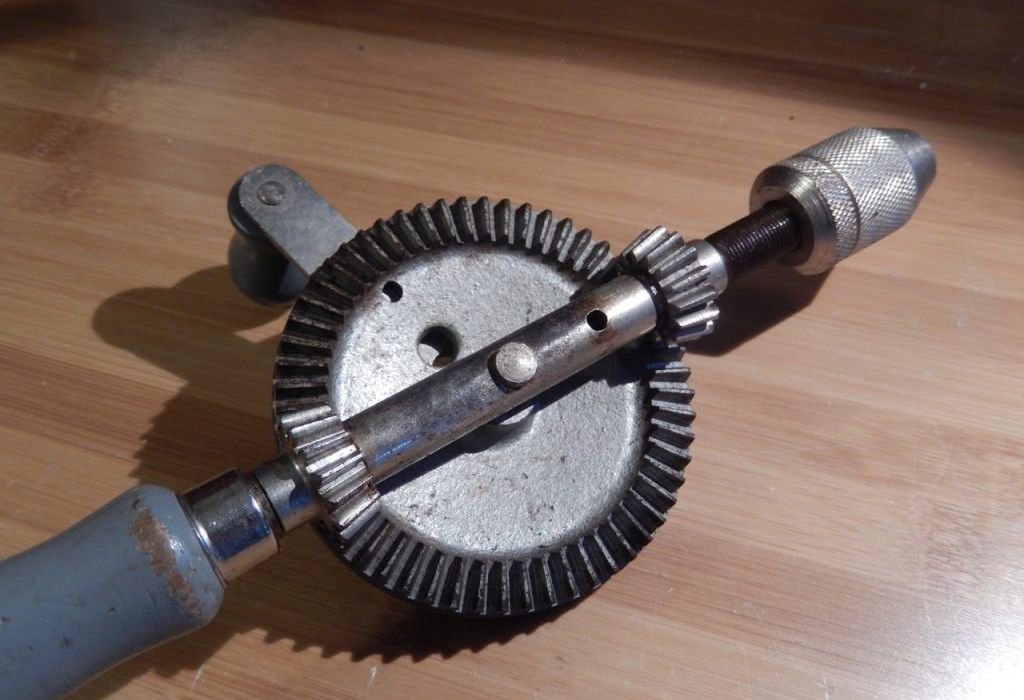
Inside every hand drill are moving parts that experience constant friction. Gears rotate under load, bearings spin at high speed, and the chuck grips and releases the bit repeatedly.
Without proper lubrication, metal rubs against metal, heat builds up, and tiny components begin to wear down rapidly.
This guide explains the real lubrication needs of a hand drill in a clear and practical way. It covers why lubrication matters, which parts need it, how often to apply it, what lubricants to use, and how proper lubrication improves performance, accuracy, and lifespan.
Why Lubrication Is Critical for Hand Drill Performance
Lubrication is the foundation of smooth hand drill operation because it reduces friction between moving metal parts. Every time a drill is used, gears rotate under load and bearings spin at high speed. Without lubrication, these parts grind against each other and generate excessive heat.
Heat is one of the primary enemies of tool components. When internal temperature rises due to dry friction, metal expands unevenly and causes increased resistance.
This forces the motor or manual mechanism to work harder, lowering efficiency and increasing the chance of mechanical failure.
Friction also accelerates wear. Even hardened steel gears gradually lose their precise shape when operated dry. As teeth wear down, they lose their ability to transfer torque smoothly. This results in vibration, uneven drilling pressure, and reduced torque output.
Proper lubrication creates a thin protective layer between surfaces. This layer prevents direct metal-to-metal contact and allows parts to slide smoothly under load. As a result, the drill runs quieter, cooler, and with far less effort.
Lubrication also protects against corrosion. Moisture can enter the drill through air vents or during storage in humid environments. Lubricant coats internal surfaces and blocks oxygen and water from forming rust.
Without proper lubrication, even a high-quality drill will slowly lose performance, accuracy, and reliability.
Which Parts of a Hand Drill Need Lubrication
Not every part of a hand drill requires lubrication, but the most important moving components always do. The internal gear assembly is one of the primary lubrication points. These gears transfer power from the motor or crank mechanism to the spindle that turns the bit.
Bearings are another critical lubrication area. Bearings support rotating shafts and reduce resistance during high-speed operation. Dry bearings quickly develop noise, vibration, and heat buildup.
The chuck also benefits from lubrication. The jaws inside the chuck grip the drill bit tightly. Over time, dust and metal shavings enter the chuck and cause stiffness. A light lubricant keeps the jaws moving smoothly and prevents jamming.
In manual hand drills, the main drive shaft and crank joints also require lubrication. These points experience continuous movement during drilling and are exposed to air and dust.
Ventilation fans inside power drills spin at high speed and use small bearings. These bearings also require occasional lubrication depending on the design.
Electrical parts should never be lubricated directly. Any oil or grease that reaches electrical contacts can cause short circuits or attract dust that interferes with electrical flow.
Understanding which parts need lubrication ensures proper maintenance without risking damage to sensitive components.
Signs Your Hand Drill Needs Lubrication
One of the earliest signs that a hand drill needs lubrication is increased noise. A properly lubricated drill runs smoothly with a consistent sound. When lubrication begins to dry out, grinding, whining, or metallic rattling noises often appear.
Another clear sign is excessive heat buildup. If the drill body becomes unusually hot after short use, internal friction is likely increasing due to lack of lubrication. Heat is a warning signal that parts are being overstressed.
Stiff or jerky rotation is another symptom. In manual hand drills, the crank may feel harder to turn. In power drills, the rotation may feel inconsistent, especially under moderate load.
The chuck may also become difficult to tighten or loosen. Dirt mixed with dried lubricant can cause the jaws to stick or move unevenly.
Reduced torque output and unexpected speed fluctuations can also indicate internal friction problems. The drill struggles more under load than it did previously.
Ignoring these warning signs allows internal damage to progress. Early lubrication restores smooth operation and prevents expensive internal repairs.
Types of Lubricants Suitable for Hand Drills
Choosing the correct type of lubricant is just as important as applying lubrication itself. Not all oils and greases are suitable for hand drills because internal components operate under different loads, speeds, and temperatures.
Light machine oil is one of the most commonly used lubricants for hand drills. It works well for chuck jaws, bearings, and light-duty internal components. This oil spreads easily, reduces friction quickly, and does not attract excessive dirt when used in small amounts.
Lithium-based grease is ideal for internal gear assemblies. Gears operate under heavy load and require a thicker lubricant that stays in place. Grease cushions gear teeth, prevents impact wear, and remains stable under heat.
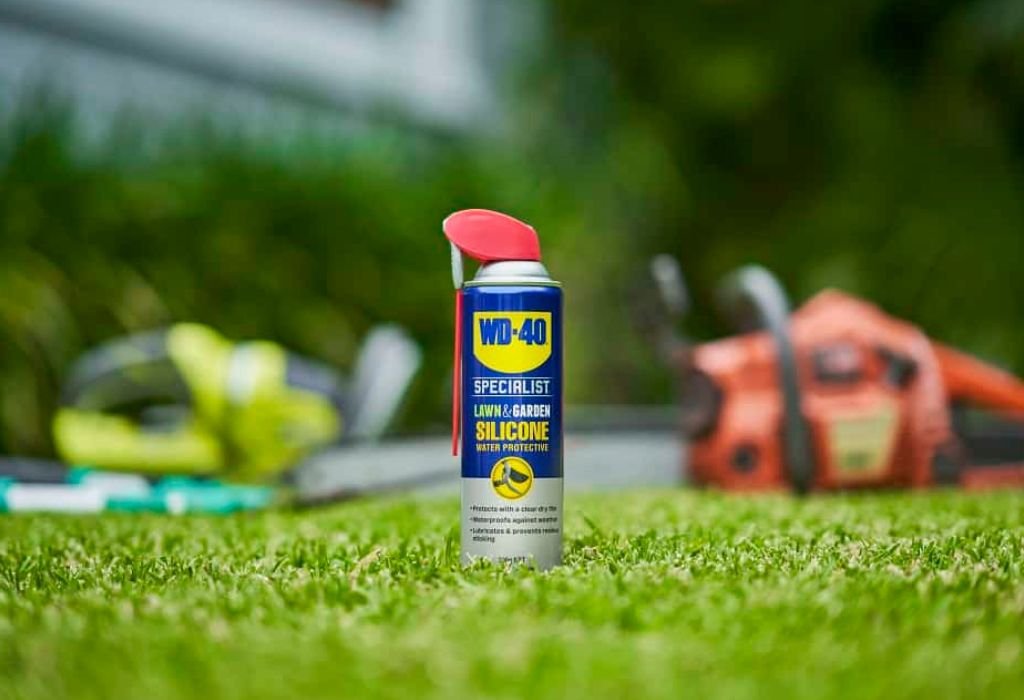
Silicone-based lubricants are useful for plastic components and rubber seals inside some modern drills. These lubricants do not cause swelling or cracking of synthetic materials.
Dry lubricants such as graphite or PTFE sprays are recommended in dusty environments. These lubricants do not remain sticky, so they reduce dust buildup while still lowering friction.
Household oils like cooking oil should never be used. They break down quickly, attract dirt, and can form sticky residue that damages internal components over time.
How Often Should You Lubricate a Hand Drill
Lubrication frequency depends heavily on how often and in what conditions the hand drill is used. A drill used occasionally for home projects requires far less frequent lubrication than one used daily in a workshop.
For light home use, lubricating internal components once every 6 to 12 months is usually sufficient. The chuck should be inspected more often because it is exposed to dust and debris during every job.
For regular workshop use, lubrication every 3 to 6 months is recommended. High-speed operation and repeated torque loads cause lubricant to degrade faster.
For construction or industrial use, lubrication may be needed every few weeks or monthly depending on workload. Heavy drilling creates extreme heat and pressure that breaks down grease faster.
Environmental conditions also affect lubrication frequency. Dusty environments require more frequent cleaning and relubrication. Humid environments increase corrosion risk and demand protective lubrication more often.
Over-lubrication should also be avoided. Too much oil attracts dirt, creates sludge inside the tool, and interferes with electrical insulation in power drills.
Step-by-Step Guide to Lubricating a Hand Drill
The first step in lubricating a hand drill is disconnecting it from power or securing the manual mechanism. Power drills must always be unplugged or have their batteries removed before maintenance.
The outer casing should be cleaned before opening the drill. Wiping away surface dust prevents contaminants from entering the internal housing during disassembly.
Once opened, old grease and debris should be removed using a cloth or soft brush. Hardened grease must be cleaned thoroughly because new lubricant cannot work effectively over contaminated surfaces.
Fresh grease should then be applied to gear teeth in a thin, even layer. Bearings should receive only one or two drops of machine oil. Excess lubricant should always be wiped away.
The chuck should be opened fully and a small amount of oil applied inside the jaws. Rotating the chuck spreads the oil evenly along internal contact surfaces.
After reassembly, the drill should be run briefly at low speed to distribute the lubricant evenly. Any unusual noise after lubrication indicates uneven application and should be checked immediately.
Lubrication Needs for Manual Hand Drills vs Power Hand Drills
Manual hand drills and power hand drills differ significantly in their lubrication requirements. Manual drills rely entirely on mechanical movement generated by human effort. Their gears, cranks, and shafts require consistent lubrication to remain smooth and efficient.
Power hand drills operate at much higher speeds and temperatures. Their internal components experience far greater friction and load. As a result, power drills require stronger, heat-resistant grease for gear assemblies and high-quality oil for bearings.
Manual drills can tolerate lighter lubricants because their operating temperatures remain low. Power drills require lubricants that can withstand sustained heat and rapid rotation without breaking down.
Chuck lubrication is equally important for both types. However, power drill chucks experience much higher gripping force and repeated tightening cycles, so they need more frequent lubrication.
Over-lubrication is especially dangerous in power drills. Excess oil can migrate into motor windings and electrical contacts, causing insulation damage and electrical failure.
Common Lubrication Mistakes That Damage Hand Drills
One of the most damaging mistakes is using the wrong lubricant. Thick grease applied to bearings designed for light oil causes overheating and rotational drag.
Another major mistake is spraying lubricant directly into the motor housing. This contaminates electrical components and can lead to short circuits or voltage loss.
Many users lubricate only the chuck and ignore the internal gear system. This leaves the most heavily loaded components unprotected.
Failure to clean old grease before adding new lubricant also creates thick sludge inside the drill. This sludge restricts movement and traps abrasive particles.
Some users apply excessive lubricant thinking it will improve performance. In reality, excess oil attracts dust and accelerates wear.
Ignoring lubrication warning signs such as noise, heat, and vibration allows internal damage to progress beyond repair.
How Lubrication Affects Drilling Accuracy and Safety
Lubrication directly affects drilling accuracy by controlling vibration and rotational consistency. A well-lubricated drill maintains smooth, stable rotation that allows precise control of drilling depth and angle.
Dry internal components create uneven resistance that transfers vibration to the drill bit. This leads to wandering holes, uneven pressure, and poor finish quality on workpieces.
Lubricated bearings ensure consistent spindle rotation. This improves bit alignment and reduces the risk of bit binding or snapping under load.
From a safety perspective, dry gears and bearings can seize unexpectedly. A seized drill can twist violently in the user’s hand, causing wrist injuries or sudden loss of balance.
Heat buildup caused by friction also increases fire risk in power drills, especially when drilling into metal or dense materials.
Proper lubrication improves both control and safety during drilling operations.
Lubrication for Hand Drill Chuck and Bearings
The chuck is one of the most exposed parts of a hand drill. Dust, metal shavings, and wood particles constantly enter the chuck mechanism. Without lubrication, the jaws become stiff and uneven.
A few drops of light machine oil applied inside the chuck every few weeks keeps the jaws moving freely. Opening and closing the chuck repeatedly after oiling ensures even distribution.
Bearings support rotating shafts and experience continuous motion. These components require precise lubrication to avoid noise and heat buildup.
Sealed bearings in some drills require no maintenance. Open bearings require periodic oiling depending on usage.
Bearing failure is one of the most serious causes of drill breakdown. Proper lubrication extends bearing life dramatically.
Lubrication Needs in Dusty and Wet Work Environments
Dusty work environments are extremely harsh on hand drills. Fine dust particles work their way into internal mechanisms and contaminate lubricants.
In dusty conditions, dry lubricants such as PTFE sprays are often preferred for the chuck and exposed moving parts. These reduce friction without attracting dust.
Grease used inside gear assemblies should be cleaned and replaced more frequently in dusty settings to prevent abrasive wear.
Wet and humid environments increase the risk of corrosion. In such conditions, corrosion-resistant light oils should be used more often on exposed metal surfaces.
Electric drills used in damp environments must be dried thoroughly before lubrication. Trapped moisture under lubricant can accelerate rust formation.
Environmental conditions must always be considered when determining lubrication frequency and type.
Professional Tool Maintenance Tips for Hand Drill Lubrication
Professional technicians emphasize consistency over intensity. Small amounts of lubricant applied regularly provide better protection than heavy lubrication applied rarely.
Labeling maintenance intervals on the drill body or keeping a service log helps ensure timely lubrication.
Using manufacturer-recommended lubricants ensures compatibility with seals, bearings, and internal coatings.
Compressed air should be used carefully for cleaning. Excessive air pressure can force dust deeper into the drill instead of removing it.
Technicians also recommend replacing worn bearings and gears immediately rather than attempting to compensate with extra lubrication.
Preventive maintenance always costs far less than full tool replacement.
How Proper Lubrication Extends Hand Drill Lifespan
Lubrication reduces internal friction, which is the primary cause of mechanical wear. When friction is minimized, gears last longer, bearings remain smooth, and chucks retain gripping precision.
Heat damage is also greatly reduced. Lower operating temperatures preserve material hardness and prevent premature metal fatigue.
Lubrication protects against corrosion by sealing metal surfaces from moisture and oxygen exposure.
Drills that receive regular lubrication often last several times longer than neglected tools. Motors run cooler, and gear teeth retain their original shape far longer.
Proper lubrication also preserves resale value. A well-maintained drill operates smoothly even after years of use.
Tool lifespan is directly linked to the quality and consistency of lubrication care.
Proper Hand Drill Lubrication Questions and Answers
Why is lubrication important for a hand drill?
Lubrication reduces friction, prevents overheating, protects internal parts from wear, and extends the overall lifespan of the drill.
Which part of a hand drill needs lubrication most often?
The chuck and internal gear assembly need the most frequent lubrication because they experience constant movement and pressure.
Can I use regular household oil to lubricate my hand drill?
No, household oils such as cooking oil break down quickly and attract dust, which can damage internal drill components.
How often should I lubricate my hand drill?
For home use, every 6 to 12 months is sufficient, while workshop drills should be lubricated every 3 to 6 months.
Is over-lubrication harmful to a hand drill?
Yes, too much lubricant attracts dust, forms sludge, and can damage electrical components in power drills.
Do manual hand drills need lubrication like power drills?
Yes, manual drills also need regular lubrication for gears, shafts, and crank joints to maintain smooth operation.
Should the drill motor be lubricated directly?
No, the motor windings and electrical parts should never be lubricated because oil can cause short circuits.
What happens if I ignore hand drill lubrication for a long time?
Ignoring lubrication leads to overheating, gear wear, bearing failure, increased vibration, and eventual tool breakdown.
Which lubricant is best for hand drill gears?
Lithium-based grease is best for gear assemblies because it handles heavy loads and stays in place under heat.
Can dusty environments affect hand drill lubrication needs?
Yes, dusty environments require more frequent cleaning and relubrication because dust contaminates lubricant quickly.
Conclusion
Hand drill lubrication needs are not optional maintenance steps. They are essential practices that determine performance, accuracy, safety, and long-term reliability.
From internal gear assemblies and bearings to chucks and crank joints, every moving component depends on proper lubrication to function smoothly under load.
Choosing the right lubricant, applying it at the correct frequency, and avoiding common lubrication mistakes prevents mechanical damage and restores optimal drilling performance.
Lubrication also plays a major role in drilling precision and user safety. Smooth internal operation reduces vibration, prevents sudden tool failure, and ensures consistent control during use.
Whether the drill is manual or powered, used occasionally at home or daily in professional work, proper lubrication dramatically extends its lifespan and maintains its original performance capability.
A well-lubricated hand drill is not just a better tool. It is a safer, quieter, more accurate, and longer-lasting investment.

I’m John F. Nicholas, the founder, lead writer, and drill enthusiast behind 101drill.com. With years of hands-on experience in power tools and DIY projects, I created this platform to share practical knowledge, expert tips, and real-world insights to help others master the art of drilling.