
Drilling plastic may seem easier than drilling metal or concrete, but it comes with its own unique challenges.
Plastic materials react differently to heat, pressure, and cutting speed, which directly affects hole quality. Using the wrong technique or drill setup can easily cause melting, cracking, or rough edges.
Many people assume that any hand drill and bit will work for plastic, but this assumption often leads to damaged workpieces.
Plastic is softer than metal but more sensitive to heat buildup and vibration. Because of this, drilling plastic requires controlled speed, proper bit selection, and gentle pressure.
Understanding the behavior of plastic during drilling is the key to achieving clean, crack-free holes. This guide explains all the critical considerations when using a hand drill on plastic materials. With the right approach, plastic drilling can be precise, smooth, and damage-free.
Understanding How Plastic Reacts to Drilling
Plastic does not chip in the same way as wood or metal. Instead, it tends to soften when heated and stretch slightly under pressure. This behavior makes plastic vulnerable to melting and deformation during drilling.
When a drill bit rotates too fast, friction generates heat rapidly. This heat softens the plastic around the hole and causes melted edges. Once melted, plastic can stick to the drill bit and ruin the hole shape.
Different plastics respond differently to drilling forces. Hard plastics such as acrylic and polycarbonate crack more easily than soft plastics like PVC or nylon. Each plastic type requires slightly different drilling control.
Plastic also lacks the internal grain structure found in wood. This means cracks can travel unpredictably once they start. Even a small stress point can grow into a large fracture.
Vibration plays a major role in plastic cracking. Excessive wobble from unstable drilling increases stress at the hole edge. A stable hand drill setup is essential for reducing this risk.
Because of these factors, plastic drilling must balance speed, heat control, and pressure carefully. Treating plastic like metal usually leads to failure.
Choosing the Right Type of Hand Drill for Plastic
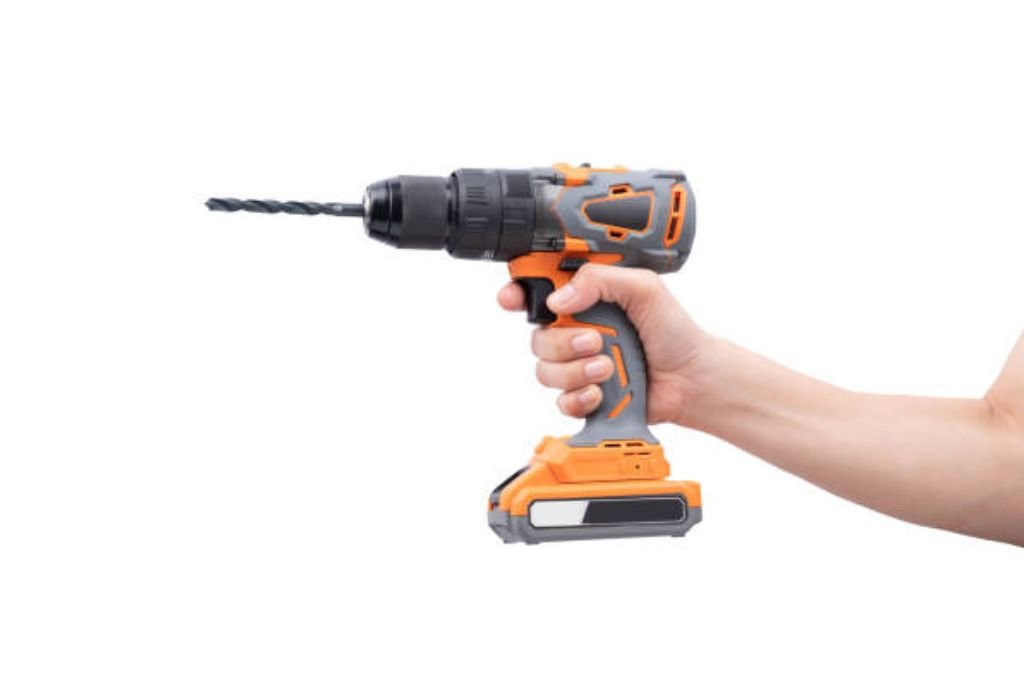
Cordless hand drills are the most common choice for plastic drilling. They offer speed control, portability, and lightweight operation. These features help maintain gentle drilling pressure.
Variable-speed drills are strongly recommended for plastic. Being able to control rotation speed prevents heat buildup. Fixed high-speed drills increase melting risk.
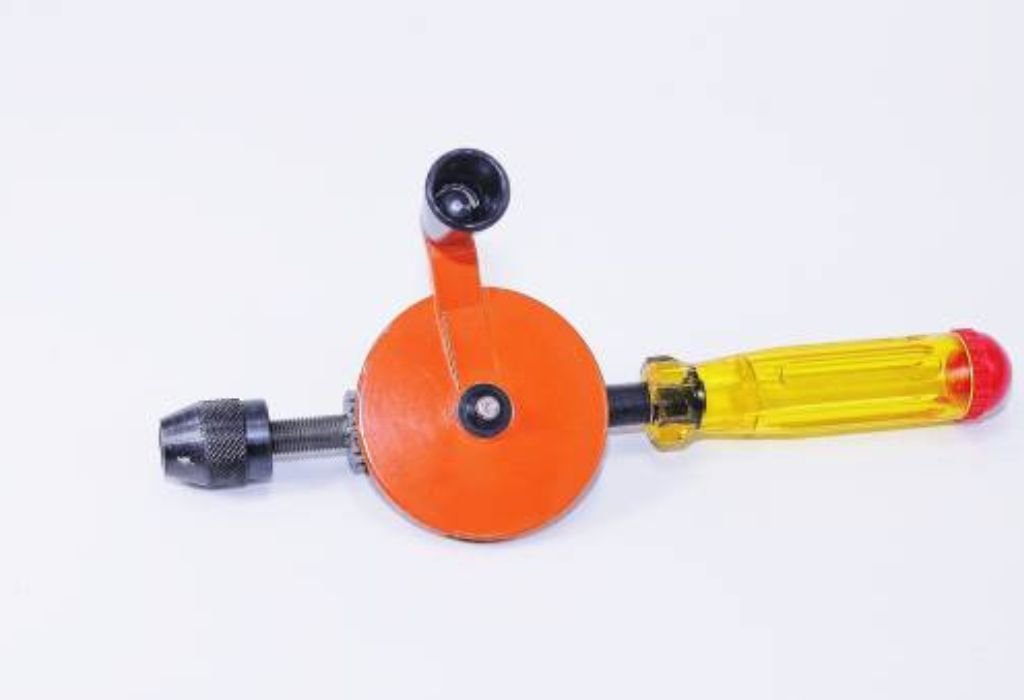
Manual hand drills can also be used for thin plastics. They provide full control over pressure and speed. However, they require more physical effort and are slower.
Hammer drills must never be used on plastic. The hammering action creates cracking and shattering instantly. Only rotary drilling is safe for plastic materials.
High-torque drills are generally unnecessary for plastic. Too much torque increases the chance of grabbing and cracking. Moderate power offers better control.
Drill stability also matters greatly. A drill with excessive chuck wobble increases vibration at the bit tip. This vibration raises crack risk and ruins hole accuracy.
Selecting the Best Drill Bit for Plastic Materials
Standard twist drill bits can be used for plastic with proper speed control. However, they are not always the best option for clean results. Their aggressive cutting angle can cause grabbing.
Brad point drill bits are excellent for plastic drilling. Their center tip prevents wandering and creates smooth entry. This results in cleaner and more accurate holes.
Step drill bits work very well on thin plastic sheets. They enlarge the hole gradually and reduce cracking. They also minimize edge chipping.
For acrylic and brittle plastics, plastic-specific drill bits are ideal. These bits have modified cutting angles that reduce stress. They are designed to scrape rather than aggressively cut.
Dull drill bits are dangerous for plastic. A dull edge increases friction and heat instead of cutting cleanly. Sharp bits always reduce melting and cracking.
Larger drill bits require extra caution. As bit size increases, torque rises sharply. Large bits should always be drilled at very slow speeds in plastic.
Correct Drill Speed Settings for Plastic
Low drill speed is always safer for plastic. High speeds generate excessive heat and cause melting. Slow rotation allows controlled cutting.
For thin plastic sheets, medium-low speed usually works best. This prevents tearing and surface chipping. Slower speeds produce smoother edges.
Thick plastic blocks require even lower speeds. Heat has less escape path and accumulates quickly. Slower drilling helps control internal temperature.
Different plastics require different speeds. Soft plastic tolerates slightly higher speed than brittle acrylic. Hard plastics need extremely slow and steady drilling.
Variable-speed trigger control helps fine-tune rotation. Gradual speed increase at the start prevents sudden grabbing. Sudden full-speed starts cause instant cracking.
If melted plastic starts wrapping around the bit, speed is too high. Immediate speed reduction prevents further damage. Continuous melting ruins hole quality.
Proper Pressure Control While Drilling Plastic
Light pressure is always best when drilling plastic. Forcing the bit increases friction and generates excess heat. Let the drill bit cut at its own pace.
Too much downward force bends thin plastic sheets. This bending creates stress fractures around the hole. Supporting the plastic from underneath prevents this problem.
Gentle pressure also reduces sudden grabbing. When a bit grabs, it pulls into the material aggressively. This snapping force cracks brittle plastics.
Pressure must remain consistent during the entire drilling process. Sudden pressure changes create uneven cutting loads. This leads to jagged edges and internal fractures.
When drilling through thick plastic, pressure should be applied in stages. Pausing occasionally allows heat to escape. Continuous force traps heat inside the hole.
If the drill stalls or struggles, pressure is too high or speed is too low. Adjust gently rather than forcing through resistance. Forcing never improves results in plastic.
Can too much pressure crack plastic while drilling?
Yes, excessive pressure increases stress and can cause immediate cracking.
Should I push harder for faster drilling in plastic?
No, light pressure produces cleaner and safer holes.
Is steady pressure important for hole quality?
Yes, uneven pressure causes jagged edges and fractures.
Does thin plastic need backing support while drilling?
Yes, backing support prevents bending and cracking.
Can pressure affect heat buildup in plastic?
Yes, higher pressure increases friction and heat.
Supporting the Plastic Properly Before Drilling
Unsupported plastic vibrates and flexes during drilling. This movement increases cracking risk dramatically. Proper clamping stabilizes the workpiece.
Using a wooden backing board under the plastic improves hole quality. It supports the exit side and reduces chipping. This is especially important for thin sheets.
Clamps should hold the plastic firmly without crushing it. Over-tightening can deform soft plastics. Gentle yet firm clamping is the correct approach.
Loose plastic shifts when the drill bit bites. This movement leads to off-center holes and stress fractures. Stability is essential for precision.
Large plastic pieces require multiple support points. Supporting only one edge allows vibration across the surface. Even support maintains uniform cutting conditions.
Never hold small plastic pieces by hand while drilling. Sudden grabbing can spin the piece violently. This creates serious injury risk.
Cooling Methods to Prevent Plastic Melting
Cooling reduces heat buildup during drilling. One simple method is to pause drilling periodically. These pauses allow heat to dissipate naturally.
Compressed air can be used to blow away heat and plastic chips. This improves cutting efficiency and lowers melting risk. Continuous airflow works especially well for thick plastic.
Some technicians use water for cooling during drilling. A small amount of water applied to the drilling area reduces friction. Care must be taken with electric drills.
Drilling in short bursts instead of continuous motion is effective. This keeps temperature under control without extra tools. Controlled bursts protect both bit and material.
Plastic chips stuck to the bit indicate overheating. Removing these chips quickly restores cutting efficiency. Chip buildup always signals excessive heat.
Active cooling greatly improves hole quality in heat-sensitive plastics. It prevents edge softening and internal deformation. Cooling is especially important for acrylic materials.
Drilling Acrylic with a Hand Drill
Acrylic is one of the most brittle plastic materials used in home and industrial projects. It cracks easily under sudden force and reacts strongly to heat buildup. This makes it one of the most challenging plastics to drill cleanly.
Low speed is absolutely mandatory when drilling acrylic. High speed melts the surface quickly and causes the drill bit to grab suddenly. This sudden grabbing often leads to instant cracks.
Acrylic must always be supported with a flat backing board. Unsupported acrylic flexes under pressure and fractures at the drill point. Backing support also prevents splintering on the exit side.
Brad point or plastic-specific drill bits are ideal for acrylic. These bits cut more gradually and reduce stress concentration. Standard twist bits require extreme speed control to avoid damage.
Cooling is critical when drilling acrylic. Short drilling bursts with frequent pauses prevent local heat buildup. Compressed air works very well for keeping the surface cool.
Drilled acrylic edges often show minor chipping. Light sanding or flame polishing can restore smooth edge clarity. This finishing step greatly improves the appearance of the final hole.
Drilling PVC Using a Hand Drill Safely
PVC is softer than acrylic and far more tolerant of drilling stress. It resists cracking better and does not fracture easily. However, it melts quickly under excessive heat.
Medium-low drill speed works best for PVC. Too slow can cause grabbing while too fast causes melting. Balanced speed ensures smooth chip formation.
Standard twist drill bits work well for PVC. The cutting action produces curly plastic shavings rather than powder. These shavings indicate proper cutting speed.
PVC should always be clamped before drilling. Unclamped PVC can twist and spin when the bit catches. This leads to inaccurate holes and injury risk.
Backing support is helpful but not always mandatory for PVC. Thick PVC can be drilled without backside support. Thin sheets always benefit from a backing board.
After drilling, PVC edges may have soft ridges from heat. A utility knife or deburring tool removes these easily. Clean edges prevent assembly issues later.
Is PVC easier to drill than acrylic?
Yes, PVC is much softer and less likely to crack.
Does PVC melt easily during drilling?
Yes, excessive speed can quickly melt PVC.
Can I use normal metal drill bits for PVC?
Yes, sharp standard bits work well.
Is clamping necessary when drilling PVC?
Yes, clamping prevents spinning and improves safety.
Do PVC holes need finishing after drilling?
Yes, light deburring improves edge quality.
Drilling Polycarbonate with a Hand Drill
Polycarbonate is one of the toughest transparent plastics available. It resists cracking far better than acrylic under drilling stress. However, it is very sensitive to heat.
Slow and steady drill speed works best for polycarbonate. Too much heat causes surface melting and bit binding. Once the bit binds, it can tear the material suddenly.
Plastic-specific or step drill bits are excellent for polycarbonate. They reduce cutting force and allow controlled hole expansion. This greatly stabilizes drilling performance.
Firm backing support is mandatory for polycarbonate drilling. Although it resists cracking well, it still flexes under pressure. Flexing creates uneven cutting stress.
Cooling is extremely important for deep holes in polycarbonate. Frequent pauses or compressed air cooling prevent surface softening. Continuous drilling quickly overheats the material.
Polycarbonate holes usually come out clean if heat is controlled properly. Minimal edge finishing is required in most cases. Proper speed choice determines final hole quality.
Drilling Nylon and Other Soft Engineering Plastics
Nylon reacts very differently to drilling compared to brittle plastics. It is flexible and highly resistant to cracking. However, it melts extremely fast under friction.
Very low speed should be used for nylon drilling. Heat buildup causes the material to smear instead of cut. This leads to clogged drill bits.
Chip removal becomes a major concern when drilling nylon. Soft nylon wraps around the bit easily when overheated. Frequent chip cleaning prevents this problem.
Nylon must be clamped firmly before drilling. Its flexibility allows it to twist violently when grabbed. Proper clamping ensures safe drilling control.
Backing boards are helpful but not always essential for thick nylon. However, thin nylon sheets still benefit from bottom support. This prevents stretching around the hole.
Nylon holes often require reaming or light sanding after drilling. This removes melted smears inside the hole. Clean internal surfaces improve fastener fit.
Does nylon crack during drilling?
No, nylon usually stretches or melts rather than cracking.
Why does nylon clog drill bits?
Because it melts easily and wraps around the bit.
Is very slow speed required for nylon?
Yes, slow speed is essential to avoid melting.
Can step bits work on nylon?
Yes, they work very well for controlled cutting.
Should nylon always be clamped?
Yes, flexibility increases spinning risk if unclamped.
Hole Finishing and Deburring Techniques for Plastic
Drilled plastic holes often have sharp edges or melted ridges. These imperfections weaken the surrounding area. Proper finishing strengthens the hole and improves appearance.
Hand deburring tools work very well for plastic. They remove sharp edges without removing excess material. Light pressure is enough for clean edges.
Fine-grit sandpaper also smooths plastic edges safely. Rotating the sandpaper lightly around the hole creates uniform finishing. Coarse sanding should be avoided.
A countersink bit can be used for gentle edge chamfering. Only minimal rotation should be applied. Aggressive countersinking removes too much material.
Heat removal burrs indicate excessive drilling speed. These burrs should be trimmed carefully with a blade. Pulling them off forcefully can cause small cracks.
Finished holes improve fastener seating and load distribution. Clean edges reduce stress concentration at the hole rim. This increases long-term strength of the plastic part.
Common Mistakes While Drilling Plastic
Using excessive drill speed is the most common mistake. This creates heat, melting, and edge deformity. Proper speed control solves most drilling problems in plastic.
Applying too much pressure is another frequent error. High force increases friction sharply and raises internal temperature. Light pressure always produces better results.
Using dull drill bits greatly increases cracking risk. Dull edges rub instead of cut cleanly. This causes both heat and surface stress.
Skipping backing support causes exit side chipping. Thin plastics break as the bit exits the material. Backing boards completely eliminate this issue.
Drilling without clamping leads to spinning hazards. Plastic can twist rapidly when the drill bit catches. This causes both injury and damaged work.
Ignoring heat buildup ruins hole quality. Melted plastic smears destroy dimensional accuracy. Cooling pauses prevent this damage easily.
Is high speed the biggest cause of plastic melting?
Yes, excess speed generates extreme friction heat.
Can dull bits cause cracking in plastic?
Yes, dull bits greatly increase stress and heat.
Does skipping backing support affect hole quality?
Yes, it causes exit chipping and tearing.
Is clamping always necessary for safety?
Yes, it prevents spinning and grabbing injuries.
Can overheating permanently weaken plastic?
Yes, overheated plastic loses structural strength.
Safety Precautions While Drilling Plastic
Eye protection is mandatory during plastic drilling. Flying chips are lightweight but sharp. Even small particles can injure eyes severely.
Gloves should be worn when handling drilled plastic edges. Sharp burrs remain after drilling. Gloves protect hands from hidden cuts.
Loose clothing must be avoided near rotating drill bits. Plastic can grab fabric during drilling. This creates dangerous entanglement risks.
Hearing protection is usually not required for plastic drilling. However, prolonged high-speed drilling may still produce noise fatigue. Light protection is optional.
Drill batteries or cords must be checked before operation. Sudden power loss causes unstable drilling pressure. Consistent power ensures controlled cutting.
Never drill plastic in unstable positions. Slipping workpieces cause sudden tool movement. Stable bench positioning prevents accidents.
Hand Drill Maintenance for Plastic Drilling
Plastic residue often sticks to drill bits after repeated drilling. This buildup reduces cutting efficiency. Regular cleaning keeps bits sharp and safe.
Solvents like rubbing alcohol remove plastic buildup effectively. Bits should be wiped after cooling. Hot bits should never be cleaned immediately.
Chuck jaws must be cleaned regularly when drilling plastic. Plastic dust collects inside the chuck. This reduces gripping accuracy over time.
Battery drills benefit from proper cooling between drilling sessions. Continuous plastic drilling generates internal motor heat. Cooling improves motor life.
Drill speed control mechanisms should remain smooth. Sticking triggers cause sudden speed jumps. Sudden speed increases damage plastic instantly.
Tool maintenance directly affects drilling accuracy and safety. Clean tools always perform better with heat-sensitive materials. Maintenance prevents unexpected failures.
Conclusion
Hand drilling plastic requires a significantly different approach than drilling metal or wood. The main challenges come from plastic sensitivity to heat, pressure, and vibration. Speed control, bit selection, and proper support determine overall success.
Different plastics behave in unique ways under drilling stress. Acrylic cracks easily, PVC melts softly, polycarbonate withstands force but traps heat, and nylon stretches and smears. Each material demands its own speed and pressure balance.
Cooling, chip removal, and backing support are not optional steps. They directly control the quality and safety of the drilling process. Skipping these basic practices almost always leads to melting or fracture.
Clean hole finishing strengthens drilled areas and improves fastener performance. Deburring prevents stress concentration and cosmetic damage. Proper finishing completes the drilling process correctly.
Safety practices must always be maintained even with soft plastics. Rotating tools and sharp burrs still present serious risks. Protective gear should always be used.
With the correct technique, hand drilling plastic becomes precise, safe, and repeatable. Following these considerations prevents material loss and ensures professional-quality results every time.

I’m John F. Nicholas, the founder, lead writer, and drill enthusiast behind 101drill.com. With years of hands-on experience in power tools and DIY projects, I created this platform to share practical knowledge, expert tips, and real-world insights to help others master the art of drilling.