
Ayaan was helping his father repair an old wooden drawer when he realized that turning the hand drill too fast caused the drill bit to skate across the surface.
Slowing down allowed the bit to start cleanly and cut smoothly without damaging the wood. That simple moment made him understand that speed control matters just as much as drilling technique.
Many beginners assume that rotating a hand drill as fast as possible produces quicker results. In reality manual speed affects heat buildup chip removal accuracy and bit lifespan. Understanding how to control speed helps prevent slipping jamming and material damage.
Learning hand drill speed control basics allows users to match rotation to material hardness and drilling depth.
With proper technique even a manual drill can create clean precise holes without unnecessary force. Knowing the right speed leads to safer more efficient and more confident drilling.
Why Speed Control Matters in Hand Drilling
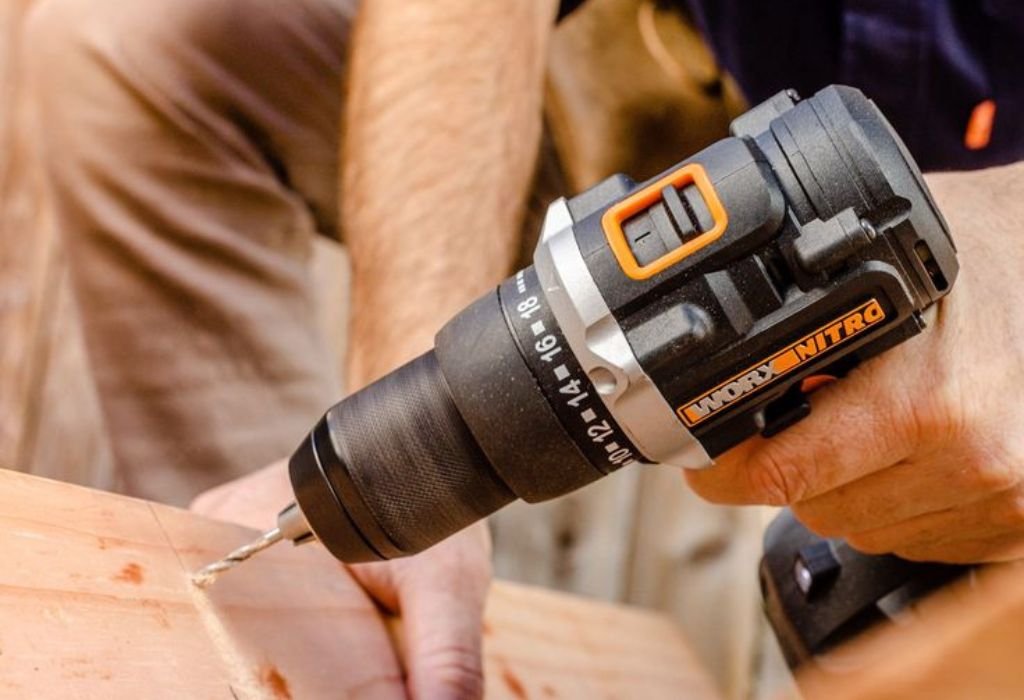
Speed affects how the drill bit engages the material surface. Turning too quickly may cause the bit to wander and scratch rather than penetrate. Lower speed allows controlled entry and reduces slipping.
Excessive speed generates heat from friction. Heat dulls the cutting edges and weakens the bit over time. Slower steady rotation prevents overheating and improves durability.
Hand drills lack automatic regulation found in electric tools. The user decides speed based on turning rhythm. This allows precise control but requires awareness.
Speed influences chip removal during drilling. If rotation is too fast chips may clog the flutes and restrict cutting. Controlled rotation ensures cleaner hole formation.
Different materials react differently to speed. Softwood tolerates faster rotation while metal requires slower cutting. Matching speed prevents tool strain and material damage.
Understanding why speed control matters helps beginners avoid mistakes. Proper speed produces smoother results with less force. This improves both safety and drilling performance.
How Manual Speed Is Generated in a Hand Drill
Manual speed begins with the user rotating the crank or handle. Each turn transfers motion through internal gears to increase output rotation. The bit spins faster than the user’s hand movement.
Gear ratios determine how much speed multiplies. Larger drive gears paired with smaller pinion gears create faster rotation. This allows drilling with minimal physical effort.
Speed depends on how quickly the crank is turned. Fast cranking increases output rotation but reduces torque. Slow steady movement provides more control.
The user can change speed instantly without mechanical adjustments. This flexibility helps during delicate drilling starts and finishes. Manual control prevents sudden acceleration.
Because the drill is human powered fatigue affects speed consistency. Taking breaks ensures steady rhythm and prevents uneven holes. Smooth movement always produces better results.
Understanding how manual speed is generated improves control. Users learn to balance effort with drilling demands. This creates predictable and reliable performance.
Relationship Between Speed and Torque in Hand Drills
Speed and torque have an inverse relationship in manual drilling. Higher speed reduces torque which lowers cutting force. Slower speed increases torque and helps penetrate harder material.
Starting a hole requires more torque than maintaining depth. Beginning too fast may cause the bit to skid or bounce. Slow controlled turns ensure secure entry.
As drilling continues torque demand decreases. Speed can increase slightly without losing control. Adjusting movement maintains smooth progress.
Hard materials require more torque and lower speed. Turning slowly prevents overheating and bit damage. Soft materials allow faster movement with minimal resistance.
Applying excessive speed without enough torque strains the gears. Manual drills are designed for balanced operation. Proper rhythm protects internal components.
Understanding the speed torque relationship improves drilling efficiency. Correct adjustments prevent stalling and slipping. This principle forms the foundation of manual speed control.
How Material Type Affects Ideal Drilling Speed
Softwood allows moderate to faster speed because fibers cut easily. The bit advances quickly with minimal pressure. Too much speed may still cause splintering near the exit.
Hardwood requires slower speed to prevent burning. Dense fibers resist cutting and generate heat quickly. Slow rotation reduces friction and improves chip clearance.
Plastic needs medium speed to avoid melting. Excessive rotation creates heat that softens material. Slow steady drilling produces clean edges.
Metal demands the slowest speed of all. The bit must cut gradually to prevent dulling. Lubrication improves performance and reduces friction.
Ceramic or brittle surfaces require very slow controlled entry. High speed causes cracking or shattering. Taping the surface prevents bit wandering.
Understanding material behavior prevents damage. Choosing the right speed improves hole quality and safety. Matching technique to material ensures reliable results.
How Bit Size Influences Required Drilling Speed
Small diameter bits require faster rotation to cut efficiently. Their cutting surface removes less material per turn. Increased speed maintains smooth progress.
Large diameter bits demand slower speed and more torque. Their wider edges create higher resistance. Fast rotation risks stalling or binding.
Pilot holes help reduce speed sensitivity. Starting with a smaller bit guides larger bits later. This reduces strain and improves accuracy.
Spade or auger bits require slow controlled turning. Their aggressive cutting edges remove deep material quickly. Excessive speed causes jamming.
Twist bits offer balanced performance across sizes. Adjusting speed ensures consistent chip removal. Proper technique prevents overheating.
Understanding how bit size affects speed ensures better control. Matching rotation to diameter prevents tool damage. This produces cleaner and safer drilling.
How Speed Affects Heat Buildup and Bit Lifespan
Friction increases with rotation and contact pressure. High speed generates more heat inside the cutting area. Excess heat dulls the bit and causes surface burning.
Overheated bits lose sharpness and cutting efficiency. Dull bits require more force to penetrate. This increases strain on both tool and material.
Heat also affects material behavior. Plastic may melt while wood may scorch. Slow speed prevents thermal damage.
Cooling breaks reduce temperature and extend lifespan. Allowing the bit to rest preserves edge sharpness. This improves long term performance.
Using proper feed rate helps control heat. Advancing too quickly creates friction spikes. Balanced motion keeps temperature manageable.
Understanding heat effects encourages slower drilling when needed. Proper speed control protects both bit and workpiece. This reduces replacement cost and improves results.
How to Control Speed Manually for Better Accuracy
Start drilling at slow speed to prevent bit wandering. Initial rotation establishes a centered bite. Increasing speed gradually ensures straight entry.
Use consistent rhythm while turning the crank. Sudden acceleration causes uneven cutting. Smooth rotation maintains balance.
Apply light forward pressure during drilling. Too much force increases friction and heat. Gentle feeding improves accuracy.
Pause occasionally to clear chips. Debris removal keeps the bit cutting cleanly. This prevents jamming and crooked holes.
Adjust speed based on sound and feel. A smooth cutting noise indicates correct pace. Excessive resistance signals the need to slow down.
Manual speed control improves precision. Practicing technique builds confidence and skill. This leads to cleaner and more accurate drilling.
Starting vs Finishing Speed Differences in Hand Drilling
Starting requires the slowest rotation. The bit needs time to bite into the material. Fast movement risks slipping and scratching.
Once the hole is established speed may increase slightly. The bit remains guided by the hole walls. Controlled rotation deepens the hole smoothly.
As the drill approaches exit speed should decrease again. Fast exit tearing causes splintering. Slow finishing protects the backside surface.
In metal drilling finishing too fast creates burrs. Reducing speed smooths edges and prevents grabbing. Lubrication improves finishing quality.
Finishing in brittle material demands extreme caution. Rapid thinning increases cracking risk. Slow speed ensures clean break-through.
Understanding start and finish speed differences prevents damage. Correct pacing improves overall hole quality. This technique enhances professional results.
How Feed Pressure Works With Speed for Clean Drilling
Feed pressure pushes the bit into the material. Speed and pressure must balance for controlled cutting. Too much pressure at high speed causes burning.
Light pressure with slow speed produces clean results. The bit advances gradually without tearing. This protects delicate surfaces.
Heavy pressure increases torque demands. Manual drills can stall if overloaded. Reducing speed maintains control.
Feed pressure depends on material hardness. Hard surfaces need firmer push with slow rotation. Soft materials require minimal effort.
Excess pressure causes bit bending or breakage. Hand drills rely on gentle steady force. Balanced feed ensures safe drilling.
Understanding feed and speed relationships improves drilling quality. Proper control reduces tool wear. This leads to consistent and smooth performance.
Common Speed Control Mistakes and How to Avoid Them
Turning too fast at the start causes slipping. Always begin slowly to establish a secure entry. Gradual speed increase prevents wandering.
Using the same speed for every material reduces accuracy. Each surface requires unique control. Adjusting speed improves results.
Applying excessive pressure while rotating increases heat. This dulls the bit and damages the surface. Light pressure protects the material.
Ignoring chip buildup leads to jamming. Clearing debris maintains smooth cutting. Frequent pauses help prevent clogging.
Forcing the drill when fatigued decreases control. Resting restores steady rhythm. Controlled movement prevents mistakes.
Avoiding these errors makes drilling safer and easier. Correcting technique improves confidence and performance. Proper speed control prevents long term tool damage.
Practical Tips for Better Hand Drill Speed Control
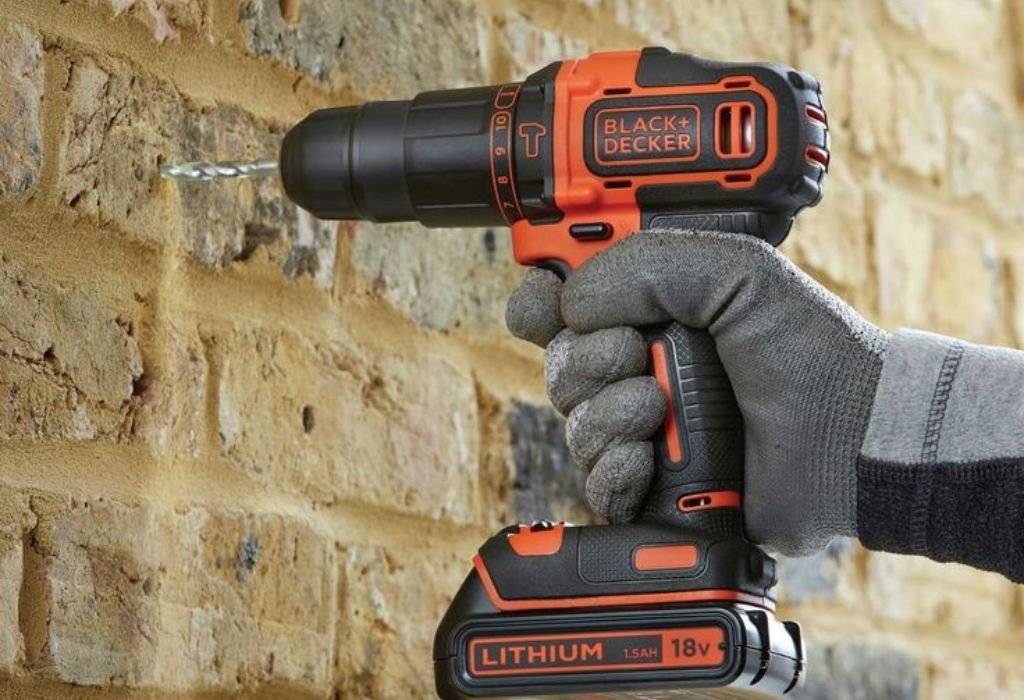
Mark the drilling point to help guide initial speed. Starting accurately reduces slipping. Center punching metal improves bite.
Hold the drill with steady two-hand support. Stability improves speed regulation. Wobbling increases risk of uneven holes.
Practice turning rhythm before touching the surface. This helps develop consistent rotation. Smooth motion leads to cleaner drilling.
Use sharp bits to reduce required speed. Dull bits need more force and rotation. Sharpening improves cutting efficiency.
Listen to the sound of cutting. Smooth scraping indicates correct speed. Harsh squealing means slowing down is necessary.
Applying these tips improves overall drilling performance. Proper technique enhances control and precision. Consistent practice builds long term skill.
Common Questions About Hand Drill Speed Control
Why does speed matter when using a hand drill?
Speed affects cutting control heat buildup accuracy and bit lifespan during manual drilling.
Should I drill fast or slow with a hand drill?
Start slow for clean entry then adjust moderately based on material resistance and bit size.
Why does the bit slip when I turn too fast?
High speed reduces initial grip and causes the bit to skate across the surface instead of cutting.
Can I drill metal with a hand drill using normal speed?
No metal requires very slow speed light pressure and lubrication to prevent overheating.
How do I know if I am drilling too fast?
Burning smell slipping or squealing sounds indicate excessive rotation and the need to slow down.
Does bit size change the required speed?
Yes small bits need faster rotation while larger bits require slower speed and more torque.
Why does the drill get harder to turn during drilling?
Increased friction or chip buildup restricts movement and requires slowing down to continue.
Is it better to push harder instead of increasing speed?
No excessive pressure increases heat and strain so gentle steady feeding works best.
Can hand drills overheat like electric drills?
Yes friction still generates heat and slow controlled rotation prevents overheating.
How can I improve speed control with practice?
Use consistent turning rhythm start slowly and adjust based on sound resistance and material response.
Conclusion
Hand drill speed control is essential for safe accurate and efficient manual drilling. Unlike power tools manual drills rely completely on the user to regulate rotation based on material hardness bit size and cutting resistance.
Starting slowly increasing speed gradually and reducing rotation near the exit prevents slipping splintering and overheating.
Understanding the relationship between speed torque and feed pressure allows cleaner hole formation and longer bit lifespan.
Matching rotation to different materials such as wood plastic and metal prevents damage and improves control. Practicing smooth consistent turning helps build confidence and precision over time.
With proper speed control a hand drill becomes a highly effective tool capable of producing clean and accurate results without excess force. Learning these basics enhances safety protects the tool and improves drilling performance across all types of projects.

I’m John F. Nicholas, the founder, lead writer, and drill enthusiast behind 101drill.com. With years of hands-on experience in power tools and DIY projects, I created this platform to share practical knowledge, expert tips, and real-world insights to help others master the art of drilling.