
Many people assume metal drilling always requires a power drill until they watch a craftsman work slowly with a hand driven tool. The controlled rotation creates a tiny curl of metal with each turn showing that precision can replace speed when handled correctly.
While it takes more patience the manual hand drill is still capable of drilling into certain kinds of metal safely and effectively.
Beginners often wonder whether the tool will get stuck or whether the bit will snap under pressure. The truth is that success depends less on the drill itself and more on choosing the right bit and using proper technique.
When done correctly a hand drill can create clean holes in thin sheet metal and softer alloys without damaging the material.
Understanding how and when a hand drill can drill metal helps users avoid assumptions that limit their work. Instead of treating the tool as weak or outdated they learn how to apply it in situations where control matters more than force.
Knowing the boundaries of manual drilling turns a simple tool into a versatile option for careful metalwork.
Can Hand Drills Drill Metal in General
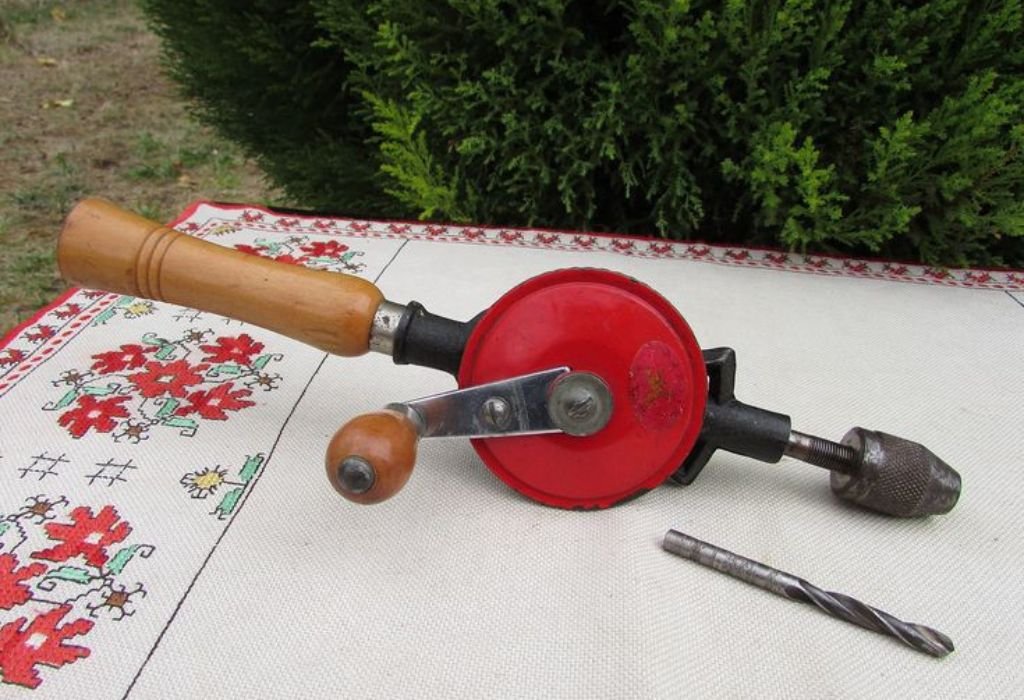
Hand drills can drill metal successfully when used on thin or softer materials with the correct bit. The slower manual rotation prevents overheating which is a common issue with high speed power drills. This gives users better control and reduces the chance of tearing or deforming thin sheet metal.
Manual drilling works best when the material thickness is minimal. Thick metal requires more torque than a hand drill can provide consistently. Attempting heavy drilling manually leads to stalling or bit binding.
The key to successful metal drilling with a hand drill is proper preparation. Marking the hole location and creating a small center punch helps prevent the bit from wandering. Stability is more important than speed during manual drilling.
Sharp bits are essential for cutting through metal cleanly. Dull bits increase resistance and require more physical effort from the user. Keeping bits maintained ensures better results and reduces frustration.
Understanding the capabilities of hand drills prevents misuse. They work well within specific limits but cannot replace a power drill for demanding applications. Knowing where the tool excels ensures safe and effective use.
Which Types of Metal Can Be Drilled With a Hand Drill
Hand drills are most effective on soft metals such as aluminum and brass. These materials cut smoothly without requiring excessive torque. The bit penetrates gradually and produces clean edges with slow rotation.
Thin sheet metal can also be drilled manually with proper support. Backing the sheet with scrap wood prevents bending and reduces vibration. This helps maintain accuracy and prevents distortion around the hole.
Copper is another material suitable for manual drilling. Its softness allows controlled cutting without overheating. Using a sharp bit ensures smooth progress and prevents grabbing.
Harder metals like steel present greater difficulty. While thin mild steel may be possible with patience the effort required increases significantly. Thick or hardened steel should not be attempted with a hand drill.
Titanium and stainless steel are unsuitable for manual drilling due to high resistance. These materials require powered rotation and specialized bits. Attempting manual drilling risks bit failure and material damage.
Understanding metal types ensures proper tool selection. Matching the drill to material hardness protects both the operator and the equipment. Knowing limitations prevents wasted effort and broken bits.
Can a hand drill be used on aluminum?
Yes aluminum is soft enough for manual drilling when using a sharp metal bit.
Is brass suitable for hand drilling?
Yes brass drills smoothly and responds well to slow controlled rotation.
Can I drill steel with a hand drill?
Only thin mild steel may be possible but thicker or hardened steel should be avoided.
Should stainless steel be drilled manually?
No stainless requires high torque and generates heat that a hand drill cannot manage safely.
Can sheet metal be drilled with a hand drill?
Yes thin sheet metal works well when supported with backing to prevent bending.
How Bit Selection Affects Manual Metal Drilling
Choosing the correct drill bit is the most important factor when drilling metal by hand. High speed steel bits are recommended because they cut efficiently without wearing down quickly. Using wood bits or general purpose bits results in poor performance and increased effort.
Cobalt bits offer better durability for slightly harder metals. However they still require slow rotation and steady pressure during manual drilling. Their strength reduces the chances of tip dulling while cutting.
Small diameter bits are easier to use with a hand drill than large ones. Larger bits require more torque and are more likely to bind. Starting with a small pilot hole improves accuracy and reduces strain.
Sharpness determines how easily the bit can cut through metal. Sharpening or replacing dull bits prevents slipping and overheating. A clean cutting edge produces smoother holes with less resistance.
Lubrication helps reduce friction when drilling metal. A small amount of cutting oil cools the bit and improves chip removal. This makes manual drilling easier and extends bit life.
Choosing the right bit ensures successful manual drilling. Proper selection reduces effort and improves safety during the process. Understanding bit types leads to better results and fewer damaged tools.
Preparation Steps Before Drilling Metal by Hand
Marking the drilling location ensures accuracy during slow rotation. Using a center punch creates a small indentation in the metal surface. This prevents the bit from wandering as drilling begins.
Securing the workpiece is essential for safety and precision. Clamping the metal to a stable surface prevents shifting under pressure. Movement increases risk of bit breakage and uneven holes.
Backing thin metal with wood provides additional support. This prevents bending and reduces vibration during drilling. It also creates cleaner hole edges and prevents tearing.
Choosing the correct bit size and inspecting for sharpness saves effort. Visual checks help identify dull or damaged bits before use. Replacing worn bits improves performance immediately.
Lubricating the drilling surface reduces heat and friction. A drop of oil creates smoother cutting action and prolongs bit lifespan. This is especially useful when drilling multiple holes.
Proper preparation increases success when drilling metal manually. Taking time to set up correctly leads to cleaner results and safer operation. Preparation is the foundation of effective manual drilling.
Drilling Technique for Metal Using a Hand Drill
Begin drilling with slow steady rotation to establish the initial cut. Forcing the bit too quickly increases friction and stalls progress. Gentle motion allows the bit to bite gradually into the metal.
Maintain consistent downward pressure without leaning heavily on the drill. Excessive pressure can stop rotation and damage the bit. Balanced force keeps cutting smooth and controlled.
Periodically lift the bit to clear metal shavings. This reduces heat buildup and improves chip removal. Clean cutting prevents clogging and maintains smooth progress.
Reapplying lubrication during drilling helps maintain efficiency. Cutting oil cools the bit and reduces friction as the hole deepens. This is especially important in thicker or harder materials.
Checking alignment throughout the process prevents crooked holes. Slow manual rotation provides enough feedback to correct angle changes. This ensures cleaner and more accurate results.
Should drilling start slowly on metal?
Yes slow initial rotation helps the bit bite and prevents slipping across the surface.
How much pressure should be applied?
Light steady pressure is best because pushing too hard stops rotation and increases friction.
Why lift the bit while drilling?
Lifting clears metal shavings and reduces heat which improves cutting efficiency.
Should cutting oil be used when drilling by hand?
Yes lubrication reduces friction and helps the bit stay cool during manual drilling.
How do I keep the hole straight?
Maintaining steady angle and checking alignment during rotation prevents crooked drilling.
Limitations of Drilling Metal With a Hand Drill
Manual drilling requires significantly more time than powered drilling. Creating a single hole may take several minutes depending on thickness. This slows productivity for larger projects.
A hand drill cannot generate the torque needed for thick metal. Resistance increases quickly as depth increases. Beyond a certain point progress becomes nearly impossible.
Heat buildup may still occur even with slow rotation. Continuous friction dulls the bit and increases effort required. Without proper lubrication performance declines rapidly.
Large diameter holes are not practical with manual drilling. Bigger bits need high torque that a hand drill cannot provide. Attempting them causes binding and potential tool damage.
Using a hand drill on hard metals increases risk of bit breakage. The bit may flex under pressure and snap suddenly. This creates safety hazards for the user.
Understanding limitations prevents unrealistic expectations. Manual drilling is best used within specific boundaries. Choosing the right tool for material thickness ensures safety and success.
When a Power Drill Becomes Necessary
A power drill becomes necessary when metal thickness exceeds manual capability. Motors generate consistent torque for efficient cutting. This allows faster drilling with less physical effort.
Hard metals such as stainless steel require higher speed and force. Manual drilling cannot maintain cutting action on dense surfaces. A power drill paired with the right bit performs reliably.
Large diameter holes need powered rotation for clean cutting. Hole saws and step bits demand strong torque delivery. Only motorized tools can drive them effectively.
Repetitive drilling tasks are unsuitable for hand drills. Fatigue increases quickly and reduces accuracy over time. A power drill maintains steady performance without physical strain.
When drilling into structural metal safety becomes a concern. Controlled torque prevents sudden binding and material cracking. Power drills reduce risk when handled correctly.
Understanding when to switch tools improves efficiency. Using the appropriate drill protects both the user and the material. Knowing the right time to upgrade ensures successful results.
When should I avoid using a hand drill on metal?
Avoid manual drilling on thick or hard metal because the torque required exceeds manual capability.
Is a power drill required for stainless steel?
Yes stainless steel needs higher force and speed that only a motor driven drill can provide.
Can I drill large holes manually in metal?
No large diameter drilling requires torque that a hand drill cannot generate safely.
Do repetitive holes require a power drill?
Yes repetitive drilling causes fatigue and reduces accuracy making powered tools more practical.
Is a power drill safer for structural metal?
Yes controlled torque reduces binding and improves safety during heavy duty drilling.
Safety Tips for Manual Metal Drilling
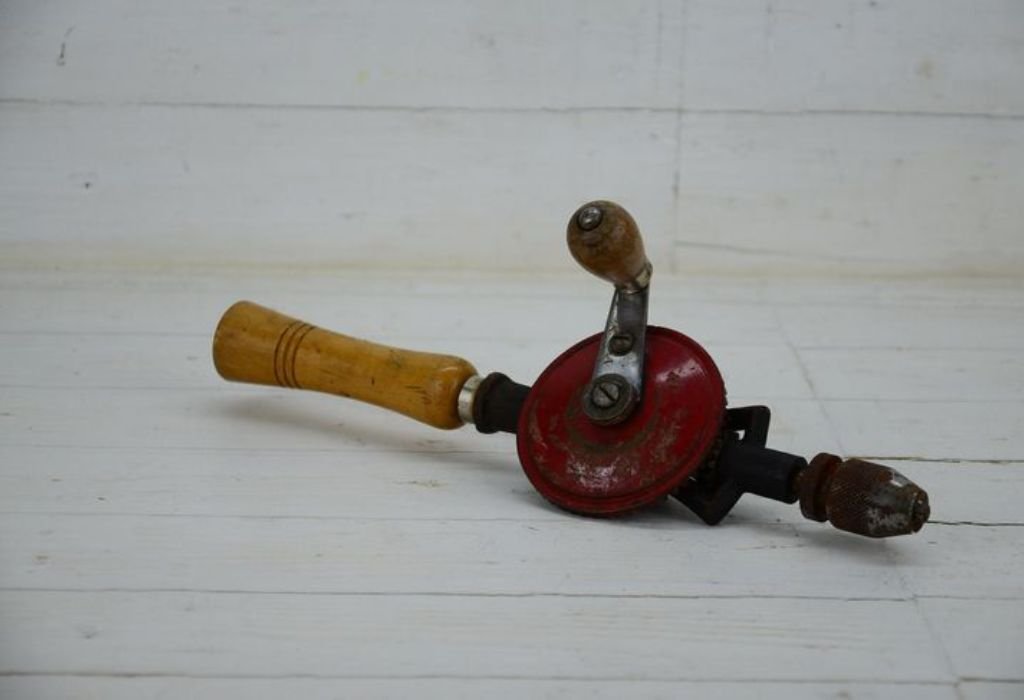
Wearing eye protection is essential when drilling metal. Small metal shavings can eject unpredictably during cutting. Safety glasses prevent injuries from flying debris.
Securing the workpiece prevents dangerous movement. A shifting surface increases the chance of bit breakage and hand injury. Clamping ensures stability throughout drilling.
Keeping hands away from the bit avoids accidental contact. Slow rotation may seem harmless but sharp edges can still cut skin. Maintaining proper hand placement improves safety.
Clearing chips with a brush instead of fingers reduces risk. Metal edges are sharp and can cause cuts instantly. Using tools to clean the area prevents accidental injury.
Stopping immediately if the bit binds prevents damage. Forcing rotation can snap the bit and send fragments outward. Gentle technique protects both the user and equipment.
Following safety practices ensures controlled and reliable drilling. Awareness reduces accidents and builds confidence. Safe habits support long term tool use.
Maintenance Tips After Drilling Metal by Hand
Cleaning the bit after drilling removes metal particles and reduces corrosion. Wiping with a cloth and applying light oil protects cutting edges. Proper care extends bit lifespan.
Inspecting the chuck ensures it still grips securely. Metal shavings can become trapped and interfere with closing. Cleaning prevents slippage during future drilling.
Lubricating gears maintains smooth hand drill operation. A small amount of oil on moving parts reduces friction and wear. Excess must be removed to prevent dust buildup.
Storing bits separately prevents dulling from contact. Metal bits should be kept dry and protected from moisture. Rust weakens cutting performance over time.
Sharpening dull bits restores cutting efficiency. Manual drilling depends heavily on sharp edges. Regular maintenance improves results and reduces physical effort.
Should metal bits be cleaned after drilling?
Yes cleaning removes debris and prevents corrosion that can dull the cutting edge.
Can metal shavings affect the chuck?
Yes trapped debris interferes with grip and must be cleaned out for safe operation.
Do hand drill gears need lubrication?
Yes occasional oiling ensures smooth rotation and reduces internal wear.
How should metal bits be stored?
Store them dry and separated to prevent rust and dulling from contact.
Is sharpening necessary for manual drilling?
Yes sharp bits reduce effort and improve cutting quality when drilling metal.
Conclusion
Hand drills can drill metal successfully when used on thin soft materials with proper technique. Slow rotation sharp bits and steady pressure create clean holes without overheating or tearing.
The tool excels in situations where precision matters more than speed and where delicate control is required.
However manual drilling has clear limitations when working with thick or hard metals. High torque requirements and increased resistance make power drills necessary for demanding tasks. Understanding when to switch tools prevents frustration and protects equipment from damage.
Knowing how and when to use a hand drill for metal opens new possibilities for careful detailed work.
With the right preparation and technique users can achieve safe accurate results using a simple mechanical tool. Respecting the tool’s boundaries ensures success and long term performance.

I’m John F. Nicholas, the founder, lead writer, and drill enthusiast behind 101drill.com. With years of hands-on experience in power tools and DIY projects, I created this platform to share practical knowledge, expert tips, and real-world insights to help others master the art of drilling.