
Most people first pick up a hand drill thinking it works the same on every surface. At first the drill bit spins smoothly and creates holes easily in soft wood which gives the impression that any material will behave the same way.
The real difference appears when the drill suddenly struggles to penetrate harder material or begins to smoke from friction. What seems like a simple task quickly becomes risky when the material is not suitable or the wrong bit is used.
A hand drill is capable of working on many common materials but each one reacts differently under pressure. Some require slow speed to prevent cracking while others need lubrication to keep heat under control.
Beginners often learn the hard way when a bit snaps inside metal or the surface chips unexpectedly. These problems are rarely caused by the drill itself and are usually linked to misunderstanding how the material behaves.
Understanding which materials are suitable for a hand drill prevents frustration and improves accuracy. With the right speed pressure and bit selection even challenging surfaces can be drilled safely.
This guide explains every major material type in detail so both beginners and experienced users can choose correctly. Knowing what to drill and how to drill it makes every project safer smoother and more successful.
Softwoods Suitable for Hand Drill Use
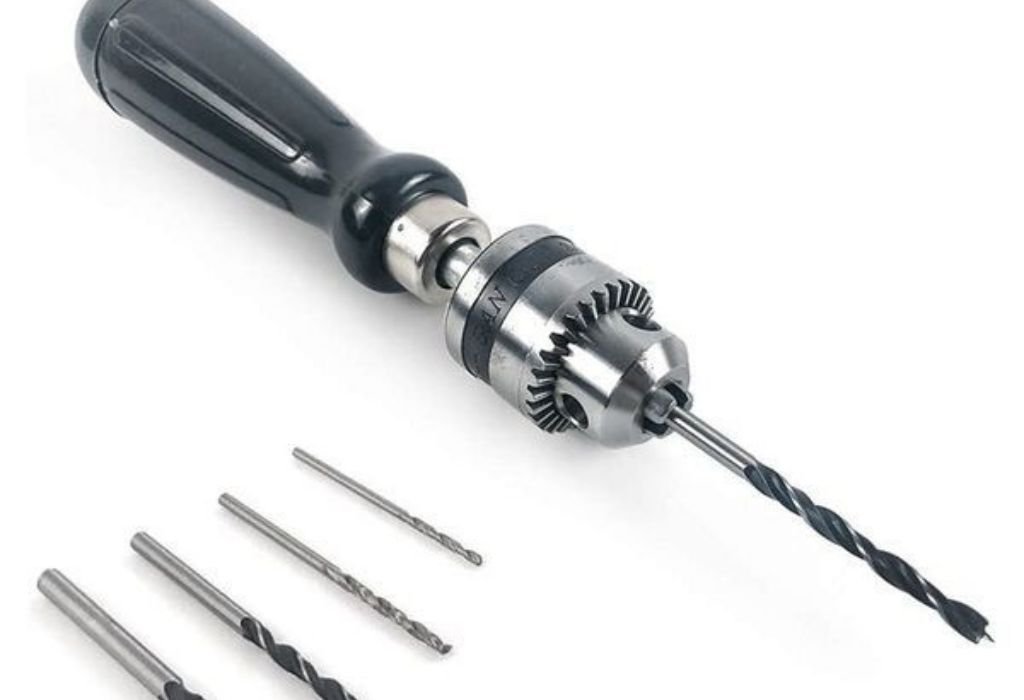
Softwoods are some of the easiest materials to drill using a hand drill. Their fibers are less dense which allows the bit to penetrate smoothly with minimal resistance. Common softwoods include pine cedar spruce and fir which are often used in general construction and DIY work.
Drilling into softwood requires light pressure to prevent splintering. Using high speed can cause the bit to tear the surface instead of cutting cleanly. Slower drilling produces cleaner edges and reduces the chance of breakout on the exit side.
Softwoods are ideal for beginners because mistakes are easier to correct. If a hole starts slightly off center it can often be repositioned without damaging the material. This makes softwood a forgiving option for practice and learning technique.
Standard twist drill bits are usually sufficient for drilling into softwood. For larger holes a spade bit or Forstner bit provides smooth results without burning. Sharp bits reduce friction and prevent overheating during extended drilling.
Clamping the wood helps prevent movement while drilling. Even light materials can shift unexpectedly and create uneven holes or injury risk. A stable setup improves accuracy and safety for all users.
Softwoods are highly suitable for a hand drill due to their easy cutting characteristics. They require less torque compared to harder materials and allow smooth consistent drilling. Understanding proper technique ensures clean results without surface damage.
Hardwoods and How They Respond to Hand Drilling
Hardwoods are denser and tougher compared to softwoods which makes drilling more challenging.
Common hardwoods include oak maple walnut and mahogany which are used in furniture and precision woodworking. Their tight grain structure increases resistance and requires stronger control from the user.
Drilling into hardwood requires slower speed and steady consistent pressure. Forcing the drill can burn the wood or cause the bit to seize inside the hole. Taking time ensures a cleaner cut and prevents overheating.
A brad point bit is recommended for hardwood because it centers easily and reduces wandering. The sharp spur cuts the outer edge cleanly while the center point prevents slipping. Twist bits can be used but may cause tear out if not sharp.
Pre drilling pilot holes helps prevent splitting especially near edges. Hardwoods are more prone to cracks when screws are inserted without guidance. Pilot holes reduce stress and improve fastening strength.
Applying wax or light lubrication on the drill bit can reduce friction. This is helpful when drilling deeper holes where heat builds quickly. Lubrication allows smoother cutting and prevents burning marks.
Hardwoods are suitable for hand drilling but require patience and correct bit selection. Proper technique improves results and reduces the chance of tool strain. Understanding hardwood behavior ensures cleaner accurate holes without damaging the material.
Plastic Materials Suitable for Hand Drill Use
Many plastic materials can be drilled safely using a hand drill. Suitable types include PVC acrylic polycarbonate and ABS which are commonly found in household fixtures and hobby projects. Each plastic reacts differently depending on thickness and heat sensitivity.
Drilling into plastic requires low speed to prevent melting. High rotation generates friction that softens the plastic and causes the hole to warp. A slow controlled speed keeps edges smooth and prevents sticking.
A sharp twist bit or step bit works best for plastic surfaces. Step bits create clean holes without cracking and are ideal for thin sheets. Dull bits generate heat and may cause chipping or surface damage.
Supporting the plastic firmly prevents vibration during drilling. Flexible sheets require backing material to maintain shape. Without support the plastic may flex and create uneven holes.
Avoid using excessive pressure because plastic fractures under sudden force. Letting the bit cut gradually produces better precision. Allowing the bit to cool between holes prevents heat buildup.
Plastics are suitable materials for hand drilling when handled correctly. Choosing the right bit and speed ensures clean results without cracking or melting. Understanding material limitations improves safety and accuracy.
Metals Suitable for Hand Drilling and Safety Considerations
Hand drills can be used on softer metals such as aluminum brass and thin mild steel. These metals are workable because they do not require excessive torque and allow gradual cutting. However thicker or hardened steel should only be drilled with more powerful tools.
Drilling metal requires slow speed and steady pressure. High speed creates heat that dulls the bit and may cause binding. Allowing the drill to work gradually prevents overheating and improves accuracy.
A cobalt or high speed steel bit is ideal for metal drilling. These bits maintain sharpness under heat and resist wear during longer drilling sessions. Using a dull bit increases friction and risks breakage.
Lubrication is essential when drilling into metal. Applying cutting oil reduces heat and prevents the bit from seizing inside the hole. This is especially important for stainless steel which hardens under heat.
Securing the metal with clamps prevents spinning during drilling. Loose material can twist suddenly and cause serious injury. A stable setup ensures the hole remains straight and controlled.
Metal is suitable for hand drilling only when proper precautions are followed. Understanding speed lubrication and bit selection ensures safe results. This careful approach protects both the user and the tool.
Masonry Materials and Their Limitations With Hand Drills
Masonry surfaces such as brick mortar and concrete behave differently from wood or metal. These materials are extremely dense and abrasive which makes cutting difficult for a standard hand drill. Attempting drilling without the right bit or technique leads to rapid bit wear and poor results.
Drilling into masonry requires a carbide tipped masonry bit. These bits grind through hard surfaces instead of cutting. Using regular twist bits results in immediate dulling and surface damage.
A hand drill can handle small holes in soft brick or mortar. However concrete and stone require a hammer drill for effective penetration. Without impact force the bit only spins without progress.
Slow speed is necessary to maintain control and prevent overheating. Masonry generates dust that increases friction inside the hole. Clearing dust frequently allows smoother drilling and reduces pressure.
Applying too much force can crack masonry. The drill should guide the bit rather than push aggressively. Gentle pressure prevents surface chipping and structural damage.
Masonry is only partially suitable for hand drilling. Light tasks are manageable but heavy duty drilling requires specialized tools. Understanding these limitations prevents frustration and material damage.
Glass and Ceramic Drilling Precautions
Glass and ceramic are extremely brittle materials that crack under sudden pressure. Attempting to drill without proper precautions leads to shattering. Hand drills can be used but only with specialized technique and equipment.
A diamond or carbide tipped bit is required for drilling glass or tile. Standard bits cannot cut the hard glazed surface. Using the wrong bit causes slipping and surface chips.
Drilling must be performed at the lowest possible speed. High rotation generates heat and internal stress that leads to cracks. Slow controlled drilling maintains stability and reduces vibration.
Applying constant water cooling prevents overheating. Water reduces friction and washes away dust from the hole. Without cooling the bit overheats quickly and damages the material.
Supporting the surface from behind reduces cracking. A flat backing prevents flex and distributes pressure evenly. Unsupported surfaces are more likely to fracture during drilling.
Glass and ceramic are only suitable for hand drilling under precise controlled conditions. Even small mistakes lead to irreversible damage. Proper preparation ensures safe and successful results.
Composite and Manufactured Materials for Hand Drilling
Composite materials include fiberboard plywood laminate and fiberglass. These materials combine layers or fibers which react differently to drilling. Understanding their structure prevents splitting and surface defects.
Drilling into plywood is generally easy using standard bits. The layered construction supports cleaner holes but may splinter on exit. Using painter’s tape reduces tear out on the backside.
Fiberboard such as MDF requires slow drilling to avoid swelling. The fine dust produced can clog the bit and generate heat. Clearing the bit frequently improves performance.
Laminate surfaces are prone to chipping at the entry point. A sharp brad point bit and light pressure reduce surface damage. Drilling from both sides may produce cleaner results.
Fiberglass requires protective equipment due to airborne fibers. Slow speed and minimal pressure prevent overheating. A mask and gloves protect against skin and respiratory irritation.
Composite materials are generally suitable for hand drills with proper handling. Adjusting speed and bit type improves accuracy and finish quality. Understanding each material prevents damage and increases success.
Materials That Should Not Be Drilled With a Hand Drill
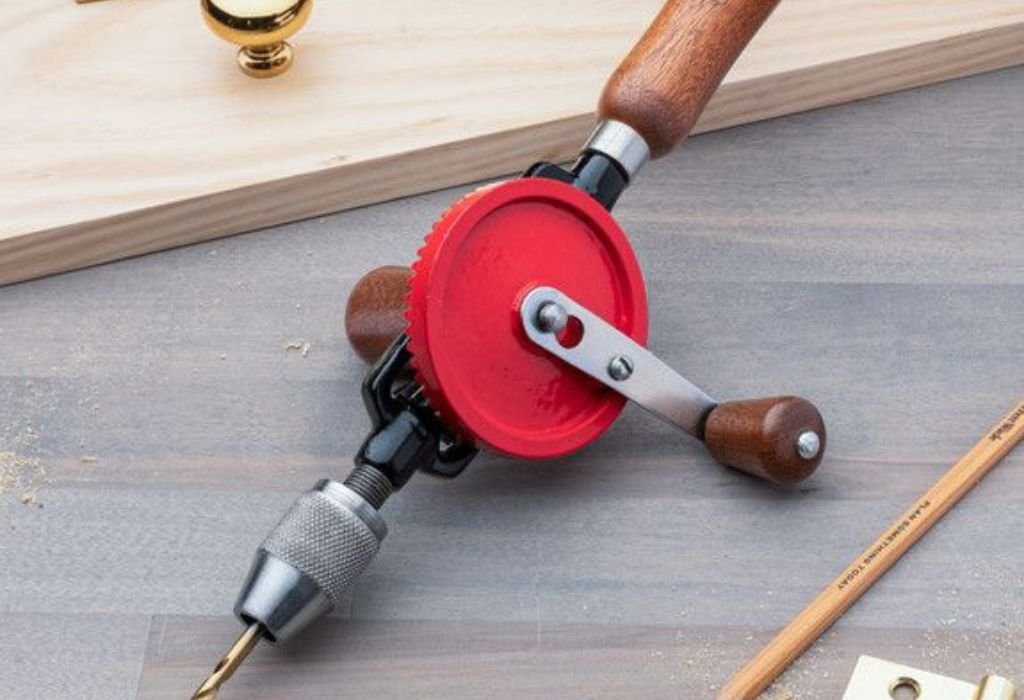
Certain materials are unsafe or impractical to drill using a hand drill. Hardened steel requires high torque and specialized bits that exceed hand drill capability. Attempting drilling may break the bit and damage the motor.
Tempered glass cannot be drilled under any condition. The internal stress causes instant shattering when pressure is applied. Safety glass must be manufactured with holes already installed.
Thick concrete and stone are unsuitable for standard hand drills. These surfaces require hammer action to break through dense structure. Without impact the bit overheats and fails quickly.
Asbestos containing materials must never be drilled. Disturbing the surface releases hazardous fibers into the air. Only licensed professionals may handle these materials safely.
Cast iron can crack under sudden force. Although drillable with proper equipment it is not recommended for handheld drilling. Using a drill press provides safer controlled pressure.
Avoiding unsuitable materials protects both the tool and the user. Knowing limitations prevents accidents and expensive damage. Correct material selection ensures successful and safe drilling.
Frequently Asked Hand Drill Material Compatibility Questions
Can all woods be drilled with a hand drill?
Yes but hardwoods require slower speed and sharper bits. Softwoods are easier for beginners. Proper technique improves results.
Is metal safe to drill with a hand drill?
Yes softer metals like aluminum and thin steel are suitable. Lubrication and slow speed are required. Heavy steels need stronger tools.
Can I drill into concrete with a hand drill?
Only soft brick or mortar is manageable. Concrete requires a hammer drill. Standard drills lack impact force.
Is plastic easy to drill with a hand drill?
Yes with slow speed and sharp bits. Overheating causes melting. Support thin plastic to prevent cracking.
Can I drill ceramic tiles at home?
Yes using a diamond bit and water cooling. Low speed is essential. Rushing causes cracks or chips.
What materials should never be drilled with a hand drill?
Tempered glass hardened steel and asbestos surfaces. These require special tools or professional handling. Avoid drilling for safety.
Why does my bit burn while drilling wood?
The bit may be dull or speed too high. Reducing speed prevents heat marks. Sharpen or replace dull bits.
Can a hand drill be used on fiberglass?
Yes but protective gear is required. Slow speed prevents overheating. Avoid breathing airborne fibers.
Do I need lubrication when drilling metal?
Yes cutting oil reduces heat and friction. It improves bit life and cutting speed. Especially important on steel.
Why does plastic crack when drilling?
Excess pressure or high speed causes stress. Use gentle pressure and support underneath. Step bits reduce cracking.
Conclusion
Hand drills can work safely on a wide range of materials when correct technique and preparation are used. Softwoods plastics and some metals are highly suitable while tougher surfaces require slower speed and proper bit selection.
Understanding how each material reacts prevents common drilling problems and improves accuracy.
Knowing which materials are unsafe protects both the user and the tool. Surfaces like tempered glass hardened steel and asbestos should never be drilled with a hand drill. Respecting these limitations ensures safer working conditions and prevents costly mistakes.
Adjusting speed pressure and lubrication based on material type leads to smoother results. Each drilling task becomes easier when the material is understood thoroughly. Careful handling extends tool lifespan and prevents damage to the surface.
Whether used for DIY projects or professional tasks a hand drill performs best with proper planning.
Choosing suitable materials and applying correct technique ensures successful drilling every time. With the right knowledge users gain confidence and achieve safer more reliable outcomes.

I’m John F. Nicholas, the founder, lead writer, and drill enthusiast behind 101drill.com. With years of hands-on experience in power tools and DIY projects, I created this platform to share practical knowledge, expert tips, and real-world insights to help others master the art of drilling.