
When Sameer tried drilling into a steel bracket using his compact hand drill, the bit stopped spinning halfway through the hole.
He squeezed the trigger harder but the motor stalled and began making a strained sound that worried him. The drill worked fine on wood earlier, so he could not understand why it suddenly struggled.
A technician later explained that the drill had reached its torque limit and did not have enough twisting force for the harder material.
Sameer realized that pushing the tool further might have damaged the motor or caused the bit to slip dangerously. A simple misunderstanding turned into an important lesson about torque limitations in hand drills.
Many users assume that all drills can handle any task as long as the bit fits correctly. In reality, torque differences affect how well a drill performs under load and determine which materials it can safely handle.
Understanding torque limitations helps prevent tool damage, improve drilling results, and ensure safe operation.
What Torque Means and Why It Matters in Hand Drills
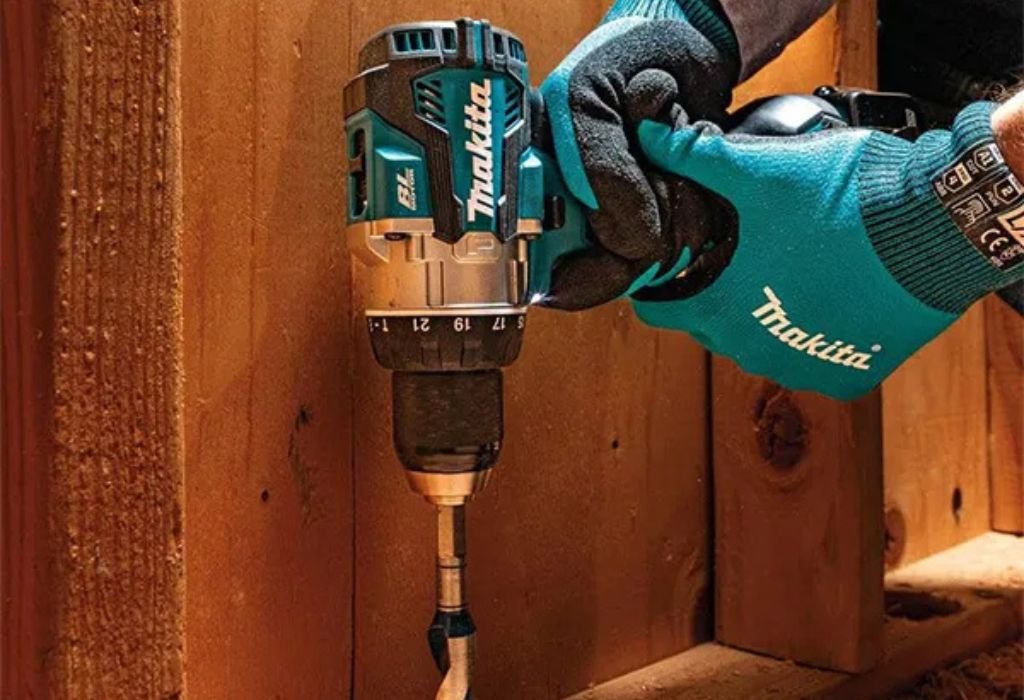
Torque refers to the twisting force a drill produces to rotate the bit under pressure. Higher torque allows the drill to continue turning even when resistance increases during drilling. Low torque causes the bit to slow down or stop when it encounters dense or hard material.
Hand drills are designed for light to moderate tasks and cannot match the torque output of heavy duty tools.
These limitations prevent the drill from applying excessive force that could harm the mechanism or user. Knowing how torque affects performance helps users choose the right tool for each project.
Torque also influences drilling speed and hole quality. Insufficient torque may lead to incomplete holes or rough finishes on the surface. Understanding torque basics improves results and reduces frustration during difficult applications.
Factors That Limit Torque in Manual and Powered Hand Drills
Hand drill torque is limited by several design features including motor size, gear ratio, and power source.
Smaller motors produce less twisting force and struggle when drilling into dense materials such as metal or hardwood. Compact drills prioritize portability but sacrifice torque capacity to remain lightweight.
Gear ratio determines how efficiently the drill converts motor rotation into usable torque. High speed settings reduce torque and are suitable only for soft materials. Low speed settings increase torque but still remain limited compared to heavier tools.
Manual hand drills rely entirely on user strength and cannot generate consistent torque under heavy load. These limitations make them suitable only for thin wood, plastic, and light duty tasks.
Do compact drills have lower torque?
Yes, smaller motors produce less twisting force under load.
Does drill speed affect torque output?
High speed reduces torque while low speed increases it.
Can manual drills handle metal?
Only very thin sheets, since torque depends on user strength.
Does battery size change torque?
Higher voltage models generally produce stronger torque.
Can gear settings improve torque?
Low gear increases torque but still has a limit in hand drills.
Material Hardness and How It Impacts Drilling Torque Needs
Different materials require different torque levels depending on density and resistance. Soft wood allows easy penetration with minimal twisting force, making it suitable for low torque hand drills. Hardwoods, metals, and masonry require significantly higher torque to cut through without stalling.
A hand drill may begin drilling successfully but lose momentum as heat and friction increase. This gradual slowdown indicates the drill has reached its torque limit and cannot maintain rotation. Forcing the tool at this stage risks burning the bit or damaging the drill motor.
Matching the material to the drill’s torque capability ensures clean holes and prevents tool failure. Using lubrication or pilot holes may help reduce resistance but cannot overcome extreme torque limitations.
Common Signs of Torque Limitations During Drilling
A hand drill that slows down or stalls indicates insufficient torque for the task. The motor may sound strained as it struggles to turn the bit under increasing resistance. Continued pressure may stop rotation entirely and trigger the drill’s safety cutoff if equipped.
Bit slippage is another common sign that the drill cannot maintain proper torque under load. The bit may spin inside the chuck or produce shallow scraping instead of cutting cleanly. This creates uneven holes and increases the risk of injury during operation.
Users may also notice excessive vibration or burning odor from the drill or bit surface. These symptoms signal that the drill has exceeded safe torque levels and should be stopped immediately.
Why does my drill stall under pressure?
It has reached its torque limit and cannot overcome resistance.
Is bit slippage related to low torque?
Yes, insufficient torque prevents stable cutting and causes slipping.
Can a burning smell mean torque overload?
Heat buildup occurs when the drill struggles beyond its capacity.
Should I push harder when the drill slows down?
No, forcing it increases damage and safety risks.
Does vibration indicate torque limitations?
Excessive vibration shows the drill is losing control under load.
Differences Between Hand Drills and High Torque Power Tools
Hand drills are designed for light duty applications and focus on portability rather than maximum torque output. Their compact motors and limited gear range restrict the twisting force available for demanding materials. As a result, they work best for drilling wood, plastic, and thin metal sheets.
High torque power tools such as hammer drills and rotary drills are built with larger motors and reinforced gearing.
These tools generate stronger torque that continues to rotate the bit even under extreme resistance. Their design supports drilling into concrete, steel, and dense hardwood without frequent stalling.
Using a hand drill for tasks intended for heavy duty tools increases wear and reduces performance. The drill may overheat, stall repeatedly, or damage bits due to insufficient torque. Choosing the right tool ensures safer operation and cleaner drilling results.
Bit Types, Shank Styles, and Their Effect on Torque Transfer
Bit selection plays an important role in how effectively torque transfers from the drill to the material. Hex shank bits provide better grip because their flat surfaces prevent spinning inside the chuck during high resistance drilling. They are preferred for tasks that require stronger torque and consistent stability.
Round shank bits depend entirely on friction to stay secure and are more likely to slip under heavy load.
When combined with low torque hand drills, they may stop cutting and begin polishing the material surface instead. This reduces efficiency and increases heat buildup on the bit.
Using sharp bits and matching the correct shank style helps compensate for torque limitations. Dull bits require more rotational force and overload the drill more quickly. Choosing the right bit improves torque transfer and protects the tool from unnecessary strain.
Safety Risks Caused by Low Torque and How to Prevent Them
Low torque increases the chance of bit slippage which can cause sudden loss of control during drilling. A spinning bit that fails to cut may jump across the workpiece and create accidental surface damage. In more serious cases, the drill may twist sharply and strain the user’s wrist.
Overheating is another risk when torque limitations force the drill to work harder than intended. Heat can weaken the bit and damage the motor windings over prolonged use. Stopping the drill immediately when heat or burning odor appears prevents equipment failure.
Users can prevent safety issues by reducing pressure, lowering drill speed, and switching to appropriate tools for dense materials. Wearing gloves and eye protection reduces injury risk from slipping bits. Understanding torque limitations promotes safer drilling habits.
Can low torque cause the drill to twist unexpectedly?
Yes, sudden resistance can cause the drill to jerk in the user’s hand.
Does bit slippage increase injury risk?
Slipping bits lose control and may damage surfaces or cause harm.
Can overheating damage the drill motor?
Excess heat weakens internal components and reduces lifespan.
Should I force the drill harder on tough materials?
No, forcing increases risk and does not overcome torque limits.
Does reducing speed help prevent accidents?
Lower speed improves control and reduces slippage under load.
Techniques to Maximize Torque Output with Hand Drills
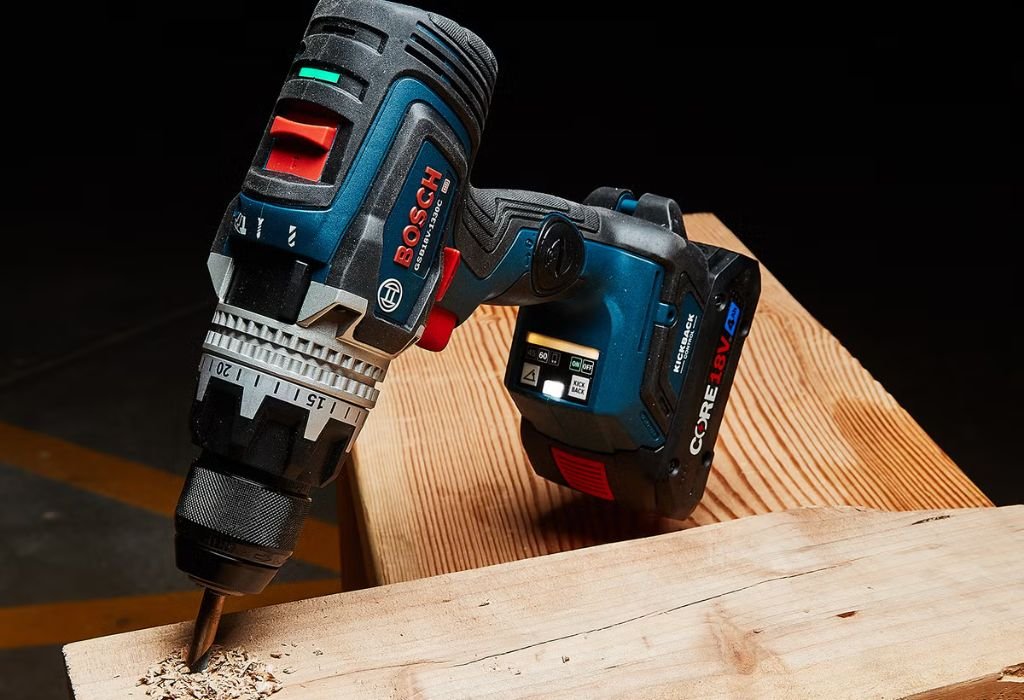
Using the lowest speed setting increases torque and helps the drill maintain rotation under pressure. This technique works especially well when drilling into harder wood or metal surfaces. Switching to higher speed should only be done after the bit has started cutting cleanly.
Keeping the drill aligned straight reduces resistance and prevents the bit from binding inside the hole. Applying steady and moderate pressure allows smoother cutting without overwhelming the motor. Lubrication on metal surfaces reduces friction and lowers torque demand.
Sharp bits require less torque to cut effectively and prevent stalling. Cleaning debris from the flutes improves chip removal and reduces load on the drill. These techniques extend the drill’s capability without exceeding its design limits.
Troubleshooting Slipping, Stalling, and Motor Overload
Slipping occurs when the bit stops cutting but continues spinning inside the chuck. This may result from dull bits, improper tightening, or excessive resistance from the material. Replacing the bit or tightening the chuck often resolves the issue.
Stalling indicates that the drill has reached maximum torque and cannot continue rotating. Allowing the motor to cool and reducing drilling pressure prevents repeated shutdown. Switching to a more powerful tool may be necessary for dense materials.
Motor overload occurs when the drill is pushed beyond its torque capacity for extended periods. Overheating, burning smell, or sudden power loss are warning signs. Stopping immediately protects the motor from permanent damage.
Why does my drill stall even on low speed?
The material may require more torque than the drill can provide.
Can dull bits cause stalling and overload?
Yes, they increase resistance and force the motor to work harder.
What should I do if the drill overheats?
Stop drilling and allow the tool to cool before continuing.
Why does the bit spin without cutting?
Slippage occurs when torque is insufficient or the chuck is loose.
When should I switch to a stronger tool?
If stalling continues even after reducing speed and pressure.
When to Switch Tools and Choosing Higher Torque Alternatives
Knowing when to switch from a hand drill to a more powerful tool prevents frustration and equipment damage.
If the drill repeatedly stalls or struggles even with proper technique, torque limitations have been reached. Continuing to push the tool will only increase wear without improving results.
Hammer drills and rotary drills offer higher torque and impact force for drilling into concrete, brick, or dense metal.
These tools maintain rotation where hand drills stop and reduce the risk of bit failure. For extreme applications, drill presses provide stable torque and precise pressure control.
Choosing an upgrade depends on the material, hole size, and frequency of use. Occasional heavy duty projects may only require renting a stronger tool. Regular demanding work benefits from investing in a high torque model designed for long term performance.
Conclusion
Hand drill torque limitations play a major role in determining what materials and applications the tool can handle safely.
Low torque restricts drilling performance on dense surfaces and increases the risk of stalling, slippage, and overheating. Recognizing these limits prevents tool damage and ensures cleaner, more accurate results.
Using proper speed settings, sharp bits, and correct drilling techniques helps maximize torque output. Safety precautions protect both the user and the drill from unnecessary strain during demanding tasks. Knowing when to switch tools ensures efficient and reliable performance.
By understanding torque limitations, users can choose the right tool for each job and work confidently without pushing the drill beyond its capacity. Proper technique and smart decision making extend tool life and support safe drilling across different materials.

I’m John F. Nicholas, the founder, lead writer, and drill enthusiast behind 101drill.com. With years of hands-on experience in power tools and DIY projects, I created this platform to share practical knowledge, expert tips, and real-world insights to help others master the art of drilling.