
When Rafi bought his first cordless drill, he expected it to work like the older one he used at his uncle’s workshop.
He searched for the small chuck key but could not find it anywhere in the toolbox. A friend laughed and explained that modern drills no longer need a key to tighten the bit.
Rafi rotated the front sleeve of the drill and watched the jaws open and close smoothly without using any extra tool.
Within seconds he swapped between a screwdriver bit and a masonry bit and realized how much faster the process felt. That simple discovery changed how confidently he approached drilling tasks around the house.
Many people who used traditional keyed chucks are surprised the first time they experience a keyless design. The mechanism looks simple from the outside but plays an important role in speed, convenience, and safe bit handling.
Understanding what a keyless chuck is and how it works helps users choose the right drill and avoid common mistakes during everyday use.
What a Keyless Chuck Is and Its Purpose in Drilling
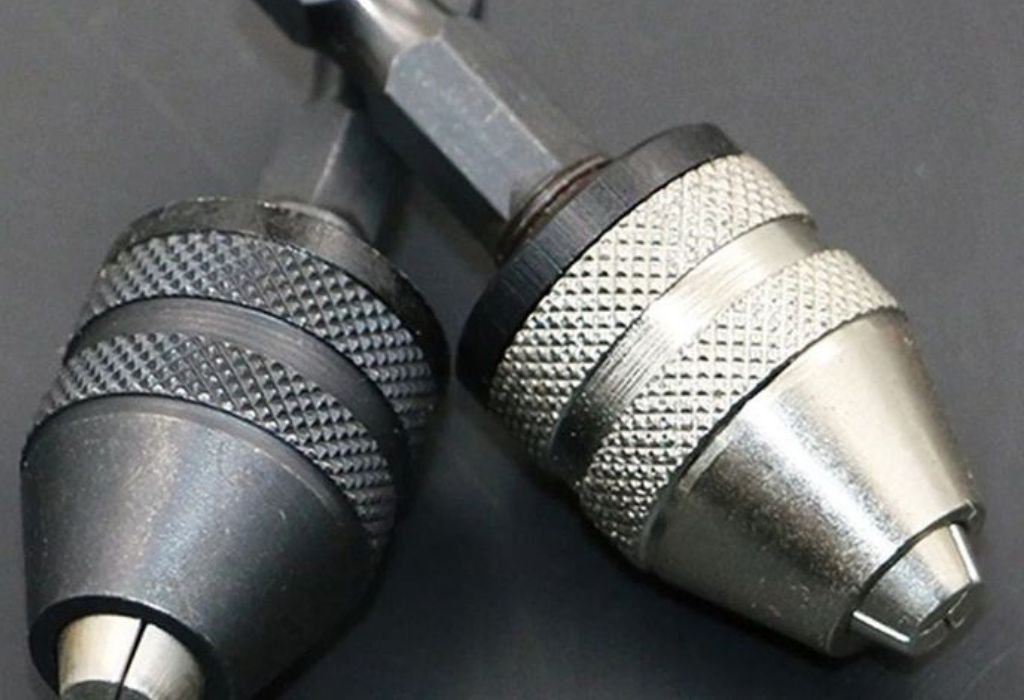
A keyless chuck is a drill chuck that allows users to tighten and loosen drill bits by hand without using a separate tool. It works by gripping the bit securely when the outer sleeve is rotated in the tightening direction.
This design makes bit changing faster and more convenient for both professionals and beginners during drilling tasks.
The purpose of a keyless chuck is to simplify operation and eliminate the need to carry or store a chuck key. Keyless chucks are commonly found on cordless drills because they support quick bit changes during frequent task switching.
Their convenience improves work efficiency on jobs that require drilling different materials in short intervals.
Keyless chucks rely on internal jaws that clamp evenly around the drill bit to ensure secure holding. When tightened properly, they prevent slipping and maintain stable rotation during operation.
Understanding what a keyless chuck is helps users choose the right drill setup for safe and efficient performance.
How a Keyless Chuck Works: Mechanism and Function
A keyless chuck operates through an internal set of jaws that move inward or outward when the outer sleeve is rotated.
Turning the sleeve clockwise tightens the jaws and locks the drill bit in place for secure operation. Rotating in the opposite direction releases the jaws and allows the bit to be removed easily.
Most keyless chucks use a ratcheting mechanism that clicks during tightening to prevent the bit from loosening while drilling. This design provides a stronger grip and supports higher torque levels on modern cordless drills.
The smooth operation allows users to change bits with one hand when necessary, improving handling convenience.
Advanced keyless chucks feature metal construction and precision threading that enhance durability and gripping power.
The internal components are designed to maintain alignment and prevent wobbling during drilling. Understanding how the mechanism works ensures proper tightening and reduces the risk of bit slippage.
Can a keyless chuck hold bits securely?
Yes, when tightened correctly the jaws grip the bit firmly during drilling.
Does a keyless chuck need a separate tool to tighten?
No, it is tightened and loosened by hand without using a key.
Do all keyless chucks have a ratcheting feature?
Not all, but many modern versions include it for better grip strength.
Can a keyless chuck loosen while drilling?
It may loosen if not tightened fully or when used with high torque loads.
Is a keyless chuck suitable for beginners?
Yes, it is easy to use and simplifies bit changes without tools.
Key Differences Between Keyless and Keyed Chucks
Keyless chucks are tightened by hand, while keyed chucks require a separate key to lock the bit securely.
Keyed designs provide stronger gripping force and are typically used for heavy duty drilling tasks. Keyless versions prioritize convenience and speed over maximum clamping strength in high torque applications.
Keyed chucks are more common on older corded drills and drill presses that require secure holding during large hole drilling.
Keyless chucks are standard on cordless drills used for general household and construction tasks. The design differences determine how each type performs depending on workload and material.
Choosing between the two depends on whether precision or convenience is more important for the user.
Keyless chucks work well for frequent bit changes and light to medium drilling tasks. Keyed chucks offer better security for demanding jobs that involve hardened steel or large diameter bits.
Advantages of Using a Keyless Chuck for Everyday Tasks
One major advantage of a keyless chuck is the ability to switch drill bits quickly without needing extra tools. This benefit reduces downtime on projects that involve drilling multiple hole sizes or materials.
Users can operate more efficiently when working in tight spaces or elevated locations where tools are harder to access.
Keyless chucks are also easier for beginners because they require simple hand tightening instead of precise key alignment.
The ratcheting mechanism found in many models improves grip strength and prevents accidental loosening during drilling. This design provides a balance between convenience and safety for common household repairs.
Modern keyless chucks are built with improved materials that resist wear and maintain smooth operation over long term use.
Their lightweight design makes cordless drills more comfortable to handle during extended work. For everyday drilling tasks, keyless chucks offer an ideal combination of speed, comfort, and reliability.
Are keyless chucks faster to use than keyed chucks?
Yes, bit changes are quicker because no separate key is required.
Do keyless chucks improve work efficiency?
They reduce downtime and allow faster switching between applications.
Are keyless chucks safer for new users?
Hand tightening makes them easier and more intuitive to operate.
Can a keyless chuck handle most household tasks?
Yes, it works well for light to medium duty drilling needs.
Do modern keyless chucks provide strong grip strength?
Many include ratcheting designs that improve holding power significantly.
Limitations and When a Keyless Chuck Is Not Ideal
Keyless chucks may not provide enough clamping force for heavy duty drilling or high torque applications.
When drilling large holes in metal or using hole saws, the bit may slip if the chuck is not tightened properly. This limitation makes keyed chucks more suitable for industrial or precision drilling tasks.
Some keyless chucks struggle with smooth round shank bits because they rely on friction rather than keyed engagement.
Under strong torque, the bit may loosen or spin inside the jaws and cause uneven drilling. For demanding tasks, using hex shank bits or switching to a keyed chuck improves performance.
Keyless chucks also wear faster when exposed to dust, impact, and frequent tightening cycles. Budget models may lose gripping accuracy and cause wobbling during operation.
Understanding these limitations helps users decide when a keyless chuck is appropriate and when a keyed version is necessary.
Materials, Design Types, and Grip Styles Used in Keyless Chucks
Keyless chucks are made using different materials depending on durability and intended usage. Plastic body chucks are lightweight and commonly found on entry level cordless drills designed for light household work.
Metal body chucks provide stronger grip strength and resist wear when exposed to repeated tightening under heavy use.
Some keyless chucks use a single sleeve design that allows users to tighten the bit using one hand. Dual sleeve designs require grip on both sections of the chuck to tighten securely, which provides more control and prevents slippage.
Ratcheting chucks add internal locking steps that click into place to ensure the bit stays tight during drilling.
Grip style varies based on exterior texture and shape, allowing better control while tightening with gloves or wet hands.
Knurled metal surfaces offer superior grip and long term durability compared to smooth plastic. Choosing the right material and design helps match the chuck to the type of drilling tasks performed.
How to Use, Tighten, and Change Bits Safely
Using a keyless chuck begins by rotating the outer sleeve counterclockwise to open the jaws. Once the jaws are wide enough, the drill bit is inserted to full depth before tightening begins. Turning the sleeve clockwise secures the bit and prevents movement during operation.
For maximum grip strength, the user should tighten the chuck firmly until the jaws fully clamp onto the shank. Some ratcheting models click during the final tightening stage which signals proper locking. Testing the bit by pulling gently ensures it is secure before drilling starts.
Safety requires turning off the drill and removing the battery when changing bits on cordless models. For corded drills, unplugging prevents accidental activation during bit adjustment. Following these steps reduces the risk of slippage and improves drilling accuracy.
Can a keyless chuck be tightened by hand only?
Yes, it is designed for manual tightening without a tool.
Should the battery be removed before changing bits?
Removing power prevents accidental activation during adjustment.
How do I know the bit is tight enough?
A firm twist and gentle pull test confirm secure clamping.
Can I use both hands to tighten a keyless chuck?
Dual sleeve models may require two hand tightening for better grip.
Is ratcheting necessary for safe drilling?
It improves grip strength but is not required on all models.
Compatibility With Drill Types and Bit Shank Sizes
Keyless chucks are commonly used on cordless drills because they allow quick changes between drilling and fastening tasks. Many compact drill drivers use smaller chucks such as 10 millimeter or three eighth inch sizes to match lighter workloads.
Larger chucks such as half inch sizes accommodate wider bit shanks and are found on more powerful drills.
Most keyless chucks are compatible with round and hex shank bits depending on the jaw design.
Hex shank bits prevent slipping under torque and are preferred for driving screws or drilling into dense materials. Round shank bits work well for general drilling in wood, plastic, and softer metals.
Some hammer drills and rotary drills still use keyed chucks due to higher impact forces. Compatibility depends on torque rating, bit size, and drill purpose. Understanding these differences ensures proper tool selection and prevents performance issues.
Common Problems, Maintenance, and Troubleshooting
Over time, keyless chucks may become difficult to tighten due to dust and debris entering the mechanism.
Regular cleaning prevents buildup and maintains smooth rotation while tightening and loosening the jaws. A brief air blast or brush around the opening helps keep the internal components clear.
Bit slippage may occur if the jaws wear out or the sleeve is not tightened completely. Using hex shank bits reduces slipping when drilling into harder surfaces. If the chuck continues loosening during use, the internal ratchet may be worn and require replacement.
Stiff operation may signal corrosion or lack of lubrication inside the sleeve threading. Applying light tool oil improves movement but should be used sparingly to avoid contamination. Persistent issues should be inspected by a professional to prevent drill damage.
Why does my keyless chuck keep loosening?
Incomplete tightening or worn jaws can cause slipping during drilling.
Can a stuck keyless chuck be fixed?
Cleaning and lubrication often help, but severe cases may need replacement.
What if the bit wobbles during drilling?
Worn jaws or improper insertion can cause misalignment.
Should I oil the inside of the chuck?
A small amount can help but excess oil attracts debris.
Can a keyless chuck be replaced separately from the drill?
Yes, most chucks can be removed and replaced when worn out.
Safety Tips When Using a Keyless Chuck
Safety starts with making sure the drill is powered off before adjusting or changing the bit. Accidentally pressing the trigger while the jaws are open can cause injury or damage to the bit.
Removing the battery on cordless drills or unplugging corded drills prevents unexpected activation during adjustment.
Users should always check that the bit is fully inserted into the jaws before tightening. A partially seated bit increases the chance of wobbling and may slip under pressure when drilling through hard surfaces. Pull testing the bit gently ensures it is locked securely before operation begins.
Wearing gloves and eye protection reduces the risk of slipping while tightening the sleeve by hand. Loose clothing or jewelry should be kept away from the rotating chuck to avoid entanglement.
Following simple safety steps ensures smooth operation and prevents preventable workplace accidents.
Keyless Chuck Performance in Hammer and Impact Drills
Hammer drills generate rapid forward impacts that increase stress on the chuck during operation.
Some keyless chucks are reinforced to handle vibration while others may loosen if not tightened firmly. Choosing a heavy duty model ensures the bit remains stable when drilling into concrete or masonry.
Impact drivers typically do not use keyless chucks because they rely on quick release hex collets.
However, certain hybrid tools may combine drilling and impact functions that still support keyless chuck designs. Understanding tool type prevents misuse and ensures correct accessory compatibility.
Users working with high torque applications should check manufacturer recommendations before selecting a keyless chuck.
Not all models are designed for heavy loads and may slip under extreme pressure. Matching the chuck to the right tool improves performance and extends lifespan.
Signs Your Keyless Chuck Needs Replacement
Difficulty tightening the sleeve is one of the earliest signs that internal components are wearing out. The jaws may stick or fail to grip evenly which makes the bit feel unstable during drilling. This problem gradually worsens and can lead to unsafe operation if ignored.
Wobbling or vibration in the bit even after proper tightening indicates internal alignment issues. The jaws may have become worn or damaged from repeated use over time. Continued operation in this condition can affect drilling accuracy and damage the drill motor.
If the chuck fails to hold bits securely and loosens repeatedly during use, replacement becomes necessary.
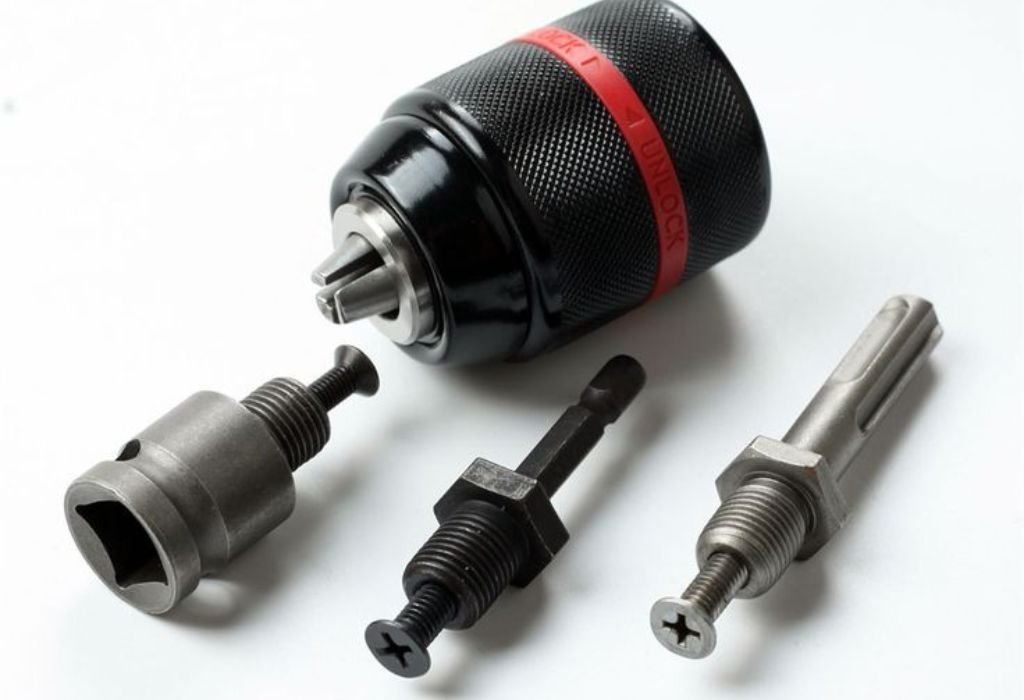
Many drills allow the chuck to be removed using a threaded or screw mounted connection. Installing a new high quality chuck restores performance and prevents further tool wear.
Buying Guide and Choosing the Right Keyless Chuck
Selecting the right keyless chuck depends on drill power, bit size requirements, and intended usage.
Light duty household drilling only requires standard plastic or small metal chucks designed for convenience. Heavy duty drilling benefits from all metal or ratcheting chucks that provide stronger clamping force.
Chuck size determines the maximum bit shank diameter that can be used safely. A half inch chuck offers the greatest versatility for both woodworking and metal drilling tasks. Smaller chucks work well for compact drills focused on lightweight fastening and precision work.
Quality and brand reputation play a major role in long term reliability. Choosing a durable design reduces slippage, improves accuracy, and enhances safety during operation. Matching the chuck to the drill ensures consistent performance across all drilling applications.
Conclusion
A keyless chuck is a convenient and user friendly component that allows drill bits to be tightened by hand without requiring a separate key. Its internal jaw mechanism simplifies bit changes and improves efficiency during everyday drilling tasks.
Most modern cordless drills use keyless chucks because they balance convenience, speed, and reliable gripping performance.
While keyless chucks offer many advantages, they also have limitations during heavy duty or high torque applications.
Understanding when to use a keyed chuck ensures safer drilling and prevents slippage when working with large bits or dense materials. Regular maintenance and correct tightening technique keep the chuck functioning smoothly over time.
Choosing the right keyless chuck depends on drill type, material strength, and bit compatibility. With proper selection and usage, keyless chucks provide long lasting performance and improved convenience for both professionals and home users.

I’m John F. Nicholas, the founder, lead writer, and drill enthusiast behind 101drill.com. With years of hands-on experience in power tools and DIY projects, I created this platform to share practical knowledge, expert tips, and real-world insights to help others master the art of drilling.