
Ryan wanted to mount a small light through his bathroom mirror and assumed drilling would be simple. He pressed the drill too quickly and the mirror cracked from the center outward before he even finished the hole.
One mistake turned a minor task into a costly replacement that could have been avoided with the right technique.
Most people do not realize how delicate mirrors are because they combine thin glass with a reflective coating. Even a tiny amount of pressure or heat can cause sudden breakage. The drilling process requires patience and proper preparation instead of rushing with standard tools.
Unlike wood or metal, mirrors demand specialized drill bits and slow controlled speed. Small adjustments like lubrication and surface support make a huge difference in preventing chips. A clean hole depends more on technique than strength or expensive equipment.
Whether you are installing lights or creating decorative designs, learning the correct steps protects the mirror. A careful approach saves money and avoids dangerous fragments. Understanding how to drill safely builds confidence before starting any project.
Tools and Materials You Will Need
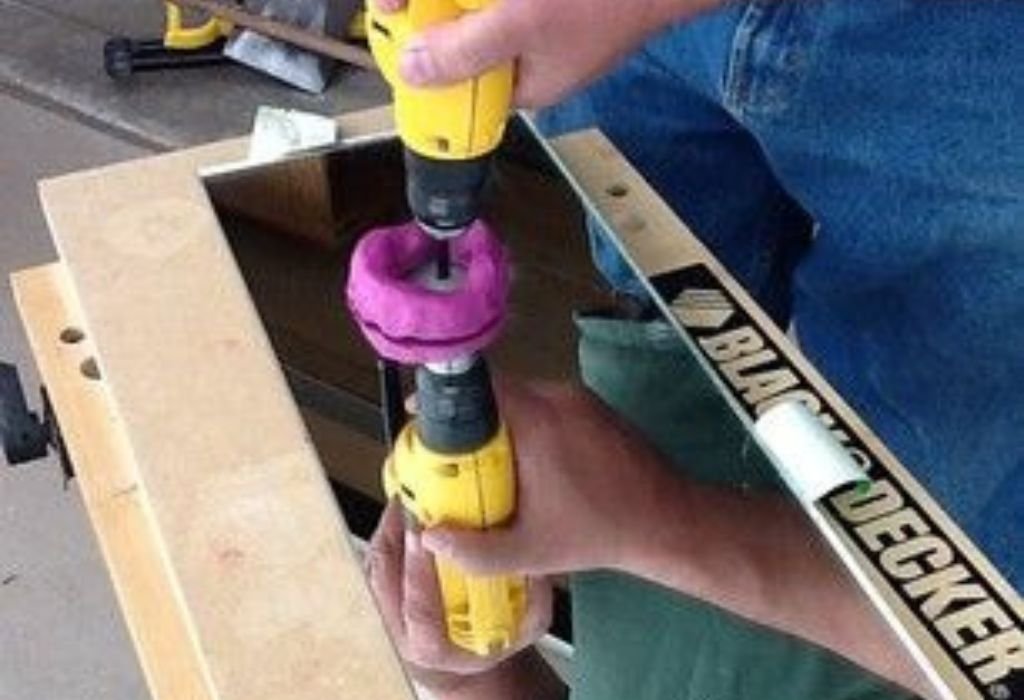
Using the right tools prevents most cracking issues when drilling into mirrors. A diamond coated drill bit is essential because standard steel or masonry bits cannot handle glass. Diamond particles grind through the surface smoothly without applying force.
A variable speed drill is necessary for slow controlled rotation. High speed creates heat that expands the glass and causes fractures. Corded and cordless models both work as long as the speed stays low. Hammer settings should never be used on mirrors.
Masking tape helps stabilize the drilling point by reducing initial slipping. The tape also provides light cushioning between the drill and the glass. Marking the spot with a fine tip marker keeps alignment accurate throughout the process.
Water acts as lubrication to keep the temperature low. A small spray bottle or wet sponge is enough to cool the surface. Some people create a clay or putty ring around the hole to hold water in place during drilling.
A flat stable backing surface is critical for support. Placing the mirror on a folded towel or rubber mat absorbs vibration. Uneven pressure increases the chance of cracking before the hole is complete.
Safety equipment should never be ignored. Gloves protect your hands from sharp edges and goggles prevent injury from tiny glass particles. Taking precautions allows you to work confidently and safely.
How to Prepare the Mirror Before Drilling
Preparation is the most important step when drilling a mirror. Cleaning the surface removes dust and debris that may interfere with the bit. A microfiber cloth and glass cleaner are usually enough to make the area smooth and clear.
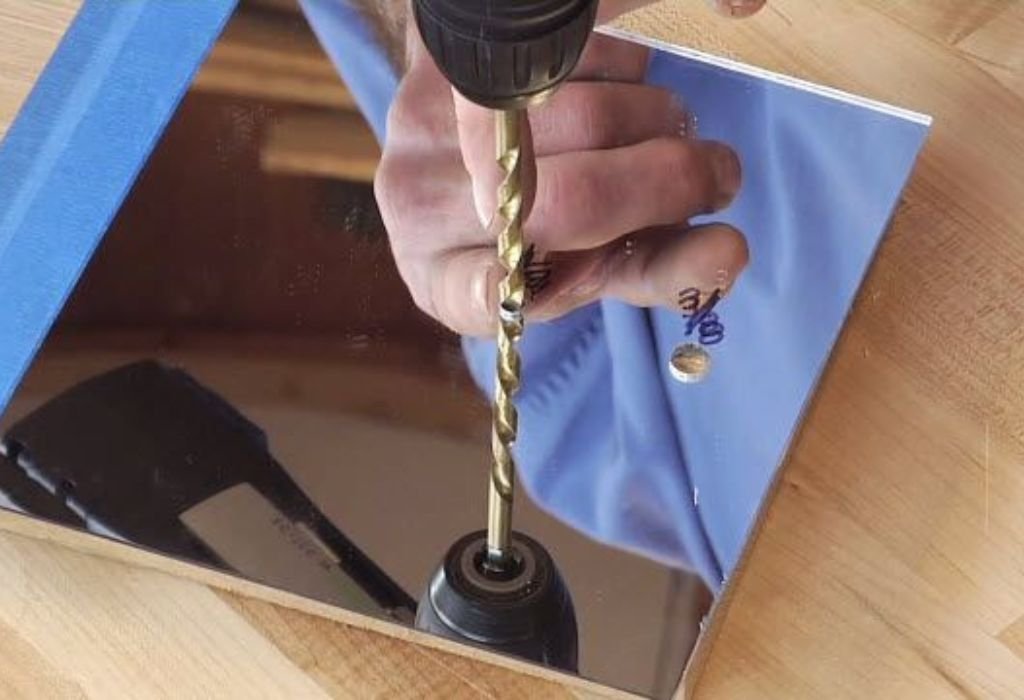
Mark the exact drilling position and cover it with two layers of masking tape. The tape reduces slipping and helps prevent chips when the bit first touches the surface. Press the tape firmly to keep it flat and secure.
Place the mirror on a padded flat surface to distribute pressure evenly. A towel or foam sheet protects the glass from sudden shifts while drilling. Never drill a mirror that is hanging vertically or unsupported.
If the mirror has a backing film, avoid peeling or damaging it. The reflective coating is extremely fragile and can flake if scratched. Keeping the backside intact helps maintain structural strength during drilling.
Ensure you have enough space to work slowly without rushing. Removing distractions and preparing tools ahead of time keeps the process controlled. Taking time during setup prevents mistakes later.
Double check that the drill is set to low speed with no hammer function. The correct setting prevents vibration and reduces stress on the mirror. Proper preparation increases your chance of creating a clean hole successfully.
Step by Step Process to Drill a Glass Mirror
Start by placing the drill bit gently on the marked area without applying force. Begin drilling at the lowest speed and allow the bit to grind slowly. Pressing too hard creates cracks because glass cannot flex under pressure.
Keep the drill positioned straight and stable throughout the process. Tilting the drill can cause uneven friction and sudden chipping. Holding the drill with both hands helps maintain smooth control.
Use water continuously to cool the drilling point and reduce heat. A spray bottle or wet sponge works well to prevent overheating. If the surface becomes dry, pause immediately and reapply lubrication.
Drill for a few seconds and then stop briefly to let the glass cool. Short intervals prevent temperature buildup and reduce stress on the mirror. Patience is more important than drilling speed for a clean result.
Once the bit begins to break through, reduce pressure even further. The final stage is the most delicate and vulnerable to cracking. Allow the bit to complete the hole using its own weight instead of force.
Remove the tape carefully after drilling and wipe the surface clean. Inspect the edges for any sharp fragments and smooth them using fine sandpaper if needed. Completing the steps slowly ensures a professional finish every time.
Common Mistakes to Avoid While Drilling
Using the wrong drill bit is the most frequent cause of mirror breakage. Standard bits are designed to cut rather than grind and can shatter the glass instantly. Diamond coated bits are the only safe option for drilling mirrors.
Drilling too fast generates friction and heat that creates cracks. Mirrors cannot tolerate sudden temperature changes and will fail even with small mistakes. Slow rotation and cooling are necessary from start to finish.
Applying too much pressure is another common error. Many beginners push harder when the bit does not seem to progress. In reality, the bit needs time to wear through the surface gently. Forcing the drill increases risk dramatically.
Skipping lubrication allows heat to build rapidly under the bit. Even a small amount of water makes the process safer. Dry drilling should never be attempted on mirrors or any type of glass.
Drilling without support underneath the mirror causes stress points. A floating or uneven surface makes cracks more likely. Always place the mirror on a padded stable base before starting.
Ignoring safety protection can lead to injuries from tiny fragments. Goggles and gloves should be used even for small holes. Avoiding these mistakes keeps the mirror intact and prevents accidents.
Safety Tips and Final Precautions
Never drill a tempered glass mirror because it will shatter instantly. Tempered surfaces are heat treated and cannot be modified safely with standard tools. Always confirm the mirror type before starting any drilling project.
Work in a clean well lit environment to maintain control. Shadows and clutter make mistakes more likely and reduce visibility. A calm workspace improves accuracy during detailed steps.
Do not use a hammer drill or impact mode at any stage. Vibration causes stress fractures and destroys the mirror quickly. Smooth grinding is the safest method for creating holes.
Keep children and pets away from the work area during drilling. Broken pieces of glass are sharp and dangerous even when small. Limiting distractions keeps everyone safe throughout the process.
Store drill bits in a dry protective case after use. Moisture and rust can reduce diamond coating effectiveness. Proper care extends the life of the bit for future projects.
Following these precautions ensures a safe and successful outcome. Careful steps protect both the mirror and the person doing the work.
Mirror Drilling Techniques for Beginners and DIY Projects
Can You Drill Any Type of Mirror?
Only standard flat mirrors can be drilled safely. Tempered glass mirrors should not be drilled because they will shatter immediately.
What Drill Bit Should Be Used for a Mirror?
Diamond coated drill bits are recommended for mirrors. They grind the surface gently without applying force that could crack the glass.
Do You Need to Keep the Mirror Wet While Drilling?
Yes, keeping the surface wet prevents heat buildup. Water reduces friction and lowers the risk of breaking the mirror.
How Slowly Should You Drill a Mirror?
Use the lowest drill speed and apply minimal pressure. Slow controlled grinding is the safest method for clean holes.
Is Masking Tape Necessary for Drilling Mirrors?
Masking tape helps prevent slipping and reduces surface chipping. It also keeps the drill bit steady during the first few seconds.
Can You Drill a Hanging Mirror?
No, mirrors should always be drilled on a flat supported surface. Drilling vertically increases stress and causes cracking.
How Do You Know if the Mirror Is Tempered?
Look for a small etched label or corner stamp. Tempered mirrors usually have markings indicating their safety classification.
What Size Drill Bit Works Best for Mirrors?
Common sizes range from three to eight millimeters. Larger holes require slower drilling and more lubrication.
Should You Apply Pressure While Drilling a Mirror?
Avoid applying force because pressure creates stress points. Let the drill bit grind through the surface slowly on its own.
Can the Back Coating Be Damaged While Drilling?
Yes, the reflective coating can flake if handled roughly. Drilling slowly and supporting the mirror protects the backing layer.
Conclusion
Drilling a glass mirror safely depends on patience and the correct technique. Using a diamond coated drill bit, slow speed, and lubrication prevents cracking and chipping during the process.
Preparing the mirror by marking the spot and supporting it on a flat padded surface reduces stress and improves control.
Most mistakes happen when people rush or apply too much pressure. Mirrors cannot absorb force and react quickly to heat and vibration. Small adjustments like drilling in short intervals and cooling the surface make a significant difference in the final result.
Safety should always be the first priority before starting any project. Wearing goggles and gloves protects you from sharp particles and unexpected breakage. Confirming the mirror type prevents dangerous attempts on tempered glass.
With the right tools and careful steps, you can drill clean holes without damaging the mirror. Understanding the proper method saves time and prevents costly replacements. A patient approach leads to smooth results and successful mirror installations.

I’m John F. Nicholas, the founder, lead writer, and drill enthusiast behind 101drill.com. With years of hands-on experience in power tools and DIY projects, I created this platform to share practical knowledge, expert tips, and real-world insights to help others master the art of drilling.