
Anyone who has ever tried drilling into metal knows how confusing it can be when looking at different drill bits. You pick up a drill bit set and see many shapes, colors and sizes, but the tips often look similar if you are not familiar with them.
Many beginners remember the first time they used the wrong bit and ended up with a dull tip, a scratched metal surface or even a broken bit. Experiences like this make people realize that learning how a metal drill bit tip looks is essential before starting any project.
Metal drill bits have special designs created for cutting through tough surfaces. These tips look simple at first, but the angles, edges and point shapes are carefully engineered to cut cleanly through steel, iron and other metals.
The first time you examine one closely, you notice sharp cutting edges, a split point or a narrow cone shape that sets it apart from wood or masonry bits. Understanding these features helps you work more confidently and safely with metal.
The tip shape tells you exactly how the drill bit will behave when it touches the metal. A proper metal bit cuts slowly and steadily, creating fine shavings instead of dust.
The bit does not bounce or skid because its point design grips the surface firmly. Knowing how to identify these characteristics makes drilling smoother and prevents frustration.
This guide explains everything you need to know about the appearance of a metal drill bit tip. You will learn how the edges are shaped, how the point is designed and how each part works together to cut through metal.
Once you understand the tip, choosing the right bit becomes much easier, and your drilling projects become faster, safer and more precise.
What Metal Drill Bits Are and Why Their Tip Shape Matters
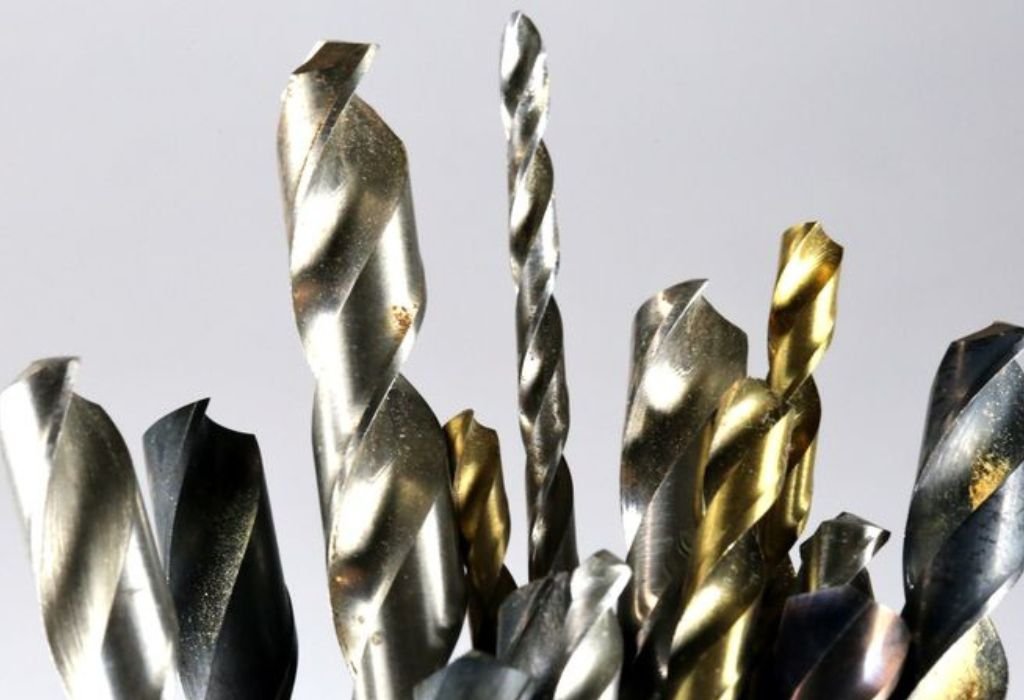
Metal drill bits are cutting tools designed specifically for drilling into hard materials like steel, iron and aluminum. Their strength comes from hardened steel or cobalt materials. These metals resist heat and pressure during drilling.
The tip of a metal drill bit is the most important part because it performs the cutting action. The shape determines how the bit starts, penetrates and continues into metal. A well shaped tip ensures smoother drilling.
Metal surfaces are hard and slippery, so the tip must grip the surface immediately. A precise point helps the bit stay centered. Center stability reduces wandering.
A metal bit tip also handles heat efficiently. The design allows heat to move along the flutes. Heat control prevents dulling.
Most metal bits follow a standard design called a twist bit. This design uses spiral flutes to remove metal shavings. Shaving removal is essential for clean drilling.
The tip shape affects drilling speed as well. Sharper points start quickly. Broader angles offer stability.
Using the wrong tip shape results in poor cutting, slipping or overheating. Proper tip identification ensures correct use.
Understanding tip shape helps you choose the right bit for the right job. This knowledge improves safety and accuracy.
How the Tip of a Metal Drill Bit Is Designed and Formed
A metal drill bit tip is shaped into a sharp cone. This cone forms a precise angle known as the point angle. A common angle is 118 degrees.
The cone shape allows the bit to focus force onto a small area. Concentrated force helps the bit pierce metal. This creates a clean entry point.
The tip contains two primary cutting edges. These edges grind through metal as the bit rotates. Each edge removes small amounts of material.
Between the two edges is a narrow chisel edge. This edge pushes material into the cutting edges. It assists the cutting process.
The tip often includes a split point where the chisel edge is divided. This reduces wandering. Reduced wandering improves control.
The surface of the tip is polished or coated. Coatings reduce friction. Lower friction improves bit life.
Some bits have more aggressive point angles for harder metals. These sharp angles cut efficiently. They penetrate quickly.
The design of the tip determines how fast and smooth the drilling feels. Proper design ensures precision. Precision leads to better results.
Different Types of Metal Drill Bit Tips and Their Uses
Standard point metal drill bits have a 118 degree angle. These are suitable for general drilling. They work well on most metals.
Split point metal bits have a sharper tip and a center split. This split reduces slipping on smooth surfaces. Beginners find split points easier to use.
Brad point bits are rare for metal but useful for thin sheet metal. The pointed center prevents tearing. These are more specialized.
135 degree angle bits are common for harder metals. This flatter angle produces slower but more controlled cutting. Controlled cutting reduces bit wear.
Cobalt bits have stronger tips for drilling stainless steel. Their tip design withstands heat. Heat resistance is essential for tough metals.
Titanium coated tips improve durability. The coating reduces friction during drilling. Reduced friction gives smoother operation.
Step bits have a stepped cone shape. They are ideal for thin sheet metal. The stepped design makes enlarging holes easy.
Different tip designs match different metal thicknesses and hardness levels. Choosing correctly prevents damage. Correct choice speeds up work.
How to Identify a Metal Drill Bit Tip Compared to Other Bits
A metal drill bit tip always has sharp cutting edges. These edges form a cone. The cone shape separates metal bits from blunt tipped bits.
Wood drill bits often have a long pointed spur. Metal bits do not have this spur. This difference makes them easy to identify.
Masonry bits have a thick carbide tip that looks flat. This flat surface is not present on metal bits. The carbide tip feels wider and rougher.
Metal drill bits have a smooth polished tip. The shine comes from hardened steel. Other bits may look rough or grainy.
The spiral flutes on metal bits are sharper and more defined. These flutes remove metal shavings. Their shape supports hard drilling.
Metal drill bit tips also feel much sharper to the touch. The cutting edges are finely ground. Sharpness indicates a metal cutting design.
The angle at the tip is precise. This precision helps the bit start accurately. Other bits have different angles.
When you compare several bits side by side, the metal bit tip looks cleaner and more pointed. Recognizing this shape improves selection.
Why Metal Drill Bit Tips Have a Split Point Design
The split point divides the chisel edge at the tip. This creates two smaller cutting areas. These areas improve cutting efficiency.
A split point prevents the drill bit from wandering on smooth metal surfaces. Wandering causes scratches and uneven holes. The split point stays centered.
Split points reduce the need for a pilot hole. Starting directly on metal becomes easier. This is helpful for beginners.
The divided tip increases cutting speed. Faster cutting reduces heat buildup. Lower heat extends bit life.
The split point also reduces downward pressure required. You do not need to push hard. Less pressure improves control.
This design produces cleaner entry points. Cleaner entries reduce damage to metal. This improves the final result.
Split points are extremely useful when drilling curved or angled metal. The bit remains stable. Stability ensures accuracy.
Overall, the split point shape makes metal drilling smoother and safer. Its design benefits all users. Beginners benefit the most.
How Cutting Edges and Angles Work on a Metal Drill Bit Tip
The cutting edges slice through metal as the bit rotates. These edges are sharpened precisely to remove thin layers of metal. Layer removal happens continuously.
The angle of the cutting edges affects how aggressively the bit cuts. Sharper angles cut faster. Flatter angles offer control.
As the edges cut, the flutes carry metal shavings away. Removing shavings prevents clogging. Clogging reduces effectiveness.
The chisel edge pushes small metal chips outward. This assists the cutting edges. This teamwork improves efficiency.
The tip angle determines how deep each cut is. Deeper cuts increase drilling speed. Shallow cuts give smoother finishes.
Metal drill bits require strong cutting edges because metal is dense. Hardened steel construction supports these forces. Strength ensures durability.
The angle at the tip must match the material hardness. Softer metals allow sharper angles. Harder metals need flatter angles.
Cutting edges and angles work together to create clean, precise holes. Understanding them helps you pick the right bit. Knowledge improves performance.
How a Metal Drill Bit Tip Prevents Skidding on Hard Surfaces
The tip design focuses downward pressure onto a small point. This helps the bit grip metal instantly. Grip prevents sliding.
Split points add extra stability by dividing contact points. Divided points reduce side movement. Reduced movement increases accuracy.
The sharp cutting edges dig into the surface gently. This creates a small anchor. Anchoring prevents the bit from drifting.
The point angle determines how quickly the bit grips. Steeper angles grip faster. Controlled gripping improves safety.
Metal bits may also have roughened surfaces near the tip. These surfaces increase traction. Traction keeps the bit aligned.
A well sharpened bit prevents slipping better than a dull one. Dull bits skid easily. Sharp bits stay stable.
Starting with slow speed prevents skidding. Slow entry reduces vibration. Vibration increases skidding.
The tip design works with technique to prevent skidding. Good tools and good method create perfect results.
Common Mistakes People Make When Identifying Drill Bit Tips
Many people confuse metal drill bits with wood bits. The presence of a spur indicates a wood bit. Metal bits never have this spur.
Some beginners assume all shiny bits are metal bits. Shine alone does not guarantee the purpose. Tip shape matters more.
People sometimes choose bits based on color alone. Colors indicate coating, not material. Coatings can be misleading.
Some mistake masonry bits for metal bits because they look strong. Masonry tips are thicker and flatter. That shape is not for metal.
Using the wrong bit leads to damage. Incorrect bits overheat quickly. Overheating dulls edges.
Another mistake is ignoring the point angle. Angles determine application. Wrong angles cause poor results.
Beginners often forget to check tip sharpness. Only sharp tips cut metal well. Dull tips struggle instantly.
Identifying bits becomes easier with practice. Comparing several bits side by side helps. Experience builds recognition.
Safety Tips for Handling Metal Drill Bits by the Tip
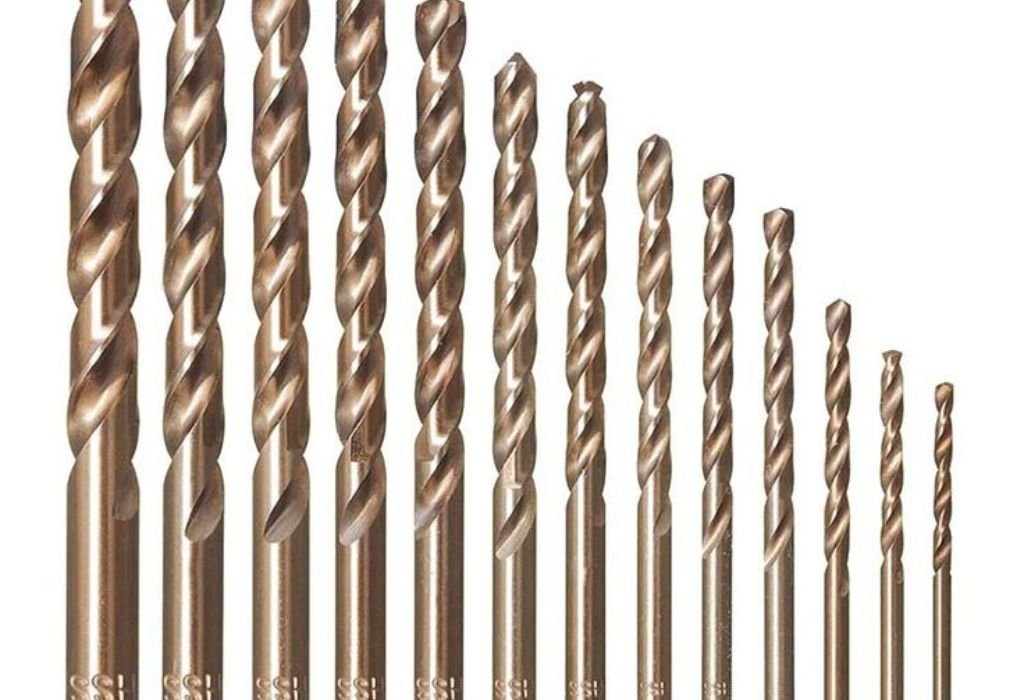
Always handle drill bits carefully to avoid cuts. The tips are sharp. Sharpness increases injury risk.
Wear gloves when organizing metal bits. Gloves protect your fingers. This is helpful when handling many bits.
Never touch the tip immediately after drilling. Metal bits get extremely hot. Hot bits can burn skin.
Store metal bits in a safe case. Cases prevent accidental hand contact. Proper storage improves safety.
Keep bits away from children. Drill tips are risky. Child safety is important.
Do not spin a bit with your fingers. The edges can cut quickly. Rotating edges are dangerous.
Check bits for cracks before using them. Cracked bits can break while drilling. Breakage causes accidents.
Safety improves when you treat all bits with respect. Careful handling prevents injuries. Awareness reduces mistakes.
Beginner Tips for Choosing the Right Metal Drill Bit Tip
Choose a bit with a split point for clean starts. Split points help beginners avoid slipping. Slipping ruins metal surfaces.
Select the correct point angle based on metal hardness. Soft metals work with standard angles. Hard metals need flatter angles.
Use cobalt bits for stainless steel. Stainless steel is tough. Cobalt handles heat better.
Look for sharp cutting edges with no chips. Damaged edges cut poorly. Always inspect before use.
Match bit size with the hole you need. Over sizing causes vibration. Proper sizing ensures smooth drilling.
Use coated bits for longer life. Titanium coatings last longer. Coatings reduce friction.
Always start with pilot holes for large sizes. Pilot holes guide larger bits. This improves precision.
Beginners benefit from practice on scrap metal. Practice builds confidence. Confidence improves accuracy.
Metal Drill Bit Tip Identification FAQs
How can I recognize a metal drill bit tip?
Look for a sharp cone shape with precise cutting edges.
What angle do metal drill bit tips usually have?
Most metal bits have a 118 or 135 degree angle.
Do metal drill bits have a spur like wood bits?
No, only wood bits have spurs.
What is a split point tip?
A split point divides the center for better stability.
Why do metal bits skid on metal?
Skidding happens if the bit is dull or the angle is wrong.
Which bits are best for stainless steel?
Cobalt bits work best.
Can I use metal bits on wood?
Yes, but they are not ideal for clean wood holes.
Do titanium coatings change the tip shape?
No, coatings improve durability only.
Why is my metal bit dull quickly?
Excess speed or heat dulls the tip.
Do all metal bits have split points?
Not all, but most modern ones do.
How do I sharpen a metal drill bit tip?
Use a bench grinder or sharpening tool.
Can metal drill bits drill plastic?
Yes, at low speed.
What does a damaged tip look like?
It appears flat, chipped or uneven.
Do metal drill bits break easily?
They break only under extreme pressure or misuse.
Should beginners start with a split point?
Yes, it is easier and safer.
Conclusion
A metal drill bit tip may look simple at first glance, but its design is full of precise engineering details that help it cut through tough materials. The sharp edges, cone shape and split point all work together to create clean, controlled holes in metal.
Once you understand how these features look and how they function, choosing the right bit becomes much easier and safer.
Learning to recognize the tip shape helps you avoid mistakes, protect your tools and improve the quality of your projects.
Beginners often feel unsure when first identifying bits, but with careful observation and practice, the shapes become easy to distinguish. A well chosen metal drill bit makes drilling smoother, faster and more accurate.
Whether you are working on a home repair, a craft project or a mechanical task, knowing what a metal drill bit tip looks like gives you confidence.
With the right knowledge, every drilling job becomes safer and more predictable. Proper understanding leads to better results and longer lasting tools.

I’m John F. Nicholas, the founder, lead writer, and drill enthusiast behind 101drill.com. With years of hands-on experience in power tools and DIY projects, I created this platform to share practical knowledge, expert tips, and real-world insights to help others master the art of drilling.