
When Sakib tried drilling into a hardened steel hinge last winter, his drill bit smoked, squealed, and eventually snapped in half.
He pushed harder, thinking more pressure would help, but the metal refused to give way. That was the moment he realized that not all metals are meant to be drilled without preparation.
Many beginners face the same problem when trying to drill into tough metal. Hard metals such as steel, brass, and copper become even harder in cold temperatures. Without softening them first, the drilling process becomes frustrating and dangerous.
Softening metal makes drilling smoother, cleaner, and safer. You protect your drill bits from breaking and avoid wasting time. Once you learn the right technique, the entire process becomes simple.
This complete guide will show you exactly how to soften different metals so they become easy to drill. Whether you are a DIY hobbyist or working on a home repair project, these methods will help you achieve perfect drilling results.
Why You Need to Soften Metal Before Drilling
Hard metals resist drilling because their surface structure becomes dense. This density creates friction against the drill bit. Excess friction generates heat and damages the bit.
Softening the metal reduces resistance. The drill bit cuts through the surface smoothly. This reduces both effort and tool wear.
Hard metal often causes drill bits to slip. This slipping increases the risk of inaccurate holes. It can also damage surrounding surfaces.
When metal is softened, the internal structure becomes more flexible. This allows the drill bit to penetrate easily. The result is cleaner holes.
Softening metal also prevents overheating. Overheated metal changes color and loses strength. Controlled softening keeps the metal stable.
Overall, softening metal ensures accuracy and protects equipment. It makes the entire drilling process more manageable.
How Metal Hardness Affects Drilling Performance
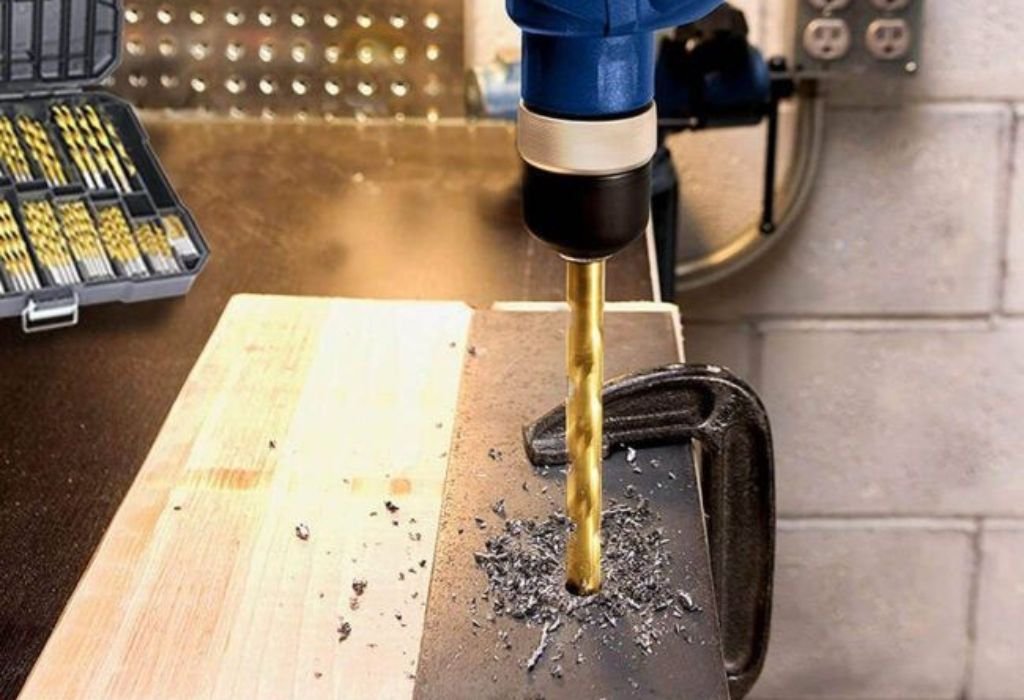
Hard metals have tightly packed molecules. These molecules resist cutting motion from drill bits. The bit grinds instead of cutting.
Grinding action dulls the bit quickly. A dull bit causes further heating. This creates a cycle of damage.
Hardness also increases vibration during drilling. Excess vibration makes the hole uneven. It can force the bit to shift unexpectedly.
Softened metal absorbs vibrations more effectively. This results in smoother drilling. It also improves control and reduces effort.
High hardness increases pressure needed to drill. Excess pressure can break thin drill bits. This becomes costly for repeated projects.
Softening metal is the best way to avoid these problems. It improves both performance and accuracy.
Why does drilling hard metal feel difficult?
The hardness resists cutting and increases friction.
Do hardened surfaces damage drill bits?
Yes, they dull bits quickly and can snap them.
Does softening metal reduce vibrations?
Yes, softer metal absorbs vibration better.
Can metal be too hard to drill without softening?
Yes, especially tool steel and hardened hinges.
Does hardness affect drilling speed?
Yes, hard metals require slower speed and more pressure.
Understanding Annealing and How It Softens Metal
Annealing is the process of heating metal to a controlled temperature. The heat changes the internal structure of the metal. This reduces hardness and increases flexibility.
During annealing, metal becomes easier to shape or drill. The softened structure allows drill bits to cut instead of grind. This makes the hole cleaner and more controlled.
Annealing also removes stresses inside the metal. Stress can cause cracking or breakage during drilling. Reducing stress improves safety.
Every metal has a specific temperature range for softening. Too much heat can destroy the structure. Too little heat does not soften enough.
Slow cooling is an important part of annealing. Cooling too fast causes the metal to harden again. Controlled cooling keeps the metal soft.
Understanding annealing helps you prepare metal correctly. This makes drilling faster and safer.
Tools Needed to Soften Metal Safely
You need basic heat tools for softening metal. A propane torch is often the most convenient choice. It provides strong, controlled heat.
A butane torch can also work for small metal pieces. It heats slowly but safely. This is useful for delicate tasks.
Heat resistant gloves are important for protection. Heated metal remains hot long after the flame is removed. Gloves prevent burns.
A metal vise holds the piece securely. Movement during heating can cause uneven results. A stable grip ensures consistent heat.
A stainless steel container helps with slow cooling. It retains heat longer. This encourages proper annealing.
Always keep a safe working area. Heating tools require ventilation. Proper space ensures safe operation.
Do I need a special torch for annealing?
No, propane is enough for most household metals.
Can I soften metal without flame?
Certain metals can be softened chemically, but heat is most common.
Is a vise necessary?
Yes, it stabilizes the metal for even heating.
Do gloves protect against high heat?
Yes, they prevent accidental burns.
Can pliers hold metal instead of a vise?
Only for small pieces, but a vise is safer.
Step by Step Guide to Annealing Metal for Drilling
Start by cleaning the metal surface. Dirt affects heat distribution. Clean metal heats more evenly.
Place the metal securely in a vise. It must remain stable during heating. Movement affects softening quality.
Heat the metal using a propane torch. Move the flame in slow, even strokes. Avoid staying too long in one spot.
Watch for color changes. Most metals soften when they reach a dull red glow. This indicates correct temperature.
Remove the flame and allow the metal to cool slowly. Slow cooling keeps the structure soft. Fast cooling hardens it again.
Let the metal rest completely before handling. It must reach room temperature naturally. Now it is ready for drilling.
How to Cool Metal Safely After Heating
Cooling is as important as heating. Fast cooling hardens metal again. Slow cooling keeps it soft.
Place the heated metal in a heat resistant container. Avoid water or cold surfaces. Cold surfaces cause shock hardening.
Let the metal cool naturally. This can take several minutes or even hours. Patience ensures proper softness.
For larger metal pieces, burying them in sand works well. Sand retains heat. This promotes slow cooling.
Do not move the metal during cooling. Movement affects internal structure. Stability improves final quality.
After cooling, check the temperature with gloves. Never touch metal directly. Residual heat can cause burns.
Can I quench heated metal in water?
No, water hardens the metal again.
Why is slow cooling important?
It maintains the softened internal structure.
Can I cool metal in air?
Yes, air cooling is safe and effective.
Is sand cooling better?
Yes, sand slows the cooling process.
Can fast cooling damage the metal?
Yes, internal cracks may form.
Testing Metal Softness Before Drilling
Tap the metal lightly with a punch tool. Softer metal dents more easily. Hard metal resists indentation.
Use a file to test the surface. A file glides smoothly on softened metal. Hard metal feels rougher.
Press the drill bit gently onto the surface. If it bites quickly, the metal is soft enough. If it slides, further softening is needed.
Check color changes after heating. Properly softened metal loses the bright glow slowly. Fast fading indicates shallow heating.
Test the metal edge for flexibility. Softer metal bends slightly under pressure. Hard metal stays rigid.
Testing ensures successful drilling. It confirms the metal is ready.
Common Mistakes When Softening Metal for Drilling
One common mistake is overheating the metal. Too much heat weakens structure permanently. Proper temperature control is essential.
Another mistake is cooling too quickly. Water or cold surfaces harden the metal instantly. This reverses the softening process.
Failing to clean metal before heating creates uneven softening. Dirt blocks heat. Clean surfaces improve results.
Some people heat only one side of the metal. This causes uneven softness. Always heat evenly.
Using the wrong torch reduces effectiveness. Weak flames take too long. This wastes time and energy.
Avoiding these mistakes improves softening quality. It ensures smooth drilling.
Does overheating damage metal?
Yes, it reduces strength permanently.
Is uneven heating a problem?
Yes, it creates inconsistent softness.
Can dirty metal soften properly?
No, dirt blocks heat transfer.
Should both sides be heated?
Yes, even heating improves results.
Does low flame make softening harder?
Yes, it slows the annealing process.
How Different Metals React to Softening Heat
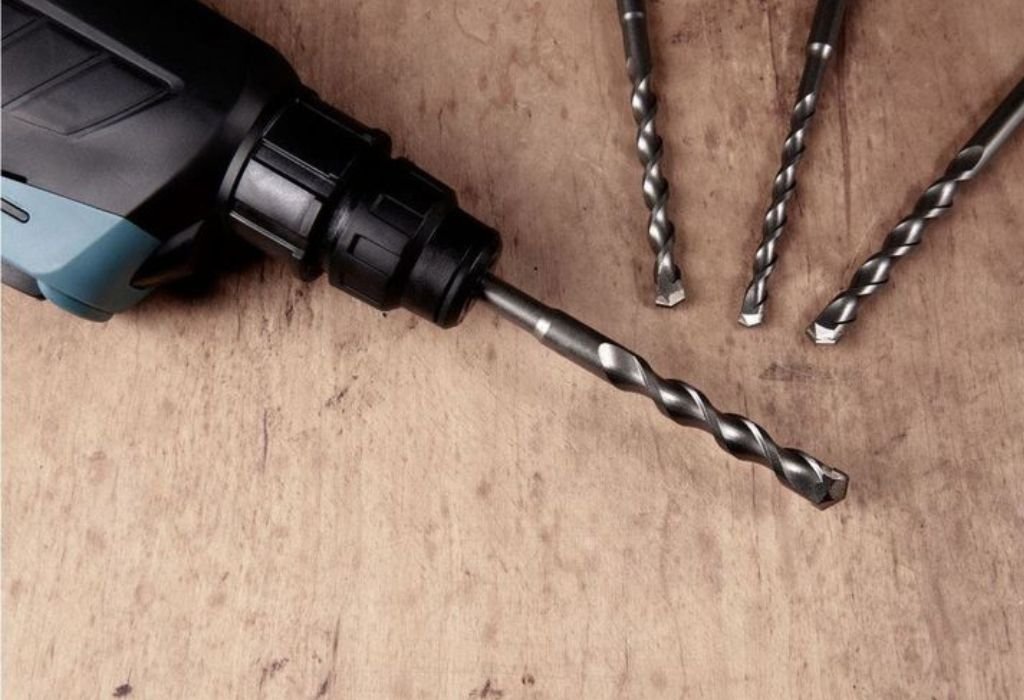
Steel requires higher heat to soften. It glows red before reaching the correct temperature. Proper control prevents structural damage.
Copper softens quickly. It requires less heat. Overheating can melt surface layers.
Brass reacts differently. It must be heated slowly. Sudden heat causes splitting.
Aluminum softens at lower temperatures. It does not change color easily. Temperature control is important.
Iron absorbs heat well. It stays hot longer. Slow cooling ensures deep softening.
Every metal needs different care. Understanding each type improves success.
Final Safety Tips for Drilling Softened Metal
Always wear protective gloves. Heated metal stays hot long after heating. Gloves prevent injury.
Use sharp drill bits. Soft metal drills easily with sharp tools. Dull bits create friction.
Keep drill speed moderate. Too much speed overheats the metal again. Heat alters metal behavior.
Apply cutting oil during drilling. Oil reduces friction. It keeps the surface smooth.
Secure the metal properly. Movement causes inaccurate holes. Proper support ensures stability.
Softened metal drills easily. Proper preparation ensures perfect results.
Conclusion
Softening metal before drilling makes the entire process faster, cleaner, and safer. By understanding annealing and using the correct tools, you can turn hard metal into an easily workable surface.
With careful heating and slow cooling, the internal structure becomes flexible enough for smooth drilling.
Proper softening protects both your drill bits and the metal itself. It prevents overheating, reduces vibration, and ensures clean hole formation. Whether you are working with steel, brass, or copper, the right softening method ensures consistent results.
With practice, softening metal becomes a simple and reliable technique. It improves accuracy and reduces tool wear. Preparing metal correctly before drilling is one of the smartest steps in any DIY or workshop project.

I’m John F. Nicholas, the founder, lead writer, and drill enthusiast behind 101drill.com. With years of hands-on experience in power tools and DIY projects, I created this platform to share practical knowledge, expert tips, and real-world insights to help others master the art of drilling.