
Drilling into metal may look simple until you hear the dreaded snap of a broken drill bit, leaving half of it stuck inside the material.
Most people don’t realize that metal reacts very differently than wood or plastic, requiring controlled speed, proper lubrication, and steady technique.
I once watched someone break three bits in a row while trying to drill a single hole because all he relied on was raw force, not method.
Metal has density, hardness, and resistance that must be approached slowly and carefully. If the bit overheats even slightly, it becomes weak and brittle, making breakage almost guaranteed.
When too much pressure is used, the bit bends microscopically and eventually snaps under the rotating force.
There is nothing worse than having a half-finished project, a stuck drill bit, and wasted time due to a simple mistake. But the good news is that preventing broken bits is not difficult once you understand the right steps.
With proper preparation, correct bits, and controlled drilling speed, you can drill clean and accurate holes into metal every time.
This guide will break down every detail needed to protect your drill bits and achieve smooth drilling. Whether you’re working on thick steel, aluminum, iron, or stainless steel, the same safe techniques apply.
Once you learn these methods, your drill bits will last longer, stay sharper, and perform far better without unexpected breakage.
Why Drill Bits Break When Drilling Into Metal
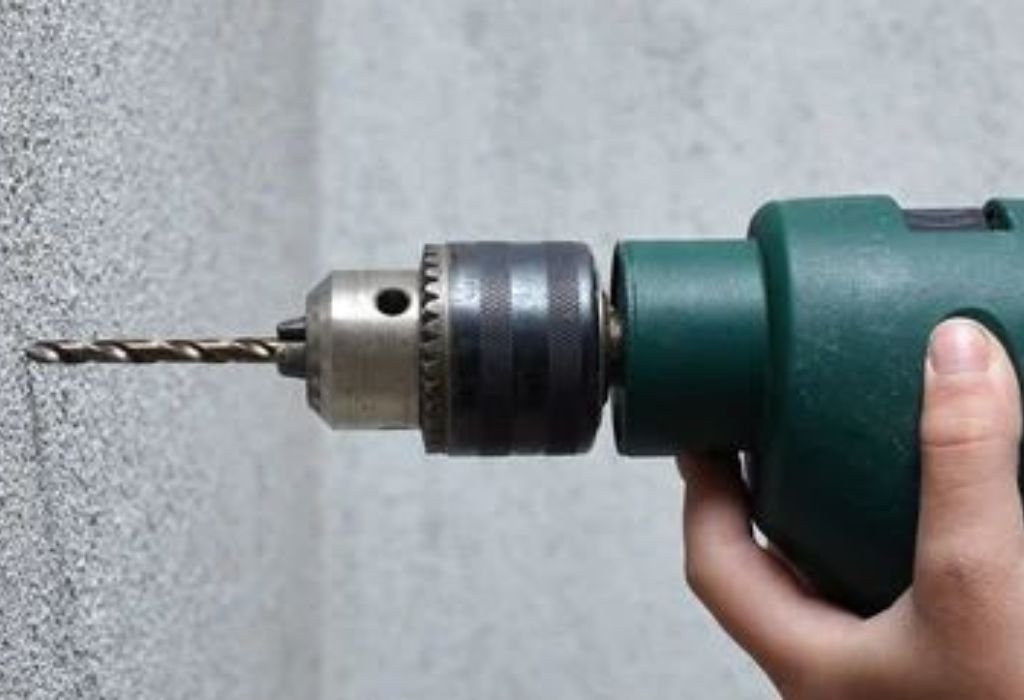
Drill bits often break because too much pressure is applied while drilling into a hard surface. When a user forces the bit downward, the bit bends slightly, and this bending creates tension that eventually snaps the metal.
Many beginners assume pushing harder helps the drill cut faster, but with metal, more pressure actually increases the risk of breakage.
Overheating is another major reason bits fail during metal drilling. Metal generates heat quickly, and when combined with high drilling speed, the bit’s cutting edges become extremely hot.
Excess heat softens the drill bit’s material, making it fragile and prone to snapping under rotation.
The wrong type of drill bit also plays a role in breakage. Wood bits or cheap non-metal bits cannot handle the hardness of metal and break easily. Even metal bits that are too small can twist under pressure and snap since thin bits are more delicate.
Incorrect drilling angles can stress the bit as well. If the drill is tilted even slightly, the bit enters the metal unevenly and experiences sideways torque. This sideways force causes immediate stress on the drill bit’s spine, leading to breakage.
Metal hardness varies greatly, and drilling into steel requires far more technique than drilling into aluminum. Beginners often underestimate this difference and use the same method for all metals. This mistake causes many drill bits to wear out or break prematurely.
Finally, skipping steps like lubrication or pilot holes increases friction and resistance. Without lubrication, the bit grinds against the metal instead of cutting, raising the chance of snapping. All these factors combine to create a perfect situation for broken bits unless corrected.
Tools and Materials Needed for Safe Metal Drilling
Using the correct tools makes drilling smooth and prevents drill bit breakage. A variable-speed drill is essential because metal must be drilled slowly to prevent heat buildup and bending stress. Adjustable speed helps maintain full control over the drilling process without forcing the bit.
Cobalt drill bits are ideal because they resist heat and stay sharp longer. HSS bits are acceptable for softer metals, but cobalt bits perform better on tough steel or stainless steel.
Titanium-coated bits are also a good choice because they reduce friction and help maintain cooler cutting temperatures.
Cutting oil or lubrication is critically important for safe metal drilling. Lubrication prevents the bit from overheating and reduces wear on the cutting edges. A few drops of oil can dramatically increase drill bit lifespan and decrease breakage.
Clamps help stabilize the metal piece and stop it from shifting during drilling. When metal moves even slightly, the bit becomes misaligned and experiences extra stress. Clamping ensures the drill enters the metal cleanly and smoothly.
A center punch and hammer help create an indentation that guides the drill bit. This prevents the bit from slipping on the smooth metal surface at the beginning of drilling. Slipping can bend the bit instantly and cause breakage before the hole even starts.
A wooden backing surface also helps by providing stability underneath the metal. The wood supports the bit when it breaks through the bottom layer, preventing snagging. Proper setup of your tools ensures that drilling remains safe and controlled from start to finish.
Why do drill bits snap at the start of drilling?
Because the bit slips on the surface and bends, causing immediate stress.
Are cobalt drill bits necessary for metal?
They are highly recommended because they resist heat and last longer.
Does cutting oil really prevent breakage?
Yes, lubrication keeps the bit cool and reduces friction dramatically.
Can I drill metal without a clamp?
It is possible, but very risky because movement increases breakage chances.
Why shouldn’t I use wood drill bits for metal?
Wood bits are not designed for metal hardness and will snap easily.
Choosing the Right Drill Bit for Metal
Choosing the right drill bit determines how smoothly you can drill into metal without damaging the bit.
Cobalt drill bits are considered the strongest option because they maintain hardness even under extreme heat. These bits are ideal for tough metals like stainless steel or heavy carbon steel.
Titanium-coated bits offer an extra layer of heat resistance and glide smoothly through metal surfaces. They work well for moderate metal types like aluminum or mild steel. The titanium coating also helps extend the bit’s lifespan by reducing friction.
High-speed steel (HSS) bits are effective for light-duty drilling and thin metal sheets. However, they are more likely to dull quickly when used on harder metals. Using HSS bits on the wrong metal type is a common cause of breakage.
Step drill bits are excellent for creating larger holes in metal because they cut gradually. Each step increases the diameter slowly, reducing stress on the bit. This method prevents sudden pressure that could snap a twist bit.
Choosing the correct diameter is also important because thinner bits break more easily. Smaller bits require extremely gentle pressure and careful technique to avoid snapping. Starting with a pilot hole helps reduce stress on larger bits and guide them accurately.
Different metals respond differently to drill bits, so always match the bit type to the material. Stainless steel demands cobalt or titanium bits, while aluminum can be drilled easily with HSS bits. When you choose the right bit, drilling becomes smoother and safer overall.
How to Prepare Metal Before Drilling
Proper preparation prevents drill bits from breaking and ensures clean, precise holes. Start by cleaning the metal surface to remove dirt, grease, or rust that may interfere with drilling. A clean surface allows the drill bit to maintain consistent pressure.
Mark the drilling point clearly using a permanent marker. Accurate marking ensures the drill enters the metal exactly where intended. This also helps avoid drilling mistakes that could damage the project.
Using a center punch is one of the most critical steps in preparing metal. The punch mark holds the drill bit in place and prevents slipping. Without this indentation, the bit can skate across the surface and bend before cutting.
Clamp the metal securely to prevent movement during drilling. Even the slightest vibration can misalign the bit and cause breakage. Clamps provide stability, keeping the drill bit straight and controlled.
Place a wooden board under the metal to provide support. This backing helps the drill bit exit smoothly without catching or ripping the metal. Wood also helps distribute pressure evenly across the surface.
Finally, ensure your workspace is stable, well-lit, and free of clutter. A comfortable and secure drilling environment reduces accidental movements. Proper preparation sets the foundation for safe, break-free drilling.
Step-by-Step Method to Drill Metal Without Breaking Bits
Begin by positioning the drill bit directly over the center punch mark. Hold the drill firmly with both hands to maintain complete control. Start drilling at the lowest speed to prevent slipping or bending.
Apply very light pressure during the initial cutting phase. Let the drill bit gradually grind into the metal without forcing it downward. Metal drilling depends on slow, controlled cutting instead of aggressive pressure.
Once the bit has created a small indentation, maintain steady forward motion. Increase speed slightly only if the bit is cutting smoothly. When resistance increases, reduce speed to avoid stress on the bit.
Lubricate the bit regularly to keep it cool. A few drops of oil reduce heat buildup and friction significantly. Overheated bits become brittle and break more easily, so cooling is essential.
Drill straight and avoid tilting the drill at any angle. Tilting creates sideways torque and can snap the drill bit instantly. Keep your wrists firm and maintain a perpendicular angle to the metal surface.
As the bit approaches the bottom layer of the metal, reduce pressure even further. Breaking through the bottom layer too forcefully can snag the bit. Slow exit prevents both snagging and sudden breakage.
Should I drill metal fast or slow?
Always slow, because high speed increases heat and breakage.
What happens if I press too hard?
The bit bends microscopically and eventually snaps under pressure.
Is a pilot hole required?
Yes, it reduces stress and guides the larger bit smoothly.
Why does my drill bit overheat so fast?
Because you are drilling too fast or not using lubrication.
How do I know if my bit is cutting correctly?
You should see small metal shavings and feel steady cutting, not grinding.
How to Prevent Overheating While Drilling Metal
Overheating is the number one cause of drill bit breakage during metal drilling. Metal generates heat quickly because of friction between the bit and surface. Using a slow drilling speed helps reduce the heat buildup significantly and protects the bit.
Lubrication prevents overheating by reducing friction. Cutting oil, WD-40, or even motor oil can keep the bit cool. Apply lubrication regularly, especially when drilling harder metals.
Pausing every few seconds allows heat to dissipate naturally. Short breaks prevent the drill bit from reaching a temperature where it becomes brittle. This pause also helps maintain a smooth rhythm while drilling.
Keeping the drill bit sharp also reduces heat because dull bits require more pressure. Increased pressure generates more friction, which leads to excessive heat. Sharp bits glide through metal more easily and stay cooler.
Using the correct drill bit for the type of metal helps control heat levels. Cobalt bits perform best for tough metals because they resist heat by design. Choosing the wrong bit increases overheating and wear.
Always monitor the temperature of the bit during drilling. If the bit becomes too hot to touch, allow it to cool before continuing. Controlling heat ensures the bit remains strong and avoids breakage.
How to Reduce Pressure and Prevent Bit Stress
To prevent drill bit breakage, limiting downward pressure is essential. Pressing the drill bit too hard forces it to bend slightly, creating stress that leads to snapping. Instead of pressing, allow the drill bit to do the work naturally.
Use both hands to stabilize the drill and distribute pressure evenly. One hand should hold the drill handle, and the other should guide the top back portion. This balanced grip prevents sudden movements that could stress the bit.
Maintain a straight drilling angle at all times. Even a slight tilt increases sideways force, which causes bending or breaking of the drill bit. Keeping the drill perpendicular ensures consistent pressure along the bit.
Start drilling with minimal force during the initial entry. Once the bit penetrates the metal, maintain gently increasing pressure. Too much force too early causes immediate stress on small-diameter bits.
Avoid drilling continuously without pauses because consistent pressure causes heat buildup. Heat weakens the metal structure of the drill bit and makes it more fragile. Allowing brief cooling moments reduces stress both on the bit and the metal surface.
Using the right drill bit size helps reduce pressure requirements. Larger bits need pilot holes to avoid being forced through the metal. Pilot holes minimize stress and help create cleaner results.
Why does too much pressure break drill bits?
Because excessive force bends the bit and causes stress fractures.
How do I know if I’m pressing too hard?
If the drill slows down or squeals, you’re applying too much pressure.
Does angle matter while drilling metal?
Yes, drilling at an angle increases sideways torque and snaps bits.
Is slow drilling safer?
Absolutely, slow drilling reduces stress, heat, and breakage risk.
Do I need two hands for drilling metal?
Yes, two hands provide better stability and controlled pressure.
Supporting the Workpiece to Reduce Vibrations
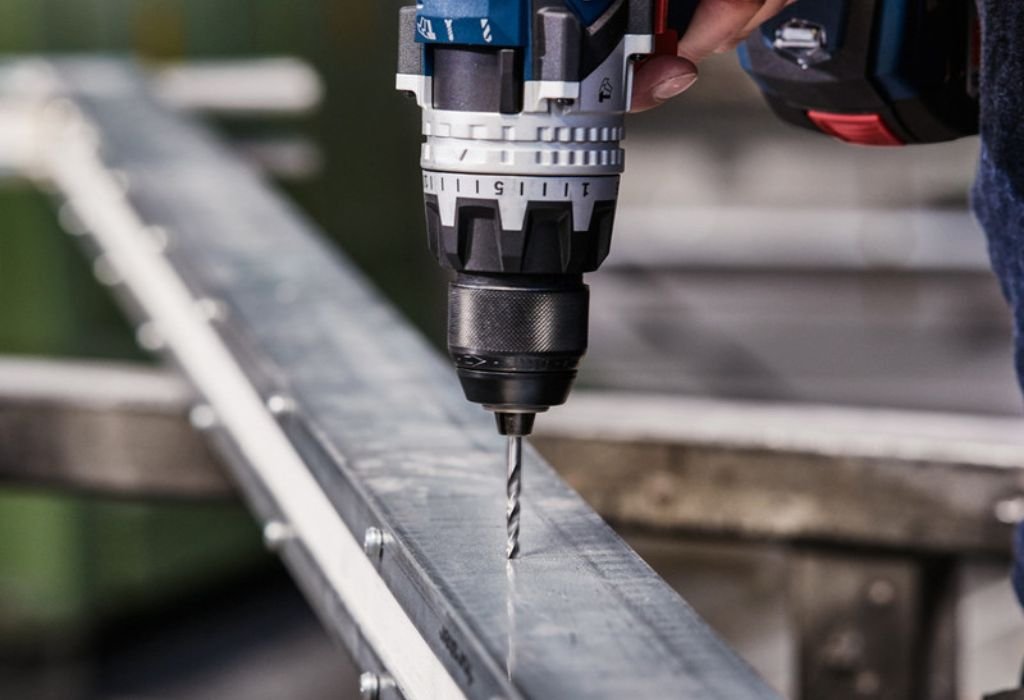
Vibration is one of the biggest causes of stress on drill bits during metal drilling. When metal vibrates, the drill bit loses alignment and becomes stressed. Supporting the metal properly minimizes these movements and keeps the bit safe.
Placing the metal on a wooden board provides essential backing support. Wood helps absorb vibrations while keeping the metal flat and steady. This stable platform reduces the chance of uneven drilling.
Clamping the metal securely prevents shifting during drilling. Even slight movement can bend the bit or misalign the hole. Clamps hold everything in place to ensure smooth, controlled drilling.
For small metal pieces, using double-sided tape can help add additional stability. The tape helps keep the metal in place long enough to start drilling safely. This method works best with lightweight sheets.
Using rubber mats between the metal and wood adds extra grip. Rubber absorbs vibration and prevents the metal from sliding. This helps maintain consistent pressure on the drill bit.
Supporting the edges of the metal is important because edges bend easier. Use extra padding around thin or weak edges to prevent downward force. Proper edge support improves drilling accuracy.
Always test stability before drilling by applying light pressure with your hand. If the metal moves even slightly, secure it further. A well-supported workpiece ensures fewer mistakes and longer drill bit life.
Testing Bit Condition and When to Replace It
A drill bit in poor condition is far more likely to break when drilling metal. Checking your bits before use helps prevent unexpected snapping during drilling. Inspect the bit’s cutting edges to see if they are worn, dull, or chipped.
If the bit appears discolored, especially blue or purple, it has overheated. Overheated bits lose hardness and become brittle, making them easy to break. Using such bits on metal is dangerous and should be avoided.
When drilling, if you notice excessive squealing or vibration, the bit may be dull. Dull bits require more pressure, which increases stress on the bit and the metal. This extra pressure can cause the bit to snap during use.
Bent drill bits should never be used because they create uneven rotation. Uneven rotation puts immediate torque on the bit and leads to breakage. Always discard bent bits to avoid damaging your project or drill.
If the bit struggles to cut and instead grinds against the metal, it needs replacement. Grinding indicates that the cutting edges have become too dull to function properly. Continuing to use such bits will only increase the risk of breakage.
Keeping your drill bits clean and properly stored helps extend their lifespan. Dirt and corrosion can weaken the bit over time. Maintaining bits ensures safer and smoother drilling.
Common Mistakes to Avoid When Drilling Into Metal
One of the biggest mistakes is drilling at a high speed. High RPM creates excessive heat which softens and weakens the drill bit. This often leads to snapping, especially when drilling into harder metals.
Using the wrong drill bit type is another common error. Wood or multipurpose bits are not designed for metal and will break easily. Always use metal-rated bits such as cobalt or titanium.
Applying too much pressure instead of letting the drill bit cut naturally is a frequent issue. Excessive force causes the bit to bend and eventually snap. Metal should be drilled slowly with controlled pressure.
Not using lubrication increases friction and heat. Without lubrication, the drill bit wears out quickly and becomes brittle. A few drops of oil can significantly reduce breakage.
Skipping the pilot hole also creates problems because large bits need guidance. Without a pilot hole, large bits grab the metal aggressively and break. Starting with a small bit makes drilling safer and smoother.
Ignoring proper workpiece support leads to vibration and misalignment. Unstable metal increases torque on the drill bit, causing breakage. Secure clamping and backing are essential steps for safe drilling.
Conclusion
Drilling into metal without breaking your drill bits is entirely possible when you apply the correct technique, speed, and preparation.
Most bit breakage happens because of excessive pressure, high speed, lack of lubrication, or using the wrong bits, all of which are simple issues to fix.
When you use cobalt or titanium bits, start slowly, apply light pressure, keep the metal stable, and lubricate regularly, your drill bits stay protected and last far longer.
Understanding how metal reacts to drilling helps reduce mistakes and improve results. Clean holes, safe drilling, and long-lasting bits all come from using slow RPM, knowing when to pause, and keeping the drill angle straight.
With these steps, you can drill confidently into any metal surface without worrying about snapping your bits or damaging your project.

I’m John F. Nicholas, the founder, lead writer, and drill enthusiast behind 101drill.com. With years of hands-on experience in power tools and DIY projects, I created this platform to share practical knowledge, expert tips, and real-world insights to help others master the art of drilling.