
Drilling holes in galvanized metal seems simple until the drill bit slips, overheats or begins peeling the zinc coating that protects the steel.
The melted zinc can burn away the corrosion protection and leave the metal vulnerable to rust, which makes the drilling process much more delicate than working with plain steel. These challenges matter even more when the hole must remain structurally clean and rust resistant.
Many beginners assume galvanized metal drills exactly like stainless steel or mild steel, but the zinc layer behaves differently under heat.
It softens quickly and can flake or smear if drilled too fast, causing rough edges or coating damage that affects long term durability. Once the coating is compromised, the exposed steel begins to corrode faster than expected.
Galvanized steel is widely used in outdoor structures, HVAC systems, fences, utility boxes and construction hardware. The zinc layer shields the underlying metal from rain, air and environmental moisture.
Drilling must therefore protect this layer as much as possible to preserve the metal’s resistance to corrosion.
Before beginning the drilling process, it is important to understand the heat sensitivity of the zinc coating.
Zinc melts at a lower temperature than steel, which means the drill bit can overheat the coating even when the steel remains cool. Slow speed, cooling pauses and lubrication are essential for preventing burning.
Proper surface preparation also influences the quality of the drilled hole. Marking the hole, punching a guide point and clamping the surface prevent slipping or scratching during drilling.
Without these steps, the drill bit may skate across the surface and damage the protective zinc layer.
This guide covers everything you need to drill holes in galvanized metal cleanly and safely. You will learn about bit selection, speed control, lubrication, preparation and finishing techniques. By following these methods, you can drill smooth holes without damaging the metal’s rust resistant coating.
What Makes Galvanized Metal Different to Drill
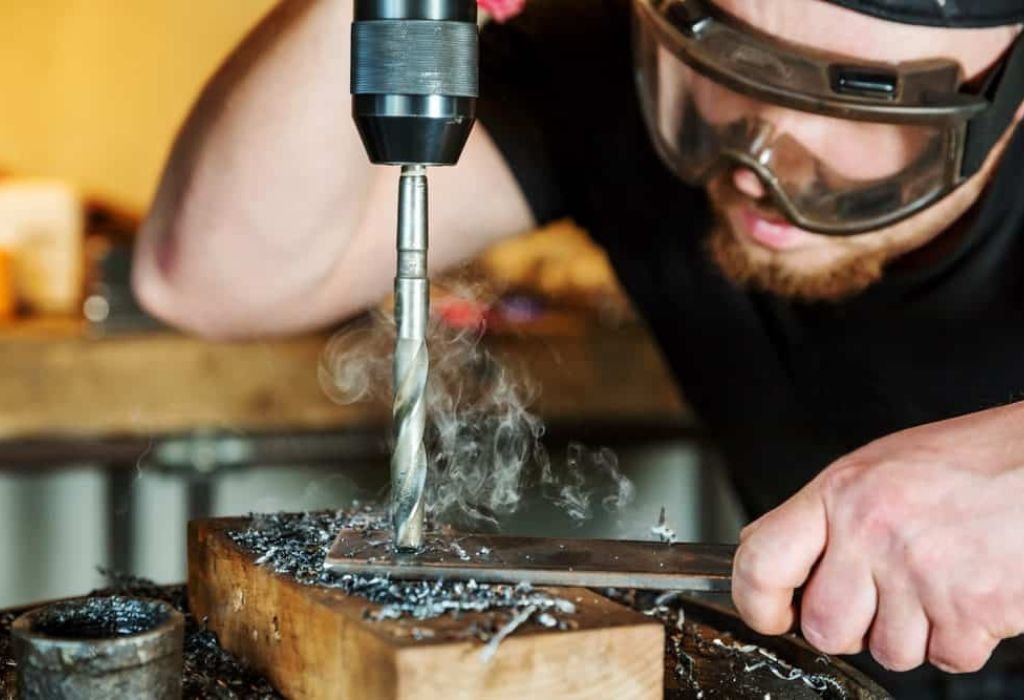
Galvanized metal is steel coated with a protective layer of zinc, designed to prevent corrosion when exposed to environmental moisture.
This zinc layer is softer than steel and reacts differently when exposed to heat from drilling. The combination of hard steel and soft zinc requires special drilling techniques for clean results.
The zinc coating melts at a relatively low temperature. When drilling generates too much heat, the coating burns, smears or peels, exposing bare steel underneath. Excessive heat also causes more burrs and uneven edges.
Galvanized metal also forms unique burrs because of the coating. The zinc layer can tear or shred if drilled without proper lubrication. This tearing leads to jagged openings that compromise the hole’s structural integrity.
The protective layer also affects how drill bits behave. Bits may slip more easily on galvanized surfaces due to reduced friction at the start of drilling. A good center punch helps prevent slipping during initial drilling.
Zinc fumes can be harmful when overheated. Extreme heat releases fumes that require proper ventilation and protective equipment. Reducing heat prevents fume production and protects your health.
The combination of these factors is why galvanized steel requires slow, controlled drilling. Understanding these properties ensures clean holes, minimal coating damage and better long term protection. Proper drilling extends the lifespan of the galvanized metal.
Why Special Care Is Needed When Drilling Galvanized Metal
Drilling galvanized metal requires extra care because the zinc coating can be easily damaged. The coating is essential for preventing corrosion and must remain intact as much as possible. Improper drilling exposes the steel and shortens its lifespan.
One major concern is coating burn. Zinc melts quickly and can overheat when the drill bit rotates too fast. A burnt coating leaves visible brown marks and weakens protection.
Zinc peeling is another common problem. If the drill bit grabs too aggressively, the zinc layer may peel off around the hole. This peeling leaves uneven surfaces and weakens the corrosion barrier.
Toxic fumes are also produced when zinc overheats. Fumes from overheated galvanized metal can irritate the throat and lungs. Drilling slowly reduces this risk significantly.
Maintaining corrosion resistance is a primary goal. Damaged zinc exposes the steel to rust, especially in outdoor or humid environments. Careful drilling preserves the protective coating.
Special care also reduces burr formation. Jagged burrs can cut wires, wear down fasteners or cause injuries. Smooth drilling techniques minimize sharp edges and improve work quality.
Tools Needed to Drill Holes in Galvanized Metal
A set of metal rated drill bits is the first requirement. High speed steel bits work for thin galvanized steel, while cobalt bits work best for thicker or tougher metals. These bits handle heat better and stay sharp longer.
Cobalt drill bits are ideal for clean drilling. They resist heat and reduce the chance of zinc smearing. Their durability makes them suitable for repeated use.
Step drill bits are excellent for thin galvanized sheets. They enlarge holes gradually and reduce tearing of the zinc layer. Their stepped design ensures smooth cutting transitions.
Cutting oil is essential to control heat. Galvanized metal must stay cool to protect its coating. Lubrication reduces friction and keeps drilling smooth.
A drill press or a steady hand drill can be used. A drill press provides consistent pressure and accuracy. A hand drill works well when clamped securely and operated slowly.
Clamps and safety gear complete the tool list. Clamps prevent movement during drilling, and safety gear protects you from flying zinc chips. Good stability ensures clean hole formation.
Choosing the Right Bit for Galvanized Metal
High speed steel bits are adequate for general drilling in thin galvanized sheets. They are affordable and work well when used at slow speed. Proper lubrication improves their performance.
Cobalt bits are the best choice for thick galvanized steel. Their heat resistance helps prevent zinc burning and peeling. Cobalt bits produce clean, smooth holes with less effort.
Titanium coated bits offer reduced friction. The coating helps keep the bit cooler and prevents sticking. These bits last longer when drilling softer galvanized coatings.
Split point bits reduce wandering. Their sharp tip cuts immediately without slipping on the coating. This helps maintain accurate hole placement.
Pilot holes are recommended before using larger bits. A small pilot hole reduces strain on the main bit. It also prevents rough tearing of the zinc layer.
Durability is important when drilling galvanized steel. Zinc can cling to dull bits and create uneven cutting. Choosing a sharp, heat resistant bit improves drilling quality.
Preparing Galvanized Metal Before Drilling
Begin by cleaning the surface of the galvanized metal. Dirt, oil and debris reduce drilling accuracy and can cause slipping. Clean metal improves bit contact and overall finish.
Mark the location of the hole precisely. Use a dark marker or scribe to create a clear guide. Proper marking ensures that the hole remains aligned with your project needs.
Use a center punch to create a small indentation. This indentation prevents the bit from slipping across the zinc coating. A clean punch mark is essential for accurate drilling.
Clamp the metal securely before drilling. Movement during drilling damages the coating and causes uneven cuts. Proper clamping ensures stability throughout the process.
Add cutting oil to the surface before drilling. Lubrication helps protect the zinc layer from burning. It also reduces friction and keeps the drill bit cool.
Thick and thin galvanized metal require different preparation. Thick metal needs a deeper punch, while thin metal should be punched lightly. This prevents distortion in delicate sheet metal.
Step by Step: How to Drill Holes in Galvanized Metal
Start by drilling a small pilot hole. The pilot hole creates a guide for the main bit. It also reduces stress on the drill bit during cutting.
Align the drill bit directly above the pilot hole. Hold the drill straight to avoid angled cutting. Proper alignment improves accuracy and smoothness.
Use slow speed when drilling galvanized metal. Low rpm prevents overheating and zinc damage. Fast rotation increases friction and smears the coating.
Apply cutting oil frequently to keep the metal cool. Lubrication helps protect both the bit and the galvanized surface. Add oil again when the drilling sound changes.
Deepen the hole gradually using steady pressure. Let the bit cut naturally without forcing it. Controlled cutting prevents tearing of the zinc coating.
Clean chips often to prevent clogging. Zinc coated chips may stick to the bit and slow progress. Blowing or brushing them away keeps drilling smooth.
How to Drill Large Holes in Galvanized Metal
Step drill bits are ideal for creating large holes in thin galvanized sheets. Their stepped design removes metal gradually. This prevents tearing and protects the coating.
Start with a pilot hole to guide the step bit. A pilot hole keeps the bit from wandering during the first cut. This improves stability and alignment.
Hole saws can also be used for larger holes. They require slow speed and plenty of lubrication. Heat control is important to prevent burning.
Cooling intervals are necessary for thick galvanized metal. Stop drilling occasionally to let both the bit and the metal cool down. Overheating weakens the zinc layer.
Preventing coating burn is essential when drilling large holes. The larger the cut, the more heat is generated. Lubrication and slow speed protect the coating.
Clean the final edges with a deburring tool. Large holes produce more burrs, which must be removed. Proper finishing smooths the opening and prevents injuries.
Using a Drill Press for Galvanized Metal
A drill press is the most accurate tool for drilling galvanized metal. It keeps the bit stable and reduces vibration. Stability ensures cleaner and more consistent holes.
Adjust the drill press to a low rpm. Low speed prevents overheating of the zinc layer. This helps preserve the protective coating.
Clamp the metal securely before drilling. Proper clamping prevents movement under the drill press. Movement leads to angle issues and coating damage.
Lower the bit slowly and steadily. Smooth downward pressure prevents chattering. Chatter produces rough surfaces and uneven holes.
Use the depth stop for consistent drilling. Depth stops prevent accidental over drilling. Controlled depth is important for precise hole formation.
Add lubrication frequently to keep the bit cool. Cooling the bit prevents zinc burning and peeling. Proper lubrication improves cutting performance.
Drilling Galvanized Metal with a Hand Drill
Hold the drill firmly with both hands. Stability reduces wandering and slipping. A steady grip improves hole accuracy.
Start drilling at the lowest speed setting. Slow speed helps the bit cut into the coating without sliding. High speed increases heat and damage.
Maintain proper drilling angle throughout the cut. Tilting the drill creates uneven holes and coating damage. Keeping the drill straight produces cleaner results.
Use consistent pressure when drilling. Forcing the drill bit may damage the coating. Letting the bit cut naturally improves smoothness.
Clear chips frequently to maintain visibility. Zinc coated chips can clog the bit if left uncleared. Clearing debris improves cutting efficiency.
Stop periodically to check progress. Frequent checks prevent over drilling and surface damage. Hand drilling requires extra attention to maintain alignment.
How to Avoid Overheating and Zinc Coating Damage
Lubrication is the most effective way to prevent overheating. Cutting oil cools the bit and protects the zinc layer. Apply oil generously during drilling.
Keep your rpm low to avoid friction heat. Fast rotation melts zinc and weakens the coating. Low speed drilling ensures clean edges.
Take cooling pauses during deeper drilling. Allow the bit and metal to cool naturally. This reduces the chance of burning or smearing.
Monitor the drilling temperature by touch or sound. If the bit squeals, it is overheating. Stop and cool before continuing.
Prevent peeling by applying steady pressure. Sudden force can rip the coating away from the steel. Smooth drilling minimizes coating damage.
Focus on clean cutting techniques. Using sharp bits and controlled speed ensures better performance. These methods keep the zinc layer intact.
Common Mistakes When Drilling Galvanized Metal
Drilling too fast is the most common mistake. High speed melts the zinc and damages the coating. Slow drilling prevents unnecessary heat.
Skipping lubrication leads to poor cutting performance. Zinc grabs dry bits and causes tearing. Cutting oil solves this problem.
Using the wrong bit results in jagged holes. Bits designed for wood or plastic will not cut metal properly. Metal rated bits are essential for clean drilling.
Not clamping the metal causes slipping or uneven cuts. Movement during drilling damages the zinc coating. Secure clamping ensures stability.
Skipping the pilot hole leads to wandering. Pilot holes guide the larger bits smoothly. This prevents coating damage and misalignment.
Forcing the drill damages both the surface and the bit. Slow steady pressure produces better results. Patience creates cleaner holes.
How to Deburr and Finish a Hole in Galvanized Metal
Use a deburring tool to remove sharp edges from the hole. Burrs compromise safety and appearance. A clean edge improves the overall finish.
Clean zinc flakes from the edges. Zinc often shreds during drilling and must be removed. Removing flakes prepares the hole for final use.
Avoid cracking the zinc coating while deburring. Use light pressure to maintain coating integrity. Aggressive deburring may peel the coating.
Smooth the edges with a file or sanding bit. A smooth opening prevents injuries and improves structural alignment. This also reduces wear on fasteners.
Re coat exposed steel if necessary. Touch up with cold galvanizing spray to restore protection. Re coating extends the metal’s corrosion resistance.
Clean the area to remove debris. Leftover chips or dust may interfere with assembly. A clean finish ensures long lasting durability.
Best Types of Galvanized Metal for Drilling
Hot dip galvanized steel is the most common type. Its thick zinc coating provides excellent rust prevention. It requires slow and careful drilling.
Electro galvanized sheets have a thinner coating. They are easier to drill and produce cleaner holes. However, they offer less corrosion resistance.
Galvannealed steel combines galvanizing and annealing. It creates a harder surface that drills very cleanly. This material is often used for automotive applications.
Aluminum zinc coated steel offers added durability. It resists heat better and produces less zinc dust. Its coating remains stable during drilling.
Structural galvanized steel behaves differently from thin sheets. Thick plates require cobalt bits and slower speed. Thin sheets need step bits and lighter pressure.
Different galvanized metals react differently to drilling. Knowing which type you are working with guides your drilling approach. Correct technique ensures clean results.
Recommended Tools and Brands for Galvanized Metal Drilling
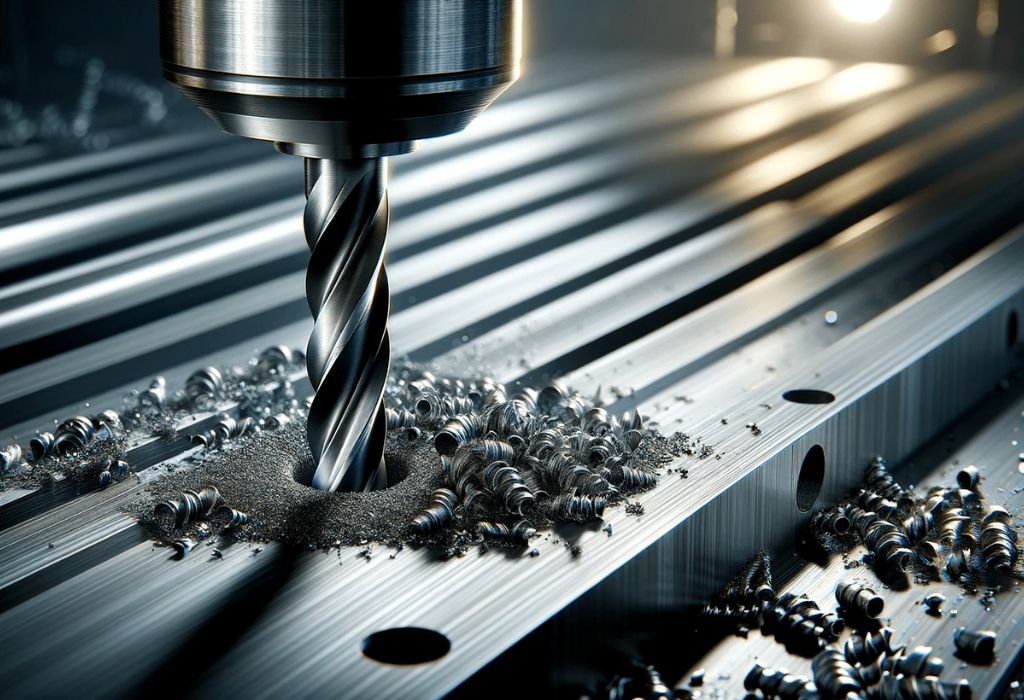
Cobalt bits from Irwin offer exceptional performance. Their heat resistance helps protect the zinc layer. These bits stay sharp for long periods.
DeWalt titanium bits reduce friction. Their coating prevents sticking during drilling. They are suitable for softer galvanized surfaces.
Step drill bits from Neiko provide the best results on thin sheets. They enlarge holes smoothly without tearing the coating. Their multi step design produces clean edges.
WEN drill presses offer reliable speed control. Controlled rpm helps maintain a cool surface. This enhances drilling accuracy and consistency.
Tap Magic cutting oil provides excellent lubrication. It reduces friction, heat and tool wear. Using high quality oil protects the zinc coating.
Clamps from Yost or Wilton ensure stability. Strong clamping prevents movement during drilling. Secure metal improves hole accuracy and surface protection.
Troubleshooting Badly Drilled Holes in Galvanized Metal
If the zinc coating burns, reduce your drilling speed. Burn marks show that the metal overheated. Slowing down protects the surface.
If the edges are rough, use a deburring tool to smooth them. Rough edges indicate high speed or dull bits. Proper finishing restores clean shape.
If the hole enlarges unexpectedly, reduce pressure. Excessive pressure causes slipping and expanding. Controlled drilling maintains hole size.
If the bit clogs with zinc, stop and clean it. Zinc buildup reduces cutting efficiency. A clean bit drills more smoothly.
If the hole is off center, improve your marking and punching technique. Misaligned holes weaken connections. Accurate punching prevents drifting.
If the coating peels, the drill bit may be too dull. Sharpen or replace the bit for smoother cutting. A sharp bit protects the coating.
Expert FAQ on Safe Drilling in Galvanized Metal
What drill bit works best for galvanized metal?
Cobalt drill bits work best because they resist heat and cut through the zinc coating cleanly. High speed steel bits also work for thin sheets. Titanium coated bits reduce friction during drilling.
Why does the zinc coating burn when drilling?
The coating burns when the drill bit rotates too fast and produces excess heat. Zinc melts at a lower temperature than steel. Slow rpm and lubrication prevent burning.
Do I need to use cutting oil on galvanized metal?
Yes, cutting oil reduces friction and keeps both the bit and coating cool. Lubrication prevents zinc peeling or smearing. It also improves bit life and hole smoothness.
Why is my drill bit slipping on the galvanized surface?
The smooth zinc coating offers low friction and causes bit wandering. A center punch indentation prevents slipping. Split point bits also help with accurate starts.
Are zinc fumes dangerous when drilling?
Yes, overheated zinc produces fumes that can irritate the throat and lungs. Drilling slowly reduces fume production. Good ventilation is always recommended.
How slow should I drill galvanized metal?
Use low rpm for all galvanized metal drilling. Slow speed prevents heat buildup and coating damage. Harder steel underneath requires even slower drilling.
Why is the zinc coating peeling around my hole?
Peeling occurs when the bit grabs too aggressively or overheats the coating. Using sharp bits, light pressure and lubrication prevents peeling. Split point bits help reduce grabbing.
Can I drill galvanized metal with a hand drill?
Yes, a hand drill works well when used at low speed with cutting oil. Clamping the metal securely is important for accuracy. A drill press gives even better stability.
How do I keep the hole edges smooth in galvanized steel?
Use slow speed, lubrication and steady pressure to minimize burrs. After drilling, use a deburring tool or file to smooth the edges. Removing zinc flakes improves finish quality.
Do I need to re coat the hole after drilling?
Yes, if the steel is exposed you should apply cold galvanizing spray. This restores corrosion protection. Proper re coating ensures long term durability.
Conclusion
Drilling galvanized metal requires slow speed, proper lubrication and careful technique to protect the zinc coating.
When these methods are followed, the hole becomes clean and smooth without damaging the corrosion resistant layer. Proper drilling ensures long lasting durability and clean structural performance.
By controlling heat and selecting the right tools, you reduce the chance of peeling, burning or weakening the zinc coating.
Clean drilling improves safety, mechanical fit and overall appearance. These techniques allow galvanized metal to remain strong and rust resistant for many years.
With practice, you will be able to drill holes in galvanized metal confidently and professionally. Taking time to prepare the surface, choose the right bits and maintain slow speed always produces the best results.

I’m John F. Nicholas, the founder, lead writer, and drill enthusiast behind 101drill.com. With years of hands-on experience in power tools and DIY projects, I created this platform to share practical knowledge, expert tips, and real-world insights to help others master the art of drilling.