
Drilling a tapered hole in metal might sound simple, but anyone who has tried it with a regular drill bit quickly realizes it is not. The hole often ends up uneven, rough or incorrectly angled, making it useless for mechanical fitment.
This becomes a bigger issue when the tapered hole must seat a fastener, pin or specialty component with precision.
Many beginners assume tapering happens automatically when pressure is applied, but metal does not cut that way.
A proper tapered hole requires a specific tool shape that controls the angle and depth evenly. Without the right bit and technique, the hole can wander, chatter or overheat.
Mechanical assemblies often depend on tapered holes for alignment and stability. These holes distribute load differently than flat or straight holes, which makes their accuracy more important. A poorly cut taper can cause parts to loosen, slip or fail under pressure.
Before drilling, it is essential to understand the purpose of the taper and choose the right bit accordingly.
There are taper-cut bits, countersinks and reamers designed specifically for this job. Selecting the correct tool ensures that you achieve both the correct geometry and surface finish.
Another key part of success is surface preparation. Marking, center punching and securing the metal help maintain control throughout the drilling process. Skipping these steps often results in off-center holes and uneven angles.
This guide walks you through everything from tool selection to troubleshooting. Whether you are working on automotive parts, metal fabrication or precision machining, the right technique will let you create clean tapered holes with confidence.
By the end of this article, you will know exactly how to drill a tapered hole safely and accurately.
What Is a Tapered Hole in Metal
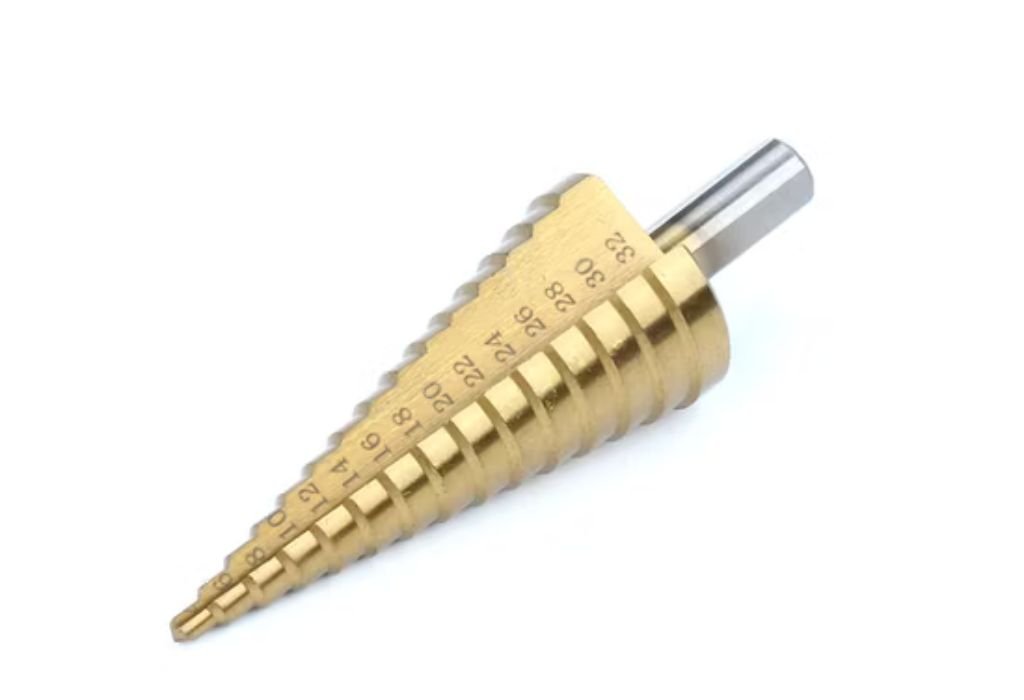
A tapered hole is a hole that becomes narrower as it reaches the bottom, creating a cone shaped interior. This shape allows certain fasteners or pins to seat securely and distribute force evenly. The taper enhances alignment and prevents movement inside mechanical assemblies.
In contrast, a straight hole has uniform diameter from top to bottom. Straight holes cannot create the locking effect that tapered holes provide. This is why many precision applications require tapered geometry.
Tapered holes come in various angles depending on the purpose. Some use shallow angles for gentle seating, while others use sharper angles for tight locking. Choosing the right taper is essential for proper hardware connection.
These holes are commonly found in automotive parts, machine components and structural assemblies. Many parts rely on the tapered shape to reduce stress concentration. Without the taper, the connection may loosen or fail under load.
Tapered holes are also used for countersinking applications. The taper allows screw heads to sit flush with the metal surface. This provides a clean finish and reduces snagging on exposed surfaces.
Understanding the difference between tapered holes and straight holes helps in selecting the right tools. Using a straight bit to drill a tapered hole will always produce poor results. Precision taper cutting tools ensure accurate geometry and smooth finishes.
Why Tapered Holes Are Used in Metalworking
Tapered holes improve alignment between two components. When a tapered pin or screw is inserted, the angled shape guides the part into perfect position. This ensures stability even under movement or vibration.
Many mechanical assemblies rely on tapered holes for load distribution. The angled surface allows force to spread across a wider area. This reduces stress on the fastener and extends the lifespan of the assembly.
Tapered holes are also used when parts must be removed and reinstalled repeatedly. The taper maintains consistent seating even after repeated use. Straight holes can wear unevenly, causing loose fitment.
Countersinking relies on tapered holes to allow screw heads to sit level with the surface. The tapered shape hides the screw and protects it from snagging. This creates a smoother and more professional finish.
In precision machining, tapered holes help position components with minimal play. Accurate positioning is important for performance and safety. Any error in taper angle can create alignment issues later.
Certain industries require tapered holes for specialty fasteners. These fasteners rely on the tapered geometry for locking strength. Using incorrect hole shapes weakens the entire structure.
Tools Needed to Drill a Tapered Hole in Metal
Tapered drill bits are the primary tools used for creating tapered holes. These bits are designed with angled sides that gradually cut the shape inside the metal. Using the correct bit angle is essential for accuracy.
Countersink bits are useful for certain types of tapered holes. These bits create smooth tapered openings near the surface. They are also used to hide screw heads inside the metal.
Reamers are essential for finishing the internal taper. Tapered reamers smooth the surface and refine the angle. They remove only a small amount of metal to perfect the final shape.
A drill press is highly recommended for drilling tapered holes. The press keeps the bit stable during cutting. Handheld drills can wobble and cause uneven taper depth.
Clamps or a vise are required to secure the metal. Movement during drilling leads to irregular tapers. Proper clamping ensures clean and accurate results.
Cutting oil is necessary for cooling the bit and reducing friction. Drilling without lubrication increases heat and dulls the tool quickly. Using oil improves the finish and maintains tool lifespan.
Choosing the Right Tapered Bit for Metal
High speed steel tapered bits are durable and suitable for most metals. They are widely available and offer good performance for general drilling. They work well for mild steel and aluminum.
Carbide tapered bits are stronger and more heat resistant. They maintain sharpness during long drilling sessions. Carbide bits are ideal for stainless steel or hardened metals.
Cobalt tapered bits are another strong option. They resist heat and wear better than standard high speed steel. These bits offer excellent performance for repeated use.
Choosing the correct angle is crucial. Different tapered fasteners require specific angles such as 60 degrees, 82 degrees or 90 degrees. Matching the angle prevents loose or improper seating.
Using reamers helps refine the taper after initial drilling. Reamers remove small imperfections left by the bit. They create the smoothest interior surface.
Most tapered bits follow standardized size charts. Using the correct size ensures that the fastener fits tightly. Choosing the wrong size results in weak connections.
Preparing the Metal Surface Before Drilling
Begin by cleaning the metal surface with a cloth. Removing dirt and oil ensures better accuracy during drilling. Clean surfaces also prevent slipping during marking.
Use a marker or scribe to mark the drilling point. Accurate marking helps you align the center punch. Precise placement is important for taper alignment.
Strike the marked spot with a center punch. This small indentation prevents the bit from wandering. A clean punch mark ensures the hole begins exactly where needed.
Clamp the metal securely using a vise. Stable clamping prevents vibration and wobbling. Without secure clamping, the taper becomes uneven.
Check that the metal sits perpendicular to the drill bit. Misalignment causes the taper to cut unevenly. Proper alignment maintains consistent angle depth.
Apply a few drops of cutting oil before drilling. Lubrication reduces friction and improves chip evacuation. It also helps maintain tool sharpness.
Step by Step: How to Drill a Tapered Hole in Metal
Begin by drilling a small pilot hole at the center punched mark. The pilot hole guides the tapered bit during cutting. It also reduces the chance of wandering.
Position the tapered bit directly above the pilot hole. Lower it slowly until it contacts the metal. Sudden pressure can cause chatter or surface damage.
Start drilling with low RPM. Slow speeds prevent overheating and tool wear. High RPM damages the tapered bit quickly.
Feed the bit gently into the metal. Controlled pressure ensures consistent taper formation. Forcing the bit creates rough surfaces.
Add cutting oil frequently to maintain cooling. Lubrication reduces friction and improves finish quality. Heat control is essential for accurate taper shapes.
Check the depth regularly using a gauge. Taper depths vary depending on the hardware. Accurate depth ensures secure seating.
How to Use Countersink Bits for Tapered Holes
Countersink bits are designed for creating smooth tapered cone shapes. They are ideal for shallow tapers or screw head seating. Their wide cutting flutes remove metal evenly.
Select a countersink bit that matches your screw head angle. Incorrect angles cause poor seating and reduced durability. Matching angles also improves appearance.
Start drilling slowly to avoid chatter. Countersink bits can vibrate if fed too quickly. Slow speeds create cleaner surfaces.
Apply light pressure as you drill. Excess pressure digs too deep and damages the taper. Gentle feed rates maintain control.
Use cutting oil throughout the process. Lubrication prevents burning and extends bit life. It also keeps the surface smooth.
Stop drilling once the taper reaches the desired depth. Overcutting the taper weakens the connection. A depth gauge helps maintain consistency.
Using Reamers to Perfect the Taper
Reamers refine the shape of the tapered hole after drilling. They remove only a small layer of metal. This produces a smooth and accurate interior.
Insert the reamer into the drill press carefully. Ensure the reamer is aligned properly. Misalignment causes uneven surface finish.
Use slow feed pressure when reaming. Reamers are not designed to remove large amounts of metal quickly. Their purpose is refinement, not deep cutting.
Apply cutting oil liberally during reaming. Lubrication reduces friction and prevents binding. Smooth rotation improves surface quality.
Rotate the reamer consistently without stopping. Stopping mid pass can create ridges. A steady approach maintains uniform taper shape.
Measure the taper after reaming to check accuracy. Accurate taper dimensions ensure proper fastener seating. Reamers help achieve perfect final geometry.
RPM and Feed Rate for Tapered Drilling
Different metals require different RPM settings. Hard metals need slower speeds to prevent burning. Softer metals can handle moderate speeds safely.
Use low RPM for stainless steel or hardened alloys. High speed increases heat quickly. Excess heat dulls the bit and causes poor cutting performance.
Feed the bit slowly and steadily. Gentle pressure protects both the bit and metal. Too much force causes bounce and chatter.
Apply oil consistently during drilling. Oil cools the cutting surface and reduces heat buildup. Proper lubrication maintains clean taper edges.
Use a speed chart if available. Many manufacturers offer RPM guidelines. Following these charts improves drilling accuracy.
Pause frequently during deep taper drilling. Allowing the bit to cool prevents overheating. Cooler tools cut cleaner and last longer.
Common Mistakes When Drilling Tapered Holes
Using the wrong angle bit is a common mistake. Incorrect angles create weak seating. Always match the taper to the hardware.
Drilling too fast causes surface burning. Burned marks reduce accuracy and weaken the connection. Slow speeds protect the cutting edges.
Skipping the pilot hole leads to wandering. The tapered bit may drift off center. Proper pilot holes improve control.
Failing to use lubrication increases heat dramatically. Dry drilling dulls bits quickly. Oil maintains performance and finish.
Not clamping the metal tightly causes vibration. Vibration ruins taper quality. Secure clamping is essential for precision.
Drilling too deep changes the angle shape. Overcutting reduces fastener strength. Measuring depth prevents mistakes.
How to Inspect a Tapered Hole for Accuracy
Use a taper gauge to measure the angle. The gauge checks if the sides match the required taper. Accurate measurement ensures proper seating.
Inspect the surface finish using a flashlight. A smooth taper reflects light evenly. Rough areas indicate tool chatter.
Check the depth with a depth gauge. Depth consistency affects fastener engagement. Incorrect depth may loosen the connection.
Use calipers to measure the top diameter. Proper diameter ensures the correct fastener fit. Even slight deviations can cause alignment issues.
Run your finger gently along the taper. Smooth surfaces mean proper cutting. Sharp ridges indicate improper feed pressure.
Insert the intended fastener to test the fit. A perfect taper holds the fastener snugly. Loose fitment means the angle is incorrect.
Best Metals for Drilling Tapered Holes
Mild steel is easy to drill and forms smooth tapers. It works well with most bit types. Beginners often start with mild steel.
Stainless steel requires slower speeds due to hardness. High friction generates heat rapidly. Cutting oil is essential for clean drilling.
Aluminum is soft but produces long chips. These chips can clog the bit. Clearing chips frequently ensures smooth cutting.
Brass cuts easily and produces clean tapers. Many machinists prefer brass for practice. It offers minimal resistance during drilling.
Cast iron breaks into powder like chips. This reduces clogging during taper formation. Care must be taken to avoid surface chipping.
Hard alloys require carbide bits due to strength. These metals resist cutting more aggressively. Slow speeds and heavy lubrication are crucial.
Recommended Tapered Tools and Brands
High quality tapered bits from Irwin provide reliable performance. Their durability makes them ideal for frequent use. Many metalworkers trust this brand for general drilling.
Carbide tapered bits from Amana or SpeTool maintain sharpness longer. These bits resist heat and wear. They are preferred for drilling stainless steel.
Countersink bits from DeWalt produce smooth surfaces. Their wide flutes remove metal evenly. They are ideal for screw head seating.
Reamers from Drill America offer excellent precision. These tools refine tapers with smooth finishes. They are essential for professional machining.
Drill presses from Jet or WEN provide stability. Their rigid frames reduce vibration during drilling. Consistent RPM improves accuracy.
Cutting oils from Tap Magic offer superior cooling. They reduce friction and protect cutting edges. Using proper oil extends tool life significantly.
Troubleshooting Poorly Drilled Tapered Holes
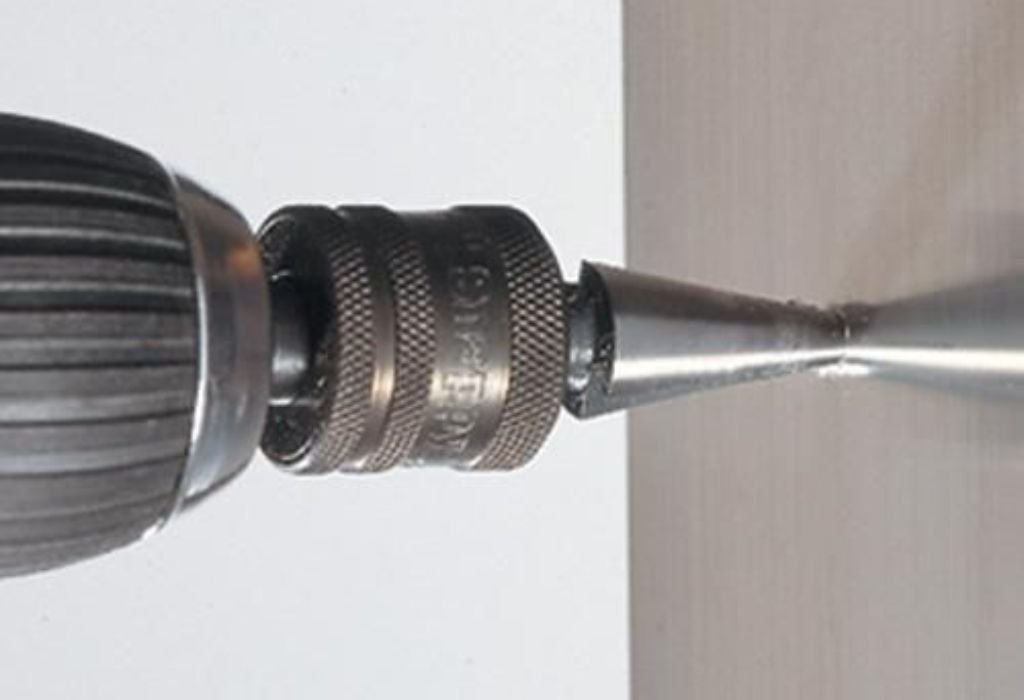
If the taper is uneven, use a reamer to smooth the sides. Reaming removes high spots and ensures even angles. This produces a more accurate taper.
If the surface is rough, reduce drilling speed. Rough surfaces often come from excessive RPM. Slower cutting produces smoother finishes.
If the taper is off center, recheck your center punch alignment. Off center punching leads to angled drilling. Proper marking ensures accurate taper formation.
If the bit burns, apply more lubrication. Heat damage indicates insufficient cooling. Cutting oil prevents burning and maintains sharpness.
If the taper is too deep, fill the hole and redrill if necessary. Excess depth cannot be corrected easily. Accurate depth measurement prevents this issue.
If the fastener wobbles in the taper, increase the diameter slightly. Reaming may correct the shape. Proper diameter ensures tight seating.
Frequently Asked Questions About Tapered Hole Drilling
What tool is best for drilling a tapered hole in metal?
Tapered drill bits are the best tools because they are shaped specifically to cut angled walls inside metal. They maintain consistent taper geometry during drilling. Countersink bits and reamers also help refine the interior surface.
Can I drill a tapered hole in metal with a regular drill bit?
No, a regular drill bit cannot produce a tapered shape because it cuts only straight holes. Trying to tilt the bit creates rough and uneven walls. Only tapered bits or reamers make smooth tapers.
Do I need a pilot hole before drilling a tapered hole?
Yes, drilling a pilot hole helps guide the tapered bit and prevents wandering. A pilot hole also reduces the load on the cutting edges. This improves accuracy and reduces tool wear.
What RPM should I use to drill tapered holes in steel?
Lower RPM is recommended for steel, typically between 300 and 500 depending on bit size. Slow speed reduces heat and protects the cutting edges. High RPM causes burning and chatter.
Why is my tapered hole uneven or rough inside?
Uneven surfaces come from excessive speed, dull bits or vibration during drilling. Proper clamping and lubrication help reduce these issues. Using a reamer can smooth out imperfections.
Can reamers improve the accuracy of a tapered hole?
Yes, reamers are perfect for refining taper accuracy. They remove small amounts of material and create smooth surfaces. Reamers also correct minor angle imperfections.
Is cutting oil necessary when drilling tapered holes?
Yes, cutting oil prevents overheating and reduces friction. It keeps the tapered bit sharp and improves the finish. Dry drilling creates rough surfaces and damages the tool.
How do I stop the tapered bit from grabbing the metal?
Use slow feed pressure and keep the metal tightly clamped. Proper lubrication also prevents sudden grabbing. Controlled RPM ensures smooth cutting.
Can I use a countersink bit to drill a full tapered hole?
Countersink bits work well for shallow tapers and screw head seating. They are not ideal for deep tapered holes. For full depth tapers, use tapered bits or reamers.
How do I check if my tapered hole is accurate?
Use a taper gauge to measure the angle and diameter. A depth gauge helps verify depth accuracy. Testing the fit with the actual fastener also confirms precision.
Conclusion
Drilling a tapered hole in metal requires careful preparation, the right tools and controlled drilling techniques. Using tapered bits, countersinks and reamers allows you to create accurate and clean tapers that fit fasteners securely.
With proper lubrication, slow speeds and stable clamping, even beginners can achieve professional results.
A well drilled tapered hole provides strong alignment, better load distribution and improved fitment for mechanical assemblies. Taking time to measure, inspect and refine the taper ensures long term durability.
By following the correct steps and avoiding common mistakes, you can produce tapered holes that perform reliably in any project.

I’m John F. Nicholas, the founder, lead writer, and drill enthusiast behind 101drill.com. With years of hands-on experience in power tools and DIY projects, I created this platform to share practical knowledge, expert tips, and real-world insights to help others master the art of drilling.