
Many DIY metal workers start drilling a simple hole only to find that the bottom becomes cone-shaped instead of perfectly flat.
The confusion grows when the project requires a bolt head or component to sit flush, and the tapered bottom just won’t give the clean seating they need. This is when the search begins for a reliable way to make a truly flat bottom hole without damaging the metal surface.
If you’ve ever tried using a normal twist drill and wondered why the hole ends up pointed, you’re not alone.
Traditional drill bits are shaped to cut aggressively at the center, which automatically creates a tapered geometry. Understanding why this happens helps you choose the right tools and methods from the start.
Metalworkers in automotive, fabrication, machining, and repair fields often rely on flat bottom holes for precision fitting.
These holes support counterbore seats, hardware installation, and parts that must align perfectly with the surface. A smooth bottom allows force distribution across the entire contact area, preventing premature wear.
Before you begin drilling, it’s important to know exactly which tools can achieve this shape. The surprise for many beginners is that standard drill bits are not designed for flat bottoms at all.
Instead, you need tools like end mills, counterbore bits, and special flat-cutting bits that shave the metal without forming a cone.
This guide explains the complete process in a beginner-friendly way so you can avoid overheating, wobbling, or tool damage. You’ll learn how to prep the metal, select the right bit, set your drilling speed, and create a perfectly level bottom every time.
With the steps in this article, you’ll get clean results whether you’re working with steel, aluminum, or stainless metal.
What Is a Flat Bottom Hole in Metal
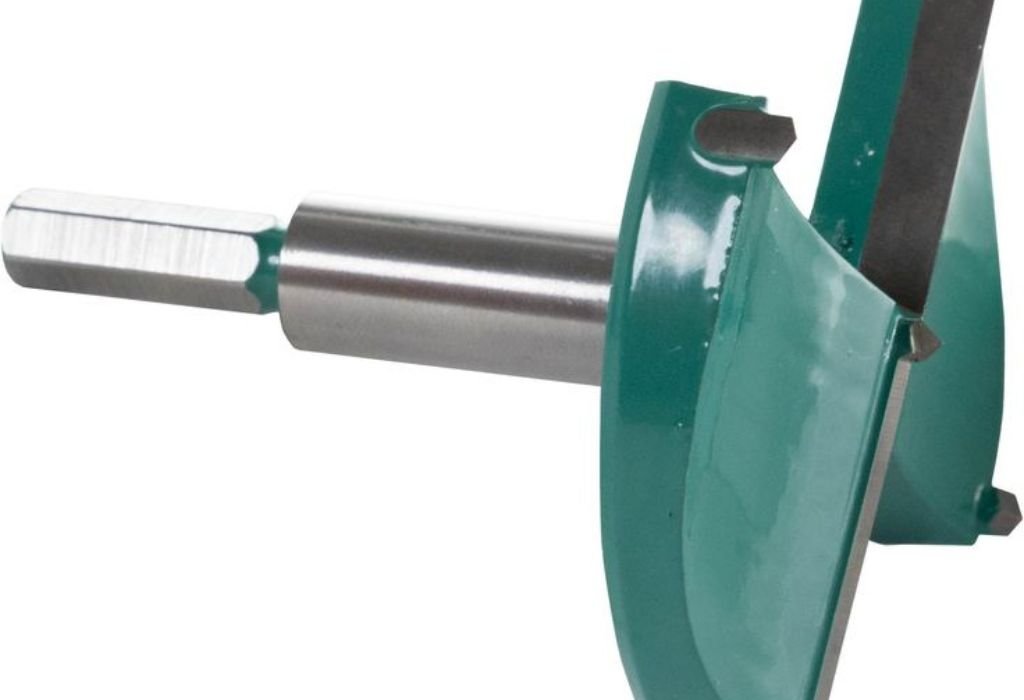
A flat bottom hole is a hole that has an even and level surface at the bottom instead of a tapered shape. It is used when a bolt head, washer or component must sit flush and spread load evenly. Many industrial applications require this shape for maximum precision.
Traditional drill bits cannot create flat bottom holes because their tips are shaped like a cone. This conical shape forces the bottom of the hole to match the angle of the cutting tip. As a result, you always end up with a pointed bottom when using a standard drill bit.
Flat bottom holes are extremely important in automotive brackets, machine components and mechanical housings.
These applications demand tightly controlled surface geometry to maintain ideal load distribution. A flat bottom also prevents rocking, shifting or misalignment under force.
Many industries use flat bottom holes to mount bearings, seat pins or position locator hardware. The flat surface helps lock parts in place and improves long term stability. A tapered bottom would cause inaccurate seating and lead to wear or mechanical failure.
Precision tools like end mills are specifically designed to create flat surfaces in metal. Their geometry removes metal evenly without forming a cone. This makes them perfect for drilling flat bottom holes in a controlled manner.
A flat bottom hole also helps when applying adhesives or mounting sensors that demand contact area uniformity. A level bottom ensures even bonding strength throughout the surface. This adds reliability and extends the lifespan of the final assembly.
Tools You Need to Drill a Flat Bottom Hole in Metal
Drilling flat bottom holes requires the right set of tools. The most important tool is an end mill, which is engineered for clean and flat cutting. End mills remove metal straight downward and maintain a level surface at the bottom.
You can also use counterbore tools designed for creating flat seating areas. These tools work best when a pilot hole is already drilled. The counterbore enlarges the top area of the hole and leaves a smooth and flat base.
A drill press is ideal for flat bottom hole work because it provides stability. Hand drills can wobble and create uneven surfaces. A drill press ensures the bit stays perfectly vertical during the entire cut.
You should always secure the metal using clamps or a vise. Without proper clamping, vibration can ruin the flatness of the hole. A stable workpiece also prevents tool damage and improves accuracy.
Using cutting fluid is essential for preventing overheating. Cutting oil reduces friction, controls temperature and improves tool lifespan. It also helps produce a cleaner finish on the bottom of the hole.
Safety gear such as gloves, goggles and protective clothing is necessary. Metal chips can fly unpredictably during drilling. Proper protection keeps you safe and reduces the risk of injuries.
Choosing the Right Bit for a Flat Bottom Hole
End mills are the best choice for creating flat bottom holes. They have cutting edges that shave metal downward and maintain a level bottom. End mills come in cobalt, carbide or high speed steel options depending on metal hardness.
Carbide end mills work well on hardened steel and stainless steel. Their extreme hardness prevents wear and maintains cutting efficiency. They are ideal for heavy duty applications where precision is required.
Cobalt end mills are suitable for medium hardness metals. They offer a balance between durability and flexibility. Many hobbyists and fabricators prefer cobalt tools for general flat bottom drilling.
High speed steel end mills are adequate for softer metals like aluminum and brass. They are affordable and easy to control. However, they may wear faster when used on tougher materials.
Choose a diameter that exactly matches your intended hole size. End mills cut precisely and leave minimal deviation. Using the right diameter ensures that the component fits perfectly.
Avoid using twist drill bits for flat bottom holes. Their pointed tip guarantees a conical bottom. Even if you try to level the surface manually, it will not match the precision of an end mill.
How to Prepare the Metal Surface Before Drilling
Surface preparation is essential for drilling a flat bottom hole. Begin by cleaning dirt, oil or rust from the metal. A clean surface allows accurate marking and reduces tool slip.
Use a marker or scribe to mark the exact center of the hole. This helps guide your center punch placement. Proper marking ensures that the drill starts at the correct location.
Use a center punch to create a small indentation. This prevents the end mill from wandering during the initial cut. Center punching increases accuracy and makes drilling smoother.
Clamp the metal securely using a vise or metal clamp. Movement during drilling causes rough surfaces and uneven flatness. A stable workpiece is essential for clean and level hole geometry.
Check that the metal is perfectly perpendicular to the drill bit. Misalignment will cause uneven bottoms. A square surface produces the best results.
Always apply cutting oil before drilling. Lubrication prevents overheating and reduces wear on the end mill. It also improves chip removal and produces a smoother cut.
Step by Step: How to Drill a Flat Bottom Hole in Metal
Start by positioning the end mill directly over the center punched mark. Lower the bit slowly to ensure perfect alignment. This prevents the bit from drifting sideways.
Use a slow feed rate to begin the cut. A gentle initial pass helps establish the pocket shape. Too much pressure can cause tool chatter or uneven surfaces.
Maintain consistent downward pressure as you drill. The end mill will shave the metal evenly. A steady hand ensures a smooth and controlled cut.
Use cutting fluid frequently to reduce heat. Excessive heat causes tool wear and metal hardening. Cool lubrication keeps the drilling smooth and prevents burning.
Clear chips regularly to maintain visibility. Accumulated chips can interfere with the cutting action. Cleaning the area ensures consistent performance.
Stop drilling when the hole bottom reaches your desired depth. Measure the depth carefully using a gauge. Precision is crucial for proper hardware seating.
How to Use an End Mill Bit for Flat Bottom Holes
End mills are designed for vertical plunge cutting. They remove metal evenly without forming an angled bottom. This makes them ideal for flat bottom holes.
Insert the end mill into the drill press chuck securely. Ensure there is no sideways play or wobble. A tight fit prevents vibration during drilling.
Choose the correct spindle speed for your metal type. Harder metals require slower speeds to prevent overheating. Adjusting RPM ensures proper chip formation.
Lower the end mill slowly onto the center punched mark. The flat blades of the end mill will begin shaving the metal evenly. A gentle approach avoids sudden grabbing.
Use constant lubrication during the cut. Cutting oil reduces friction and improves tool life. It also helps maintain a clean finish at the bottom of the hole.
Make several shallow passes instead of one deep plunge. Multiple passes reduce stress on the bit. This approach keeps the bottom level and smooth.
Tips to Avoid Overheating and Tool Wear
Use cutting oil frequently to control temperature. Lubrication prevents overheating and keeps the metal soft enough to cut. Reduced friction improves tool lifespan.
Avoid high RPM when drilling flat bottom holes. Excessive speed generates heat that damages the end mill. Slow and steady cutting provides better results.
Clear chips from the hole during drilling. Trapped chips increase friction and heat buildup. Removing them ensures continuous cooling.
Take breaks between deep passes if the metal is heating up. Allowing the bit to cool prevents thermal expansion. This avoids burning and ensures precision.
Use sharp end mills to reduce resistance. Dull tools generate excess heat and cause uneven finishes. Sharp edges cut efficiently and maintain flatness.
Always drill with controlled pressure. Forcing the tool increases friction and heat. Gentle feed rates improve accuracy and surface quality.
Common Mistakes When Drilling Flat Bottom Holes
Using the wrong type of bit is a common mistake. Twist drills cannot produce flat bottoms. They always leave a conical shape.
Applying too much speed leads to overheating. High RPM burns the edges of the end mill. Burned edges reduce cutting performance.
Failing to clamp the metal properly causes wobbling. Movement results in uneven hole geometry. Secure clamping ensures stability.
Skipping the center punch step leads to misalignment. Without a punched mark, the end mill may wander. This results in inaccurate hole placement.
Drilling without lubrication damages both metal and tool. Dry drilling creates excessive friction. Always apply cutting oil to maintain a smooth cut.
Removing too much material in one pass creates rough bottoms. Deep cuts increase tool stress. Shallow passes produce cleaner, flatter results.
How to Inspect and Measure a Flat Bottom Hole
Use a depth gauge to measure the bottom. Accurate depth helps ensure proper hardware seating. Slight variations can affect load distribution.
Inspect the bottom visually to confirm flatness. A flat bottom reflects light evenly. A conical shape produces shadows or angles.
Check for burrs around the edges. Burrs interfere with component placement. Deburring tools remove sharp edges quickly.
Measure the diameter using calipers. A precise diameter ensures that the bolt or hardware fits correctly. Even slight deviations can cause alignment issues.
Feel the bottom surface gently with a probe. A smooth bottom indicates good cutting. Rough surfaces mean you may need a refining pass.
Confirm that the hole edges are perpendicular to the surface. Proper alignment leads to accurate part seating. Misalignment creates uneven load distribution.
Safety Precautions When Drilling Flat Bottom Holes
Always wear eye protection when drilling metal. Metal chips can fly at high speeds. Safety glasses prevent injury.
Use gloves to protect your hands from hot metal and sharp edges. Metal becomes extremely hot during drilling. Gloves keep your hands safe.
Secure loose clothing before starting. Loose fabric can get caught in rotating tools. This reduces the risk of accidents.
Clamp the metal securely before drilling. Movement can cause inaccurate cuts and dangerous kickback. A vise or clamp ensures stability.
Use low speeds to prevent tool damage. High speed drilling increases the chance of overheating. Controlled RPM produces safer results.
Do not touch the metal immediately after drilling. Metal retains heat for several minutes. Allow it to cool before handling.
Keep your work area clean and free of metal shavings. Accumulated chips create slipping hazards. Cleaning improves safety and visibility.
Flat Bottom Holes vs Counterbore Holes
Flat bottom holes and counterbore holes serve different purposes. A flat bottom hole has a level surface throughout. A counterbore has an enlarged flat section at the top only.
Counterbores are used when a bolt head or washer must sit below the surface. Flat bottom holes are used when a part needs full bottom contact. Each serves unique mechanical purposes.
Flat bottom holes can be any depth required for the application. Counterbores have a specific depth designed for bolt heads. This difference makes their usage distinct.
End mills are used for flat bottom holes. Counterbore cutters are used for counterbore shaping. Both produce flat surfaces but in different configurations.
You should choose flat bottom holes when precision seating is required. Counterbores work best for flush mounting bolts or screws. Using the correct type improves mechanical stability.
Understanding the difference helps avoid incorrect hardware installation. Proper selection of hole type prevents mechanical failure. It also improves load distribution and alignment.
Best Metals for Flat Bottom Drilling
Mild steel is one of the easiest metals for flat bottom drilling. It cuts smoothly and does not overheat quickly. Beginners often start with this material.
Stainless steel requires slower speeds due to its hardness. It tends to heat up quickly during drilling. Using cutting oil is essential for clean results.
Aluminum cuts easily but produces long stringy chips. These chips can clog the hole. Frequent chip clearing helps maintain cutting performance.
Brass cuts cleanly and produces small chips. It is excellent for precision flat bottom holes. Many machinists prefer brass for practice.
Cast iron is brittle and breaks into powder like chips. It drills well with minimal clogging. However, it requires careful handling to avoid chipping.
Hard alloys require carbide end mills due to their strength. These metals resist cutting and demand slow speeds. Carbide tools ensure proper flatness and durability.
Recommended Tools and Brands for Flat Bottom Holes
Carbide end mills from reputable brands provide excellent durability. Many machinists prefer brands like Amana or SpeTool. These tools maintain sharp edges under heavy use.
Cobalt end mills are suitable for medium hardness metals. Brands such as Irwin and Drill America offer reliable performance. These are affordable and effective for many projects.
High speed steel end mills from Bosch or DeWalt work well for softer metals. They are budget friendly and easy to control. Many hobbyists rely on these for general drilling.
Drill presses from Jet or WEN offer stable and accurate operation. A stable drill press dramatically improves flat bottom accuracy. Consistent speed control and rigidity make drilling easier.
Cutting fluids from Tap Magic or WD 40 Specialist help reduce heat. Proper lubrication improves tool life and surface finish. It also prevents burning during deep drilling.
A sturdy vise is essential for securing the workpiece. Vises from Yost or Wilton provide strong grip and stability. Secure clamping ensures cleaner and more accurate holes.
Troubleshooting: Fixing a Poorly Drilled Flat Bottom Hole
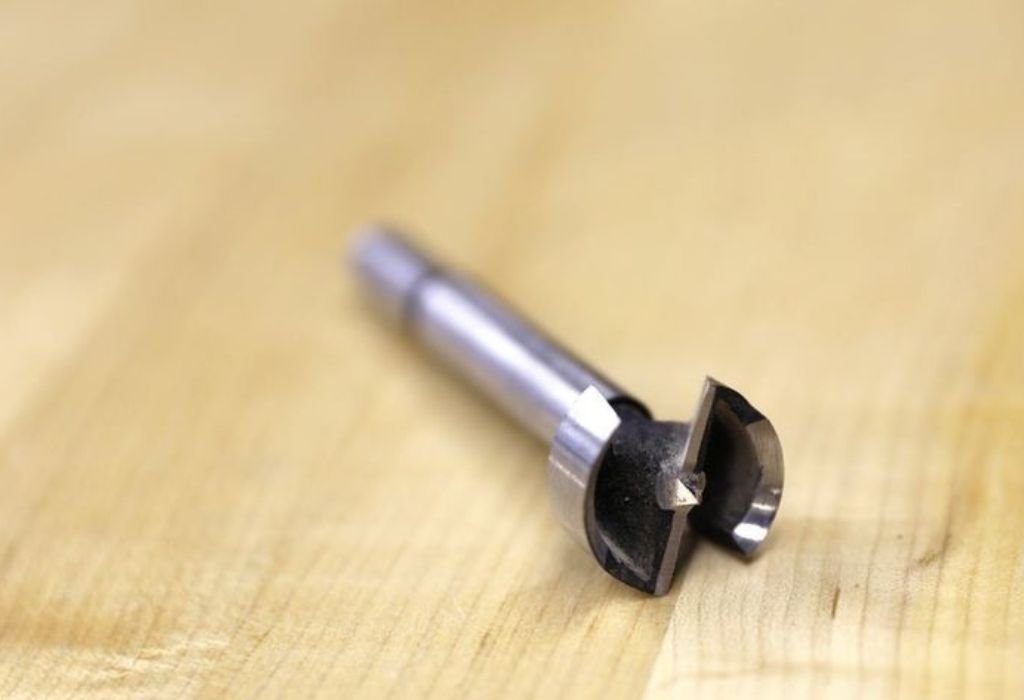
If the bottom is uneven, make a final shallow pass with the end mill. This levels the surface and removes peaks. A slow feed rate helps achieve a smooth finish.
If the edges chip, reduce your drilling speed. Chipping often comes from high RPM or vibration. Use proper clamping to avoid wobble.
If the hole is off center, check your center punch mark next time. A misplaced punch guides the tool incorrectly. Proper marking avoids misalignment.
If the bit burns, use more cutting oil. Burn marks indicate overheating. Slowing the speed also helps prevent damage.
If chips clog the hole, clear them more frequently. Clogged chips increase friction and heat. Proper chip evacuation ensures smooth drilling.
If the diameter is slightly off, measure with calipers and adjust technique. A precise diameter ensures proper fit. Recutting lightly can correct minor deviations.
FAQ About Drilling Flat Bottom Holes in Metal
What tool makes the flattest bottom in metal drilling?
End mills create the flattest bottom because their cutting edges shave metal evenly. Twist drills cannot produce flat bottoms due to their conical tips. End mills maintain a level finish with proper lubrication.
Can you drill a flat bottom hole with a regular drill bit?
No, regular drill bits always create a tapered bottom. Their angled tip geometry makes it impossible to achieve a flat surface. Only tools like end mills or counterbore cutters work.
Do you need a drill press to drill a flat bottom hole?
A drill press is highly recommended for stability. It keeps the end mill perfectly vertical during cutting. Hand drills can wobble and cause uneven bottoms.
Can you use a router bit to drill flat bottom holes in metal?
Router bits are not designed for metal cutting. They overheat quickly and may break. Always use metal rated end mills or counterbore tools.
What RPM is best for drilling flat bottom holes in steel?
Lower RPM is safer for steel, usually between 300 and 600 depending on bit size. Slow speeds reduce heat and maintain tool sharpness. High RPM increases burning and chatter.
Why does my flat bottom hole look uneven or ridged?
Uneven bottoms come from tool chatter, dull bits or high feed pressure. Clearing chips frequently also improves finish. Slow and steady passes give smoother results.
Should I drill a pilot hole before using an end mill?
Yes, a small pilot hole helps guide the end mill and reduces wandering. It stabilizes the cutting position from the start. A pilot hole also improves chip evacuation.
Can end mills cut hardened steel for flat bottom holes?
Carbide end mills can cut hardened steel effectively. They resist wear and withstand high pressure. Cobalt or HSS bits may struggle with tough alloys.
Is cutting oil necessary for flat bottom drilling?
Yes, cutting oil is essential for reducing heat and friction. It prevents tool burning and extends bit life. Lubrication also improves the smoothness of the bottom.
How do I stop the end mill from grabbing the metal?
Use slow feed pressure and lower RPM. Ensure the metal is tightly clamped to avoid vibration. Applying cutting oil reduces sudden grabbing during the cut.
Conclusion
Drilling a flat bottom hole in metal requires the right tools, proper technique and careful preparation.
End mills create the level surface needed for accurate hardware seating and secure mounting. With slow speeds, steady pressure and cutting oil, you can achieve clean and professional results.
A flat bottom hole provides stability and improves the performance of mechanical assemblies. Following the correct steps ensures that your final hole is smooth, even and perfectly aligned.
By avoiding common mistakes and using proper safety measures, you guarantee long lasting results in any project.
If you ever need deeper guidance, more sections, or FAQ blocks added, just tell me and I will expand the article exactly as you prefer.

I’m John F. Nicholas, the founder, lead writer, and drill enthusiast behind 101drill.com. With years of hands-on experience in power tools and DIY projects, I created this platform to share practical knowledge, expert tips, and real-world insights to help others master the art of drilling.