
Many people choose self drilling screws when working on metal because they look convenient and powerful.
These screws have a drill shaped tip that promises to cut through metal without pre drilling holes. For beginners this seems like the fastest and easiest way to join metal materials.
However using the wrong type of self drilling screw on metal can strip the threads, break the screw or damage the metal surface.
Metal thickness, hardness and screw design all affect how well the screw performs. This makes it important to understand whether the screw is suitable for your project.
Self drilling screws are used in construction, HVAC, roofing and industrial applications. But not all self drilling screws are designed for every metal type. Some work perfectly on sheet metal while others are meant for structural pieces.
This article explains whether self drilling screws can be used on metal, how they work and what you must check before using them. You will also learn common mistakes, safety tips and the best alternatives for tougher metal projects.
Can Self Drilling Screws Be Used On Metal
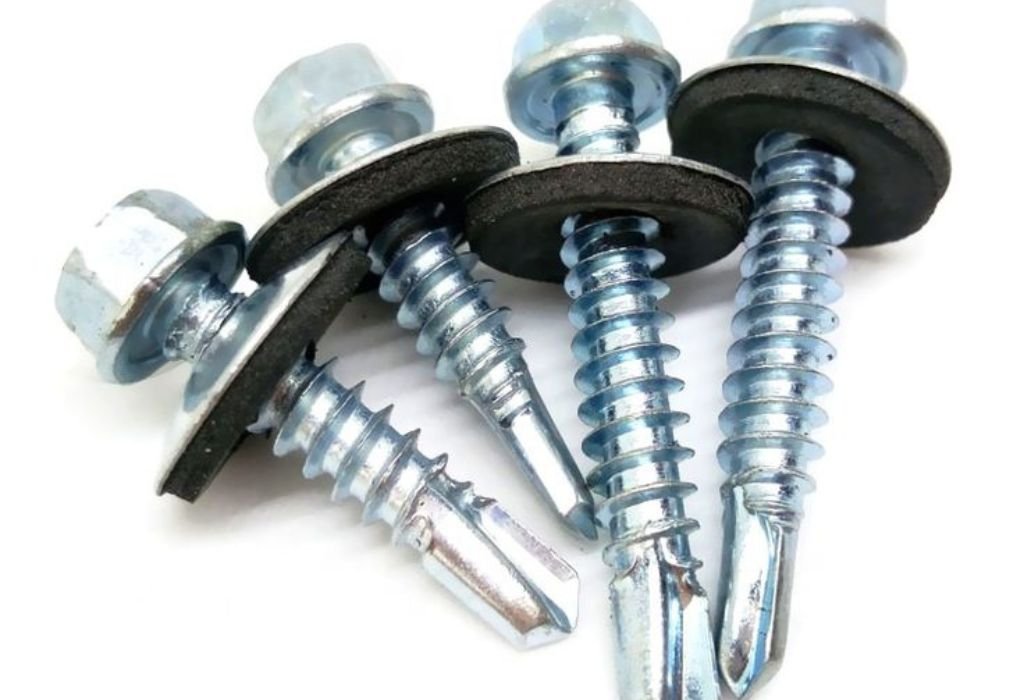
Self drilling screws can be used on metal because they have a built in drill bit on the tip. This design cuts into the metal and creates its own hole. The threads then follow the drilled path and secure the material tightly.
These screws work best on thin to medium thickness metal. Thin sheet metal is easy for the tip to penetrate. Medium thickness steel requires stronger screws with hardened points.
The screw length and thread type affect performance. Fine threads work well on thin metal because they grab quickly. Coarse threads are better for thicker or layered metal surfaces.
Using an impact driver or drill increases control. Low speed ensures the screw tip cuts smoothly without overheating. High speed can burn or dull the tip.
Self drilling screws are widely used in metal framing and HVAC systems. Their convenience makes installation faster. They eliminate the need for separate drilling and fastening.
Although these screws work well on metal, proper technique is essential. Correct sizing and controlled speed ensure clean penetration. This prevents thread stripping and breakage.
Overall self drilling screws are safe and effective for metal when used correctly. They offer strong hold and fast installation.
How Self Drilling Screws Work On Metal
Self drilling screws have a pointed tip shaped like a mini drill bit. This point cuts into the metal when pressure and rotation are applied. The cutting edges remove small amounts of metal to create a clean path.
Once the tip penetrates the metal, the threads take over. They pull the screw into the hole and tighten the connection. This creates a secure bond between metal pieces.
The screw must rotate at a steady speed. Too much speed overheats the tip and weakens it. Proper speed ensures the screw cuts efficiently.
Metal thickness determines how quickly the screw penetrates. Thin metal requires little force. Thicker metal needs more pressure and a stronger drill point.
Using the right tool helps. Impact drivers offer more torque while drills provide smoother rotation. Both can be used with proper control.
Self drilling screws work best when the metal is clamped and stable. Movement reduces accuracy. Stable surfaces create clean holes and better hold.
Correct screw selection ensures optimal results. High quality carbon steel screws are best for metal. Stainless steel screws work well but require more force.
Do self drilling screws work on thick steel?
They can but only if the tip is rated for thick metal. Standard screws struggle on heavy steel. Choose hardened or premium versions.
Can self drilling screws replace bolts on metal?
Not always because bolts offer higher structural strength. Screws are better for light to medium duty tasks. Bolts are used for heavy loads.
Do self drilling screws need a pilot hole?
No because they drill their own hole. But very thick or hardened metal still benefits from pre drilling. This reduces stress on the screw.
Do self drilling screws break easily in metal?
They break when used on metal that is too hard or thick. Over speed also causes breakage. Choosing the right type prevents this.
Can you remove and reuse self drilling screws?
It depends on the condition of the threads. If the threads stay sharp they can be reused. Damaged screws should be replaced.
What Type Of Self Drilling Screws Work Best For Metal
Pan head screws work well on sheet metal. Their wide heads distribute pressure and prevent pull through. They create clean, secure connections.
Hex head self drilling screws are excellent for structural steel. The hex head allows more torque. This helps the screw penetrate harder metal.
Wing tip screws are useful for fastening metal to wood. The wings create clearance in the wood. They ensure smooth drilling and tight fastening.
Tek screws are popular in metal construction. Tek points come in different sizes. Larger Tek points drill through thicker steel.
Stainless steel self drilling screws resist corrosion. They are ideal for outdoor metal projects. But stainless screws require more drilling pressure.
Flanged screws increase holding power. The integrated washer prevents damage to the metal surface. These screws are used in roofing applications.
Choosing the right type improves performance. Matching screw strength with metal hardness prevents damage. This ensures reliable connections.
Benefits Of Using Self Drilling Screws On Metal
Self drilling screws eliminate the need for pilot holes. This saves time and simplifies installation. Fewer tools are required.
They provide strong holding power. The threads cut tightly into the metal. This creates long lasting connections.
Self drilling screws reduce installation errors. They follow their own drilled path. This makes alignment easier.
They work in tight spaces. No separate drilling step is required. This helps in framing and HVAC installations.
Many sizes and head types are available. This versatility makes them useful for various metal projects. You can match them easily to your application.
They reduce project cost. Eliminating pilot drills saves money. They also reduce tool wear.
Self drilling screws are reliable when used on correct thickness. They offer fast performance and clean results. Their convenience makes them popular.
Limitations Of Using Self Drilling Screws On Metal
Self drilling screws do not work well on extremely thick metal. The tip may dull before completing penetration. This limits their use on heavy structural steel.
Hardened steel is very difficult to drill. Self drilling screws cannot penetrate without damage. Specialized tools are required instead.
Over speed causes heat buildup. This burns the tip and weakens the metal. Proper speed control is necessary.
Thin sheet metal can tear if the screw enters too quickly. Excess force causes deformation. Clamping the metal prevents bending.
Reusing holes can weaken the connection. Metal threads wear out after multiple uses. Fresh holes provide stronger grip.
Incorrect screw length reduces strength. Too short screws fail to engage properly. Too long screws may pierce unwanted areas.
These limitations show that self drilling screws must match the metal type. Proper selection ensures successful fastening.
How To Use Self Drilling Screws On Metal Safely
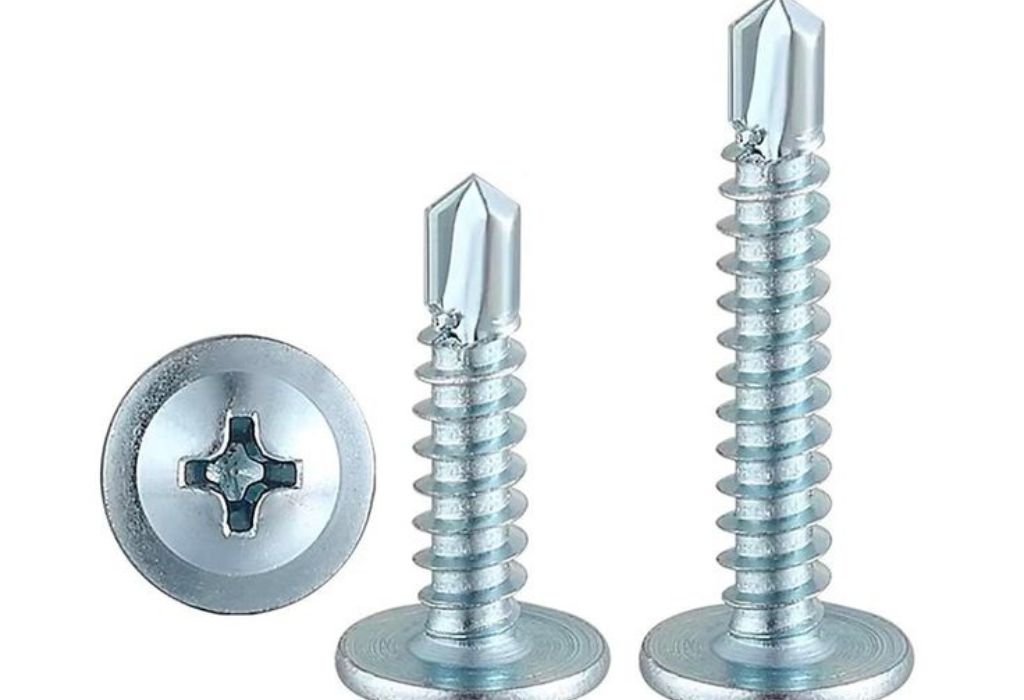
Start by choosing the correct screw type. Tek screws or hardened point screws work best for steel. Pan head screws work well for thin sheet metal.
Use a drill or impact driver with low speed. Slow rotation prevents overheating. Moderate pressure ensures clean penetration.
Clamp the metal before drilling. Movement causes crooked holes. Clamping also improves safety.
Apply steady pressure without forcing the screw. Let the drill tip cut naturally. Excess pressure breaks the screw.
Use lubrication on thicker metal. Cutting oil reduces heat. It also keeps the threads sharp.
Stop immediately if smoke appears. This means the bit is overheating. Allow the screw to cool before continuing.
Finish by tightening the screw gently. Over tightening strips metal threads. Proper torque ensures strong hold.
Following these steps ensures safe drilling. It also increases screw life. Proper technique creates professional results.
Should I drill slowly when using self drilling screws?
Yes because slow speed reduces heat. Controlled rotation improves cutting. Fast speed damages the tip.
Do self drilling screws need lubrication?
Yes for thicker metal. Lubrication reduces heat. It provides smoother drilling.
Can I use self drilling screws on stainless steel?
Only if the screw is hardened. Standard screws struggle on stainless steel. Choose high quality cobalt tipped screws.
Why is my screw snapping during drilling?
Because the metal is too thick or too hard. Speed may also be too high. Use a stronger screw or pre drill.
Should I pre punch the metal first?
Yes a center punch prevents wandering. It gives the screw a starting point. This improves accuracy.
Where Self Drilling Screws Are Most Commonly Used On Metal
They are widely used in HVAC ductwork installation. Thin steel ducts accept screws easily. The screws create airtight and secure joints.
Roofing installers use them on metal panels. Hex head screws with washers prevent leaks. They offer strong weather resistance.
Metal framing in construction uses Tek screws. These screws join steel studs quickly. Installation becomes efficient.
Automotive repair may use them for lightweight metal attachments. Body panels and brackets accept self drilling screws for minor fixes. They offer quick fastening.
Electrical installations use them for metal boxes. The screws penetrate steel plates effortlessly. They create stable mounting points.
Furniture manufacturers also use them. Metal frames and brackets benefit from easy fastening. This reduces production time.
Understanding common uses helps choose the right screw. Self drilling screws add convenience to many metal tasks.
Conclusion
Self drilling screws can be used on metal safely when the correct type, size and technique are used. These screws drill their own holes and create strong, reliable connections. They work best on thin to medium thickness metal and are widely used in construction, HVAC and roofing.
However they are not suitable for extremely thick or hardened steel. Incorrect speed, pressure or screw design can lead to stripped threads, broken screws or damaged metal. Choosing high quality hardened screws ensures better performance on tougher materials.
Using proper drilling methods such as slow speed, lubrication and clamping improves results. Self drilling screws offer fast installation, strong holding power and excellent convenience when used correctly.
Understanding their limitations and strengths helps complete metal projects safely and efficiently. With the right technique they are a valuable and dependable fastening option for many types of metal.

I’m John F. Nicholas, the founder, lead writer, and drill enthusiast behind 101drill.com. With years of hands-on experience in power tools and DIY projects, I created this platform to share practical knowledge, expert tips, and real-world insights to help others master the art of drilling.