
Many people feel nervous the first time they try to drill metal with a simple hand drill. Wood feels soft, drywall feels easy, but metal creates a different kind of resistance that makes beginners wonder if a handheld drill has enough power. Videos online often show heavy drill presses slicing through steel like butter, which makes people doubt whether their small handheld drill can handle the same job.
The worry gets bigger when the drill bit skids across the surface or when sparks fly because of too much heat. Some people assume that only professionals with expensive equipment can drill metal safely. But this is not fully true. With the right bit, the right speed and the right technique, a basic hand drill can drill holes in many types of metal.
It becomes even more confusing when people hear conflicting advice from friends, hardware stores and online forums. Some say a hand drill is totally fine for drilling metal, while others claim it is too weak or too risky. The truth lies somewhere in the middle. A hand drill is capable of drilling metal, but everything depends on the correct drill bit, proper lubrication, pressure control and patience.
Understanding how and when a hand drill can go through metal helps prevent mistakes, avoids overheating and ensures clean holes. This guide explains everything clearly so beginners and DIY users can drill metal confidently without damaging their tools or the surface.
Can A Hand Drill Go Through Metal
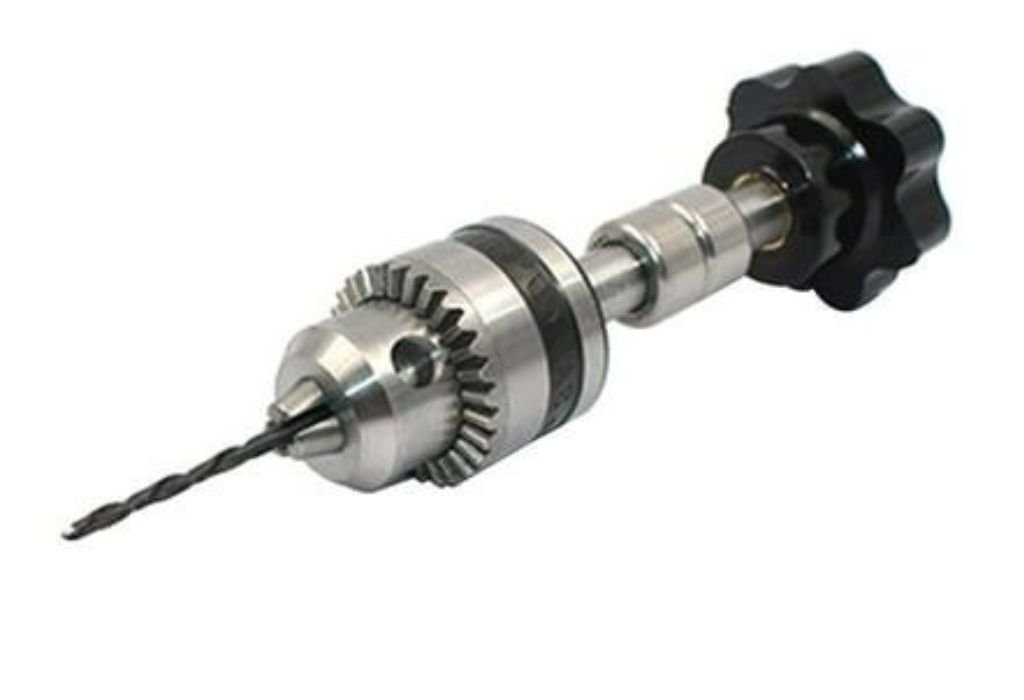
Yes, a hand drill can go through metal as long as the correct drill bit and proper technique are used. A hand drill has enough torque to penetrate most soft and medium metals including aluminum, brass, copper and mild steel. Even thicker metal can be drilled with a handheld drill, but it requires slow speed, steady pressure and cutting oil to avoid overheating.
The drill itself is rarely the issue. The drill bit and technique matter much more. If someone uses a cheap wood bit or drills too fast, the bit will burn out and fail. But with a metal rated bit, especially black oxide, titanium or cobalt, even a small hand drill can create clean holes in metal sheets, pipes and plates.
A hand drill works especially well for small to medium diameter holes. Larger holes take longer and require more control, but they are still possible with patience. For extremely thick or hardened metal, a drill press is better, but general metalwork can be done fully with a handheld drill.
What Drill Bits You Need To Drill Metal With A Hand Drill
The drill bit determines how well the hand drill performs. There are several types of bits suitable for metal:
Black Oxide Drill Bits
These work well for aluminum, copper, brass and thin to medium mild steel. They resist heat better than plain steel bits and are affordable.
Titanium Drill Bits
Titanium coated bits stay sharp longer and reduce friction. They are excellent for frequent drilling or tougher metals.
Cobalt Drill Bits
The strongest option for drilling stainless steel and hardened metals. These bits stay hard even under extreme heat.
Step Drill Bits
Ideal for sheet metal. They create large, clean holes without grabbing or tearing the metal.
Using the right bit ensures smooth drilling and prevents overheating or tip damage.
What Types Of Metal Can A Hand Drill Go Through
A hand drill can go through most everyday metals with the proper bit and technique. Each metal responds differently:
Aluminum
Very easy to drill with any metal bit. Minimal resistance and clean holes.
Brass And Copper
Soft metals that drill smoothly, but can catch if pressure is too high. Slow speed works best.
Mild Steel
A common metal in household and automotive projects. Drills well with black oxide or titanium bits.
Stainless Steel
Harder and more heat resistant. Requires cobalt bits, lubrication and slow speed. Still possible with a hand drill.
Hardened Steel
Very difficult but still drillable with high quality cobalt bits. Requires patience and cooling breaks.
Overall, a hand drill is suitable for all common metals except extremely thick or specialty hardened materials.
How Much Power A Hand Drill Needs To Drill Metal
Most modern handheld drills, even cordless models, have enough power for metal. Torque matters more than speed. Drilling metal at a slow RPM produces better results because slow cutting reduces heat and prevents the bit from dulling.
A drill with variable speed control is ideal. This allows you to start slow, create a pilot dent and maintain a consistent pace. Higher voltage cordless drills (18V or 20V) offer more torque, but even a 12V drill can pierce thin metal without difficulty.
If the drill stalls or struggles, it is usually because the bit is dull or there is too much friction from lack of lubrication.
Do You Need Lubrication When Drilling Metal With A Hand Drill
Yes, lubrication is extremely important when drilling metal. Friction creates heat, and heat destroys drill bits quickly. Cutting oil reduces this problem and keeps the drilling smoother and safer.
For aluminum, even light machine oil or WD 40 works. For steel, thicker cutting oil is better. Lubrication also helps metal chips flow away from the drill point, keeping the hole cleaner and protecting the bit from clogging.
Skipping lubrication leads to blue burned bits, smoke and fast dulling.
Does A Hand Drill Overheat Easily When Drilling Metal
Hand drills can overheat if used incorrectly. The most common causes are using high speed, applying too much pressure or drilling without lubrication. Overheating damages both the drill bit and the hand drill motor.
To avoid this:
Use slow speed.
Take short breaks between passes.
Apply cutting oil.
Remove shavings frequently.
With these steps, even long drilling sessions remain safe and stable.
How To Use A Hand Drill To Drill Metal Safely
A clean, accurate hole depends on technique. This step by step method works for all metals:
Start slow to prevent the bit from walking.
Use a center punch to create a starter dent.
Apply firm, steady pressure.
Keep the drill perfectly vertical.
Lubricate often to control heat.
Remove chips frequently.
Let the drill and bit cool between passes.
Following these steps protects both the metal surface and the drill bit.
Can A Hand Drill Drill Thick Metal
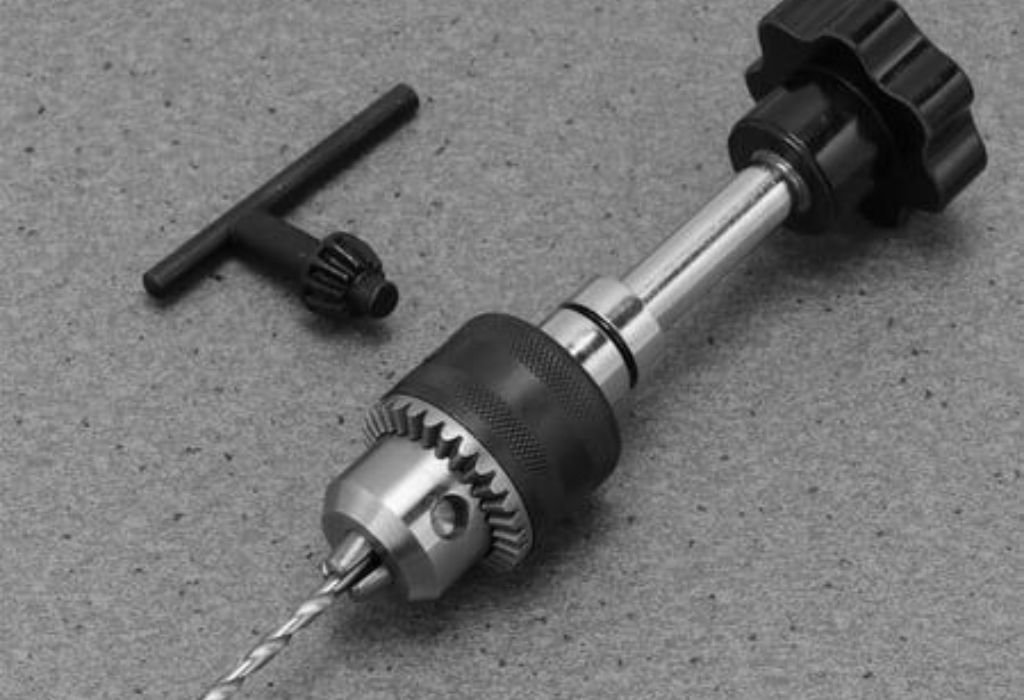
A hand drill can drill thick metal, but the process takes longer and requires more patience. Thick steel builds heat faster because the bit stays engaged for a longer time. Using cobalt bits, heavy lubrication and slow RPM improves performance.
For extremely thick or hardened plates, a drill press provides better stability, but a hand drill still works if you take breaks and maintain good technique. Many DIY mechanics drill car frames, steel brackets and angle irons using only hand drills.
Common Mistakes People Make When Drilling Metal With A Hand Drill
Several common mistakes cause frustration and damaged bits:
Using high speed instead of slow RPM.
Skipping lubrication.
Using wood or masonry bits by mistake.
Applying too much pressure too early.
Not clamping the metal securely.
Allowing the bit to overheat.
Avoiding these mistakes makes the drilling smoother and safer.
Conclusion
A hand drill can absolutely go through metal when the correct drill bit, drilling speed and technique are used. Even basic handheld drills have enough torque to penetrate aluminum, brass, copper, mild steel and stainless steel. The key is using a proper metal rated bit, especially titanium or cobalt for harder metals, and always including lubrication to reduce friction and heat. With slow speed, steady pressure and patience, a hand drill creates clean, precise holes in metal without damaging the tool or surface. For general DIY work, automotive repairs or home projects, a hand drill is fully capable and reliable for metal drilling tasks.

I’m John F. Nicholas, the founder, lead writer, and drill enthusiast behind 101drill.com. With years of hands-on experience in power tools and DIY projects, I created this platform to share practical knowledge, expert tips, and real-world insights to help others master the art of drilling.