
Anyone who works on home projects eventually faces a moment of confusion when the only bit available is a masonry drill bit. These bits are designed for concrete, brick and stone, yet many people wonder if they can be used on metal in emergencies. The question usually appears when a person is in the middle of a job and suddenly discovers that their metal drill bit is missing, dull or broken.
At that point, the masonry bit becomes the only tool in the box, and the uncertainty begins. Some people say it will work if you apply enough pressure. Others warn that the bit will burn, slip or even damage the metal surface. Because masonry bits look strong and heavy, people assume they can cut anything, including steel. But their design and cutting edges are made for completely different materials.
This confusion grows when someone tries to drill into a metal door, sheet metal or a steel bracket without realizing that masonry bits have a carbide tip meant for grinding rather than cutting. The noise, heat and vibration that follow often surprise the user. Understanding whether a masonry bit can drill metal safely is important for DIY work, repairs and emergency situations.
This guide explains exactly what masonry bits can and cannot do, why they behave differently on metal and how to drill metal correctly without damaging tools or surfaces.
Can A Masonry Bit Drill Through Metal
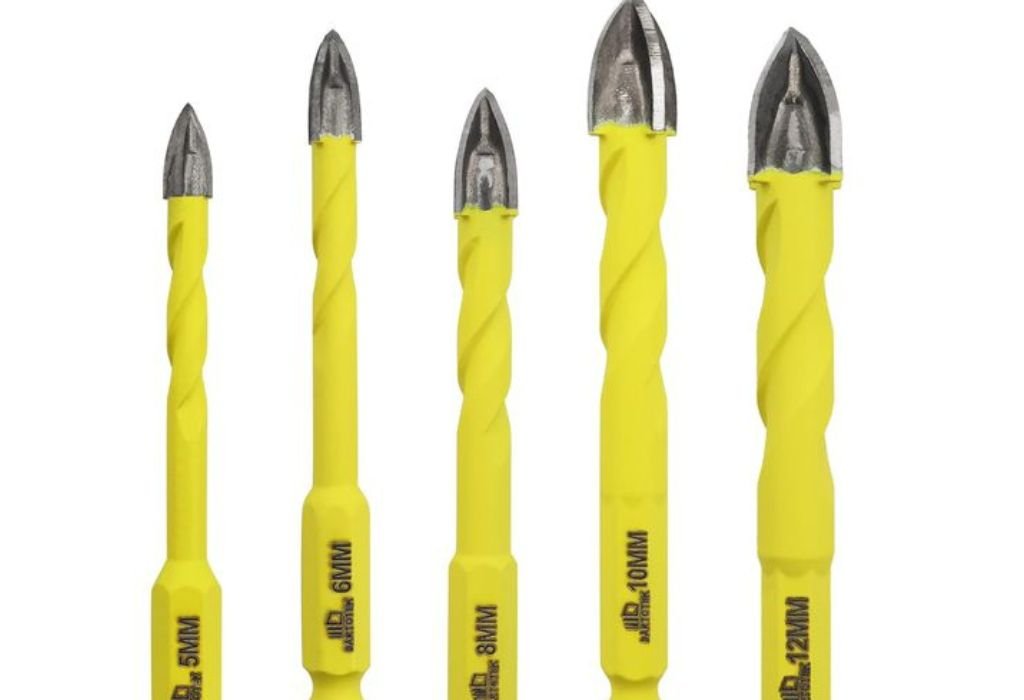
A masonry drill bit is not designed to drill through metal. It can scrape the surface slightly, but it cannot effectively cut the metal like a proper metal drill bit. The carbide tip on a masonry bit is made to grind stone, not slice into steel. When someone tries to drill metal with a masonry bit, the bit usually overheats, becomes dull and may even chip.
However, in extreme situations, a masonry bit might penetrate very thin or soft metal, but the process is slow, noisy and risky. Because the bit is not shaped for metal cutting, it creates friction instead of clean cutting action. This leads to burning marks and damaged metal surfaces. For most tasks, the result is poor quality and wasted time.
For drilling any meaningful hole in metal, a metal drill bit such as black oxide, titanium or cobalt is the correct choice. Masonry bits simply cannot handle the hardness of metal in a safe or efficient way.
Why Masonry Bits Struggle With Metal
Masonry bits have a radically different cutting tip. The tip is usually a brazed carbide plate with a wide, blunt edge. This design allows the bit to pound and grind through stone. On metal, this tip cannot cut because metal is too dense for grinding action.
Metal requires a sharp, angled cutting edge that slices away tiny chips. Masonry bits do not have this type of geometry. When placed against metal, the bit skates across the surface and fails to bite. To compensate, people sometimes apply extra pressure, but this only increases friction and heat.
Another major problem is heat buildup. Metal transfers heat quickly, and the friction from the masonry bit creates extreme temperatures. This softens the carbide, damages the steel shank and can even discolor the metal surface. Masonry bits also lack the fluting design needed to remove metal chips, causing clogging and more overheating.
Because of these design limitations, masonry bits simply cannot perform the clean cutting action needed for metal drilling.
What Happens If You Use A Masonry Bit On Metal
Using a masonry bit on metal usually leads to several issues that make the process inefficient and sometimes unsafe.
The bit overheats within seconds.
The carbide tip can chip or break.
The drill may slip and scratch the metal surface.
The hole becomes rough, uneven and often incomplete.
The bit dulls rapidly and becomes unusable for future work.
For beginners, the loud grinding sound and vibration can be surprising. The drill struggles, and the bit barely penetrates. Instead of producing metal shavings, the bit produces dust or scorches the surface. These signs indicate that the bit is not cutting at all and cannot complete the job effectively.
Can A Masonry Bit Drill Thin Metal
A masonry bit might make a hole in very thin or soft sheet metal, but the quality is poor. The bit will scrape and tear instead of cutting. The hole becomes jagged, and the surrounding metal heats up quickly.
If someone must drill thin metal in an emergency, reducing speed and adding lubrication may help, but the result will never match what a proper metal bit can achieve. Masonry bits are simply too blunt for precise work.
Can A Masonry Bit Drill Steel
Steel is far too hard for a masonry drill bit. When used on steel, the bit overheats almost immediately. The carbide tip becomes dull, and the drill loses control. Drilling becomes impossible beyond a shallow scratch.
Even mild steel, which is softer than stainless steel, cannot be drilled effectively with a masonry bit. The bit skates across the surface and fails to create a pilot hole. For steel, bits made of black oxide, titanium or cobalt are the correct options.
Can A Masonry Bit Drill Stainless Steel
Stainless steel is one of the hardest common materials to drill. A masonry bit has almost no chance of cutting through it. Because stainless steel work hardens quickly, the masonry bit simply creates heat without penetrating.
Stainless steel needs slow speed, steady pressure and a sharp cobalt bit. A masonry bit cannot handle these requirements and will fail before completing the hole.
What Bit Should You Use Instead Of A Masonry Bit For Metal
To drill metal efficiently, you must choose the right bit for the hardness of the metal. The best alternatives include:
Black oxide bits for soft metals like aluminum and mild steel
Titanium coated bits for medium hardness materials
Cobalt bits for stainless steel and hardened steel
Step bits for thin sheet metal
Carbide bits for industrial work or very hard materials
Each of these bits features cutting edges that slice metal instead of grinding it. Their tip angles are tailored to penetrate metal smoothly without excessive pressure.
Why Metal Requires A Sharp Cutting Edge
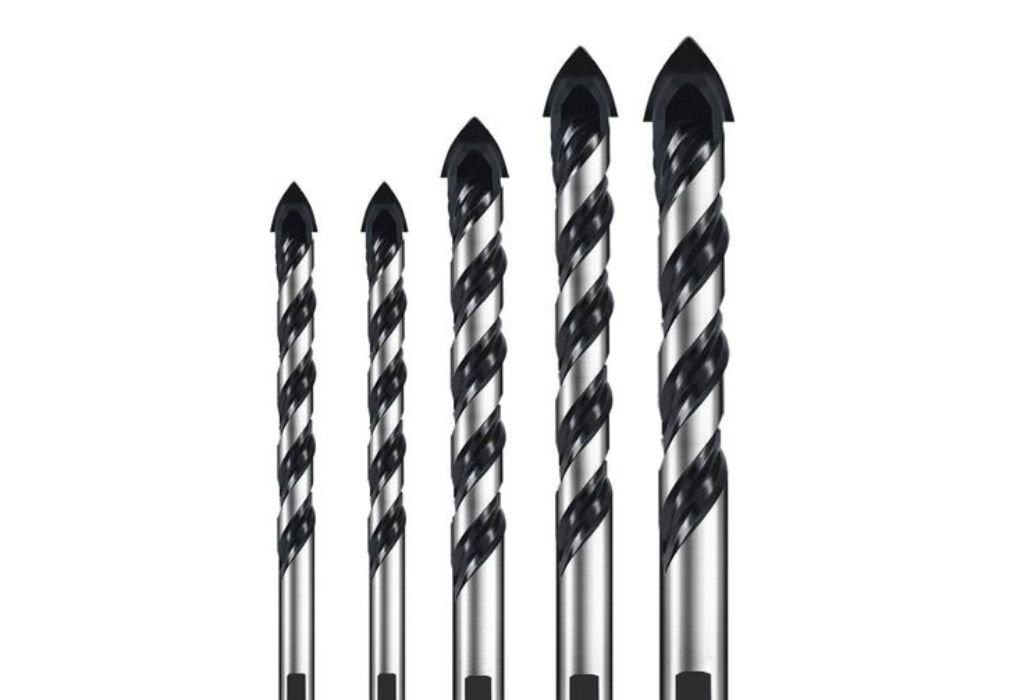
Metal drilling relies on slicing action. The drill bit must shave away tiny layers of metal with each rotation. This requires a precise tip angle, sharp flute edges and strong heat resistance.
If the cutting edge is not sharp, the bit simply rubs the metal, causing heat and friction. Metal drilling also demands efficient chip removal. The flutes must carry shavings away quickly to prevent clogging. Masonry bits have flutes designed for dust, not metal chips, which is why they fail so easily.
Tips For Drilling Metal Safely With The Correct Bit
Use slow drill speed for better control.
Apply steady, firm pressure but avoid forcing the bit.
Use cutting oil to reduce heat and friction.
Clamp the metal securely so it does not move.
Start with a pilot hole for accuracy.
Let the bit cool between drilling cycles.
Clean metal shavings frequently to avoid clogging.
Following these steps keeps the bit sharp, protects the metal and ensures smooth drilling.
Conclusion
A masonry drill bit is not suitable for drilling metal. The carbide tip is designed for grinding stone, not cutting steel or aluminum. When used on metal, the bit overheats, slips, dulls rapidly and often fails to make a clean hole. While it might scrape through thin metal in rare situations, the results are poor and unpredictable. For efficient and safe drilling, a proper metal drill bit such as black oxide, titanium or cobalt is essential. These bits are designed specifically for cutting metal, managing heat and producing smooth, clean holes. Using the correct bit saves time, protects your tools and ensures a professional result every time.

I’m John F. Nicholas, the founder, lead writer, and drill enthusiast behind 101drill.com. With years of hands-on experience in power tools and DIY projects, I created this platform to share practical knowledge, expert tips, and real-world insights to help others master the art of drilling.