
Many people pick up a cordless drill thinking it can handle every job around the house. When the task involves drilling metal, uncertainty suddenly appears. The sound, the vibration and the fear of damaging the drill or the metal surface make people wonder whether a cordless drill has enough power for the job. Anyone who has tried pushing a bit through steel for the first time knows that metal behaves very differently from wood or plastic. It demands slow speed, controlled pressure and the right type of bit.
Some assume that only corded drills or heavy duty drill presses can drill through metal. Others believe their cordless drill will burn out instantly. This confusion often leads to hesitation, partially drilled holes or damaged drill bits. The truth is that cordless drills today are much stronger than older models. Modern batteries deliver consistent power and slower speed settings designed specifically for tougher materials.
Yet, even a powerful cordless drill can struggle without proper technique. Using the wrong drill bit or drilling too fast can cause overheating, smoking bits and uneven holes. Understanding how cordless drills interact with metal helps users avoid these issues. With the right setup, even a basic cordless drill can create clean, precise and professional looking holes in various types of metal.
This guide explains everything clearly so you can drill metal confidently using your cordless drill without damaging your tools or your project.
Can A Cordless Drill Go Through Metal
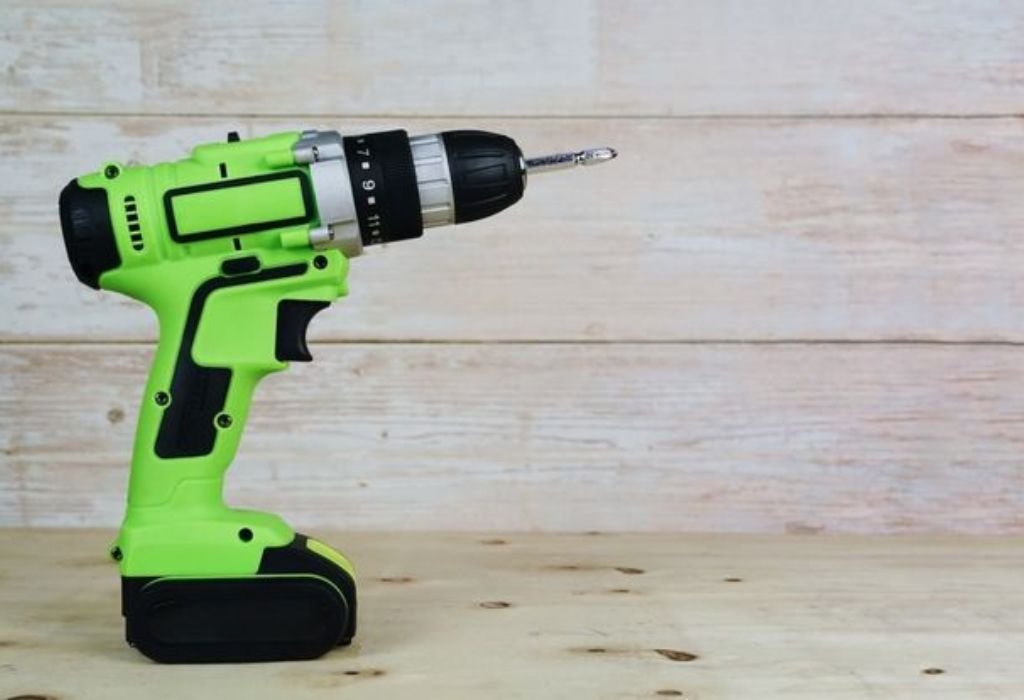
Yes, a cordless drill can go through metal successfully. Modern cordless drills offer enough torque and speed control to drill holes in soft metals like aluminum, brass and copper. They can also drill through mild steel, sheet metal and metal brackets when equipped with proper drill bits. Even thicker or harder metals are possible, but they require patience, lubrication and the correct speed settings.
The key is not the drill itself but HOW it is used. A cordless drill with good torque, a variable speed trigger and a reliable battery can handle most metal drilling tasks. High speed damages the bit, but slow speed combined with firm pressure ensures smooth cutting. With the right bit, the job becomes much easier.
A cordless drill is fully capable of producing clean, accurate metal holes in both home and professional environments. The secret is to match the drill speed, bit type and drilling technique to the hardness of the metal.
What Types Of Metal Can A Cordless Drill Go Through
Cordless drills work on a wide range of metals, but performance varies depending on hardness and thickness. Knowing each material helps you choose the right method.
Soft Metals
Aluminum, copper and brass are very easy for cordless drills. These materials cut smoothly and rarely cause overheating when lubricated lightly. A basic high speed steel bit or black oxide bit works well.
Medium Metals
Mild steel, angle iron, thin brackets and sheet metal can be drilled with a cordless drill using slow speed and cutting oil. These surfaces require a bit more pressure, but they still respond well to a cordless tool.
Harder Metals
Stainless steel, hardened steel and cast iron are drillable but much more challenging. These metals generate heavy friction, heat and resistance. A cordless drill can still penetrate them, but only with cobalt bits and very controlled technique. Patience becomes essential.
A cordless drill can handle almost all common household and automotive metals with correct preparation.
What Drill Bits Should You Use For Metal With A Cordless Drill
The drill bit is the most important part of the process. A strong bit makes drilling easier, prevents overheating and produces cleaner holes.
High Speed Steel (HSS)
Suitable for soft metals. Affordable and easy to use for general tasks.
Black Oxide Bits
Offer better heat resistance and longer lifespan for soft and medium metals.
Titanium-Coated Bits
Stay sharper for longer and work well on tougher metals like mild steel. Good for heavy users.
Cobalt Bits
The best option for drilling hard metals such as stainless steel. They resist heat and maintain sharpness even when drilling continuously.
Choosing the right bit ensures the cordless drill performs at its best without burning out.
Does A Cordless Drill Have Enough Power For Metal
Yes, most cordless drills provide enough power for metal drilling. Torque matters more than speed. Higher torque allows the drill to push the bit steadily through dense material without stalling.
Many modern cordless drills include two speed settings. The low speed setting is ideal because it provides more torque. High speed is only useful for wood or soft materials.
Battery size also affects power. A drill with a larger battery such as 18V or 20V maintains stronger performance under heavy load. Smaller 12V drills can still drill metal, but they may struggle with thicker steel.
In most cases, even a mid range cordless drill provides sufficient power when used at low speed with proper lubrication.
How To Drill Metal Properly With A Cordless Drill
Drilling metal requires a slightly different technique compared to wood. Following the correct steps improves hole quality and keeps the drill from overheating.
Start with low speed to maintain control.
Mark your hole using a center punch so the bit does not slip.
Use firm, steady pressure without forcing the drill.
Lubricate the bit to reduce friction and heat.
Let the bit cool between passes on harder materials.
Clear metal chips often to keep the bit sharp.
Avoid rocking the drill because it can widen or distort the hole.
Using these techniques makes drilling metal much smoother and safer.
Do Cordless Drills Overheat When Drilling Metal
Cordless drills can overheat if used incorrectly on metal. High speed and excessive pressure create friction that heats both the bit and the drill motor. As heat builds, performance decreases and bits become dull.
Slower speed helps manage temperature. Lubrication plays an equally important role by cooling the bit and reducing surface friction. If the drill becomes hot to the touch, stopping for a minute prevents damage.
Battery powered drills are designed to protect themselves, but conscious technique increases their lifespan.
How Thick Of Metal Can A Cordless Drill Handle
Cordless drills can handle various metal thicknesses depending on the bit and drill power.
Thin sheet metal
Very easy to drill. Even small drills can handle it.
Medium thickness steel (1 to 3 mm)
Requires black oxide or titanium bits and slow speed.
Thicker steel plates
Possible but much slower. Using a pilot hole helps. A stronger 18V or 20V drill is recommended.
Hardened steel
Still drillable with cobalt bits, but the process requires extreme patience and lubrication. Some cordless drills may struggle if torque is insufficient.
With the right bit, most home level projects fall within the cordless drill’s ability.
Safety Tips When Drilling Metal With A Cordless Drill
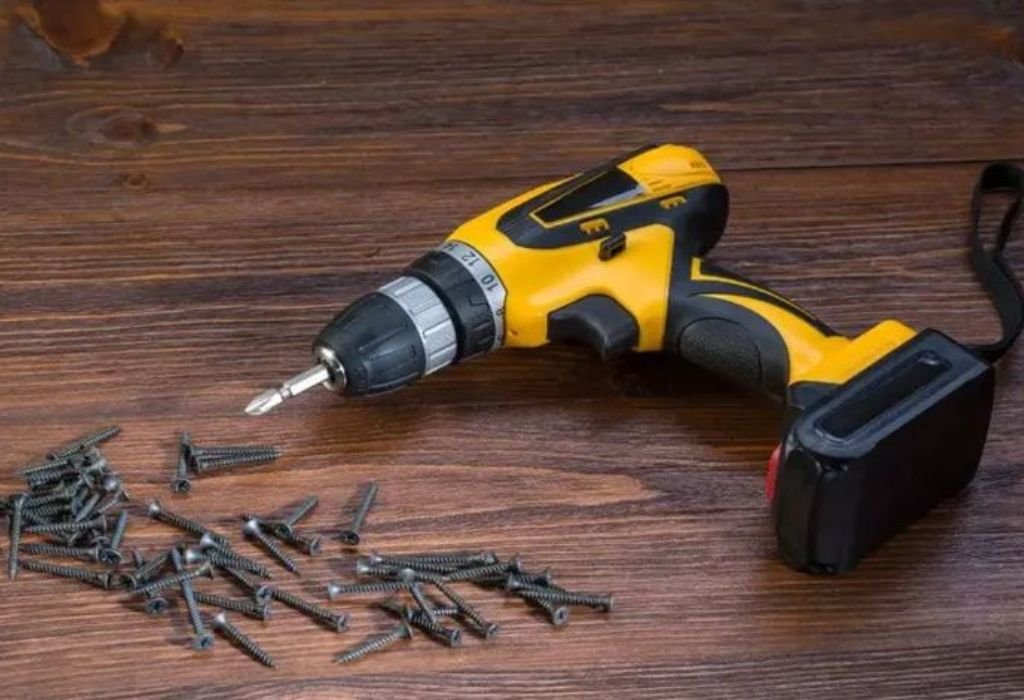
Drilling metal becomes safer and cleaner when these precautions are followed:
Wear eye protection because metal shavings fly fast.
Clamp the metal firmly to prevent movement.
Use gloves to avoid sharp edges.
Keep hair, clothing and fingers away from the rotating bit.
Apply cutting oil to keep the drill bit cool.
Use the drill’s low speed setting.
Let the drill rest if it begins to smell hot.
These simple steps prevent accidents and tool damage.
Conclusion
A cordless drill can absolutely go through metal when used with proper technique, correct bits and controlled speed. Whether drilling aluminum, steel brackets, sheet metal or even stainless steel, a cordless drill delivers enough torque to complete the job successfully. The key is patience, lubrication and slow drilling speed. With the right preparation, cordless drills create neat, accurate holes without burning the bit or overheating the drill. This makes them a practical and dependable tool for metal projects at home or in a workshop.

I’m John F. Nicholas, the founder, lead writer, and drill enthusiast behind 101drill.com. With years of hands-on experience in power tools and DIY projects, I created this platform to share practical knowledge, expert tips, and real-world insights to help others master the art of drilling.