
Many people feel a little nervous the first time they plan to drill into a metal door because the material looks strong and unforgiving. They worry that the drill bit might slip, the metal might dent, or the hole might not turn out as clean as they expect. This fear grows when the door is part of a new home, a rented apartment, or an expensive office entryway. Anyone who has ever damaged a metal surface knows how quickly one mistake becomes a permanent mark.
The truth is that drilling into metal is not as complicated as it appears if you understand a few important steps. People often assume they need special tools or advanced skills, but most of the time a standard drill and the correct drill bit are all that is required. The real key is preparation, speed control, and making sure the drill bit stays stable throughout the process.
When someone learns these basics, they quickly gain confidence and realize metal is predictable when handled correctly. They understand why professionals always create a pilot hole, apply lubrication, and keep steady pressure. These steps help control heat, reduce vibration, and make the entire process smooth.
If you follow the right process, you can drill into a metal door to install peepholes, handles, smart locks, security cameras, or decorative hardware without any damage at all. This guide walks you through everything in a clear sequence so you can complete the task safely.
How To Prepare Your Metal Door Before Drilling
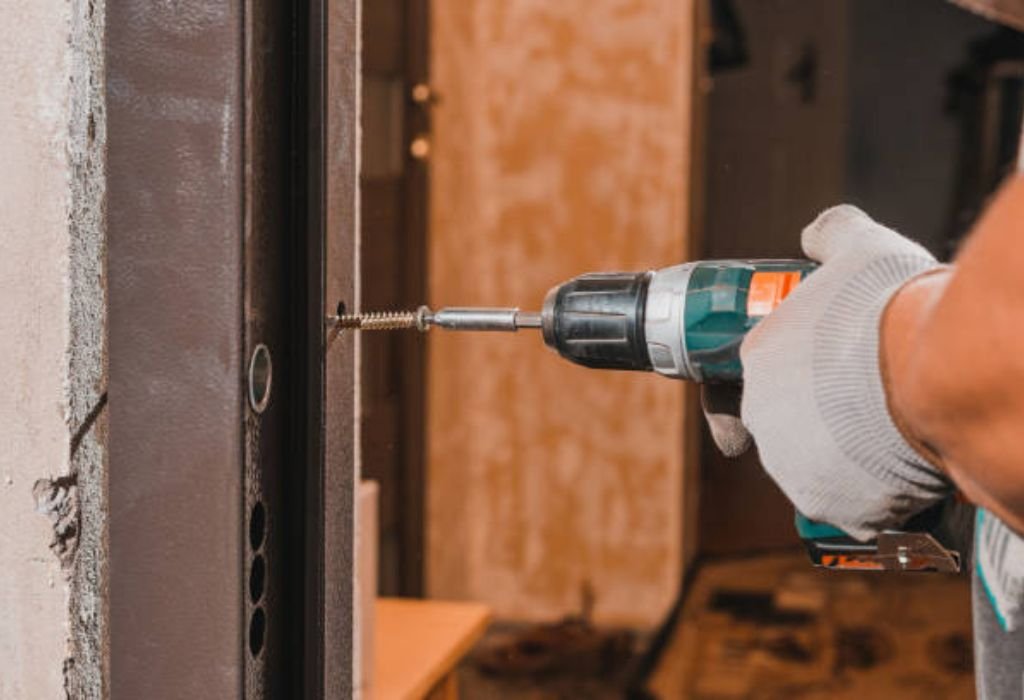
Preparation is the most important part of drilling into a metal door because it helps prevent slipping. People often underestimate how smooth a metal surface can be which is why marking the drilling point matters. Without proper marking the drill tip moves around and creates scratches.
Start by cleaning the surface with a dry cloth so no dust or grease interferes with your alignment. After that use a marker or masking tape to highlight the exact point where you want to drill. Masking tape provides extra grip and reduces the risk of scratches around the hole.
Most professionals also use a center punch to make a small dent in the metal. This small dent creates a starting point so the drill stays stable when it begins spinning. Even beginners find this step extremely helpful because it improves accuracy.
If you skip this step your drill bit may wander which leads to uneven holes. Taking a minute to mark and punch the area ensures the final result looks neat. This simple habit also reduces the stress of drilling into metal for the first time.
Choosing The Right Drill Bit For A Metal Door
Choosing the correct drill bit is essential because metal doors are usually made of steel. High speed steel bits or cobalt bits are the safest choices. These bits stay sharp even when they face tough materials.
Regular wood bits are never recommended because they cannot handle metal. Using the wrong bit can cause overheating and damage both the drill and the door. A sharper bit reduces effort and produces cleaner holes.
If you plan to drill a larger hole start with a small pilot bit first. This technique makes the final hole more accurate and reduces vibration. It also protects the door from unnecessary pressure.
Coating such as titanium may also help the bit last longer. Many homeowners prefer cobalt bits for thicker metal since they resist heat better. Select a bit size that matches your hardware instructions exactly.
Step By Step Method To Drill Into A Metal Door
Start by placing the drill bit directly into the center punched dent. Apply a moderate amount of pressure but do not force it. Gentle pressure helps the bit cut without bending.
Keep your drill at a low to medium speed during the first few seconds. High speed at the start creates slipping and may scratch the surface. Slow speed gives you complete control.
Once the drill bites into the metal you can increase the speed slightly. Continue drilling smoothly while maintaining steady pressure. Avoid pushing too hard or the bit may overheat.
If you feel heat building up stop for a moment. Allow the bit to cool before continuing. Overheating is a common reason bits become dull quickly.
Keep the drill perfectly straight so the hole stays round and clean. Tilting the drill creates uneven edges. A straight position also protects your hardware alignment.
Should You Use Lubrication When Drilling A Metal Door
Lubrication is one of the easiest ways to prevent heat buildup during drilling. A drop of cutting oil reduces friction significantly. When friction drops the drill bit moves more smoothly.
Many people skip oil because they think the hole is small. But even small holes generate heat fast which affects accuracy. Using oil keeps the bit sharp longer.
If you do not have cutting oil you can use light machine oil. Any thin lubricant helps reduce resistance. Avoid using thick grease because it may trap metal shavings.
Apply the oil directly to the drill bit before starting. Apply once more if the drilling continues for a long time. This simple habit prevents premature bit damage.
Heat control becomes especially important when drilling into steel doors. Steel holds heat longer than aluminum or softer metals. Lubrication ensures cleaner holes every time.
Common Mistakes To Avoid When Drilling Into A Metal Door
One common mistake is using too much pressure. Excess pressure creates dents around the hole which are difficult to fix. Light pressure combined with a sharp bit gives better results.
Another mistake is skipping the center punch step. Without a punch your drill can slip at the start which leads to scratches. A punched mark acts like a guiding track.
People sometimes use the highest drill setting because they think speed equals power. High speed on metal is risky because it increases heat rapidly. Overheating affects both accuracy and drill bit life.
Many beginners also forget to cool the bit during long drilling sessions. Short pauses are enough to maintain control. Overheated metal doors may show discoloration.
Ignoring safety gear is another mistake. Metal shavings are sharp and move quickly. Eye protection ensures complete safety throughout the task.
Installation Tips After Drilling Into A Metal Door
Once the hole is complete remove any metal burrs with a file. Burrs make the hardware sit unevenly. A clean edge improves fitting.
Test the hardware gently before screwing it in firmly. This helps you confirm alignment. If the hole is off by a small margin you can widen it slightly.
Use rust resistant screws whenever possible. Metal doors face moisture regularly which may cause corrosion. Choosing the right screws ensures long term durability.
If the hole is part of a security lock installation follow the manufacturer guidelines. Many locks require specific spacing. Measuring correctly prevents malfunction.
Wipe the area clean to remove metal dust. This avoids scratches when the door moves. Clean surroundings also help you inspect the final result clearly.
How To Prevent Rust After Drilling Into A Metal Door
Rust prevention starts immediately after drilling. Metal doors often have protective coatings that get exposed when you create a hole. Exposed metal can rust if left untreated.
Apply a small amount of primer on the inner ring of the hole. Primer forms a protective barrier. This step is especially important in humid climates.
After the primer dries you can apply touch up paint. Paint hides the exposed area and matches the door color. A matching finish improves appearance.
For outdoor doors consider adding a silicone seal around hardware. Silicone blocks moisture from entering the drilled area. This greatly reduces long term rust risk.
Regularly check the hardware once or twice a year. If rust starts forming clean it early. Early action prevents deeper corrosion.
How To Clean Metal Shavings Safely After Drilling
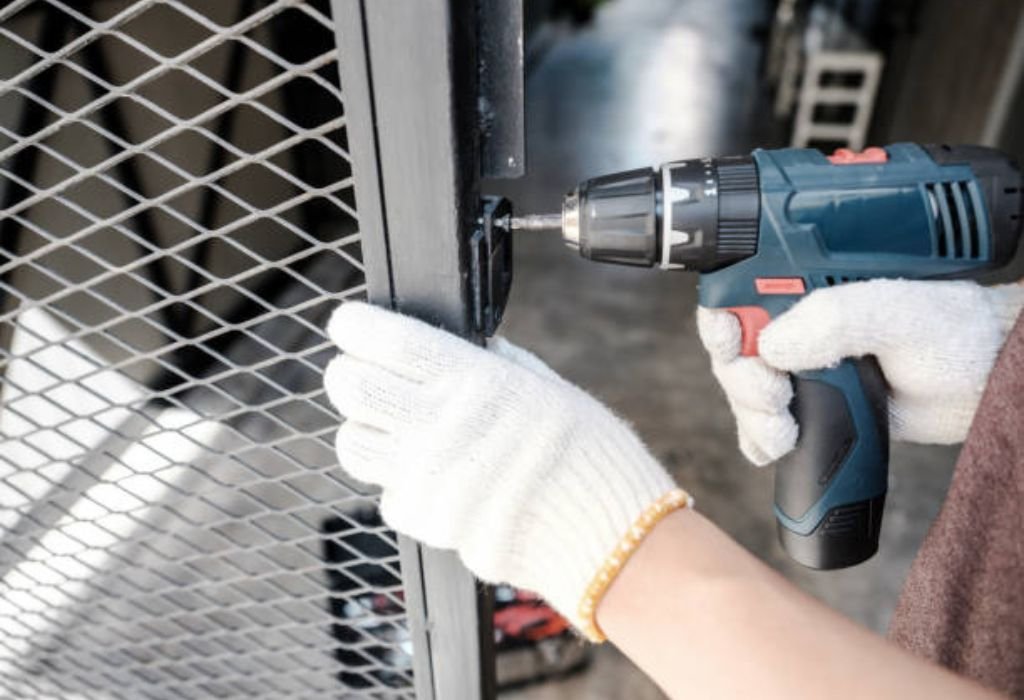
Metal shavings can stick to nearby surfaces easily. Using your bare hands can cause cuts. Always use a brush or cloth.
Start by brushing the area around the hole carefully. Collect the shavings in a small container. Proper disposal prevents them from scratching the floor.
If some shavings remain stuck use a magnet to pull them out. Magnets work well with steel particles. This method keeps fingers safe.
Vacuum the area to remove tiny remaining particles. These particles are often invisible but sharp. A clean surface keeps the door looking new.
Double check the door edges before finishing. Any leftover shaving may scratch your hardware. Clean surroundings ensure safe installation.
Random FAQ Block (Placed After Section 8)
Can I drill into a hollow metal door?
Yes you can drill into a hollow metal door and the process is the same as a solid one. You just need to avoid drilling too deep to protect the inner frame.
What drill speed is safest for metal?
Low to medium speed is safest because high speed creates heat. Controlled speed protects the drill bit from dulling.
Can I drill metal without oil?
Yes you can but it creates more heat. Oil always produces a cleaner result.
Why is my drill bit smoking?
Smoking means the bit is overheating. Stop drilling and allow it to cool.
Should I start with a pilot hole?
Yes starting with a smaller bit improves accuracy. It also prevents slipping.
Conclusion
Drilling into a metal door becomes simple when you understand the right tools and techniques. Clean preparation, proper marking and the right drill bit give you complete control from the very first moment. The step by step approach also prevents slipping, overheating and unnecessary scratches which are common problems for beginners. By working slowly and applying lubrication you protect both the drill and the door.
Once the hole is complete the final steps such as filing, rust prevention and hardware alignment determine how professional the end result looks. These small finishing touches make a big difference for long term durability. Whether you are installing a smart lock, peephole or any type of hardware the process stays the same and remains easy to follow. With the method described in this guide you can drill confidently and achieve clean and precise results without damaging the door.

I’m John F. Nicholas, the founder, lead writer, and drill enthusiast behind 101drill.com. With years of hands-on experience in power tools and DIY projects, I created this platform to share practical knowledge, expert tips, and real-world insights to help others master the art of drilling.